
Portrait of Karol Podlewski — History & Facts
When Jan Matejko painted Portrait of Karol Podlewski in 1882, he was at the height of his fame as Poland’s great chronicler of history, yet here he turned his attention to a personal subject: his close friend and fellow patriot, Karol Podlewski. The portrait stands out as one of the few in which Matejko immortalized a contemporary figure without the trappings of historical costume or grand narrative. This choice was unusual for an artist renowned for his sweeping canvases of Polish history, suggesting a private tribute rather than a public statement.
The work’s intimacy has led some scholars to speculate about the nature of their friendship, though no direct correspondence survives to clarify their bond. Podlewski sits upright, his gaze steady and direct, capturing a moment of quiet resolve. The artist’s brushwork lingers on the sitter’s furrowed brow and carefully parted hair, hinting at a life marked by intellectual struggle and patriotic commitment. The subdued palette and plain background focus all attention on Podlewski’s face and hands, which rest tensely in his lap—perhaps a nod to the anxieties of Poland’s political climate at the time.
Unlike the grand, theatrical gestures found in Matejko’s historical scenes, here the drama is internal, reminiscent of Édouard Manet’s psychological portraits, where the sitter’s inner life is laid bare. The lack of symbolic objects or elaborate costume makes this a rare psychological study in Matejko’s oeuvre. The precise provenance of Portrait of Karol Podlewski is uncertain, as records from the period are incomplete. It is believed to have remained in private hands for much of its existence, possibly within the Podlewski family, before entering a museum collection in the 20th century.
The painting’s understated realism marks a departure from Matejko’s typical historical tableaux, offering insight into his versatility as a portraitist. Today, it is valued not only as a likeness of a notable figure but also as a testament to the personal connections and quieter moments that shaped Matejko’s artistic journey.
More Artworks by Jan Matejko
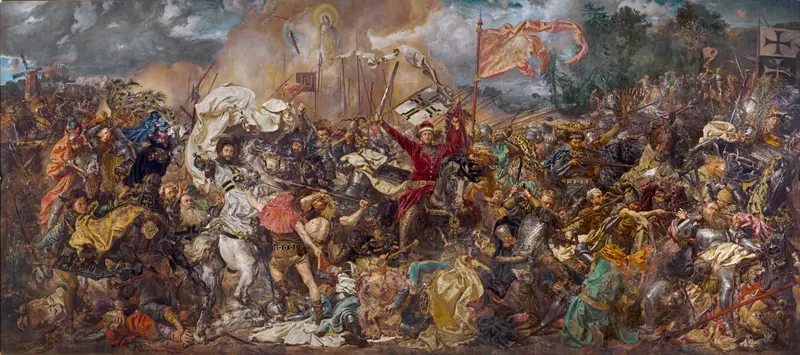
Battle of Grunwald
Jan Matejko

Stańczyk
Jan Matejko

Battle of Raclawice
Jan Matejko
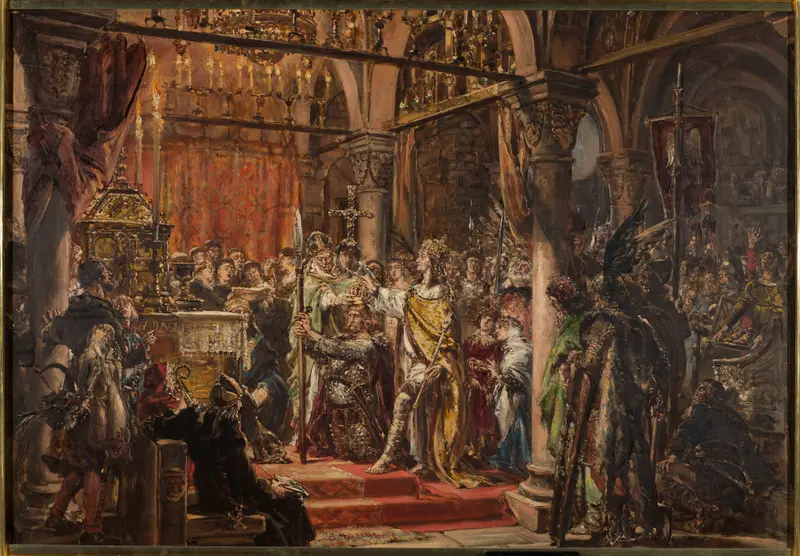
Coronation of the First King, 1001 AD, from the series “History of Civilization in Poland”
Jan Matejko
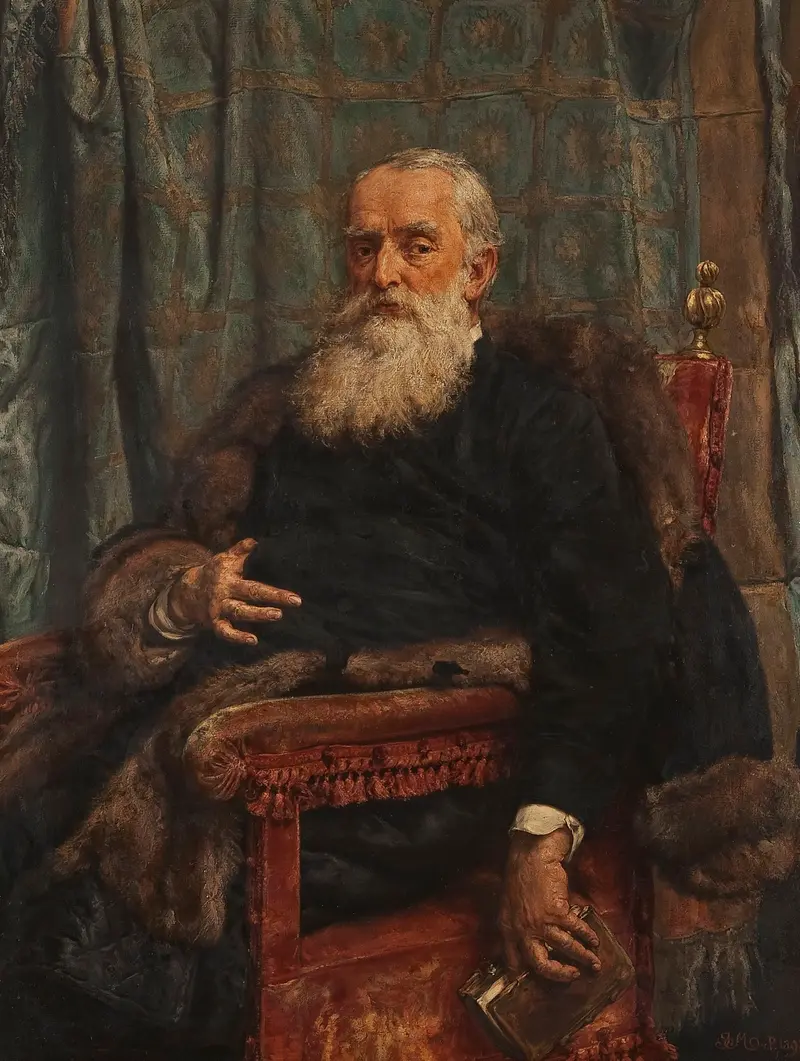
Portrait of Henryk Krajewski
Jan Matejko
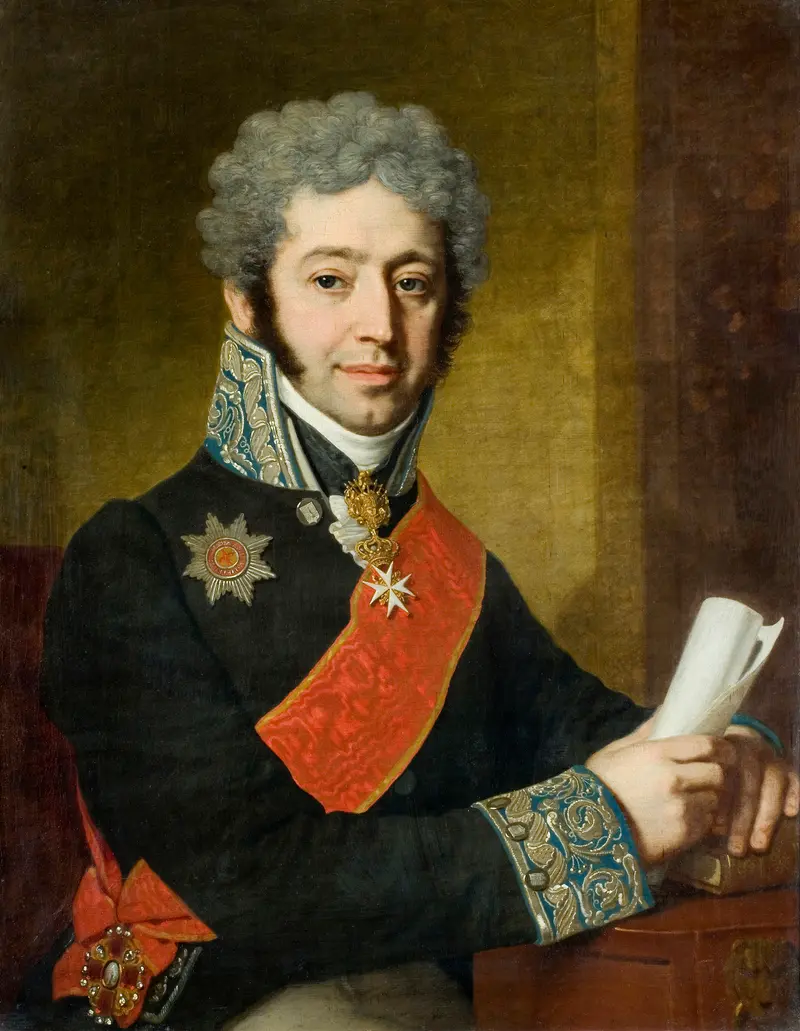
Portrait of Potocki and Poninski
Jan Matejko
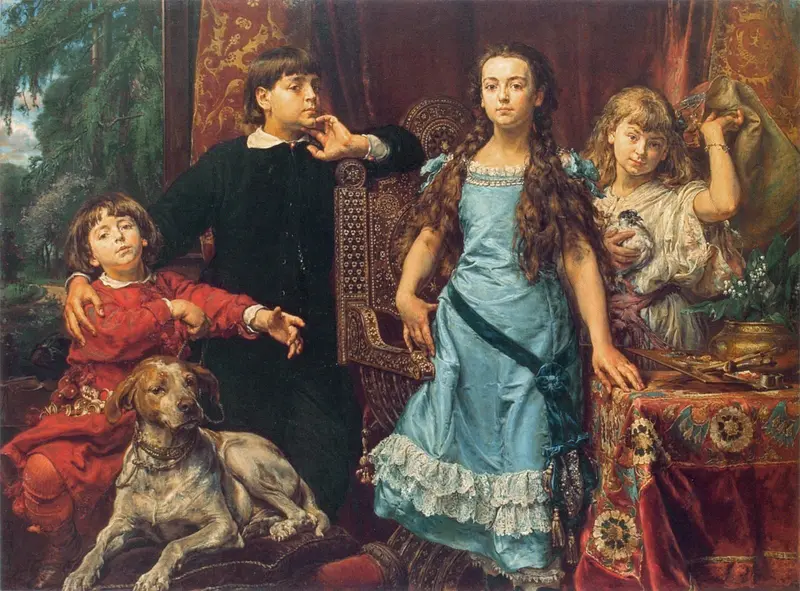
Portrait of the artist's four children
Jan Matejko
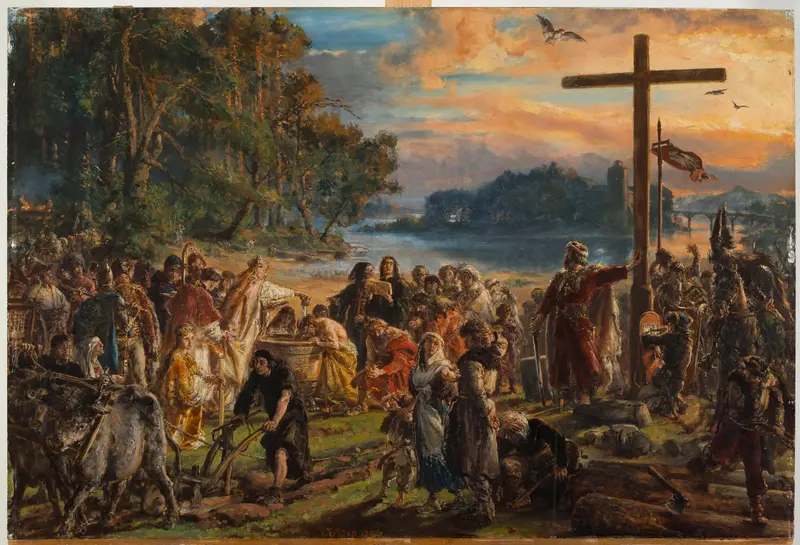
Introduction of Christianity in Poland
Jan Matejko
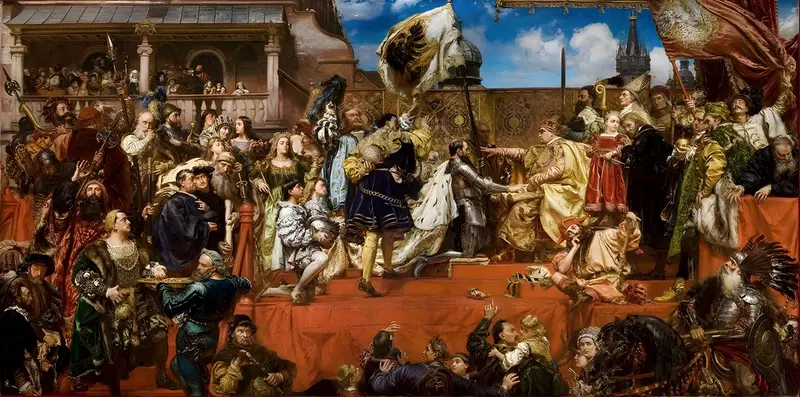
Prussian Homage
Jan Matejko
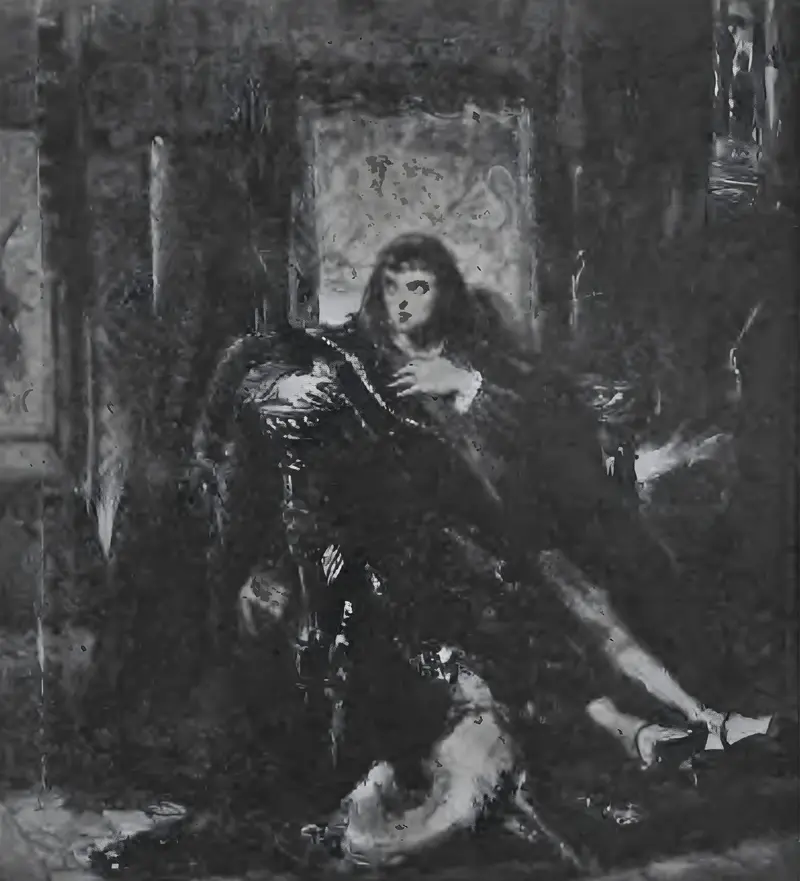
Janusz III Mazowiecki
Jan Matejko





