
Asukai Masanori Teaching Tokugawa Yoshimune to Play Kemari — History & Facts
In Asukai Masanori Teaching Tokugawa Yoshimune to Play Kemari, the scene is vibrant with colors that reflect traditional Japanese aesthetics. The figures are elegantly dressed in historical garments, showcasing the attire of the Edo period. The setting is likely a serene garden, which adds to the cultural context of the game of Kemari.
The composition captures a moment of learning and interaction between the teacher and the student. This artwork is a woodblock print, a popular medium in Japanese art, especially during the Edo period. The use of color and line work is characteristic of Ukiyo-e, which emphasizes beauty and the transient nature of life. The print showcases Yoshitoshi's skill in depicting detailed expressions and intricate patterns in clothing.
The dimensions are approximately 35 x 25 cm, making it a modest-sized piece that invites close inspection. Tsukioka Yoshitoshi was a prominent figure in the Ukiyo-e movement, known for his innovative approaches to traditional themes. This particular work reflects his interest in historical subjects, often blending realism with stylized elements. An interesting fact about this piece is that it illustrates a moment from the life of Tokugawa Yoshimune, the eighth shōgun of the Tokugawa shogunate, emphasizing the cultural significance of Kemari in Japanese history.
More Artworks by Tsukioka Yoshitoshi

Frost fills the air and the autumn air is still/lines of returning geese cross the moon in the third hour-Kenshin, from the series Twelve Aspects of the Moon
Tsukioka Yoshitoshi
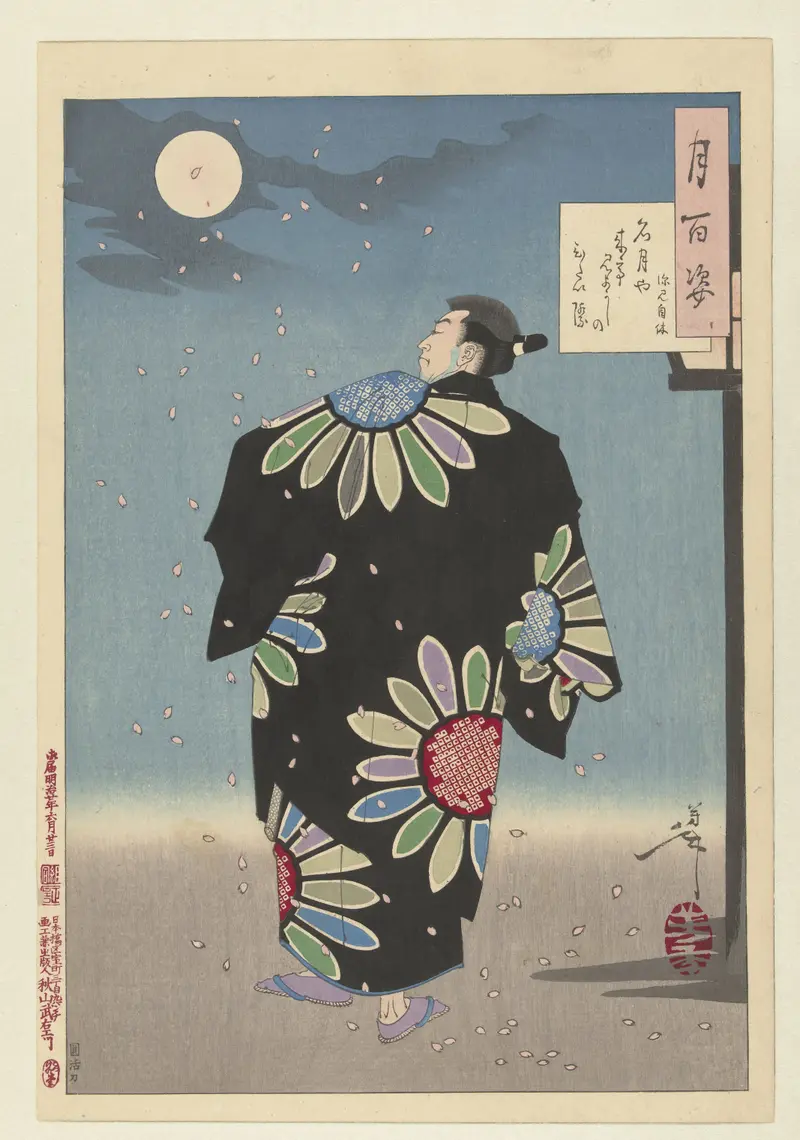
Fukami Jikyu in maanlicht
Tsukioka Yoshitoshi
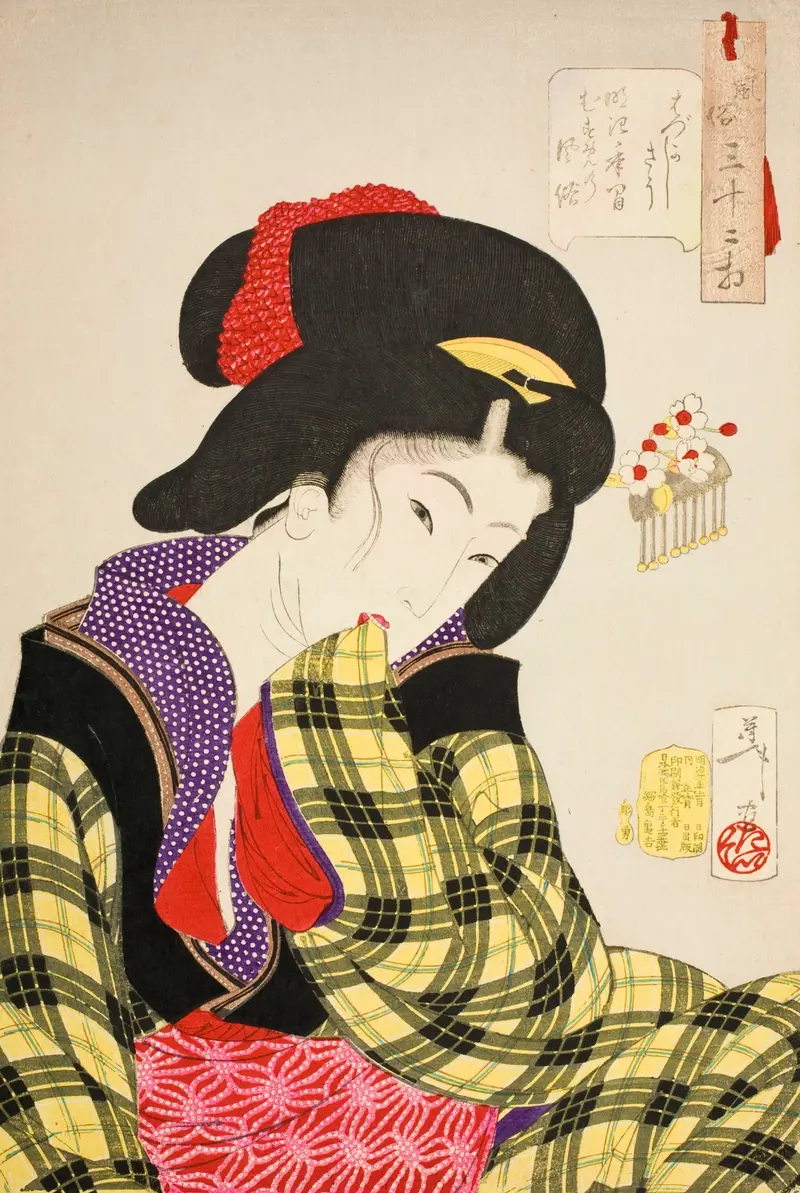
Looking Shy; The Manners of a Young Girl of the Meiji Era
Tsukioka Yoshitoshi
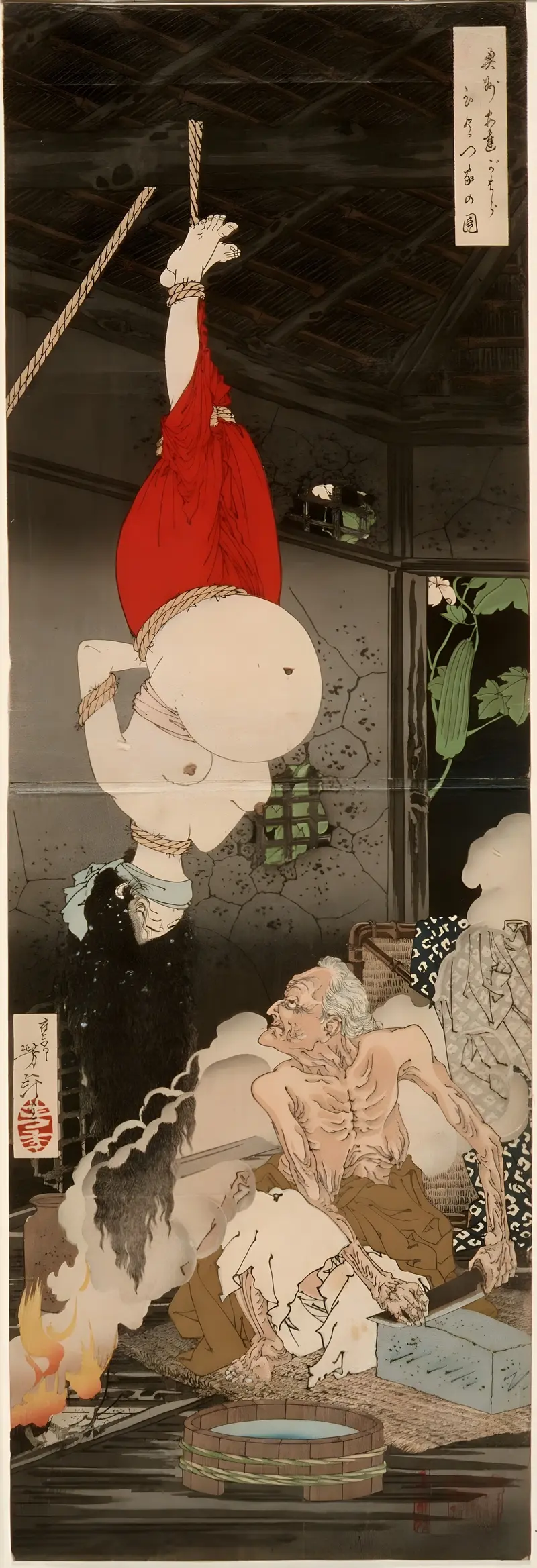
The Lonely House on Adachi Moor in Northern Japan
Tsukioka Yoshitoshi
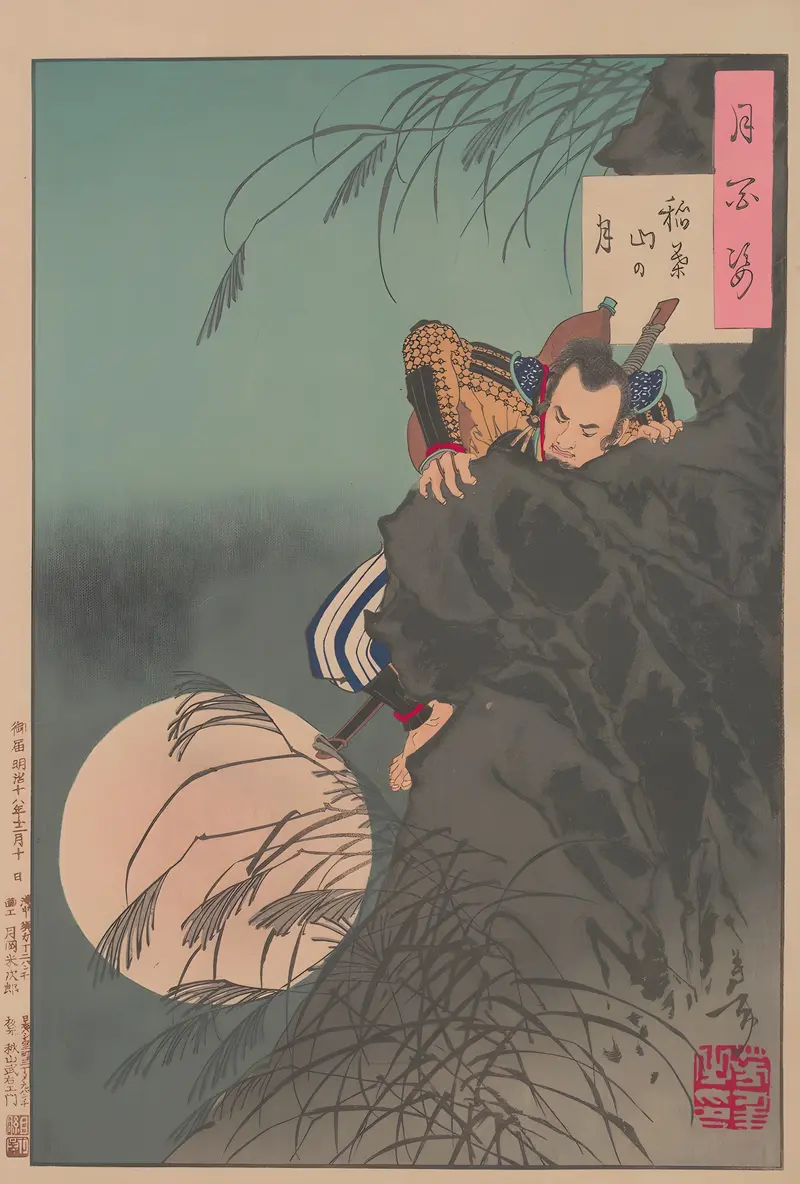
Inaba Mountain moon (Inabayama no tsuki)
Tsukioka Yoshitoshi
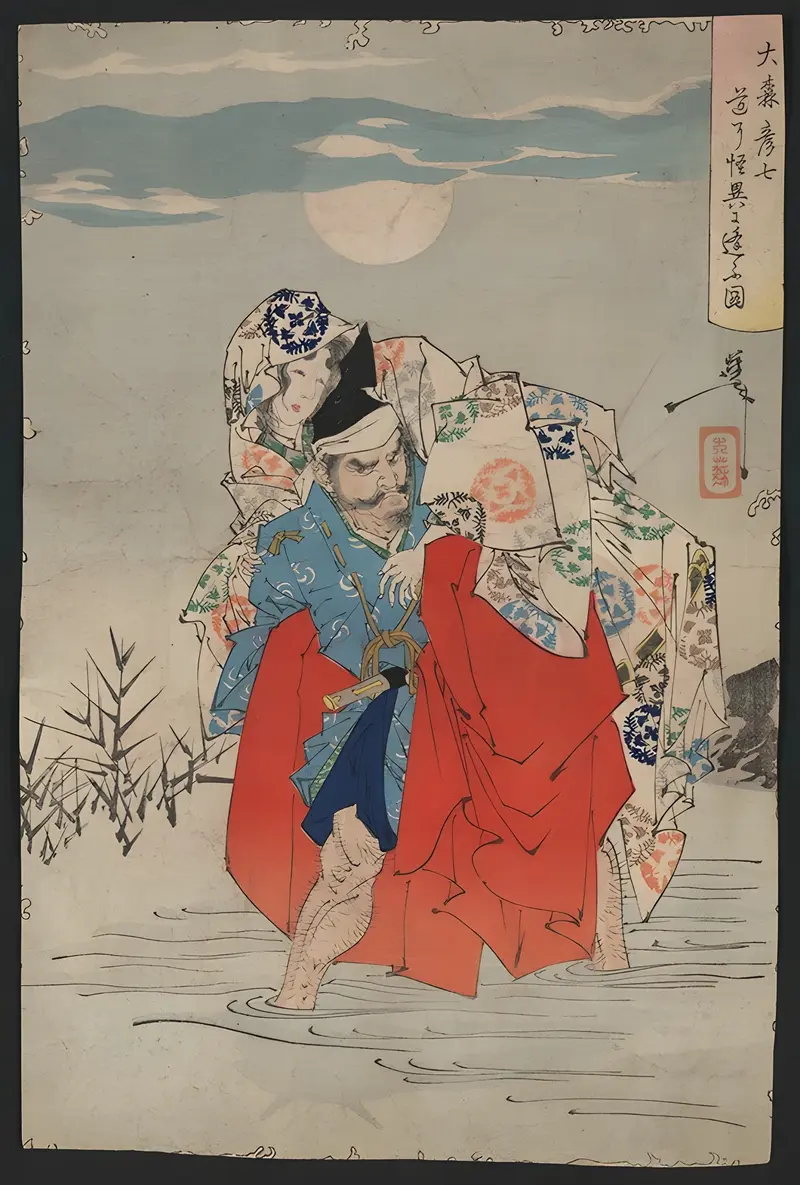
Omori Hikoshichi
Tsukioka Yoshitoshi
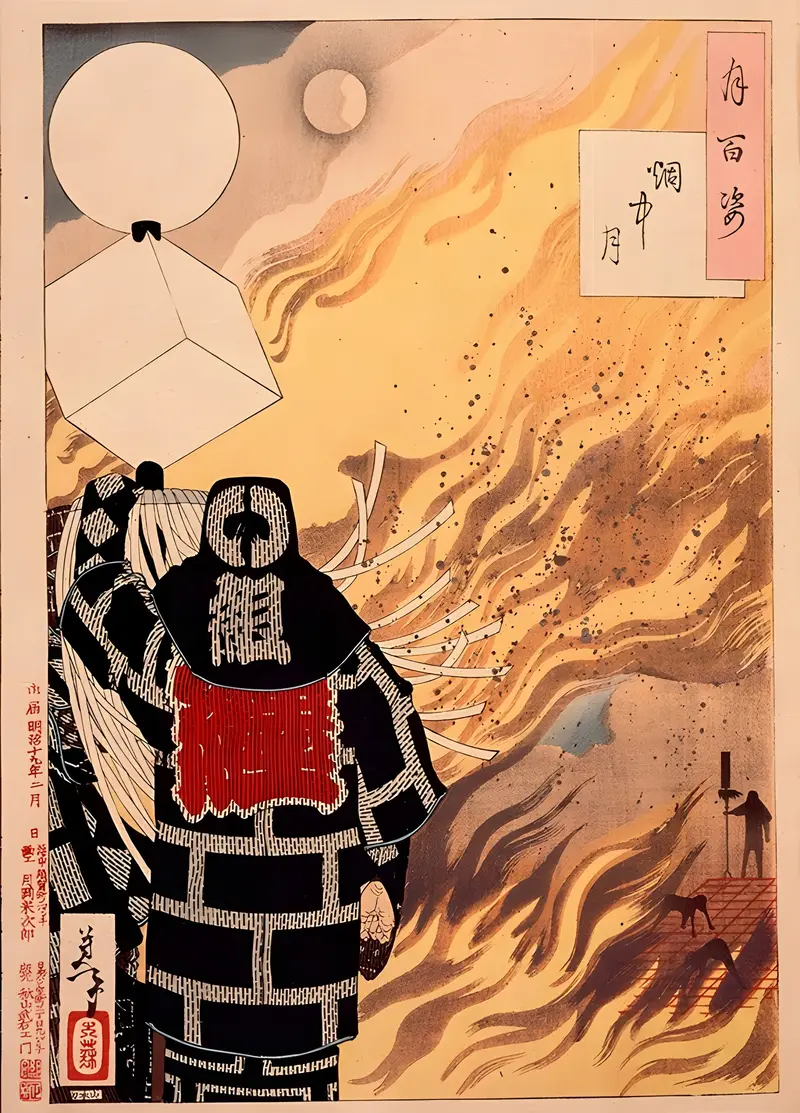
One Hundred Aspects of the Moon
Tsukioka Yoshitoshi
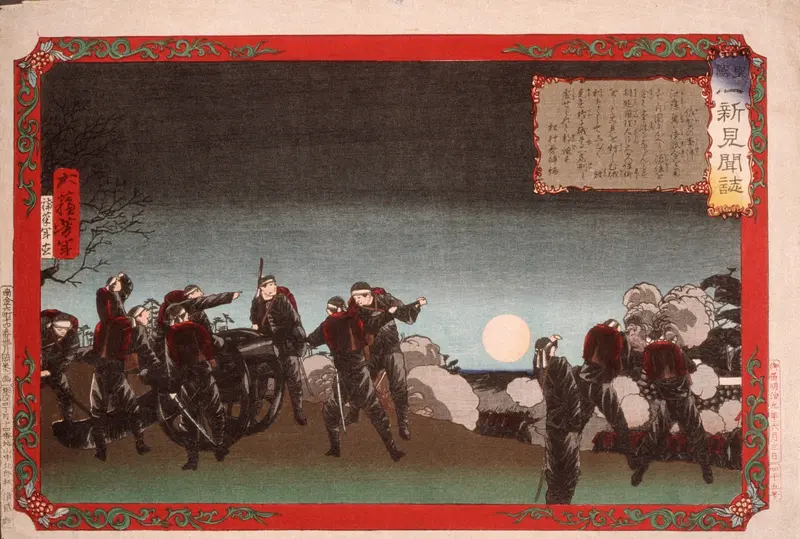
The Saga Incident
Tsukioka Yoshitoshi
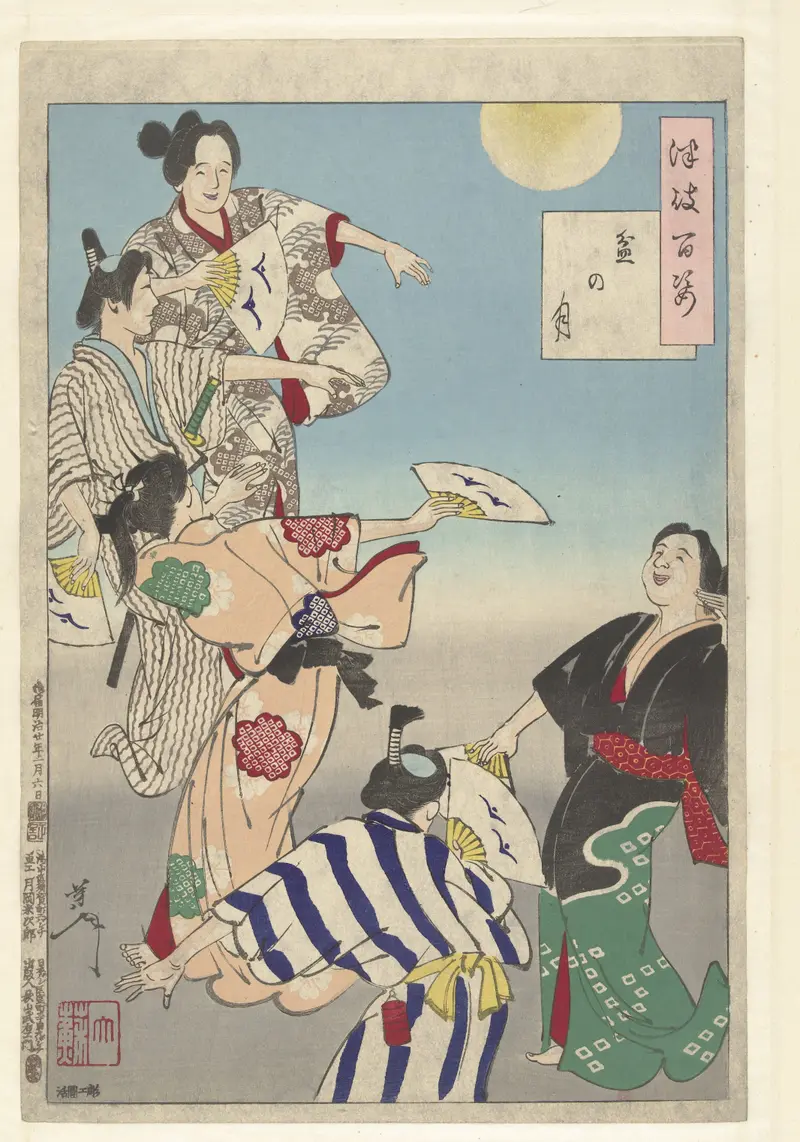
Bon Festival Moon (Bon no tsuki)
Tsukioka Yoshitoshi
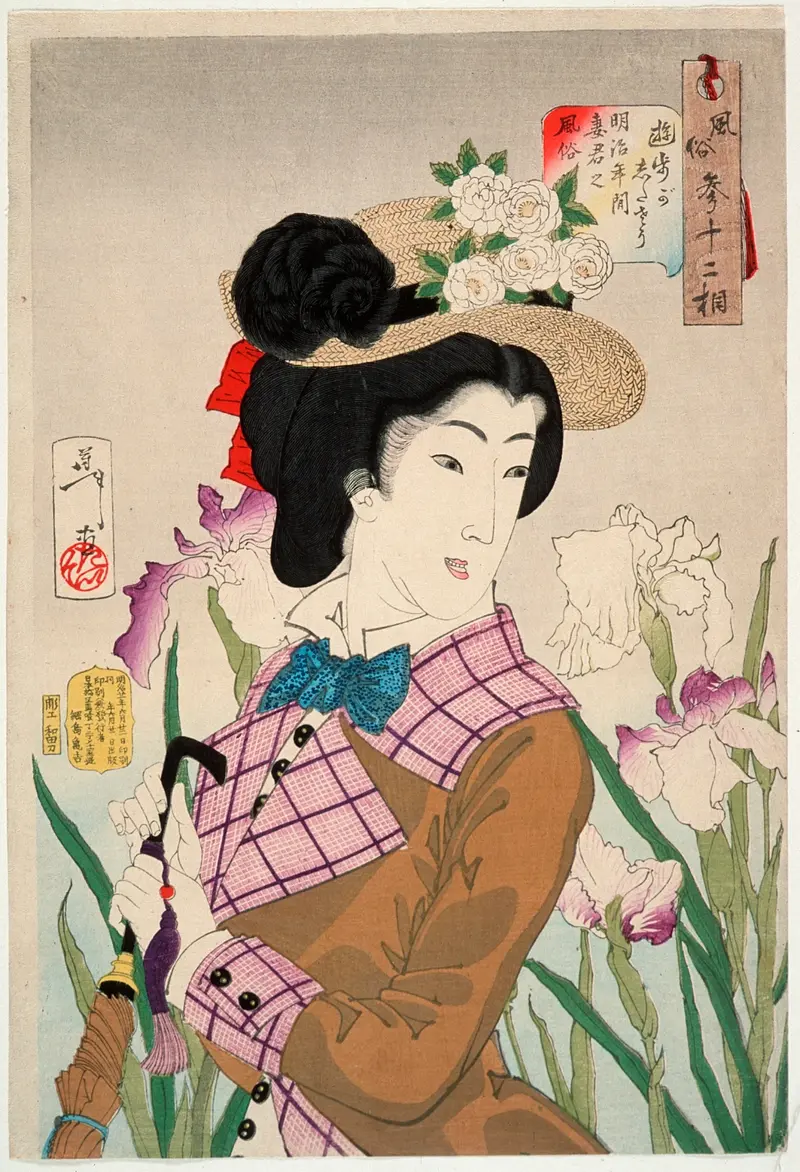
Preparing to Take a Stroll; The Wife of a Nobleman of the Meiji Period
Tsukioka Yoshitoshi





