
Omori Hikoshichi — History & Facts
In Omori Hikoshichi, we see a striking portrayal of a historical figure dressed in traditional Japanese attire. The colors are rich and vibrant, with deep blues and reds dominating the composition. The figure stands confidently, surrounded by intricate patterns that enhance the cultural context of the artwork.
The background features subtle elements that suggest a connection to nature, typical of Ukiyo-e prints. This artwork is a woodblock print, a technique that allows for detailed and precise imagery. The lines are sharp, and the colors are layered, creating depth and texture. Viewers can appreciate the meticulous craftsmanship that goes into each print, as well as the historical significance of the figure depicted.
The print exemplifies the Ukiyo-e style, known for its focus on beauty and culture. Tsukioka Yoshitoshi was a prominent figure in the Ukiyo-e movement, known for his innovative approach to traditional printmaking. This work, created in the late 19th century, reflects Yoshitoshi's mastery of the medium and his ability to capture the essence of his subjects. An interesting fact about this piece is that it showcases the blend of historical narrative and artistic expression, a hallmark of Yoshitoshi's later works.
More Artworks by Tsukioka Yoshitoshi

Frost fills the air and the autumn air is still/lines of returning geese cross the moon in the third hour-Kenshin, from the series Twelve Aspects of the Moon
Tsukioka Yoshitoshi
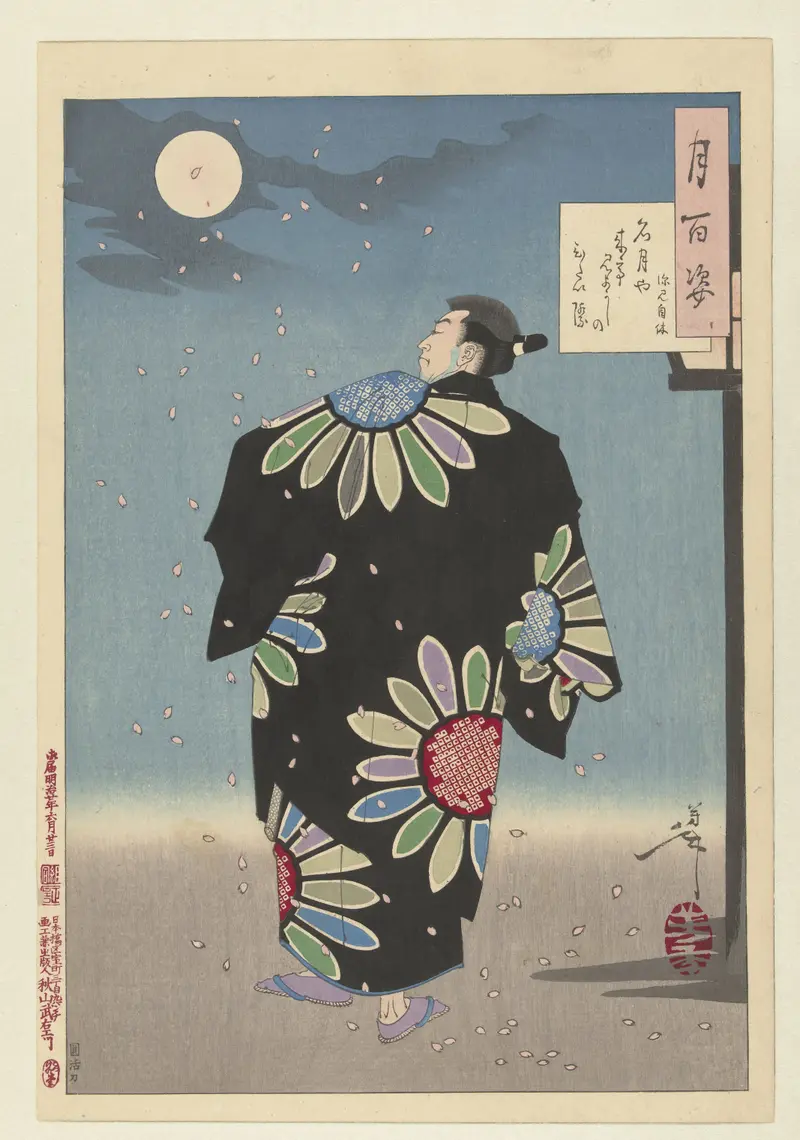
Fukami Jikyu in maanlicht
Tsukioka Yoshitoshi
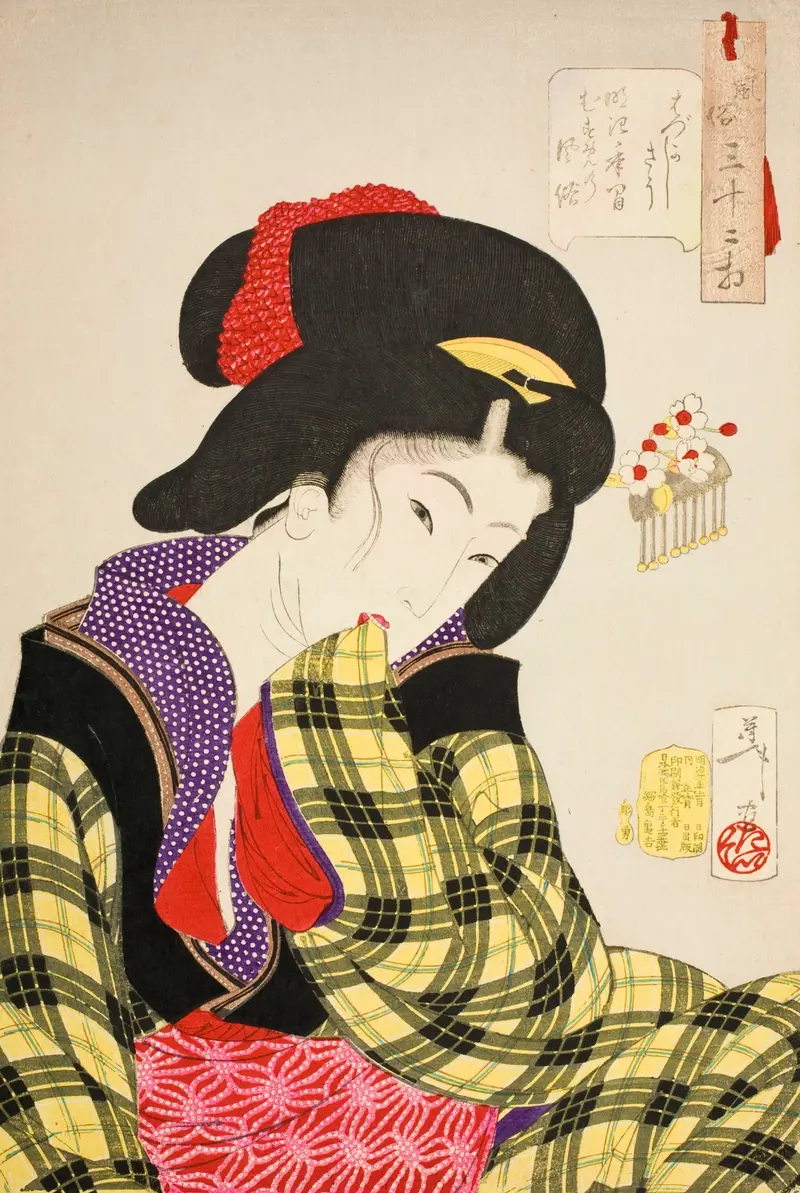
Looking Shy; The Manners of a Young Girl of the Meiji Era
Tsukioka Yoshitoshi
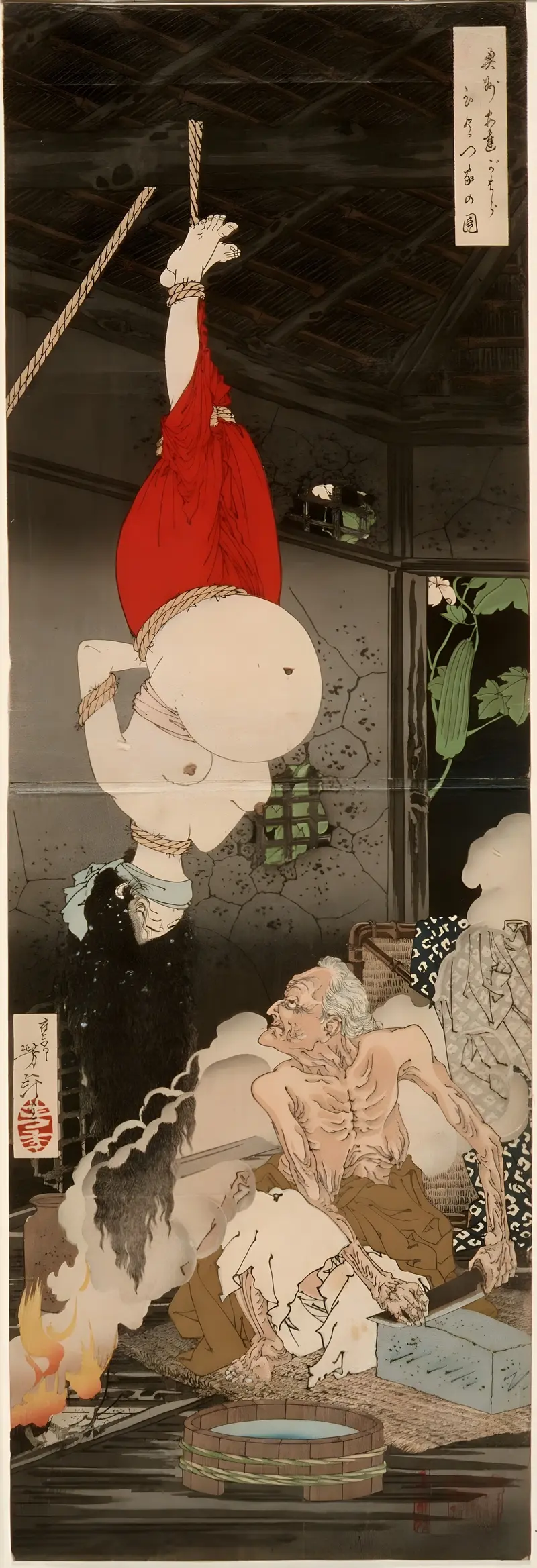
The Lonely House on Adachi Moor in Northern Japan
Tsukioka Yoshitoshi
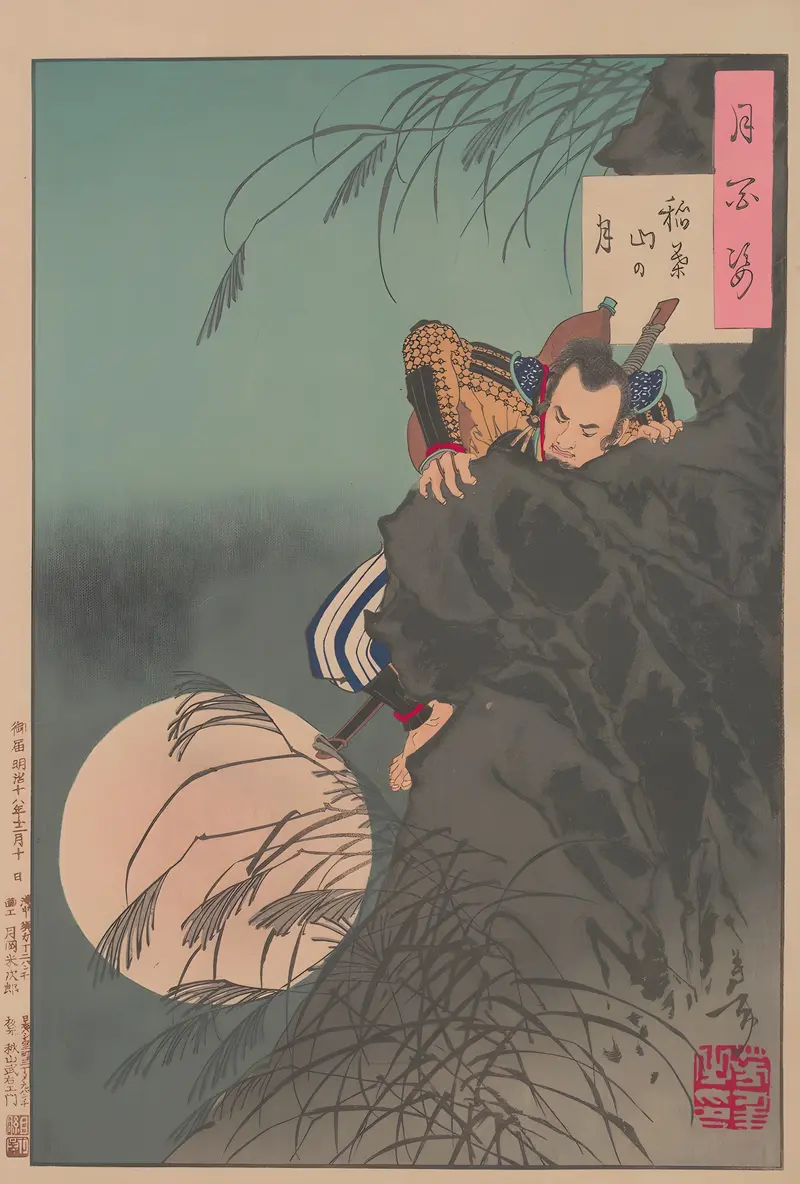
Inaba Mountain moon (Inabayama no tsuki)
Tsukioka Yoshitoshi
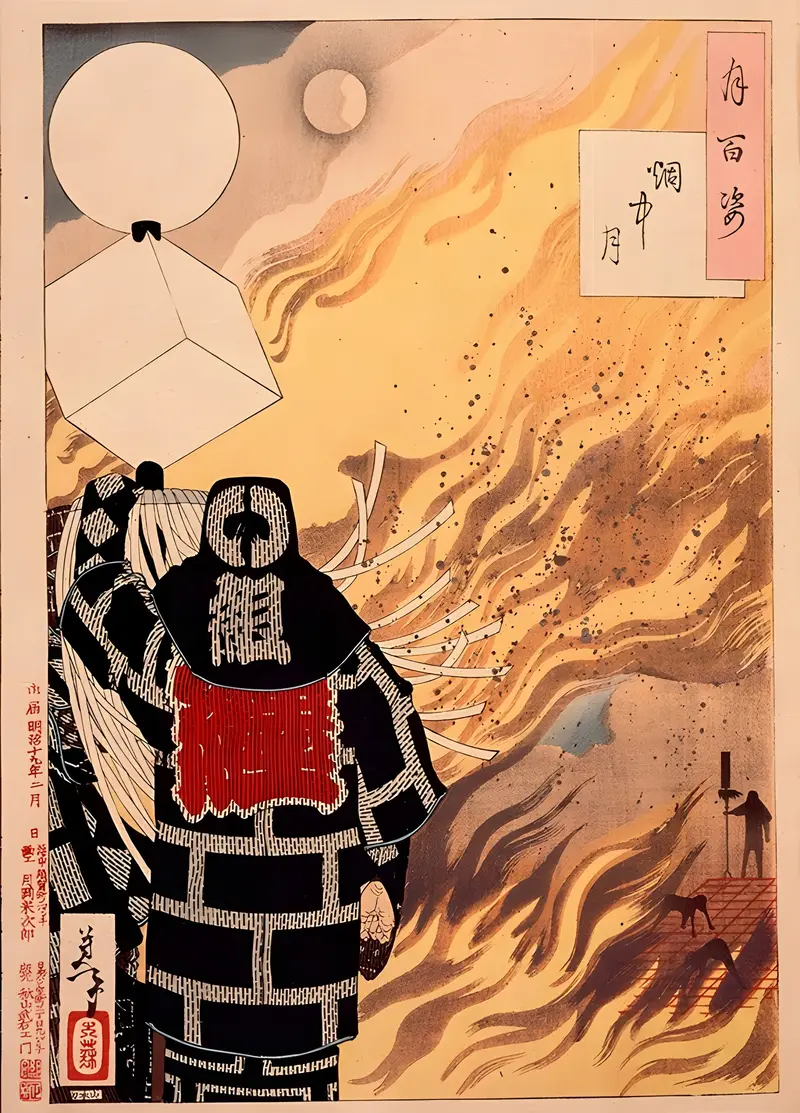
One Hundred Aspects of the Moon
Tsukioka Yoshitoshi
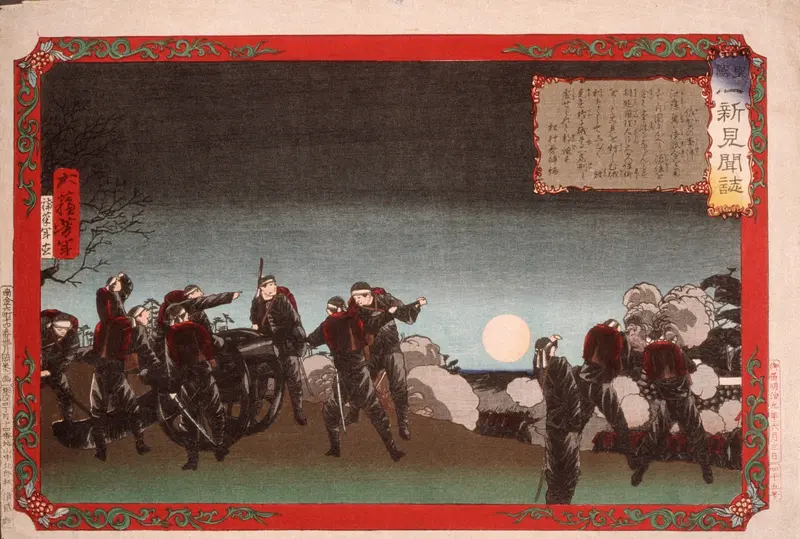
The Saga Incident
Tsukioka Yoshitoshi
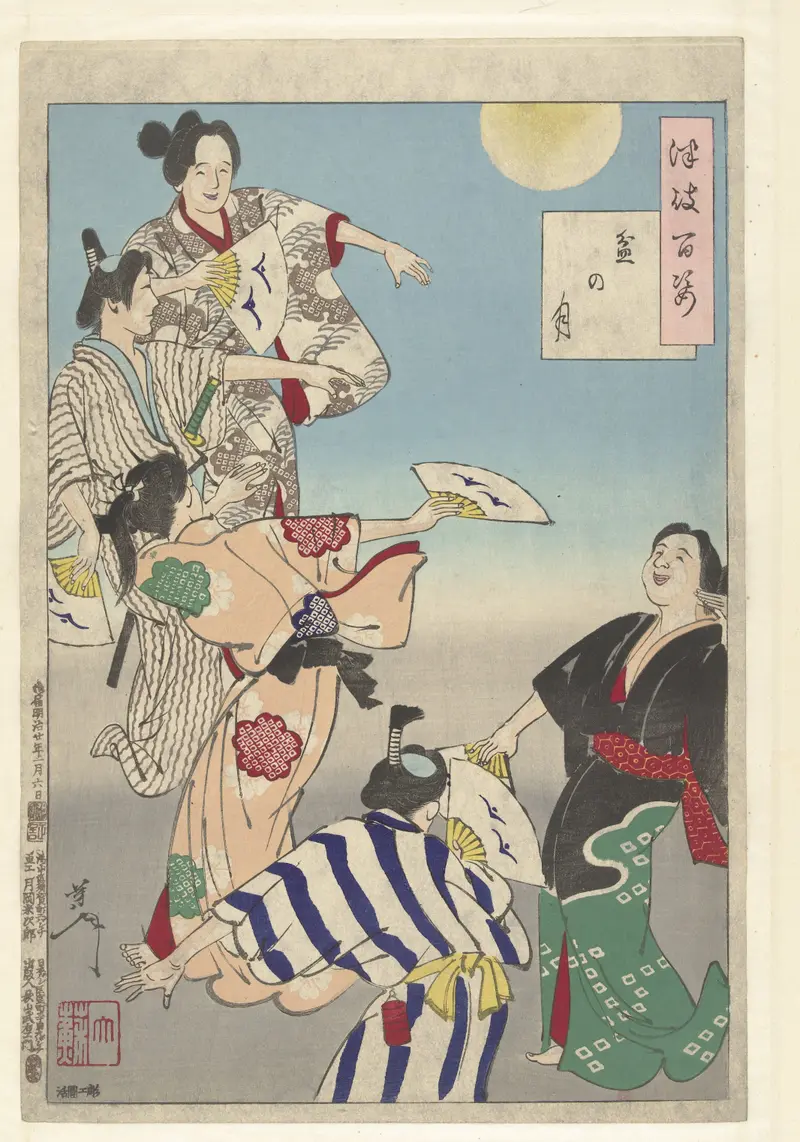
Bon Festival Moon (Bon no tsuki)
Tsukioka Yoshitoshi
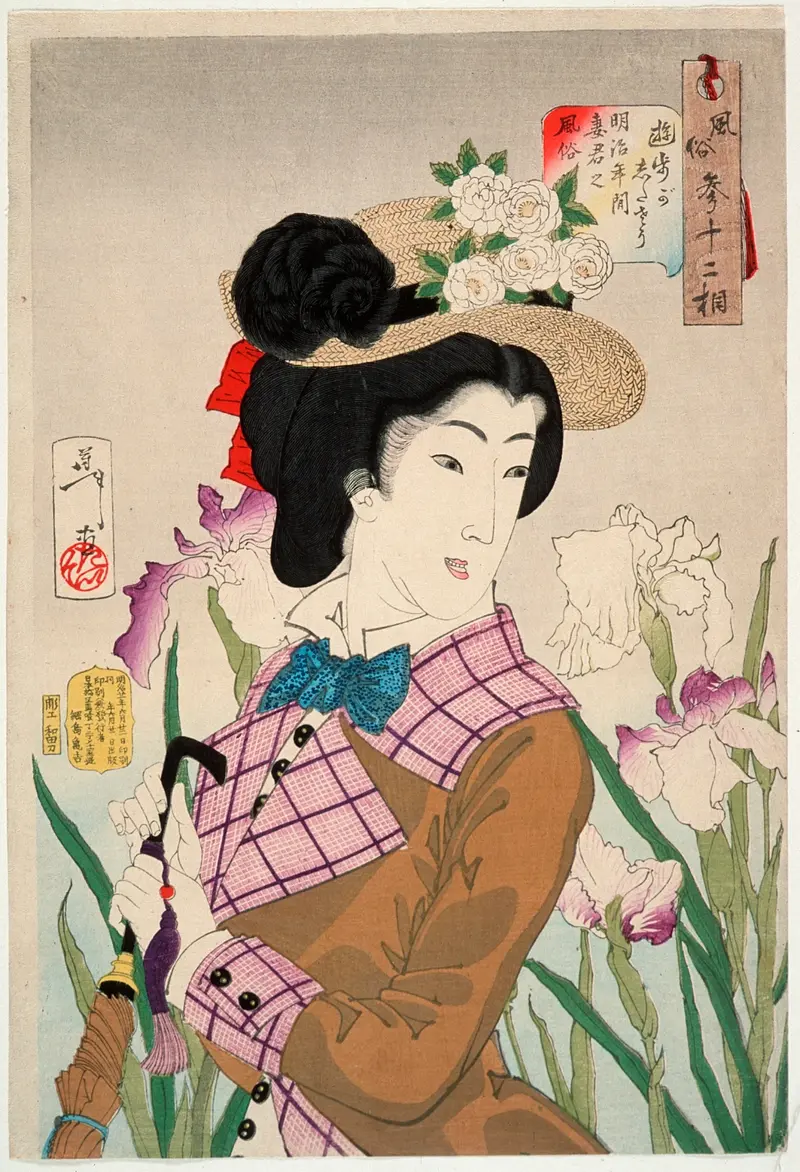
Preparing to Take a Stroll; The Wife of a Nobleman of the Meiji Period
Tsukioka Yoshitoshi
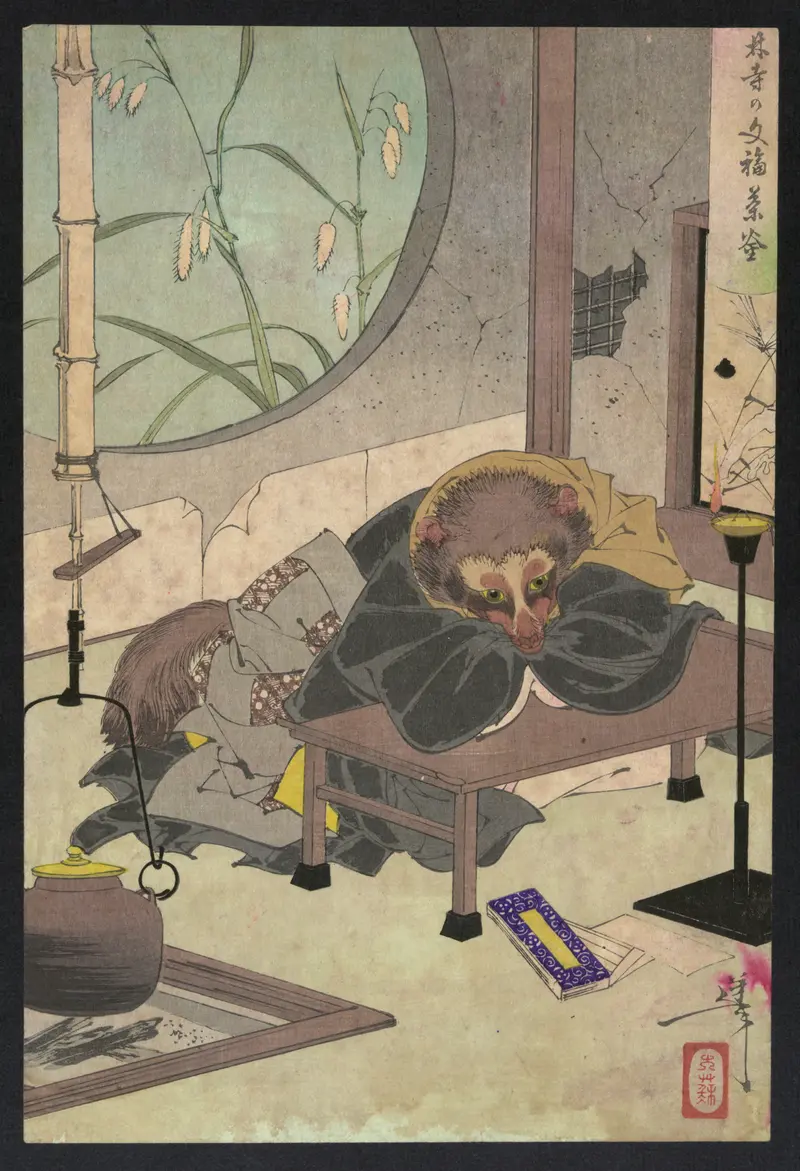
Bunbuku chagama
Tsukioka Yoshitoshi





