At a Stream — History & Facts
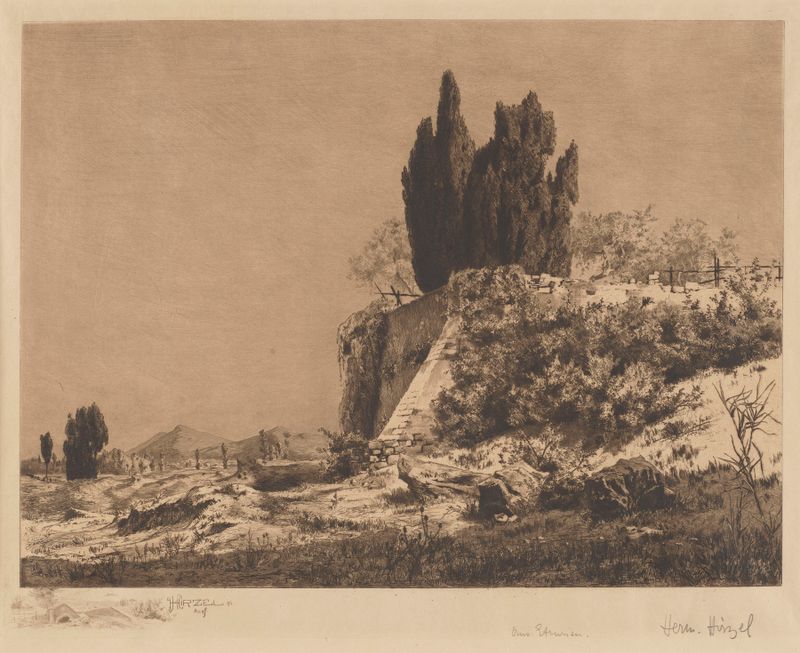
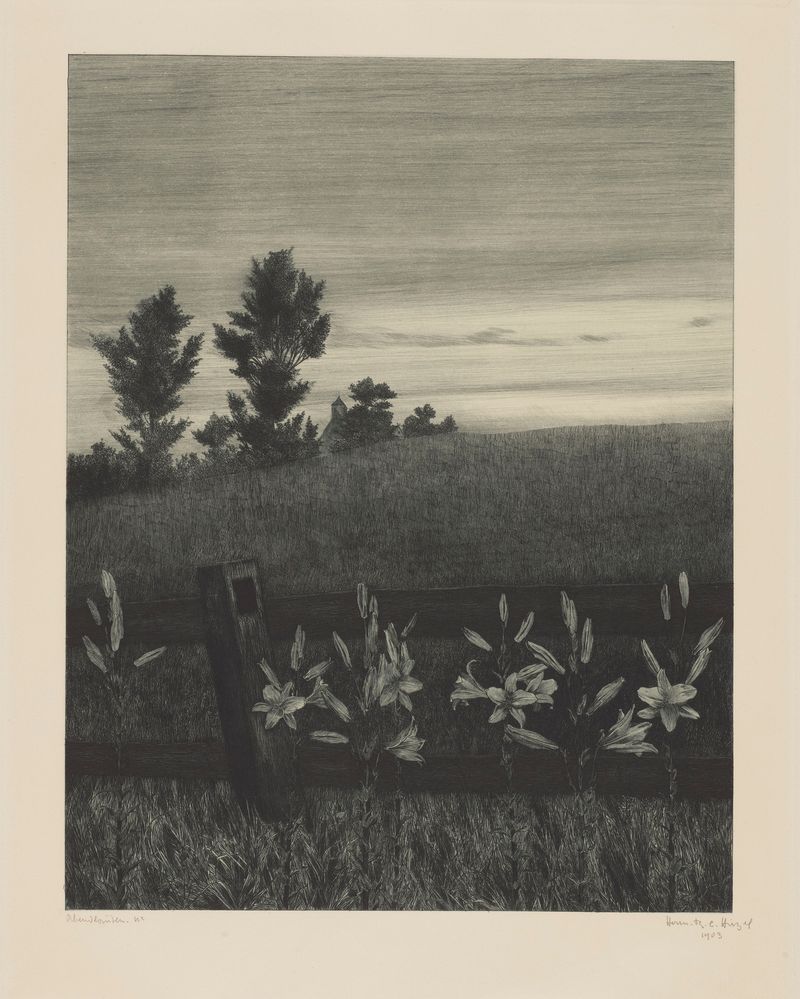
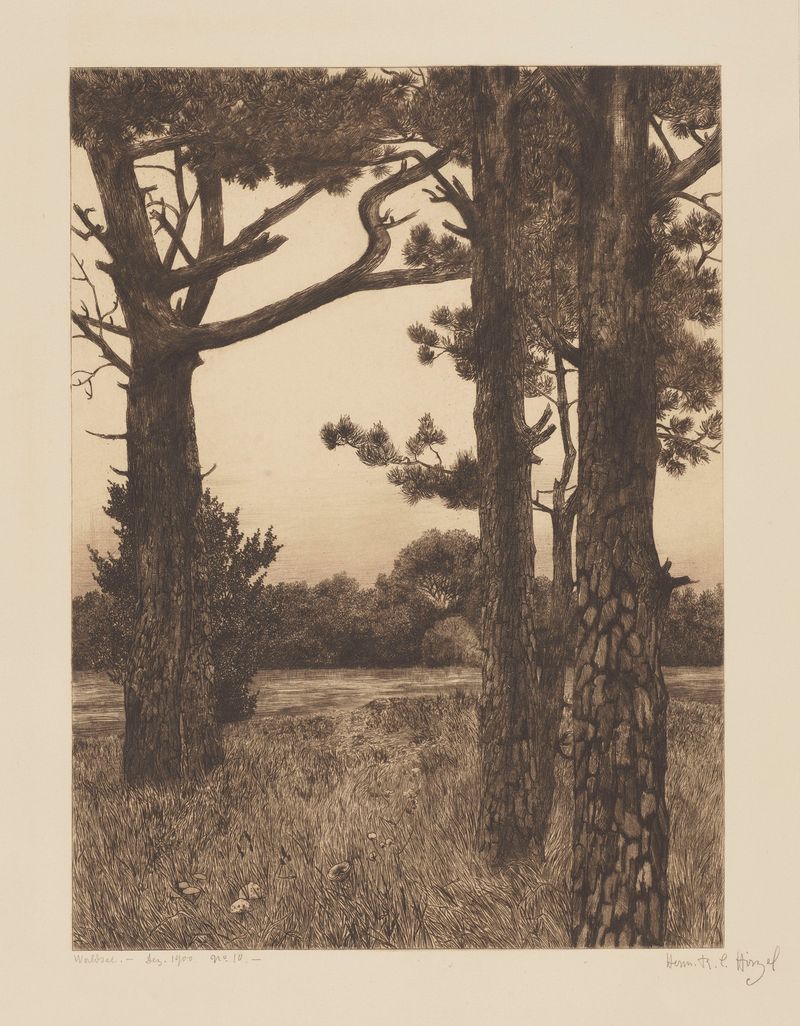
Can beauty exist without sorrow? This poignant inquiry lingers in the serene atmosphere of a tranquil stream, where light dances over water, revealing the delicate balance between joy and melancholy. Focus on the soft flowing lines that guide your gaze along the stream, inviting you to explore the gentle embrace of nature. The artist employs a harmonious palette of greens and blues, punctuated by soft hints of sunlight, which creates a sense of tranquility. Notice how the brushstrokes evoke movement, imbuing the scene with life as the water ripples and reflects the surrounding foliage, while the quietude suggests a moment suspended in time. Hidden within the peacefulness is a subtle tension.
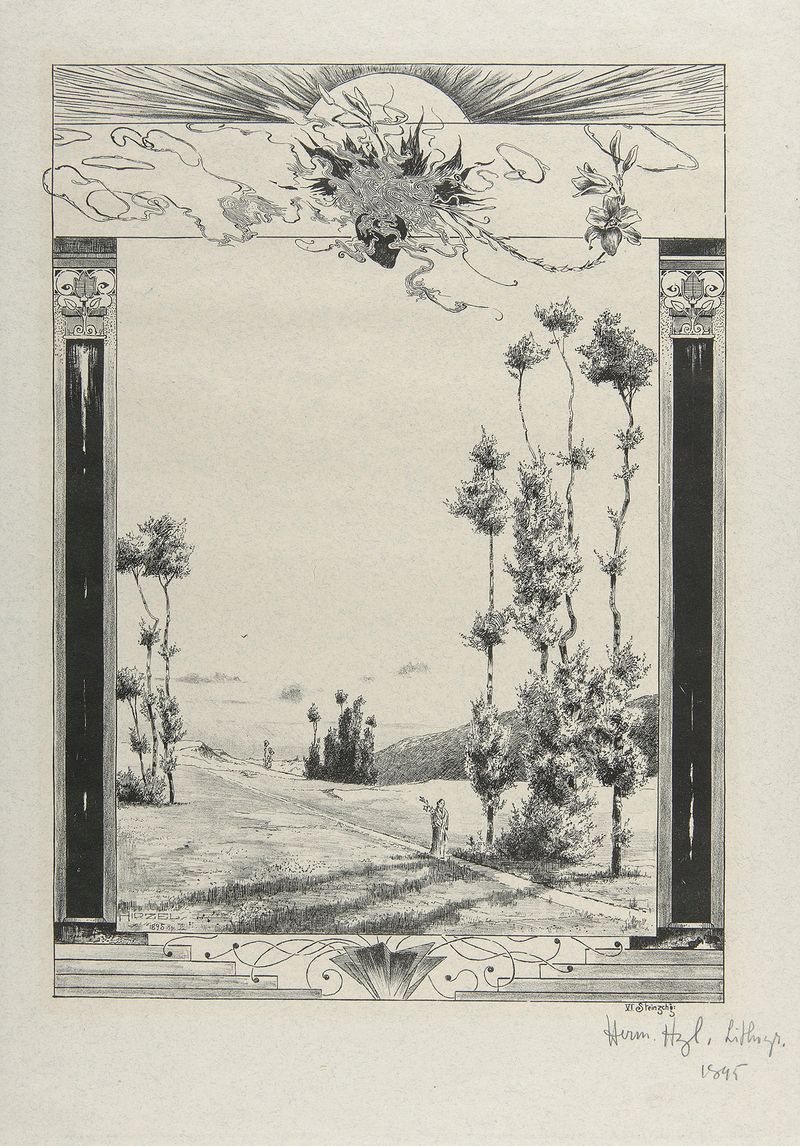
The interplay between the lush greenery and the quiet water evokes a feeling of longing, a reminder that even in moments of beauty, there exists an undercurrent of transience. The placement of the rocks and the gentle curve of the stream speak to resilience and the idea of finding balance amidst life's ebbs and flows. Each detail contributes to a narrative, inviting contemplation on the coexistence of beauty and sorrow. In 1895, Hirzel painted this work during a time when he was deeply influenced by the natural world and the emerging Symbolist movement in art.
Living in Switzerland, he found inspiration in landscapes that harmonized form and emotion, reflecting a growing interest in the relationship between nature and human experience. This painting captures both the external beauty of the stream and the internal reflections it provokes, anchoring it within the art historical context of its time.