Willows — History & Facts
The delicate interplay between nature and emotion often eludes us, yet it is precisely this complexity that captivates the soul in art. Focus on the swirling interplay of gold and green that draws you into the tranquil yet haunting landscape. Notice how the willows, bending gracefully, seem almost to whisper secrets to the water below, their reflections rippling with an ephemeral quality. The painter's meticulous brushwork enhances this dialogue between reality and illusion, creating layers of texture that invite deeper contemplation. But beneath this serene facade lies a profound tension—a legacy woven into the very fabric of the scene.
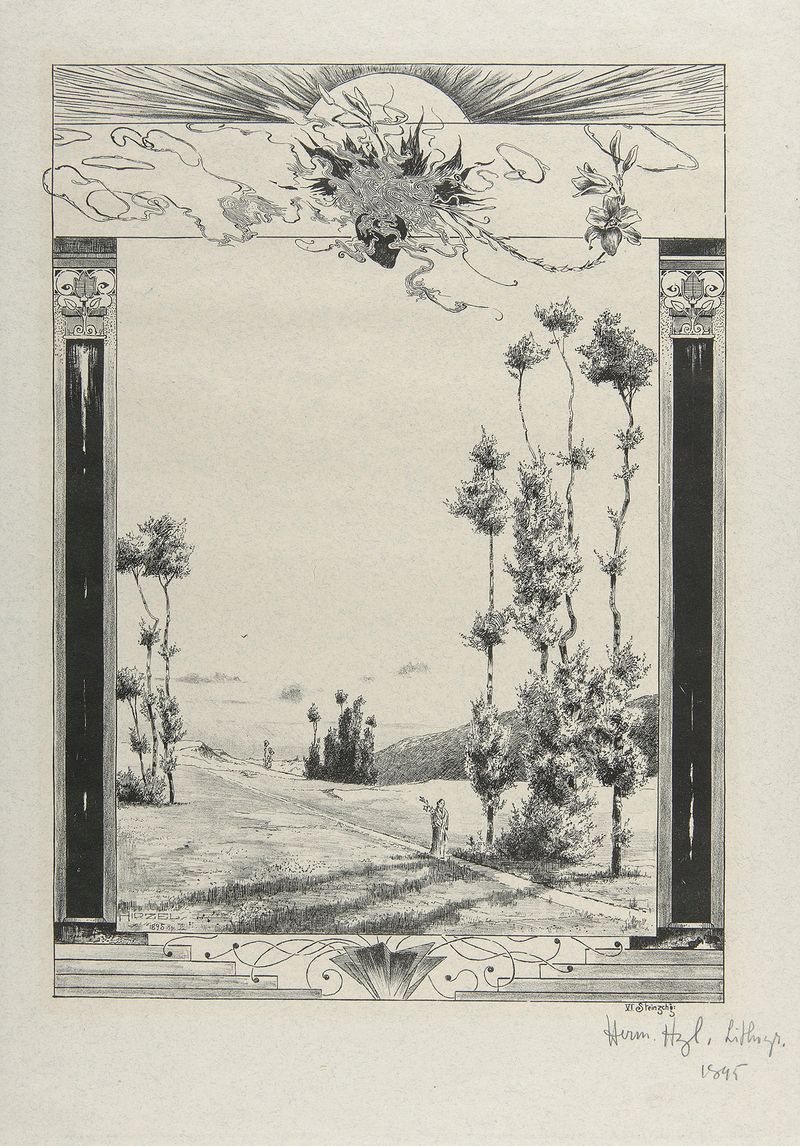
The vivid greens evoke life and growth, while the golden hues hint at the passage of time, suggesting a bittersweet beauty that is fleeting. There is a sense of nostalgia here, as if the willows themselves bear witness to stories of resilience and loss, reminding us that beauty can often stem from deep-rooted pain. In 1895, Hermann Hirzel painted Willows during a period of personal and artistic struggle. Working in Switzerland, he was influenced by the burgeoning Impressionist movement, which sought to capture the immediacy of light and emotion.
This period marked a transition in Hirzel’s style as he explored the tension between realism and the ethereal, reflecting both his own life experiences and the evolving dialogue in the world of art.