Mondscheinphantasie — History & Facts
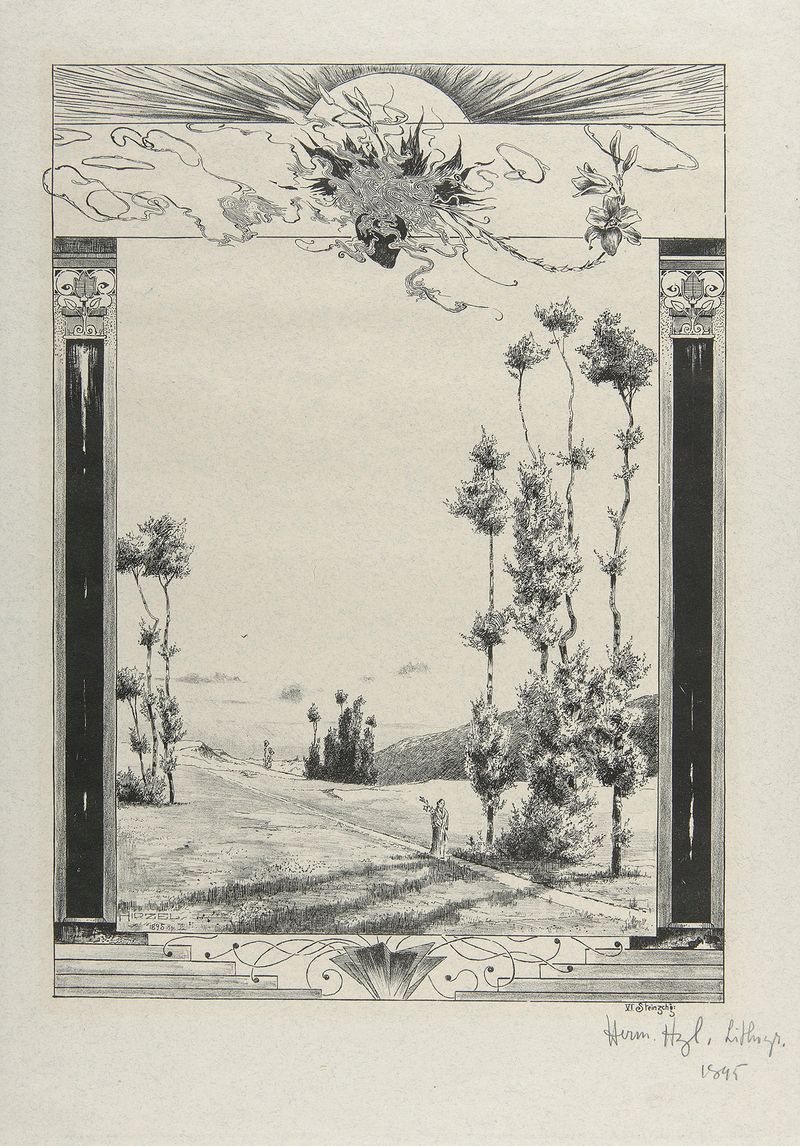
What if silence could speak through light? The soft glow of moonlight, gentle yet profound, weaves a narrative that evokes a sense of innocence and wonder, inviting us into a dreamlike state. Look to the center of the canvas, where a delicate interplay of silvery hues melds seamlessly with deep blues. Notice how the moon’s luminescence bathes the landscape, creating elongated shadows that dance upon the soft earth. The flowing brushstrokes capture the serene movement of the night, while the subtle gradients evoke a feeling of tranquility and introspection.
Each stroke seems to whisper secrets of the night, drawing the viewer deeper into its enchanting atmosphere. Yet, beneath this calm façade lies a poignant tension. The juxtaposition of light and dark suggests an underlying complexity, hinting at the interplay between innocence and the inevitable passage of time. The trees, tall and looming, appear both protective and foreboding, reminding us of the fragile nature of youth.
In this landscape, innocence is cherished yet fleeting, as if the moonlight itself might vanish with the dawn. Hermann Hirzel painted this work in 1895, during a period of personal exploration and artistic growth. Living in Germany, he was influenced by the Symbolist movement, which sought to express emotions through symbolism and color. In the backdrop of a rapidly changing world, Hirzel found solace in nature and the quietude of night, reflecting his desire for a deeper connection to the innocent beauty that surrounds us.