Autumn — History & Facts
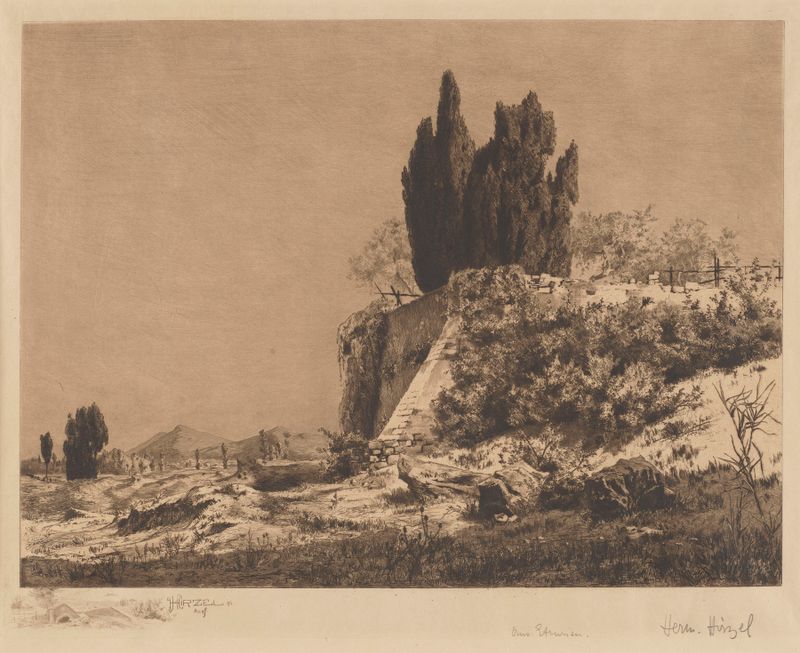
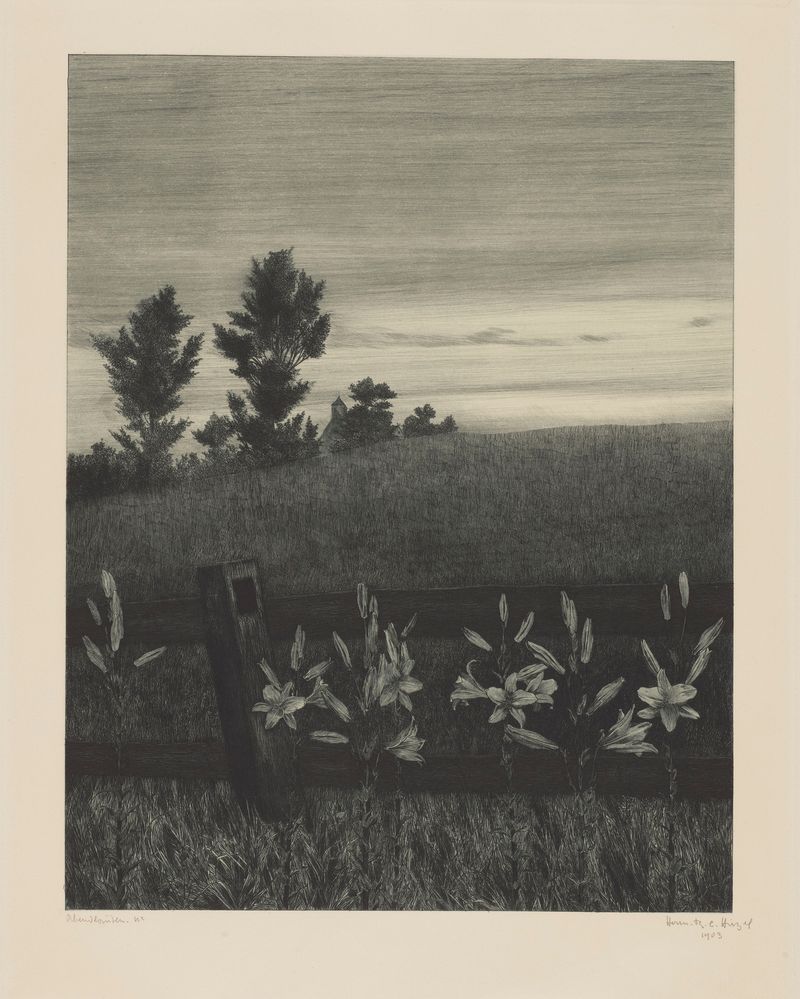
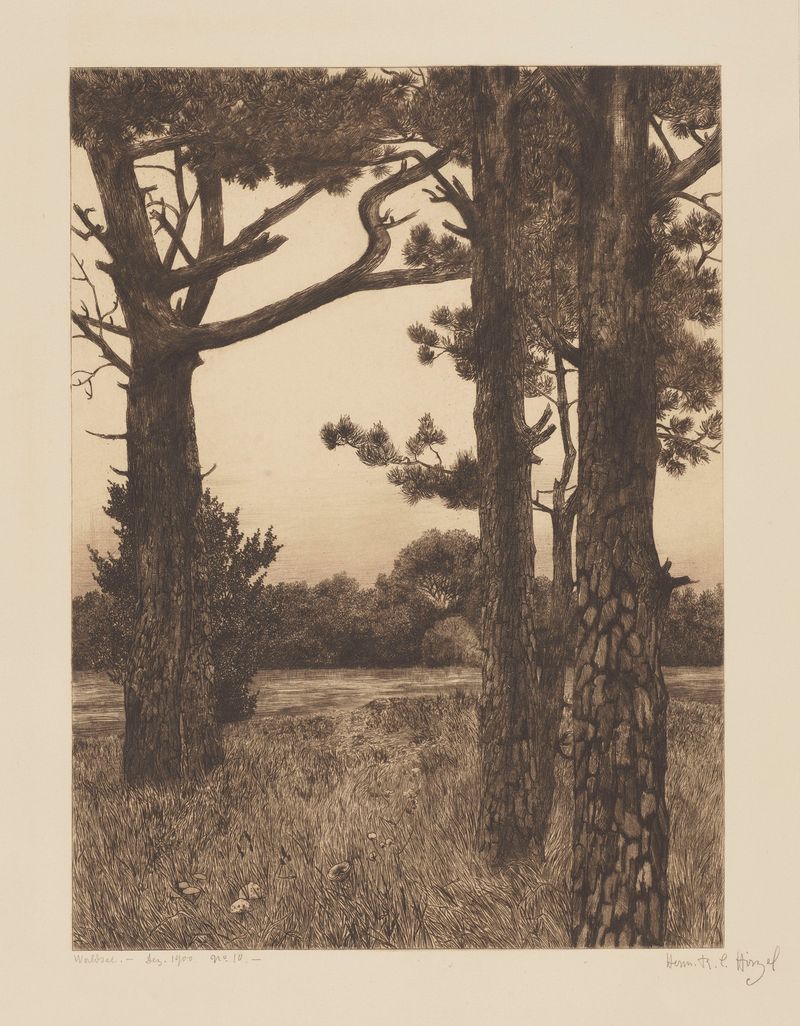
Could a single brushstroke hold eternity? In Autumn, the subtle madness of nature is laid bare, inviting the viewer to ponder the transience and tumult of life as seasons shift. Look to the upper left at the vibrant orange leaves, swirling like whispers of a forgotten dream. The artist employs a palette that dances between ochres and deep reds, creating a vivid tapestry that captures the essence of decay and renewal. Notice how each stroke varies in intensity, allowing the foliage to burst forth with emotion, while the muted background gently cradles the chaos, outlining the fragility of this moment. The contrast between the lively colors of the leaves and the darkening sky evokes a sense of impending change, a bittersweet reminder of what is to come.
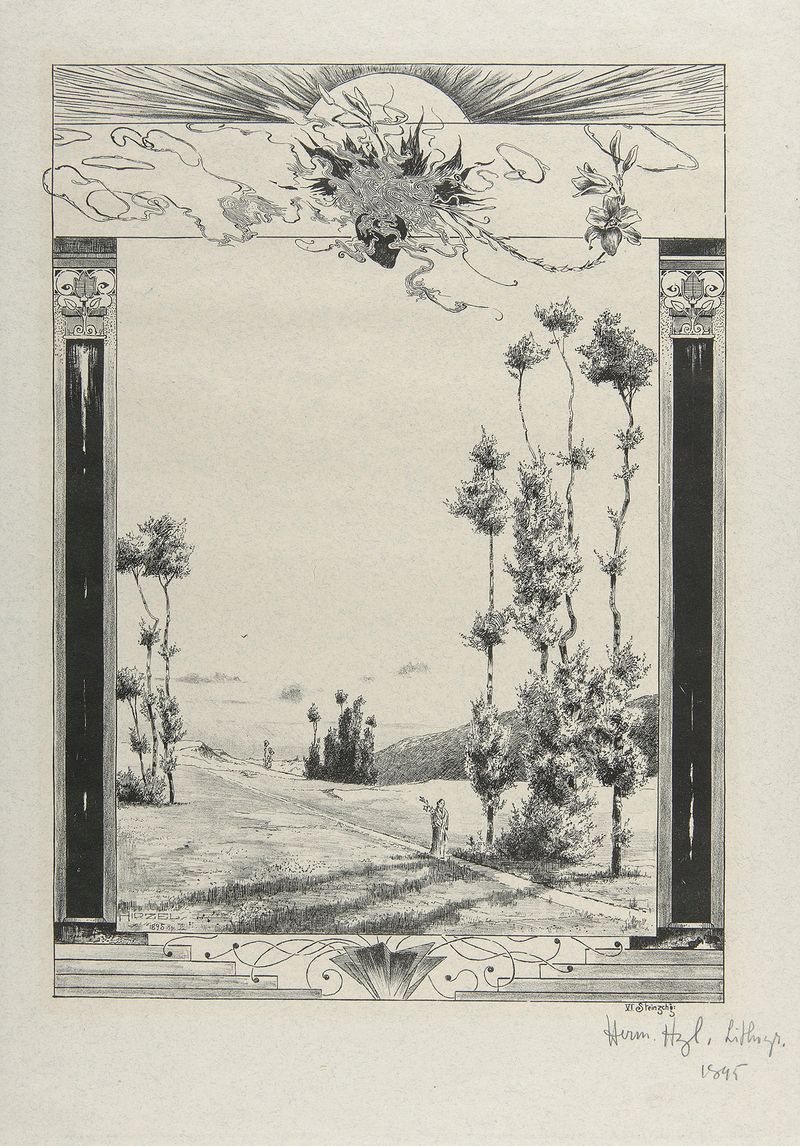
The swirling brushwork feels almost frenzied, suggesting a connection to the inner turmoil of both the landscape and its beholder. This tension between beauty and madness resonates with the viewer, compelling them to reflect on their own experiences of loss and transformation. In 1895, the artist found himself navigating a world caught in the throes of modernization and existential questionings. Living in Germany, Hirzel was deeply influenced by the burgeoning movements in art, grappling with the tension between tradition and innovation.
The painting resonates with a sense of urgency that echoes the artist's own exploration of light, shadow, and the emotional depth found within the changing seasons of life.