At the White Mountains — History & Facts
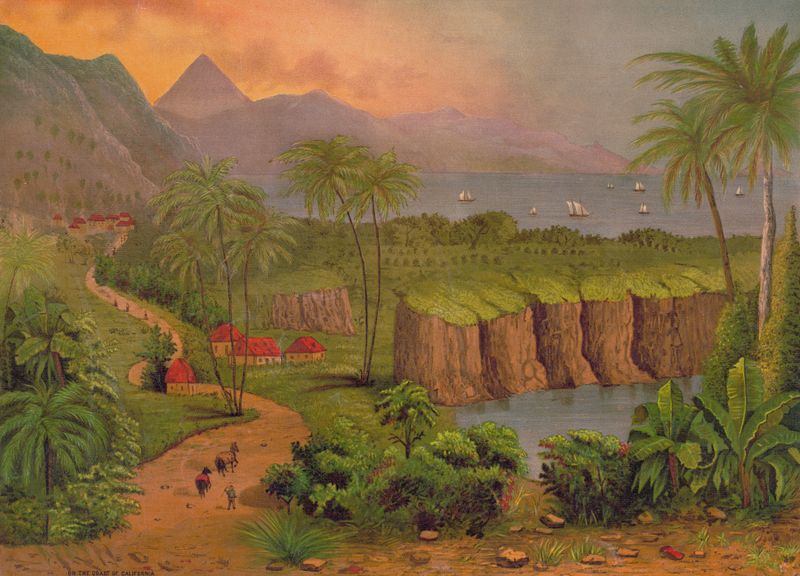
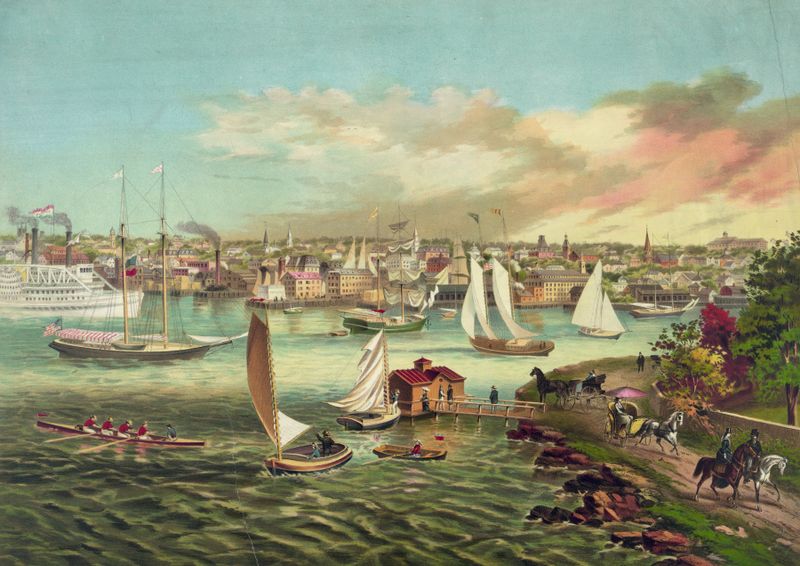
In At the White Mountains, the passage of time unfurls against a backdrop of mountains that hold stories of their own, standing resolute in the face of change. Look to the left where the rugged peaks rise sharply against a clear sky, their textures rendered with a meticulous hand that captures the essence of their solidity. Notice how the warm hues of autumn foliage contrast with the cool blues and grays of the stone, creating a dialogue between earth and sky. The arrangement draws the viewer's gaze upward, as if inviting us to ponder the enduring majesty of nature while reflecting on our fleeting existence. The emotional tension in this artwork lies in the juxtaposition of the ephemeral and the eternal.
Small details—a solitary figure traversing the landscape—remind us of our place within this expansive realm, invoking feelings of solitude against the vastness of time and nature. The interplay of light and shadow further heightens this contrast, suggesting that while seasons may change, some elements remain steadfast—nature’s quiet resilience. In 1875, Gleason created this piece during a period marked by burgeoning appreciation for American landscapes. The Hudson River School had paved the way for a focus on natural beauty, and artists were increasingly drawn to the richness of their own surroundings.
This painting, rooted in the heart of New England, reflects both his personal connection to the land and the broader artistic movement that sought to celebrate the American wilderness.