Central Park, New York — History & Facts
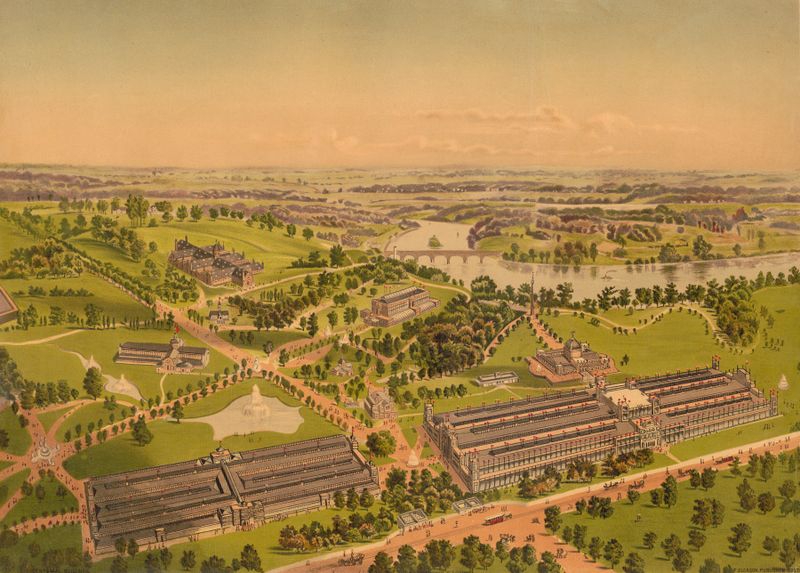
Who listens when art speaks of silence? In Central Park, New York, the stillness of the moment invites contemplation, unraveling layers of truth hidden within a bustling city. Look to the left, where a winding path invites viewers into the heart of the park. Each stroke of Gleason’s brush captures the lush greenery, while dappled sunlight filters through the leaves, creating a serene contrast against the urban backdrop. Notice how the vibrant palette of greens and blues communicates a sense of tranquility, while the scattered figures, small and distant, hint at the human presence within the park's embrace. As you explore the canvas further, consider the interplay between nature and civilization.
The park stands as a sanctuary amidst the chaos of New York City, a refuge where people can momentarily escape the noise of modern life. The solitary figures, some resting, others strolling, reflect an array of emotions—melancholy, joy, and introspection—all encapsulated in their stillness. This juxtaposition of nature's calm with the city's pulse reveals a poignant commentary on the human experience. F.
Gleason painted Central Park, New York in 1875, during a transformative period in American art. The rise of the Hudson River School had paved the way for an appreciation of landscapes, yet the burgeoning urbanization of cities like New York prompted artists to capture not only nature but the human relationship with it. Gleason's work serves as both a snapshot of a moment in time and a reflection of society’s evolving narrative.