Niagara Falls, N.Y. — History & Facts
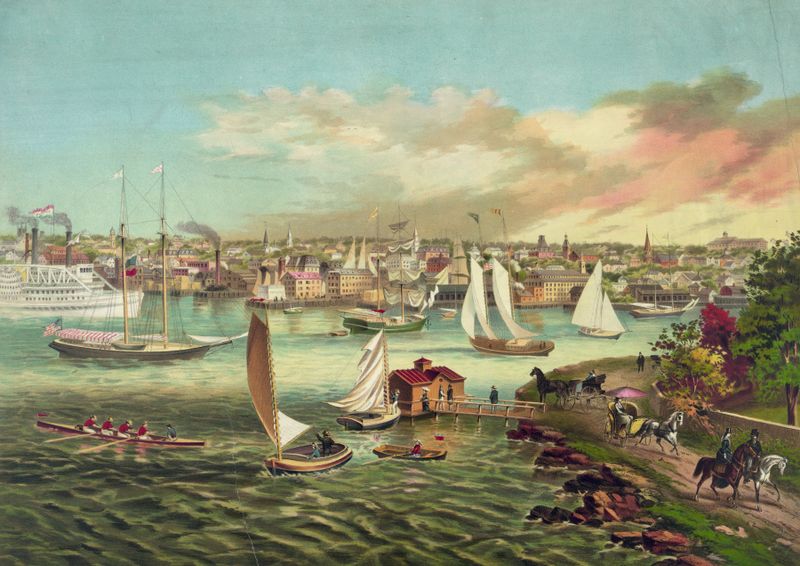
When did color learn to lie? Beneath the vibrant hues of the cascading waters lies an unsettling truth, a sense of betrayal woven within the beauty of nature. Look to the left at the panoramic sweep of gleaming blues and greens that dominate the foreground. The ferocious rush of water, captured in mid-fall, creates a dynamic sense of movement, drawing your gaze toward the brink of the falls. Notice how the artist employs a palette of rich, deep colors to contrast with the delicate white foamy mist rising from the tumult below, creating a tension that evokes both awe and fear. Delve deeper into the painting's complexities.
The sunlight sparkles off the water's surface, but this brilliance is undercut by the looming presence of shadowy cliffs that seem to watch over the scene, almost as if nature itself is complicit in the betrayal of a tranquil moment turned violent. The gentle curves of the landscape juxtapose with the jagged edges of the rocks, suggesting that beauty and peril exist in an uneasy dance, a duality that can shift at any moment. F. Gleason painted this work in 1875 while situated in the United States, where the interest in natural landscapes was burgeoning.
The period was marked by the rise of the American Realism movement, which aimed to depict everyday life with an honest eye. The artist, well-known for his landscapes, embraced the burgeoning romanticism of the era while subtly infusing his work with a sense of emotional conflict that resonates to this day.