Au bord de l’Amstel — History & Facts
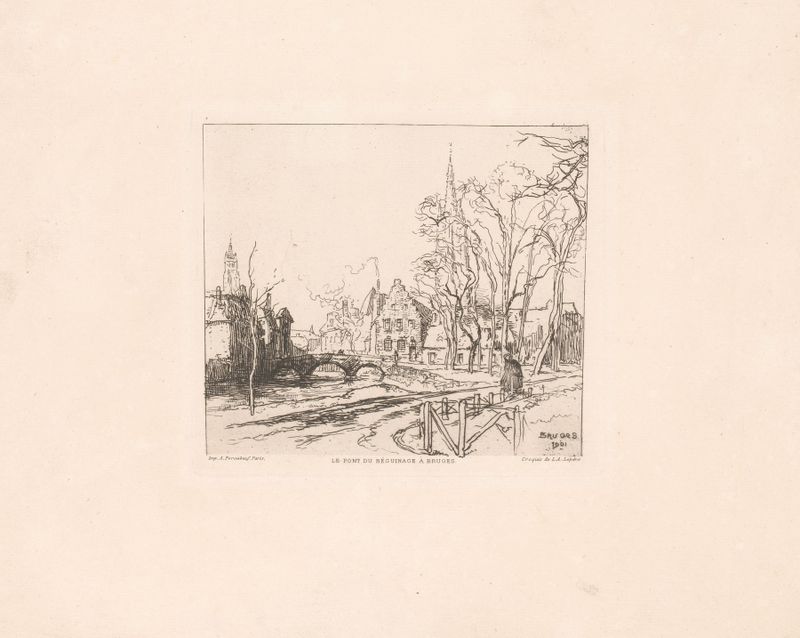
In Au bord de l’Amstel, the essence of legacy hums quietly beneath the surface, inviting contemplation of the past and its enduring impact. Look to the left, where vibrant greens and browns intertwine in a lush tapestry of nature, evoking a serene riverside. The brushwork is loose yet deliberate, capturing the gentle ripples of the Amstel River as they mirror the surrounding trees. Notice the warm tones that dance across the canvas, hinting at a late afternoon sun filtering through the leaves, casting intricate shadows that breathe life into the scene. Yet, beneath this tranquil façade lies a profound contrast.
The quietude of the landscape serves as a backdrop for the fleeting nature of time. The fluidity of the water symbolizes change, while the rich, textured foliage speaks to the resilience of memory. Each element is a reminder of the delicate balance between what has been and what remains, urging the viewer to reflect on their own legacy and connection to the history of the land. In 1901, Auguste Lepère painted this work while living in France, a period marked by the rise of modernist movements that sought to break away from tradition.
While he was deeply engaged with printmaking, he continued to explore landscapes, often drawing inspiration from his travels. This piece reflects both his artistic evolution and the broader shift in the art world towards capturing the intimate relationship between humanity and nature.