Le pont du Beguinage à Bruges — History & Facts
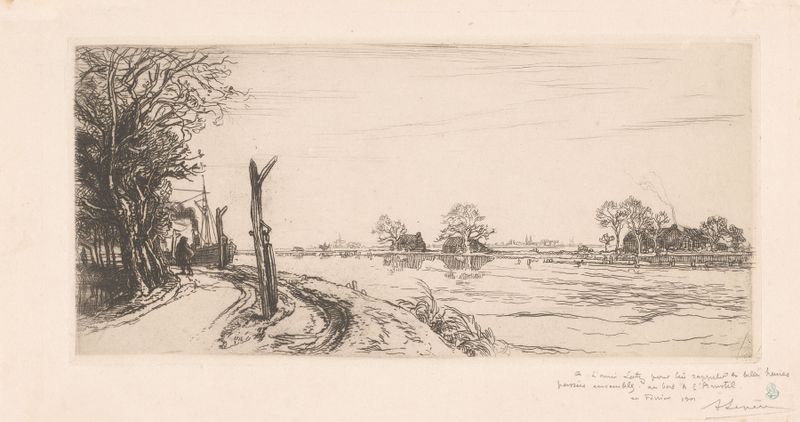
In the tranquil embrace of the Belgian landscape, hope emerges like dawn breaking over a shrouded horizon. Look to the left at the serene canal reflecting the gentle curves of the old buildings, their warm hues softened by the morning light. Notice how the subtle brushstrokes create a shimmering texture on the water’s surface, while the overhanging trees frame the scene, casting delicate shadows that dance across the bridge and cobblestones. The composition is masterful, leading the eye from the bridge’s arch to the reflections below, evoking a sense of peace that invites deeper contemplation. Beneath the surface lies a rich tapestry of contrasts – the solidity of the architecture against the fluidity of water, and the vibrant colors of nature juxtaposed with the muted tones of the human-made structures.
Each element holds its own story, from the sturdy bridge which promises connection, to the water that symbolizes the passage of time. This delicate interplay evokes a contemplative hope, suggesting that even in the stillness of a moment, life flows eternally forward. At the turn of the 20th century, when Le pont du Beguinage à Bruges was created, Auguste Lepère was deeply entrenched in the Impressionist movement in France. Living in Paris at the time, he faced the challenges of a rapidly modernizing world, yet he found solace and inspiration in the timeless beauty of landscapes and everyday scenes.
This piece reflects not only his personal journey but also the broader artistic desire to capture fleeting moments that resonate with the human experience.