Le Pont-Neuf (Paris) — History & Facts
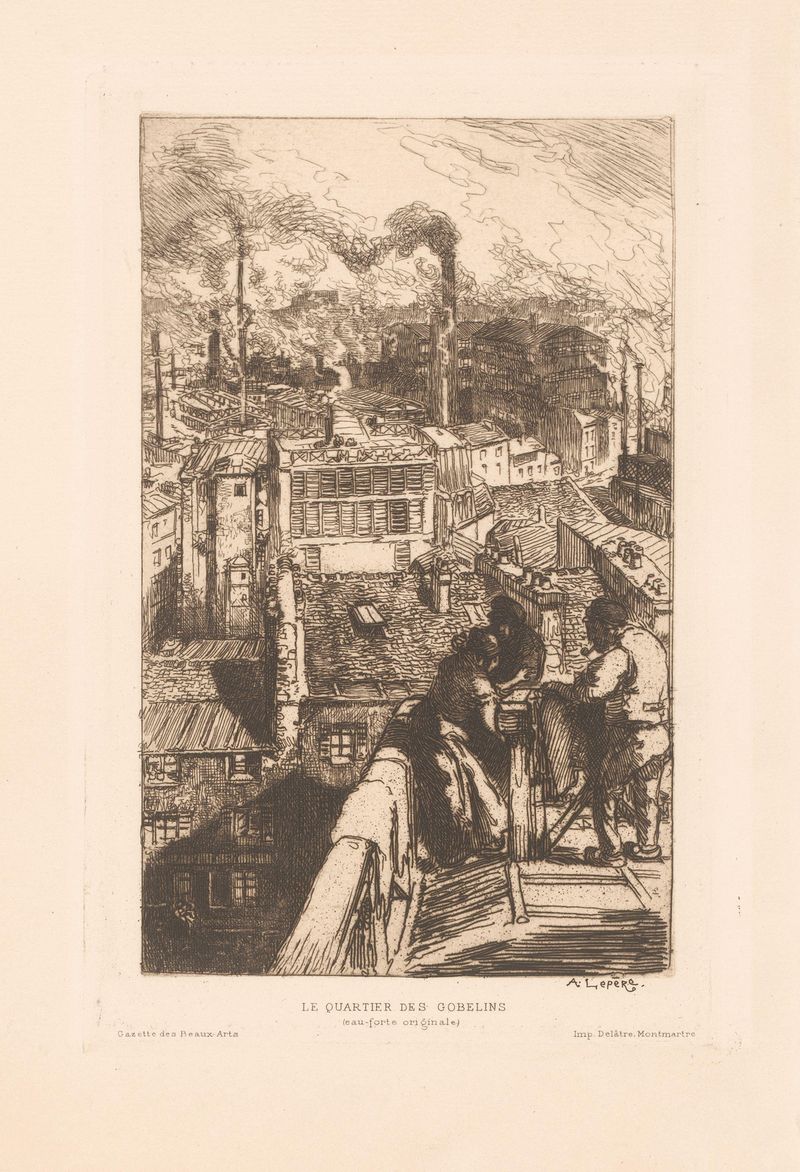
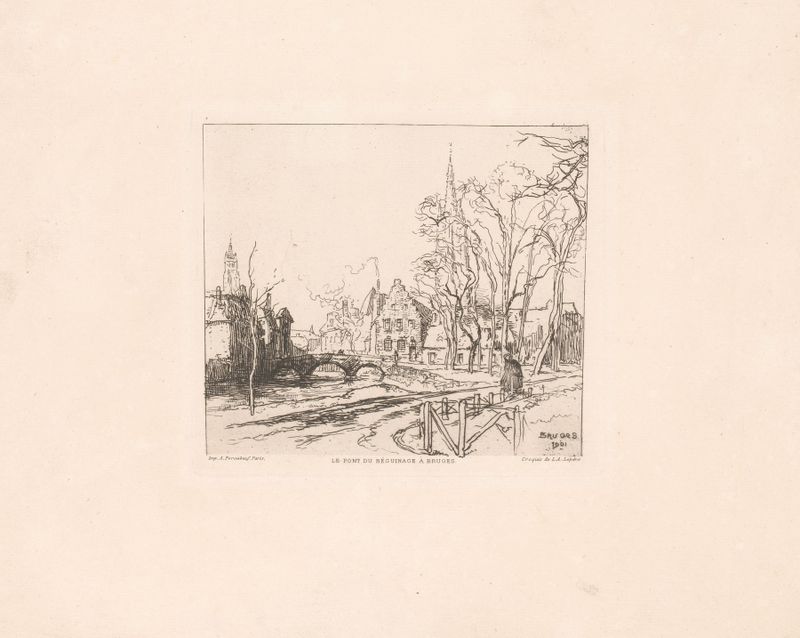
In a world painted by nostalgia, innocence glimmers like sunlight dancing on the Seine. The canvas invites us to recall moments of simplicity and wonder, whispering stories of a time when life flowed with youthful exuberance. Focus on the left side, where the bridge emerges, its arches gracefully framing the serene flow of the river. The delicate interplay of blues and greens captures the essence of Paris, while soft earth tones ground the scene with warmth and familiarity.
Notice how the light reflects off the water, creating shimmering highlights that beckon you to pause and breathe in the tranquil atmosphere. Each stroke is intentional, weaving a tapestry of emotion that blurs the lines between reality and memory. The bridge stands as both a literal and metaphorical connection between the past and present. The figures, seemingly lost in their own worlds, evoke the bittersweet nature of innocence, reminding us that cherished moments are often fleeting.
The contrast between the sturdy stone of the bridge and the fluidity of the river beneath speaks to the tension between permanence and transience—a reminder of life's ephemeral beauty. In 1913, Auguste Lepère painted this piece during a period of great artistic exploration in Paris. As a printmaker and painter, he was influenced by the Impressionist movement, which sought to capture the essence of everyday life. The city was a melting pot of creativity, as artists were beginning to embrace new techniques and perspectives, and Le Pont-Neuf stands as a testament to that vibrant spirit, a snapshot of both a city and the innocence of its time.