Le quartier des Gobelins — History & Facts
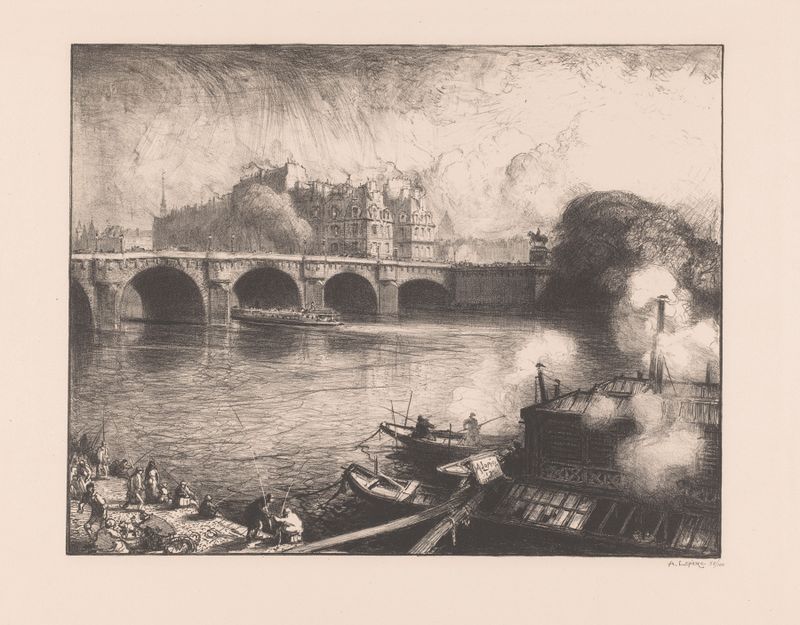
Is this a mirror — or a memory? A fleeting moment suspended in time illustrates the bittersweet beauty of decay, inviting reflections on what was and what remains. Look to the foreground, where the twisting forms of crumbling buildings intertwine with vibrant foliage. The muted palette of browns and grays contrasts strikingly with the bursts of green, guiding your gaze toward the intricacies of nature’s reclamation. Notice how the light gently washes over the scene, accentuating the textures of the worn surfaces and casting shadows that dance like echoes of forgotten lives. Behind the façade of decay lies a poignant story of resilience and transformation.
Each cracked wall and overgrown vine breathes life into the desolation, suggesting that beauty can exist alongside decline. The tension between the man-made and the natural world invites a meditation on permanence versus impermanence, urging viewers to consider their own memories entwined with spaces that once thrived. In the 19th century, as Le quartier des Gobelins came to life under the hand of Auguste Lepère, Paris was undergoing profound changes. The artist, inspired by the shifting urban landscape, sought to capture the soul of the city in transition.
At this time, his work reflected a growing fascination with the relationship between nature and industry, as the world of art began to embrace the ephemeral qualities of life, urging society to confront both beauty and decay.