
Auf Stauf a-Bruck — History & Facts
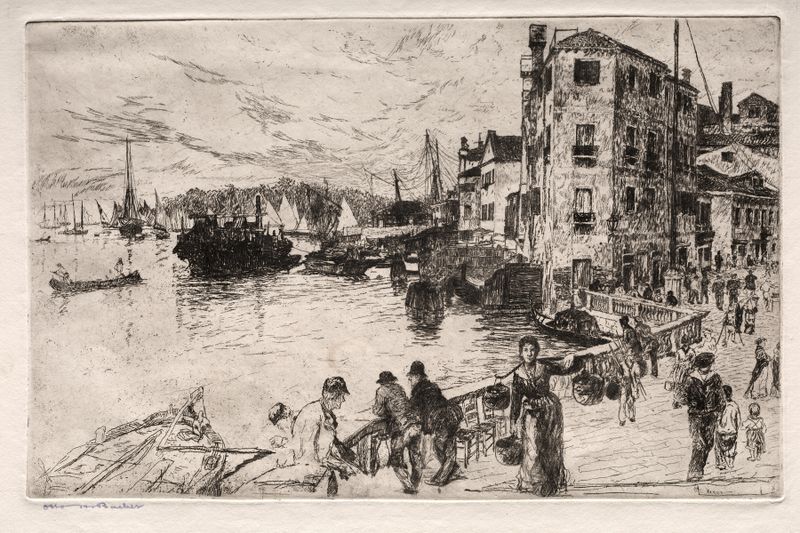
Who listens when art speaks of silence? In Auf Stauf a-Bruck, the essence of solitude resonates through the interplay of light and shadow, revealing a world where the visible and the imagined seamlessly intertwine. Look closely at the foreground, where a solitary figure stands on the bridge, casting a reflective gaze upon the calm waters below. The muted palette of browns and greens draws your eye, while the delicate strokes suggest a dreamy quality, as if the landscape were a whispered secret in the hush of twilight. Notice how Bacher captures the mist rising from the water's surface, creating an ethereal barrier between reality and illusion, inviting contemplation. Delve into the deeper layers of meaning: the bridge symbolizes a connection, yet also a threshold between the active world and the stillness of thought.
The figure, seemingly lost in reverie, embodies the tension between presence and absence, a reminder of the transient nature of human experience. The quietness of the scene may evoke a sense of yearning, as the viewer contemplates their own passage through time and space, becoming both observer and participant in the unfolding narrative. In 1879, while residing in Venice, Otto Henry Bacher painted this work during a time of personal reflection and exploration. Influenced by the Impressionist movement, he sought to capture fleeting moments of beauty and serenity in everyday life.
As he navigated the intersections of art and emotion, Bacher created a piece that resonates with the viewer, inviting them to listen closely to the silences woven within the fabric of the landscape.
More Artworks by Otto Henry Bacher
Browse all →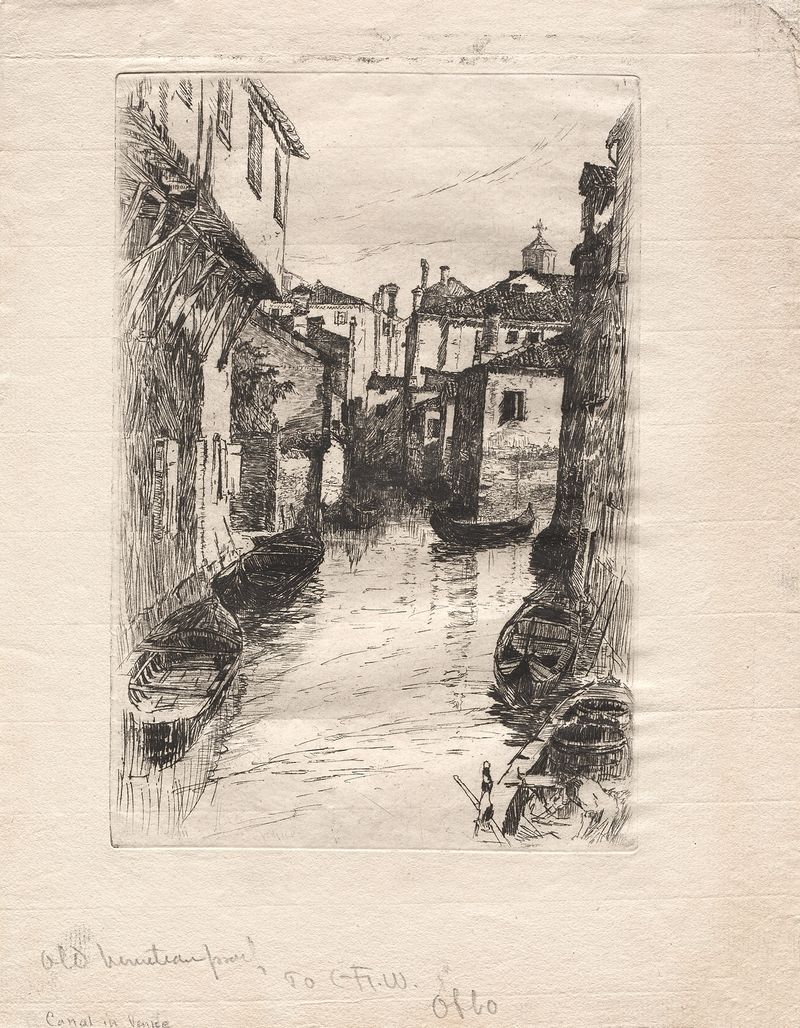
Canal in Venice
Otto Henry Bacher
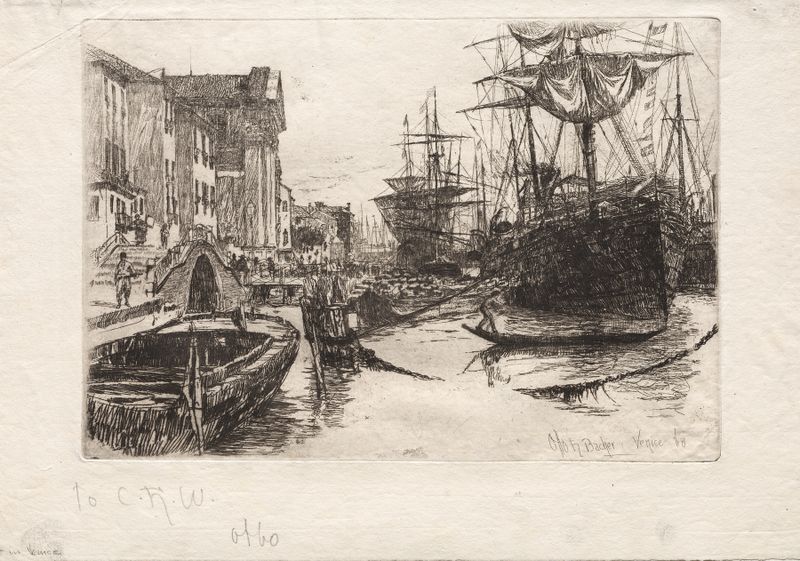
View in Venice
Otto Henry Bacher
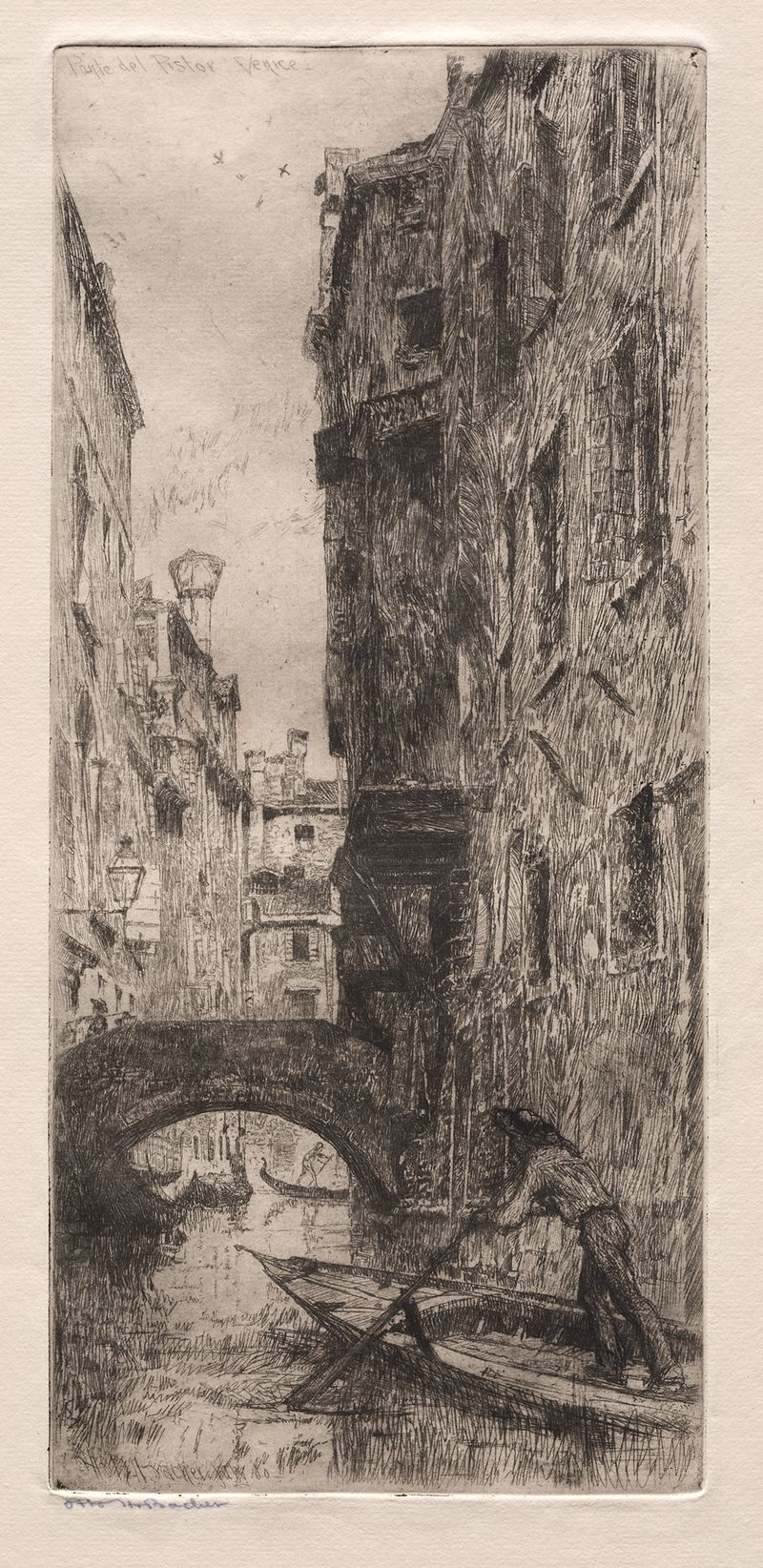
Ponte del Pistor, Venice
Otto Henry Bacher
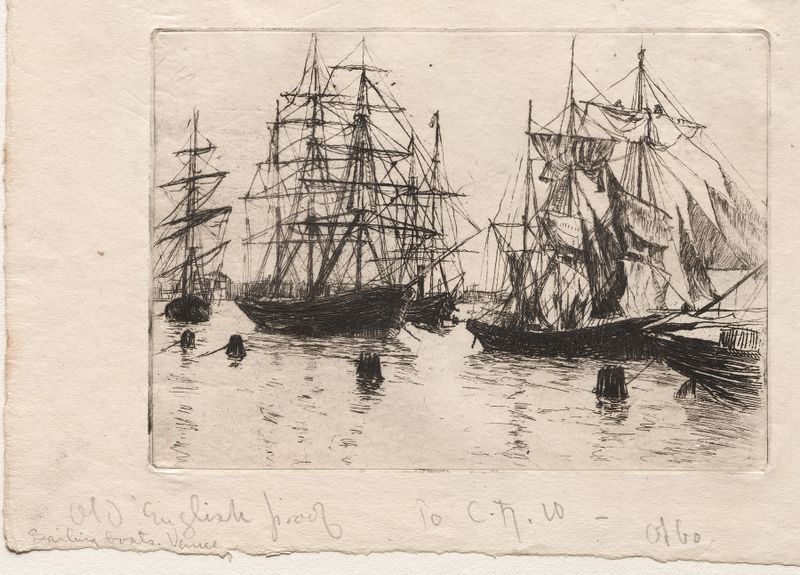
Sailing Boats, Venice
Otto Henry Bacher
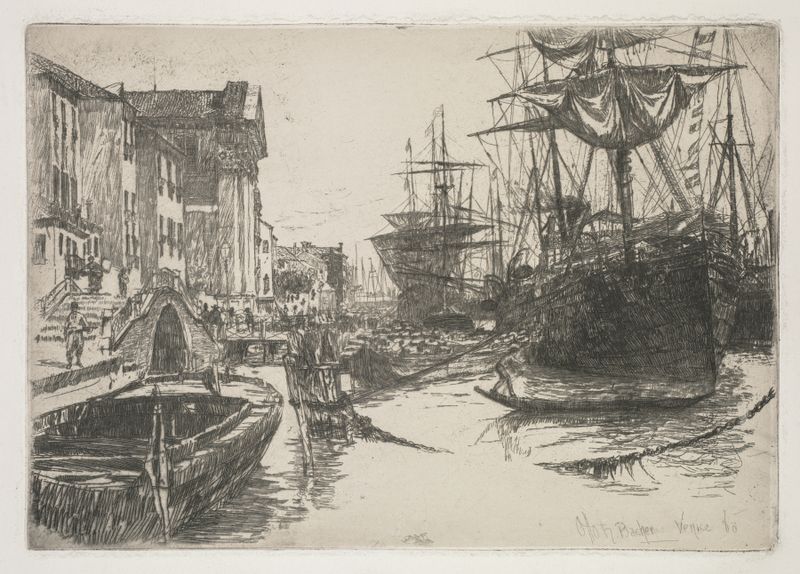
Fondamenta della Zattere
Otto Henry Bacher
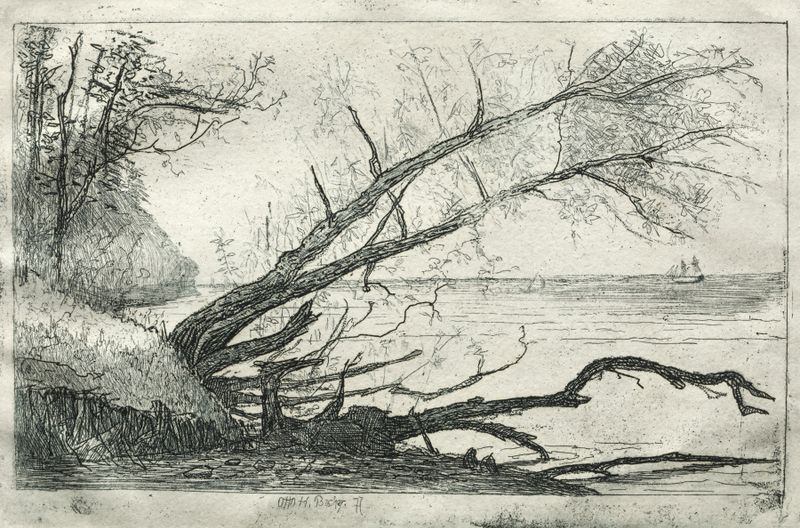
Old Sycamore
Otto Henry Bacher
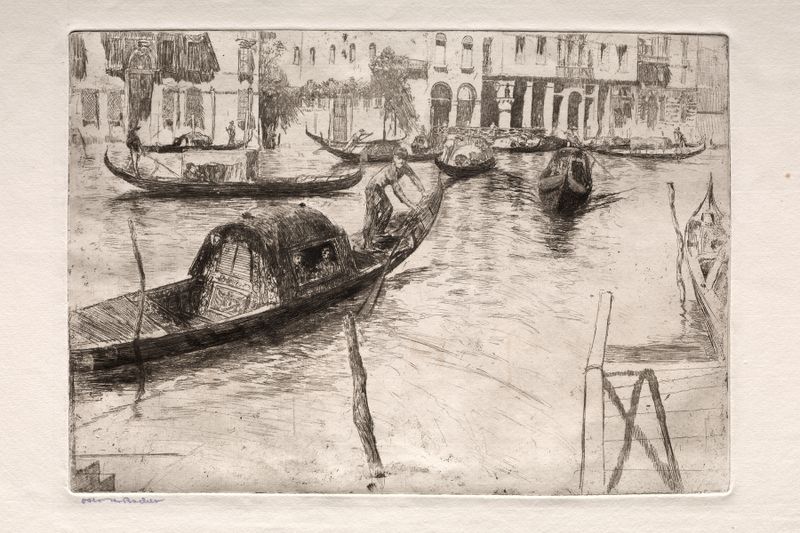
Traghetto San Felice
Otto Henry Bacher
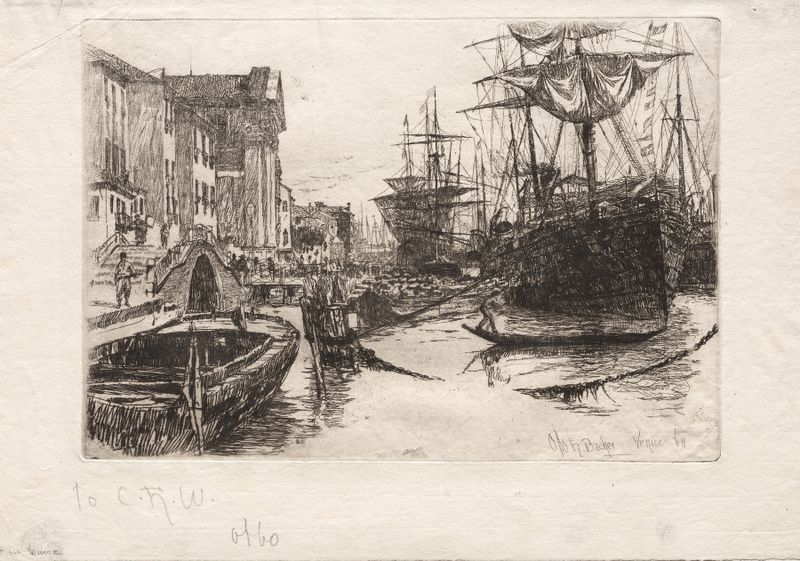
View in Venice
Otto Henry Bacher
Castello Quarters, Riva
Otto Henry Bacher
St. Clair Street, Cleveland
Otto Henry Bacher





