Aus Franken — History & Facts
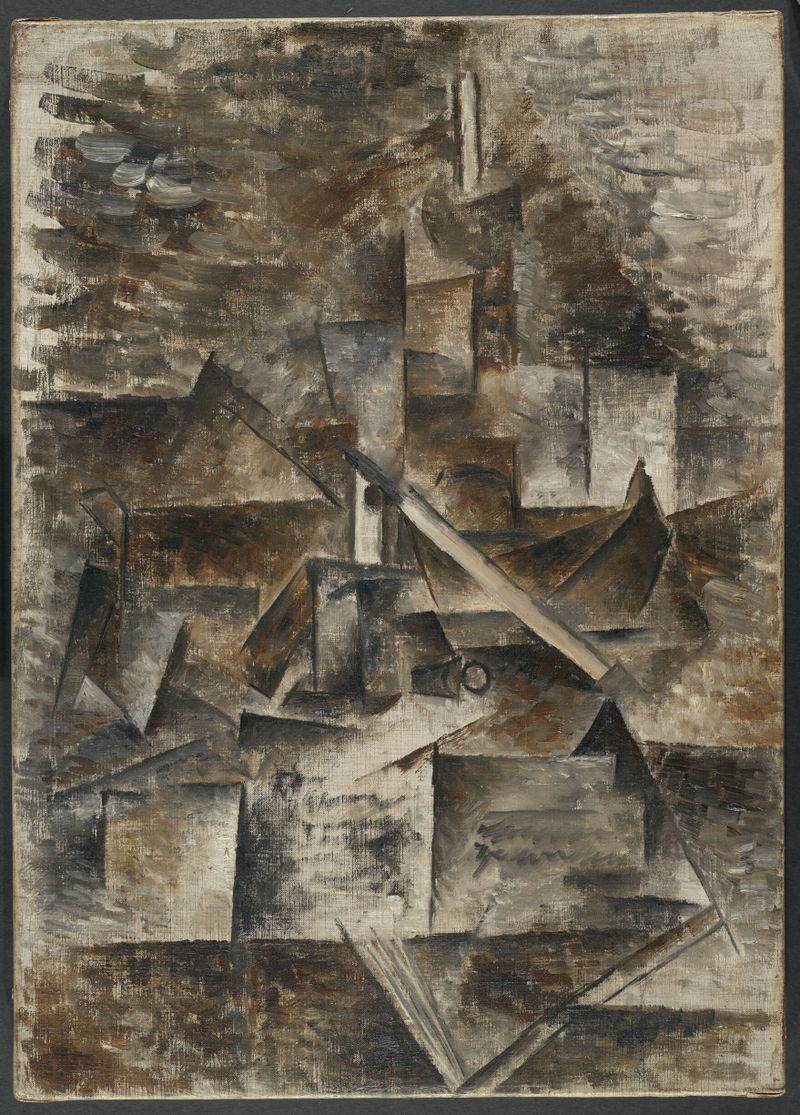
Where does light end, and longing begin? In a world touched by echoes of the past, the delicate interplay of light and shadow serves as a gentle reminder of the legacies we carry. Look to the center of the canvas, where a soft golden glow emerges, illuminating a worn wooden table scattered with remnants of a life once lived—letters, an inkwell, and faded photographs. The artist’s choice of muted earth tones envelops the viewer, inviting reflection on both the tangible objects and the memories they evoke. Notice the gentle brushstrokes that create an almost tactile quality, suggesting a warmth that contrasts with the somber shades surrounding them. This combination of light and shadow beautifully encapsulates the tension between nostalgia and acceptance.
The objects are not merely relics but vessels of emotion, whispering stories of love and loss. They invite the viewer to ponder the passage of time and the weight of history, as each item seems to hold secrets yearning to be uncovered. The stillness of the scene evokes a sense of contemplation, prompting us to consider what remnants of our own past we choose to carry forward. In 1910, Otto Geigenberger was navigating the complex landscape of early 20th-century art in Germany, a time marked by profound social and political change.
As movements like Expressionism began to emerge, he explored themes that resonated deeply within the human experience, reflecting both personal and collective histories. Aus Franken embodies this search for meaning, inviting us to connect with our own legacies through the intimate lens of memory.
More Artworks by Otto Geigenberger
Browse all →
Hohe Munde bei Seefeld in Tirol
Otto Geigenberger
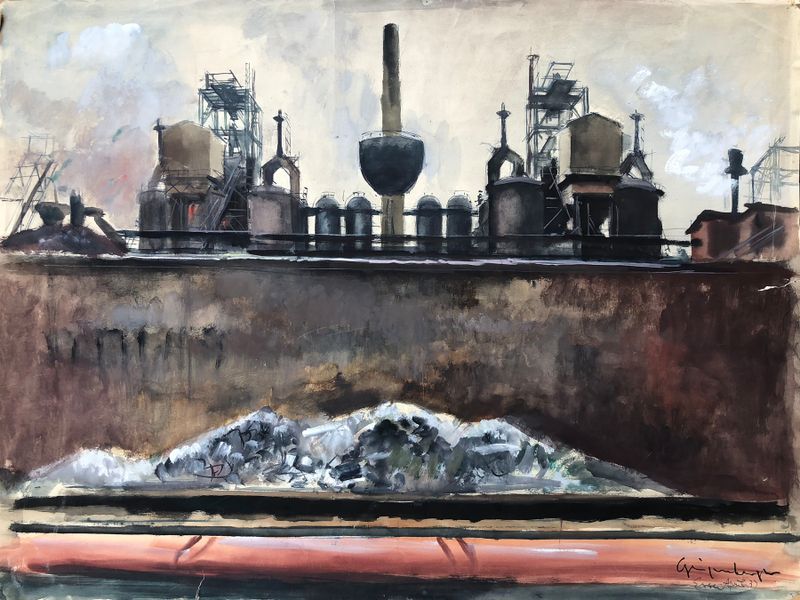
Stahlwerk Krupp in Essen
Otto Geigenberger

Landschaft mit Kirche
Otto Geigenberger

Passau am Inn 2
Otto Geigenberger
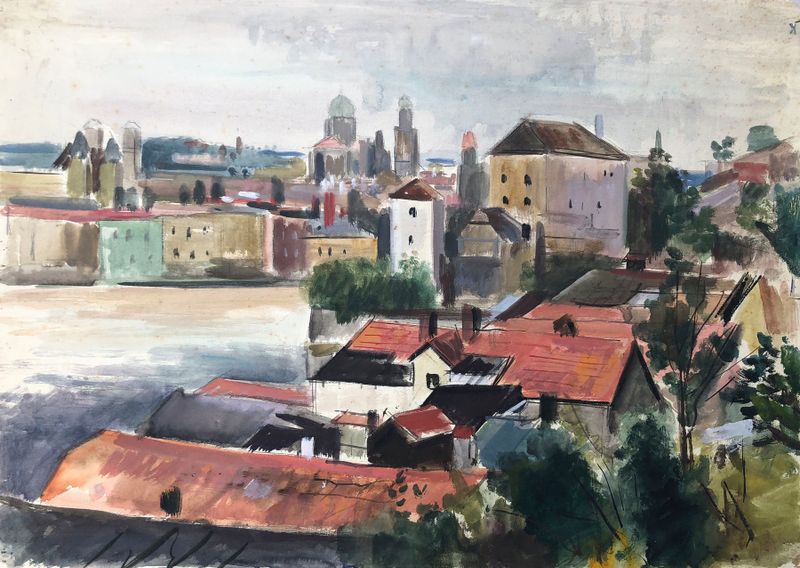
Passau am Inn
Otto Geigenberger
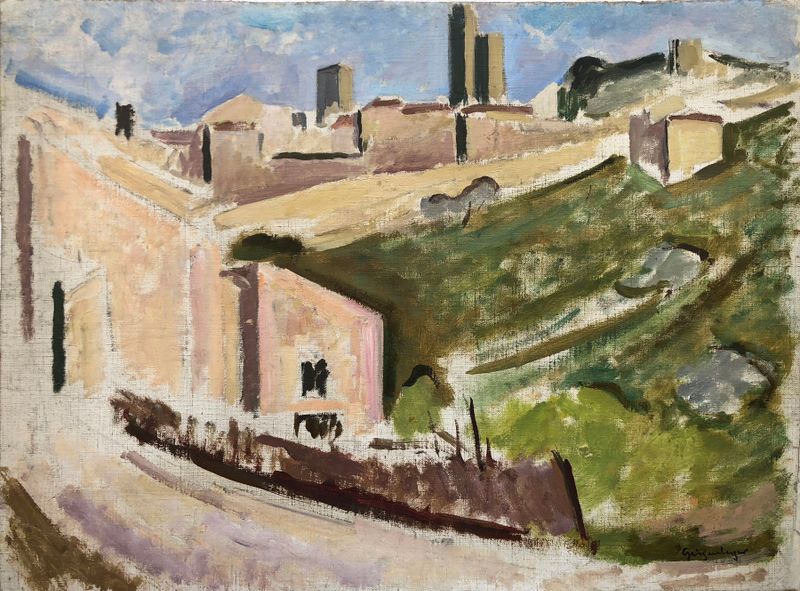
Südliche Stadt auf einem Hügel
Otto Geigenberger

Wasserburg am Inn – Häuserpartie am Inn
Otto Geigenberger

Wasserburg am Inn – Innfront
Otto Geigenberger
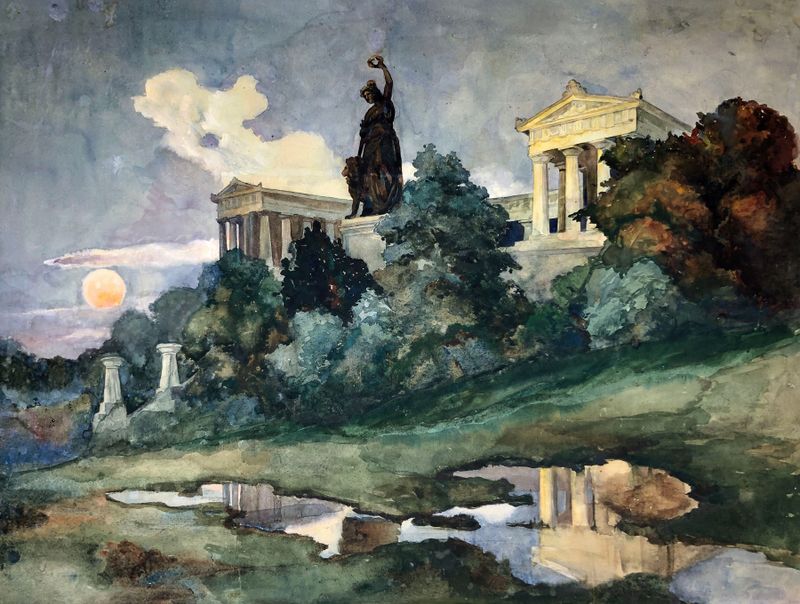
Sonnenuntergang an der Bavaria und Ruhmeshalle in München
Otto Geigenberger
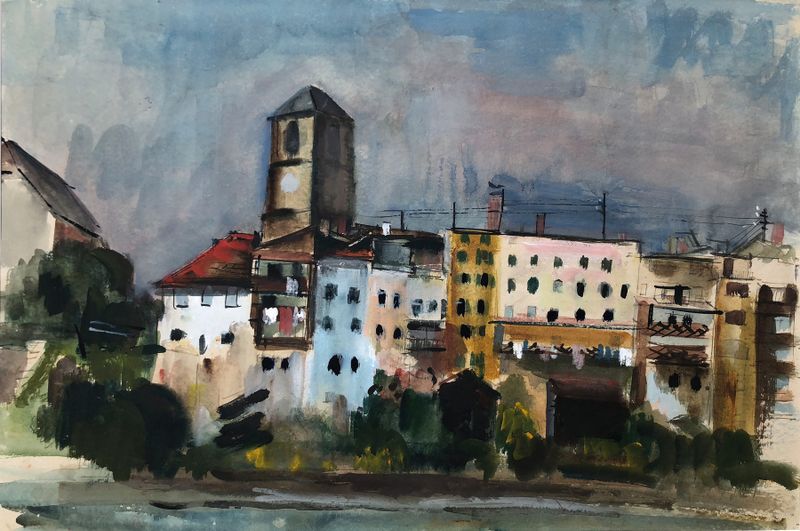
Wasserburg am Inn – Innfront.
Otto Geigenberger