
Australischer Urwald — History & Facts
This profound truth echoes through the lush depths of nature, where every moment offers a glimpse of something transcendent, yet fleeting. It beckons us to explore the delicate relationship between beauty and hardship, igniting a deep emotional resonance that lingers in the mind. Focus first on the vibrant greens that envelop the canvas, drawing you into the heart of the forest. The intricate layering of foliage invites your eyes to wander, as dappled sunlight filters through the canopy, illuminating the hidden paths of the underbrush.
Notice the contrasting textures—the smoothness of the leaves against the rough bark—each stroke of paint revealing the artist’s mastery of light and shadow, creating a rich sensory experience that pulses with life. Yet, beneath this serene facade lies a tension between chaos and tranquility. The intertwining branches suggest a wildness that speaks to both the beauty and the brutality of nature. Small creatures, barely perceptible, hint at unseen struggles and the cycle of life and death, urging the viewer to reflect on their own vulnerabilities.
This duality encapsulates the essence of existence, where moments of joy often come hand-in-hand with sorrow. In 1867, Joseph Selleny painted Australischer Urwald during a time when the art world was grappling with the burgeoning ideas of realism and the romantic portrayal of nature. Living in a society fascinated by exploration and the exotic, Selleny sought to capture the untouched beauty of the Australian wilderness, reflecting both a personal and collective longing for connection with the natural world amidst the encroaching changes of the Industrial Revolution.
More Artworks by Joseph Selleny
Browse all →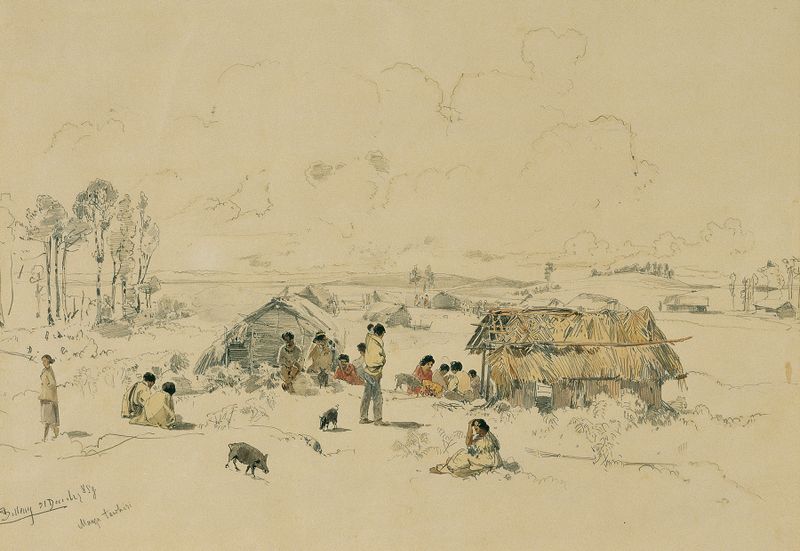
Maori-Dorf am Fluss Mangatawhiri, Auckland (Neuseeland)
Joseph Selleny
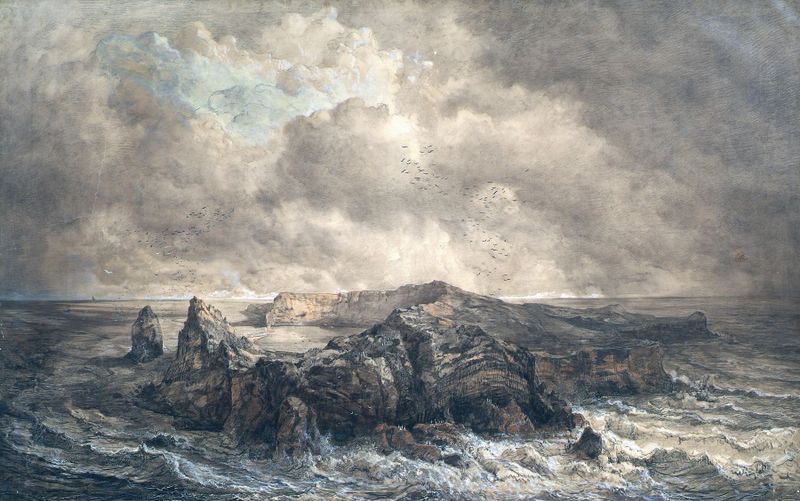
Die Insel St. Paul im Indischen Ozean
Joseph Selleny
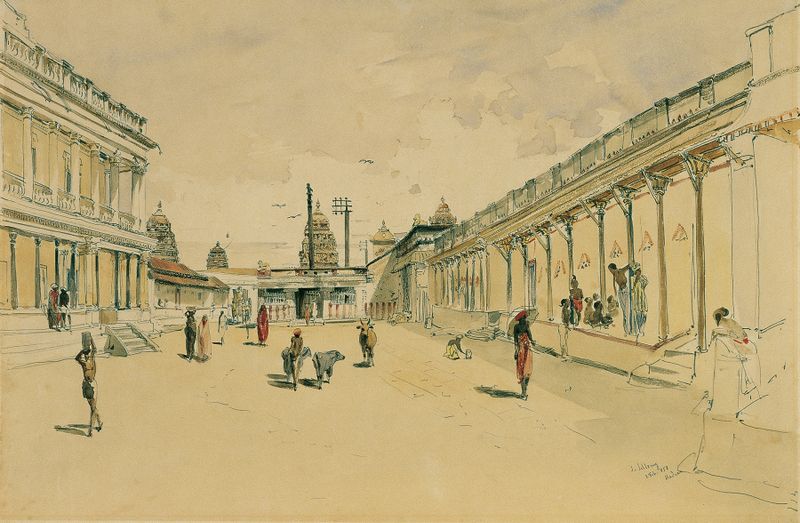
Straße in Madras mit einem Tempel
Joseph Selleny
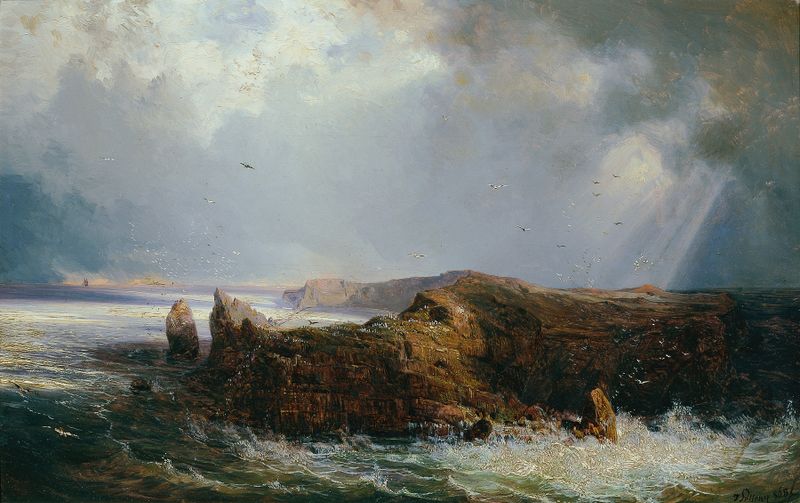
Die Insel St. Paul im Indischen Ozean
Joseph Selleny
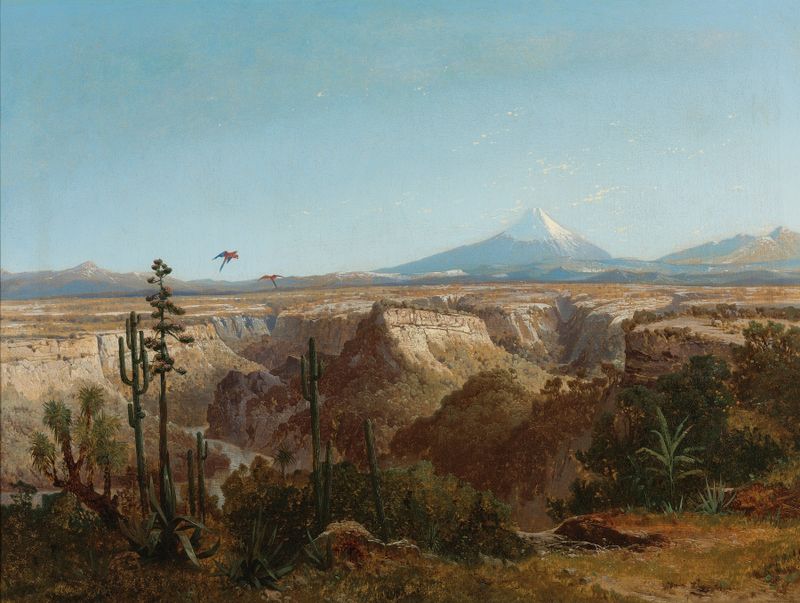
View Of The Atacama Desert In Chile With The Licancabur Volcano In The Background
Joseph Selleny
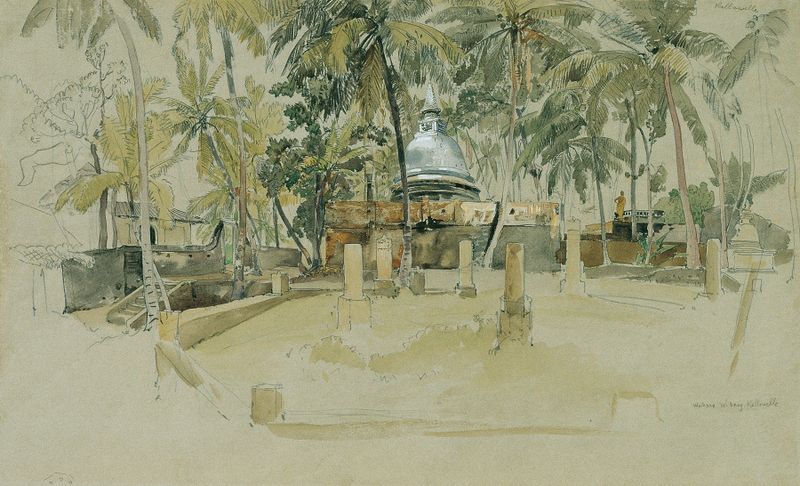
Buddhistischer Tempel auf Ceylon (Sri Lanka)
Joseph Selleny
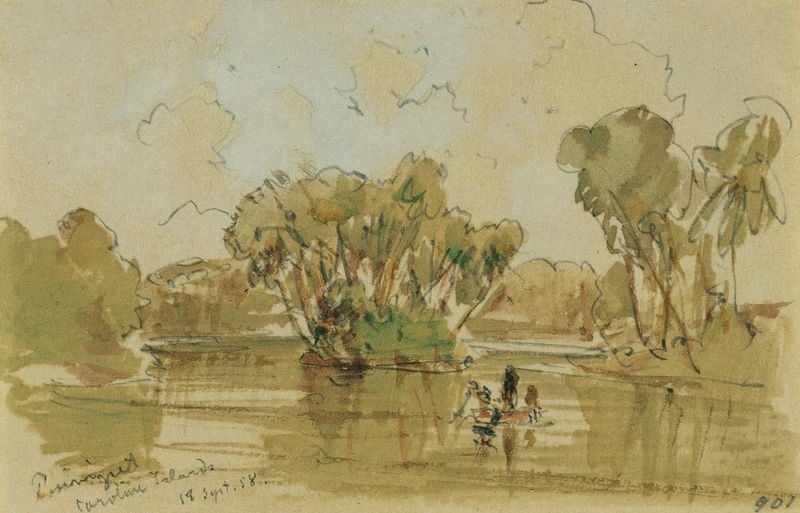
Landschaft auf der Insel Puinipet (Ponape), Caroline Islands
Joseph Selleny
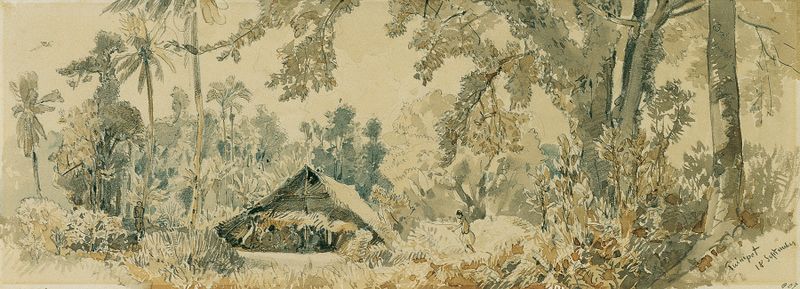
Eingeborenenhütte auf der Insel Puinipet (Ponape), Caroline Islands
Joseph Selleny

Haus des Roankiddi-Häuptlings auf der Insel Puinipet (Ponape), Caroline Islands
Joseph Selleny
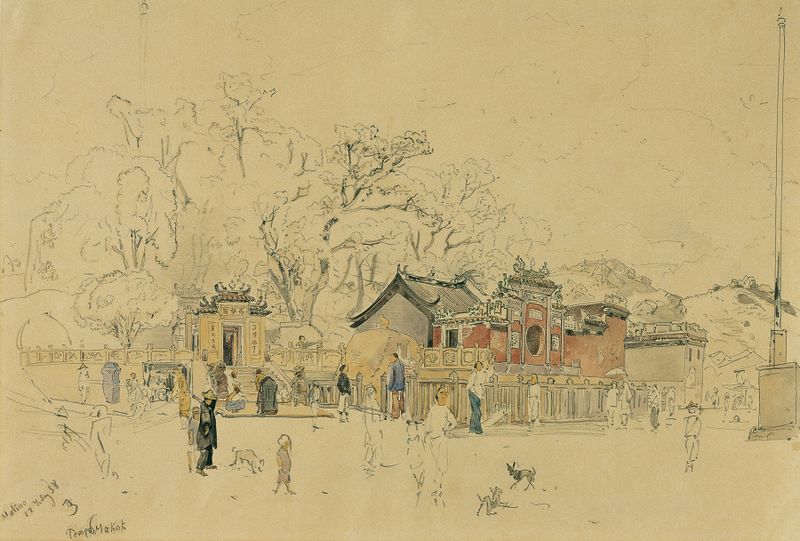
Der Tempelhain Makok auf der Halbinsel Macao
Joseph Selleny





