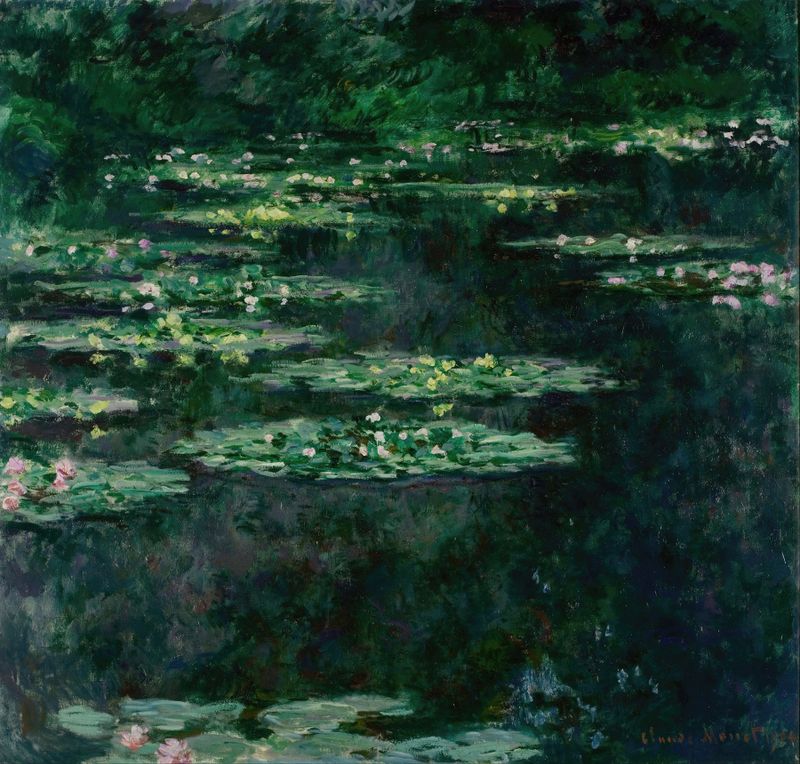
Automne À Jeufosse — History & Facts
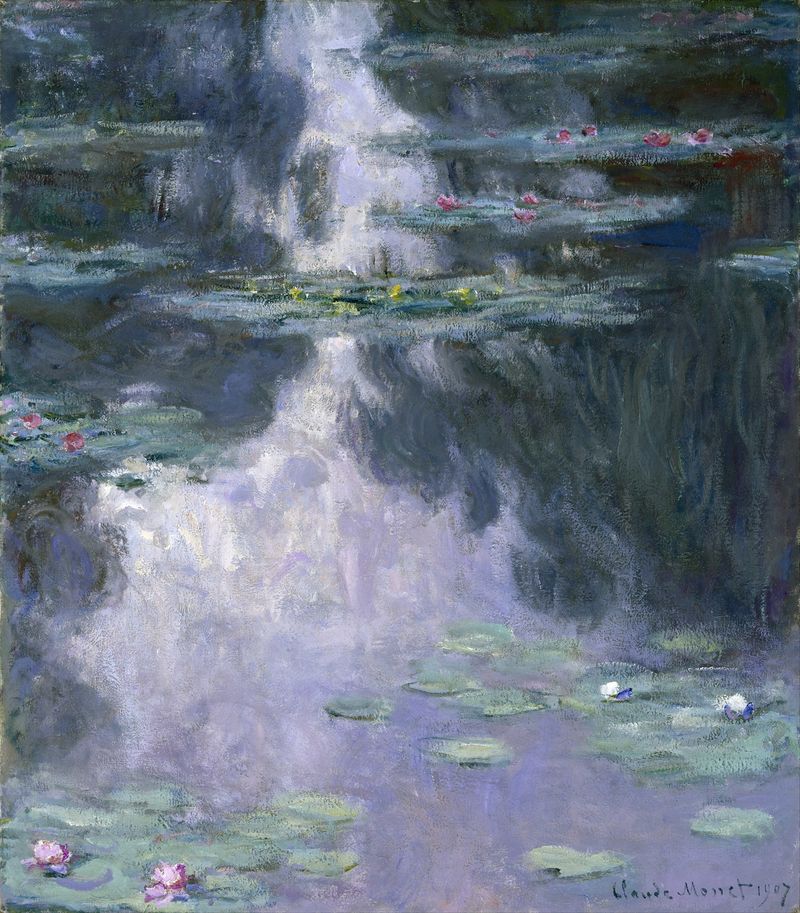
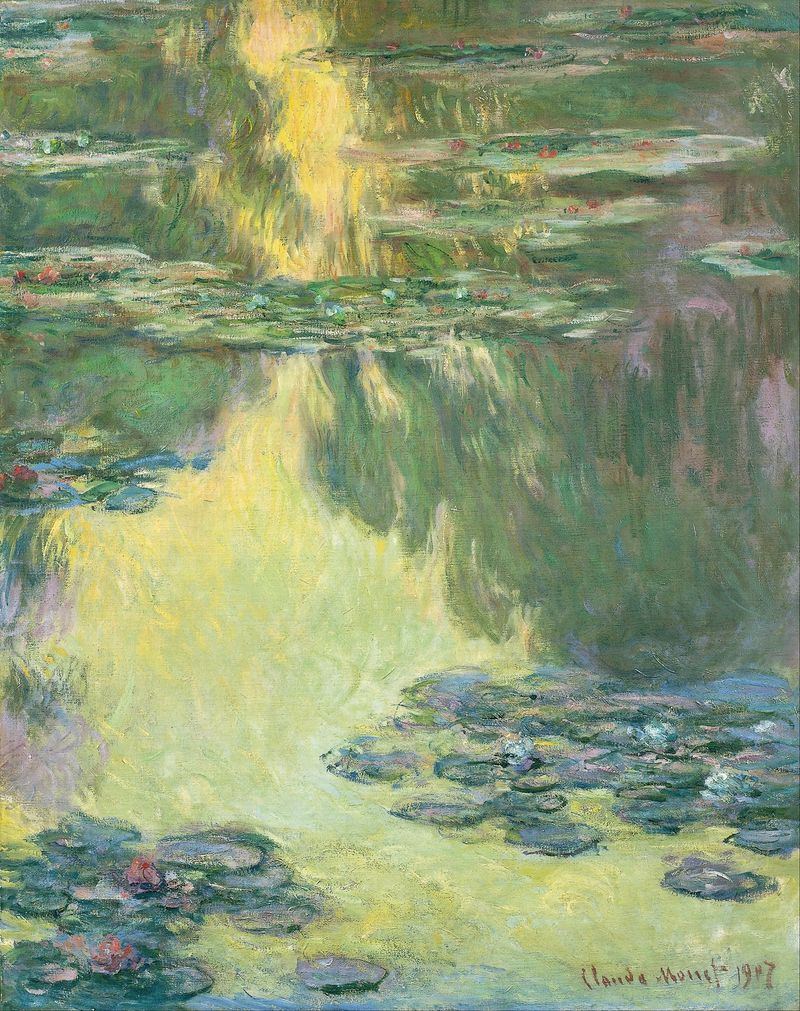
Can paint confess what words never could? In the brushstrokes of Automne À Jeufosse, a yearning for nature's fleeting beauty resonates through the canvas, capturing the essence of a moment lost yet cherished. Look to the left at the cluster of golden trees, their leaves aflame with the colors of autumn. Notice how the light dances delicately upon the water's surface, reflecting a mosaic of oranges and reds that blend harmoniously with the tranquil blues of the sky. The composition is alive with movement, as the gentle ripples suggest a breeze whispering secrets of the season.
Each stroke reveals Monet's masterful technique, where thick paint and soft hues intertwine, inviting viewers to traverse this natural sanctuary. Delve deeper into the contrasts presented in this work: the warmth of the foliage juxtaposed against the coolness of the water, evoking a silent dialogue between the vibrancy of life and the inevitability of change. The absence of human figures amplifies this solitude, underscoring the quiet introspection that nature inspires. Each detail is a reminder of the transience of beauty, reinforcing a sense of longing that lingers long after the season has passed. In 1884, Monet painted Automne À Jeufosse during a period marked by a growing interest in plein air painting, where artists sought to capture the world outside their studio walls.
Residing in France, he was deeply influenced by the Impressionist movement, which prioritized light and color over form, allowing for personal expression and emotional resonance within the landscape. This painting encapsulates that transitional moment, where art became a vehicle for personal reflection and a shared experience of nature's wonder.