
Autumnal Landscape — History & Facts
Is this a mirror — or a memory? In Giovanni Giacometti's Autumnal Landscape, the brushstrokes weave a tapestry of beauty that resonates with the echoes of nature itself. Here, the essence of autumn is captured, inviting us to reflect on the transience of life and the colors that bloom in decay. Look to the left at the vibrant hues of ochre and rust that dance across the canvas, evoking the warm embrace of fall. The trees, rendered with sweeping gestures, rise and bend with a sense of rhythm, their leaves aflame against the soft blue of a receding sky.
The deliberate placement of light creates a luminous quality, drawing the eye to the horizon where the earth meets the sky, a delicate balance of color and form that beckons exploration. In this work, contrasts abound: the vibrancy of the foliage against the muted, almost melancholic tones of the landscape. The brushwork varies from smooth, delicate strokes to more vigorous, textured applications, mirroring the emotions tied to the season. This duality speaks to the cycle of life—how beauty often emerges from decay, and how memories of warmth linger long after the leaves have fallen. Created during the early 1930s in Switzerland, Autumnal Landscape reflects Giacometti's engagement with the natural world amidst a backdrop of political and social upheaval in Europe.
As the art world grappled with modernism and abstraction, he sought to capture the essence of his surroundings, infusing his landscapes with a sense of intimacy and connection that resonates deeply with viewers.
More Artworks by Giovanni Giacometti
Browse all →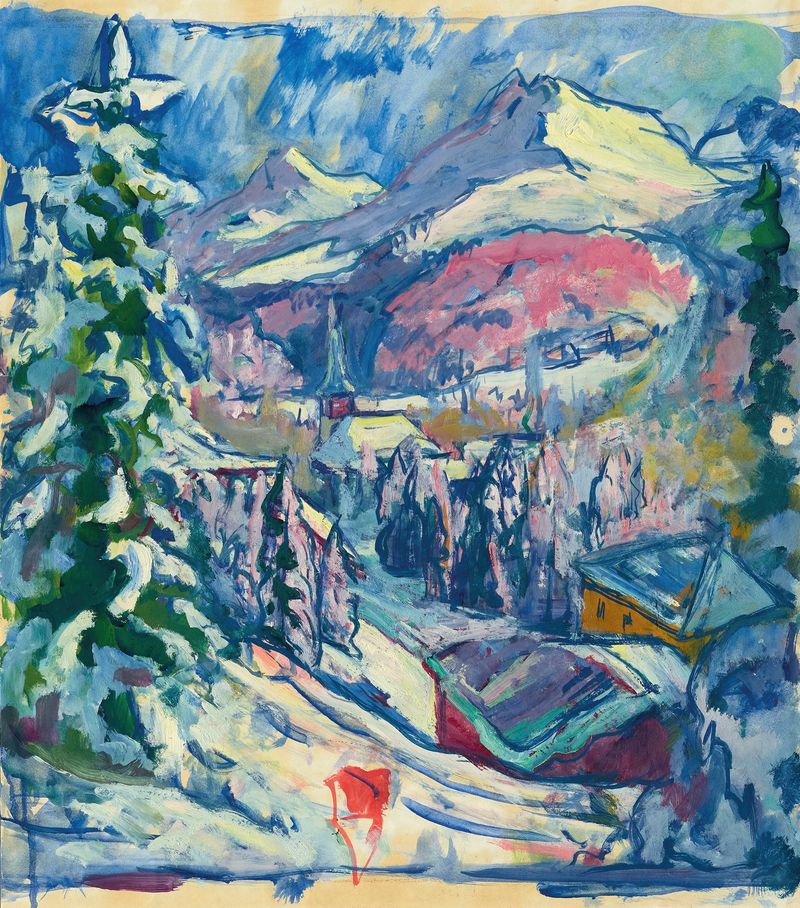
Davos im Winter
Giovanni Giacometti
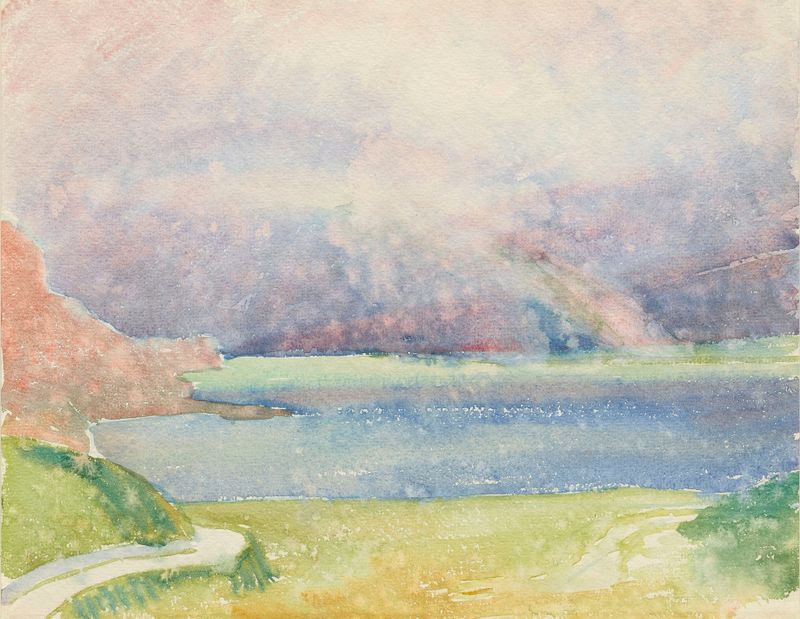
Blick von Maloja auf den Silsersee mit Regenbogen
Giovanni Giacometti
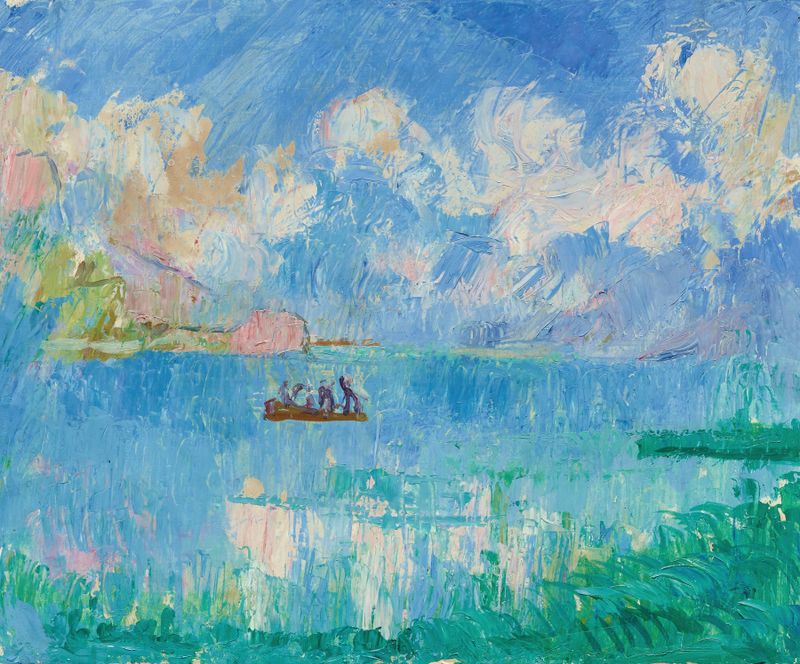
i Pescatori
Giovanni Giacometti
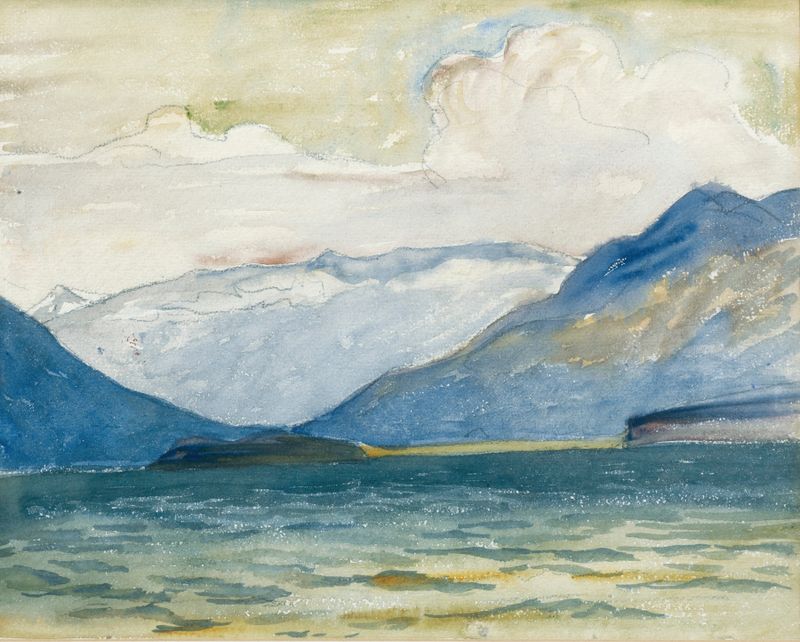
View From Plaun Da Lej Towards Chasté Peninsula
Giovanni Giacometti
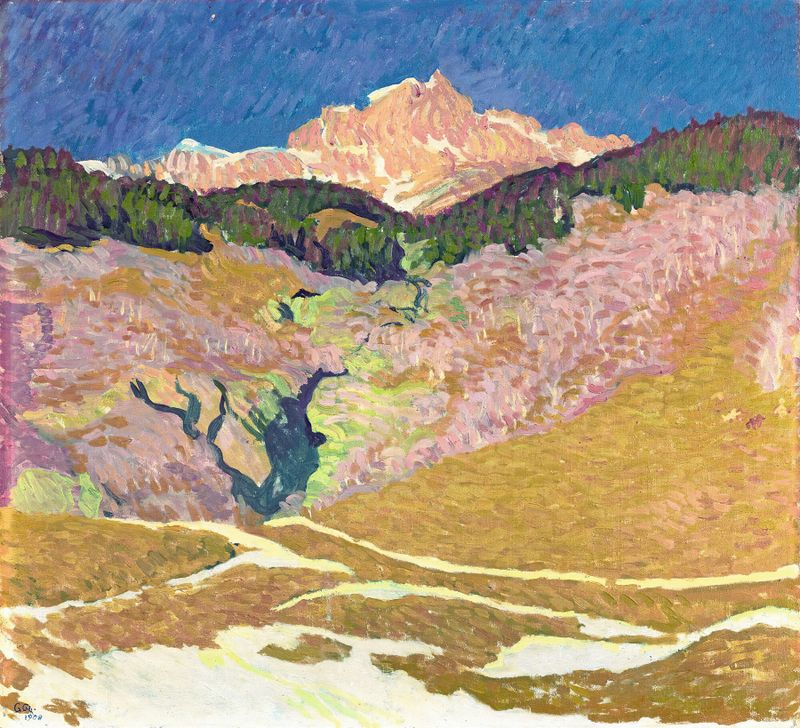
Piz Duan
Giovanni Giacometti
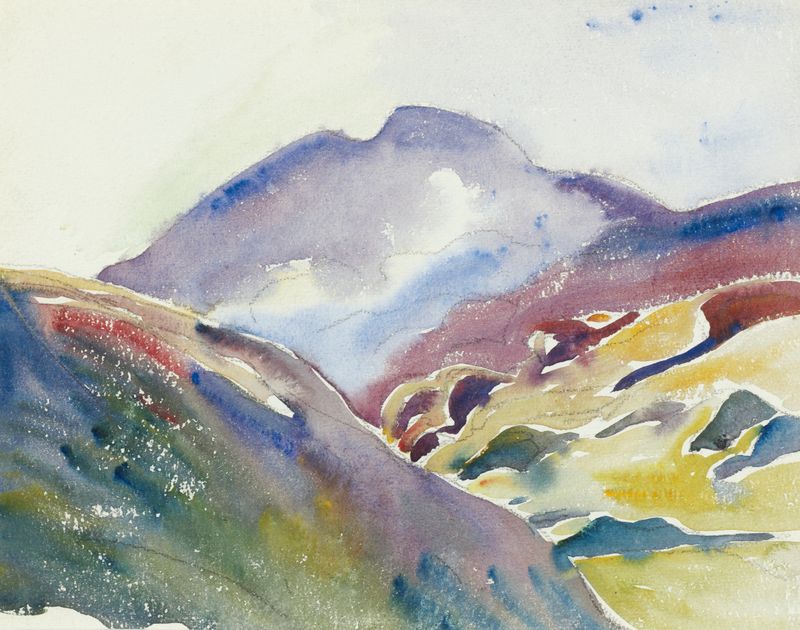
Alpine Landscape
Giovanni Giacometti
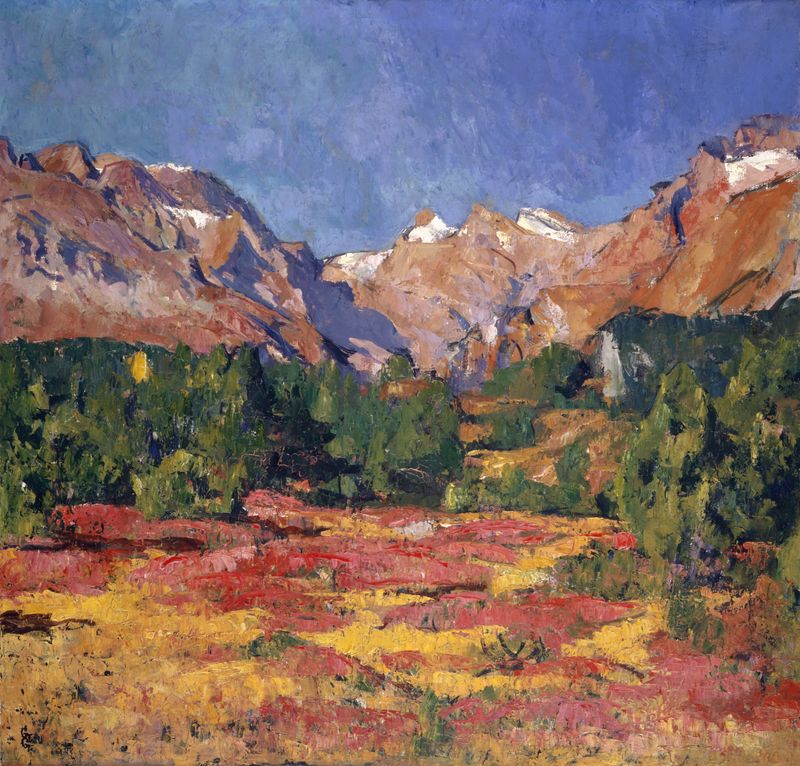
Autumn Landscape (Maroz Valley With Piz Duan And Gletscherhorn)
Giovanni Giacometti
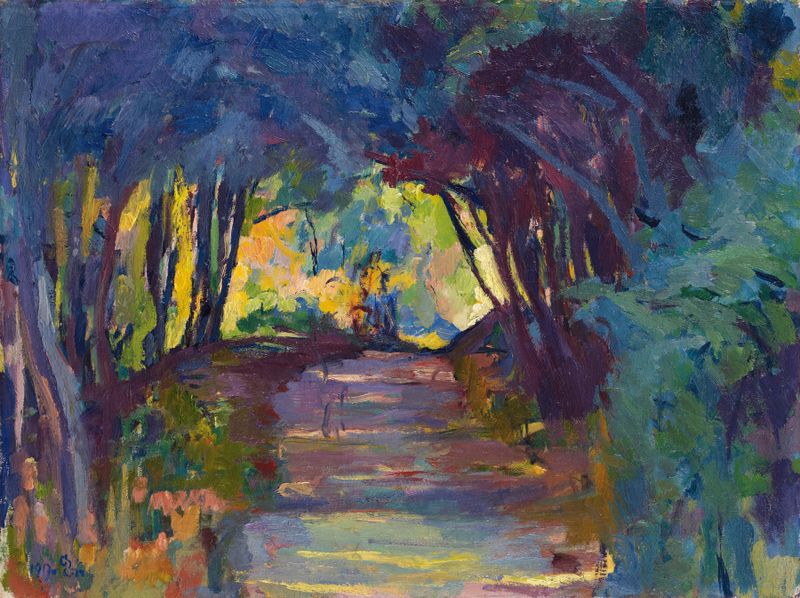
Forest Track
Giovanni Giacometti
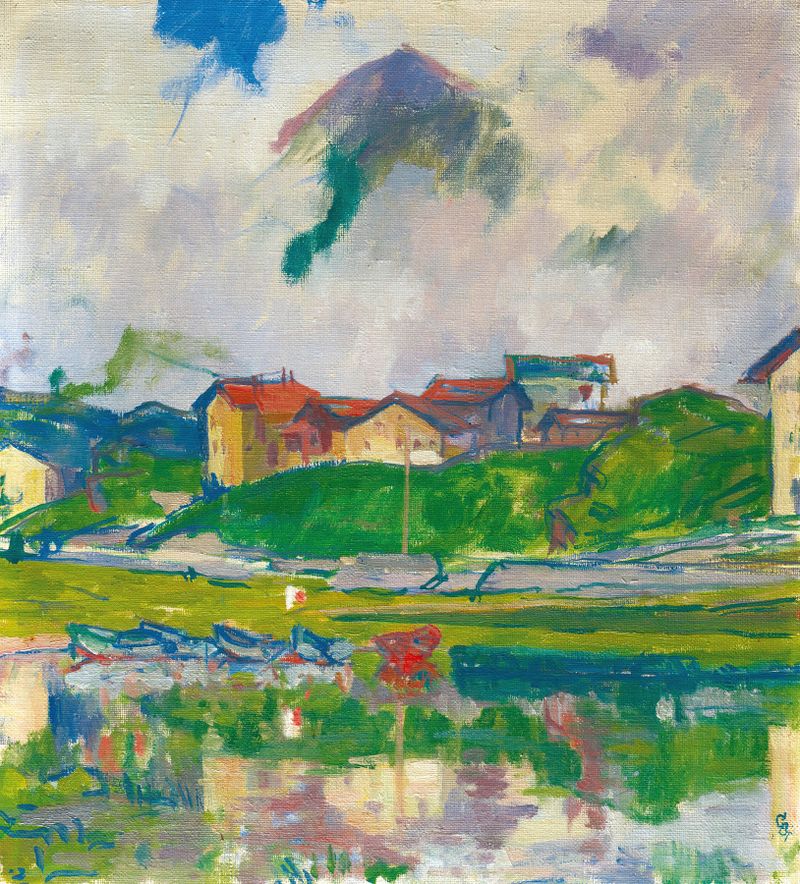
Maloja
Giovanni Giacometti
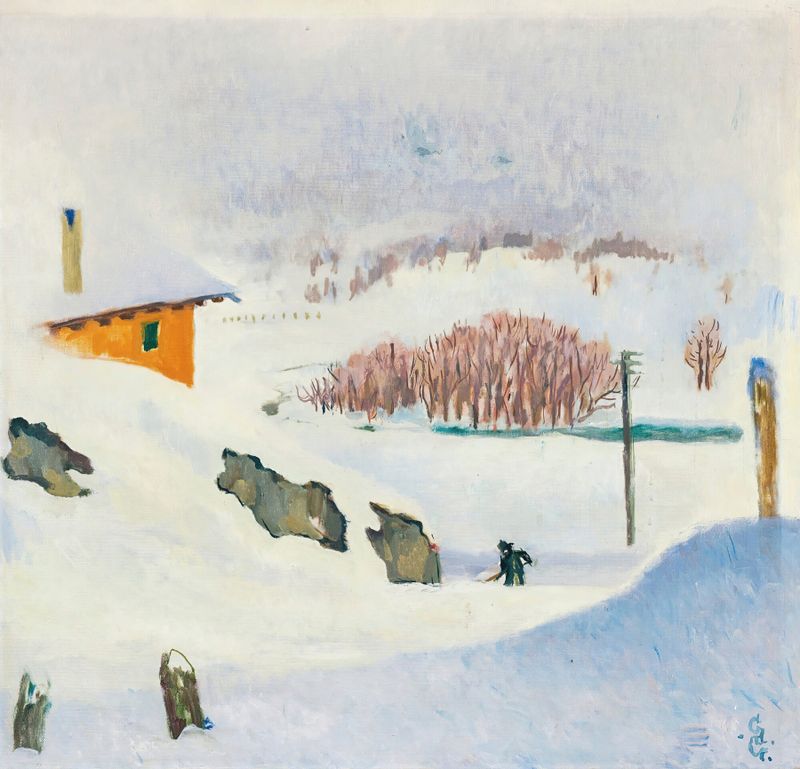
Inverno
Giovanni Giacometti





