
Avignon — History & Facts
Where does light end, and longing begin? In the stillness of Avignon, shadows stretch across the canvas, whispering stories of time suspended. Focus on the luminous horizon where soft pinks and deep blues collide, inviting the eye to travel towards the far-off city. Notice how the delicate brushstrokes reveal a serene yet dynamic interplay between light and shadow, suggesting the passage of day into night. The architecture rises gently, as if beckoning the viewer to step into this moment, capturing both the beauty and the solemnity of a fading day. In the foreground, patches of vibrant green contrast the muted tones of the city, hinting at the life that thrives just beyond the edges of perception.
This juxtaposition speaks to the duality of existence—how the vibrancy of life can evoke both nostalgia and hope. The gentle curves of the landscape cradle the city, creating a poignant tension between the natural and the constructed, a reminder that all things are in a constant state of change. In 1918, Lodewijk Schelfhout found himself in a transitional period, navigating the aftermath of World War I in Europe. He painted Avignon during a time when artists were redefining their visions in response to a world yearning for renewal.
The ethereal quality of this work reflects both personal introspection and the broader societal longing for peace and stability in the wake of devastation.
More Artworks by Lodewijk Schelfhout
Browse all →
Hollands landschap met boerderij en weiland
Lodewijk Schelfhout
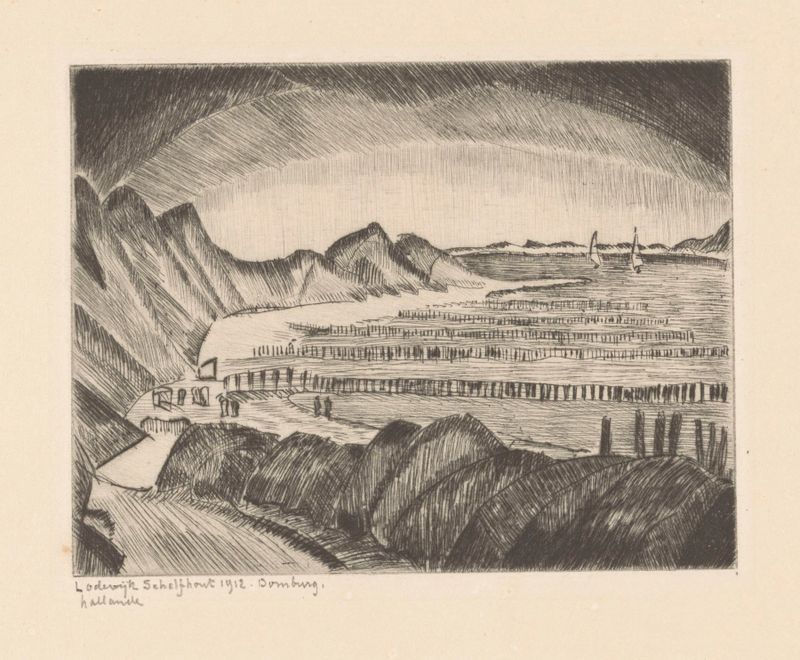
Strand van Domburg Plage de Dombourg
Lodewijk Schelfhout
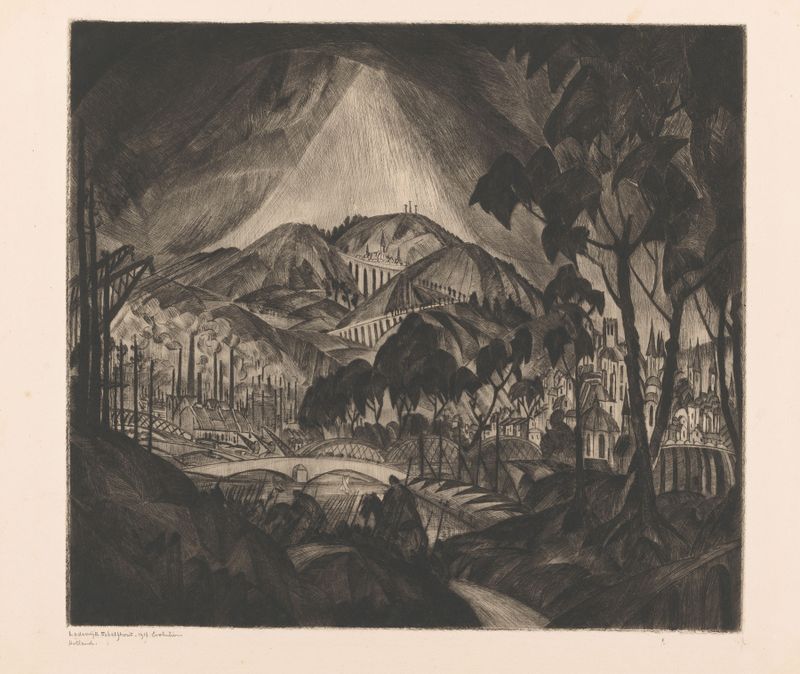
Heuvellandschap met industrie
Lodewijk Schelfhout
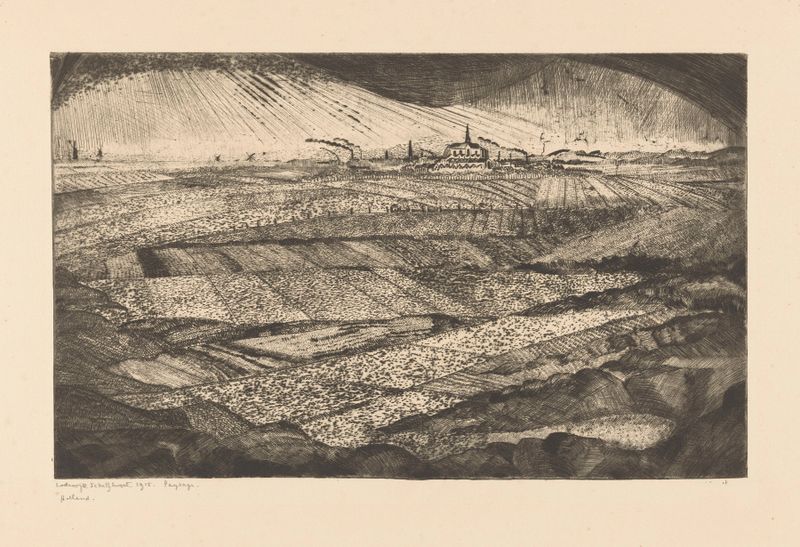
Paysage
Lodewijk Schelfhout
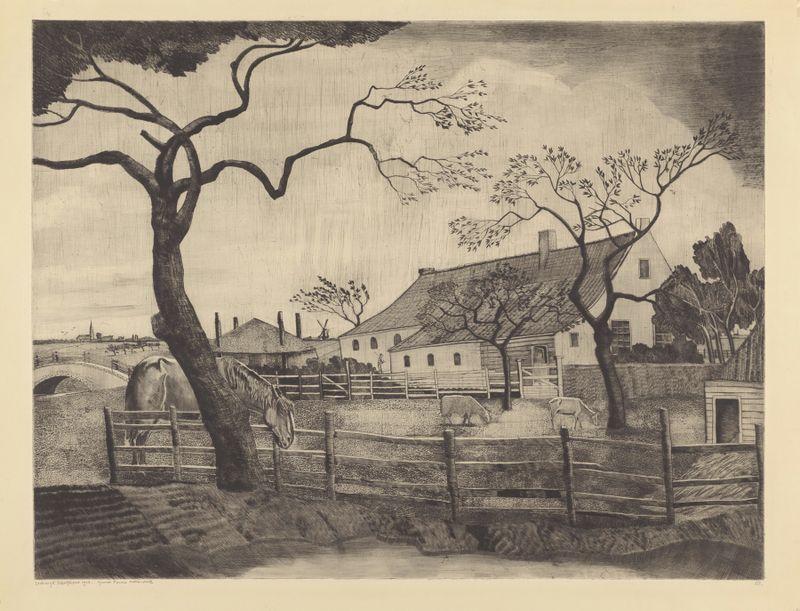
Boerderij met vee in Holland
Lodewijk Schelfhout
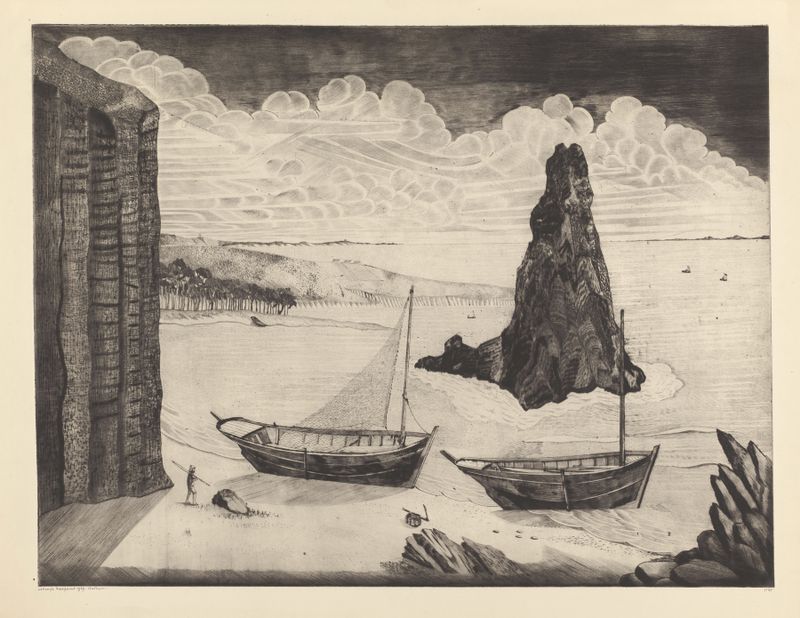
Twee afgemeerde schepen op een strand
Lodewijk Schelfhout
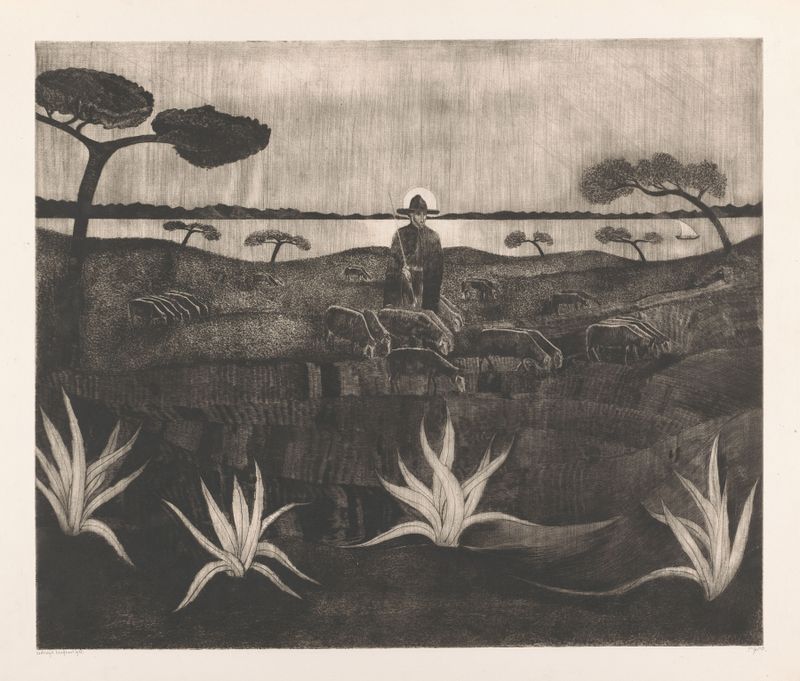
Herder met een kudde schapen in een heuvellandschap
Lodewijk Schelfhout
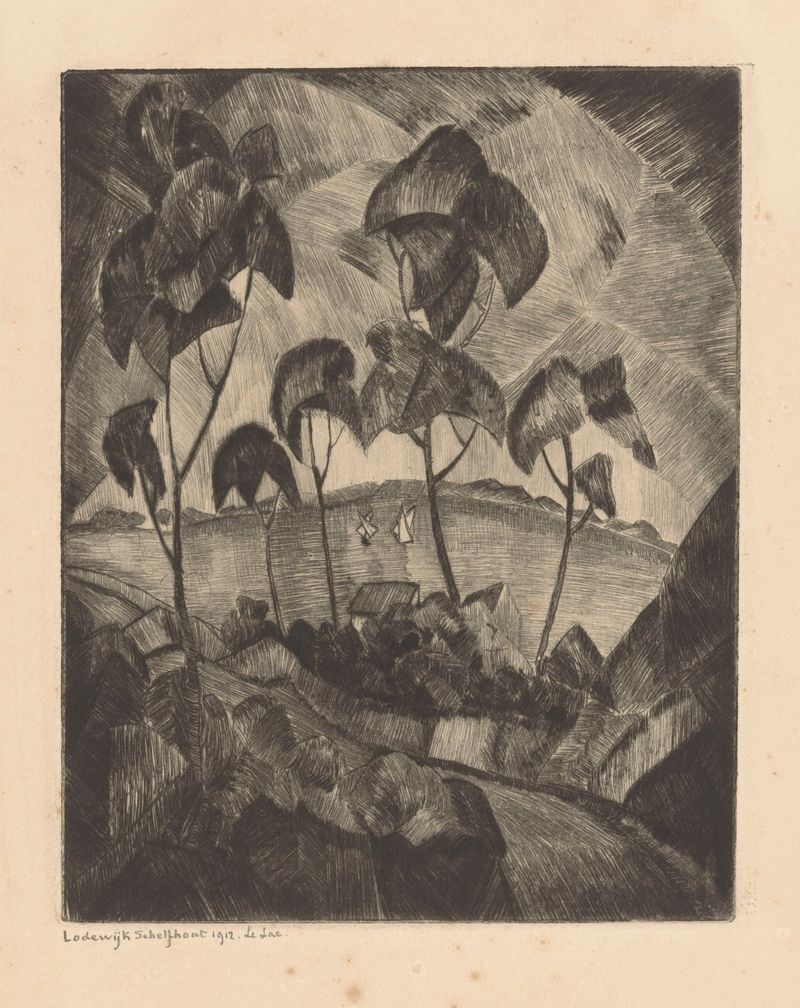
Meer in een heuvellandschap Le Lac
Lodewijk Schelfhout

Heuvellandschap met sparren
Lodewijk Schelfhout

Berglandschap met aquaduct L’Aqueduc
Lodewijk Schelfhout





