
Avignon — History & Facts
In the promise of madness lies a world yearning to break free, teetering at the edge of reason and chaos. Focus on the swirling hues that dominate the canvas, each stroke of paint alive with frenetic energy. The vibrant blues and ochres clash, pulling your gaze into the tumultuous landscape that seems to pulse with a life of its own. Notice how the figures emerge from the background, their forms almost melting into the colors, as if struggling to be born from the chaos around them.
The composition is both unnerving and compelling, inviting the viewer to question the very nature of reality depicted before them. Here, in the tumult, lies a tension between order and disorder. The vibrant chaos of the brushwork contrasts sharply with the stillness of the figures, embodying the madness that lurks in the shadows of the human psyche. Is this a celebration of liberation or a descent into despair? The emotional weight is palpable, as the figures seem to grapple with their existence, revealing the fragility of sanity amidst the riotous colors. In 1918, Avignon was created when Lodewijk Schelfhout was navigating a post-war landscape, reflecting the turmoil not only of his own life but of a world grappling with the scars of conflict.
The aftermath of World War I had left many artists, including Schelfhout, exploring new realms of expression as traditional forms crumbled. This painting emerges from a period of profound change, emphasizing the struggle between sanity and madness, echoing the zeitgeist of an era in turmoil.
More Artworks by Lodewijk Schelfhout
Browse all →
Hollands landschap met boerderij en weiland
Lodewijk Schelfhout
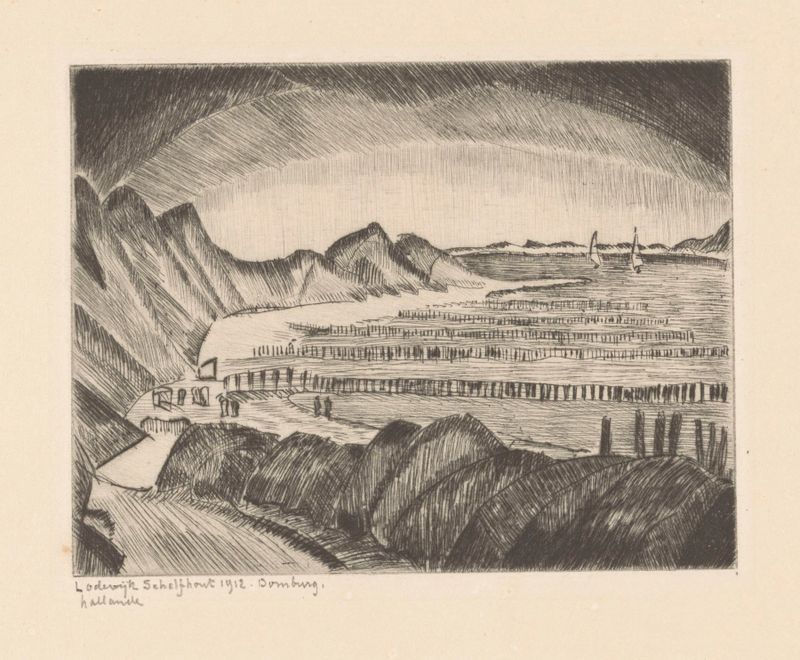
Strand van Domburg Plage de Dombourg
Lodewijk Schelfhout
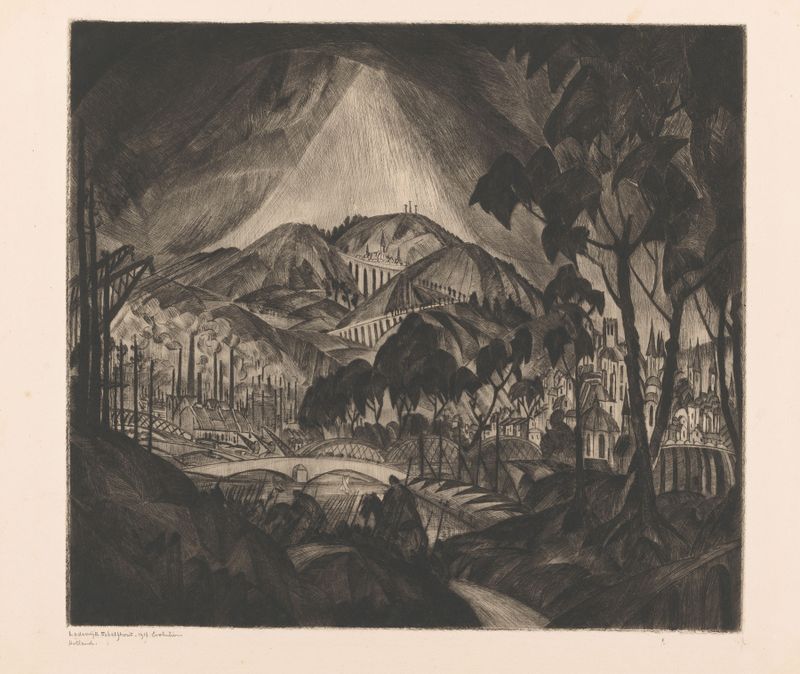
Heuvellandschap met industrie
Lodewijk Schelfhout
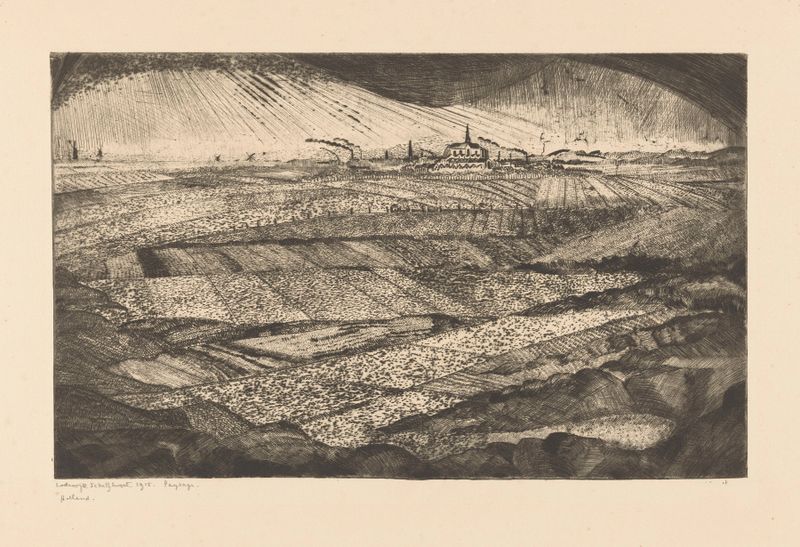
Paysage
Lodewijk Schelfhout
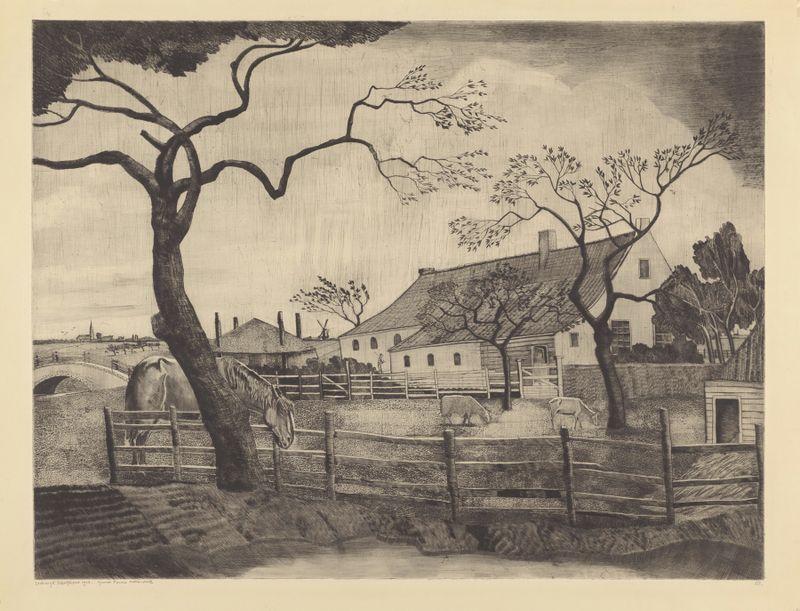
Boerderij met vee in Holland
Lodewijk Schelfhout
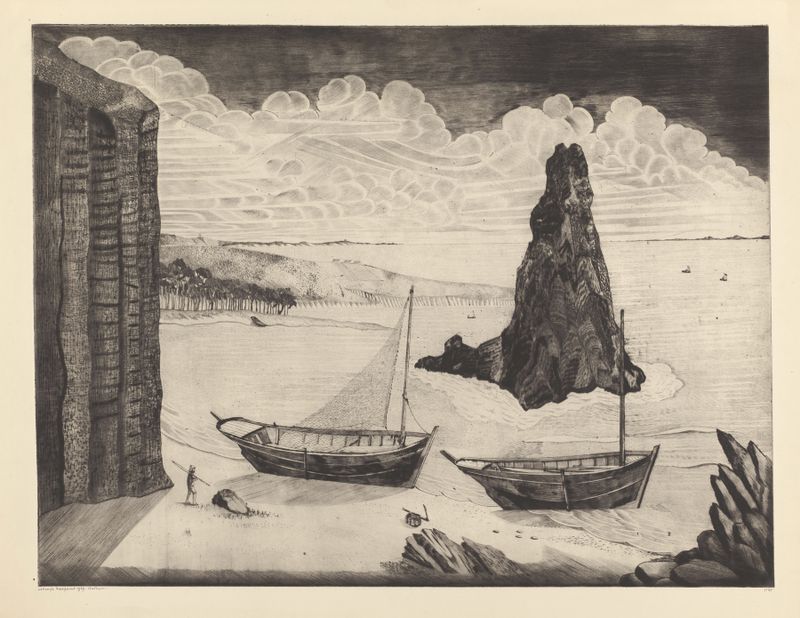
Twee afgemeerde schepen op een strand
Lodewijk Schelfhout
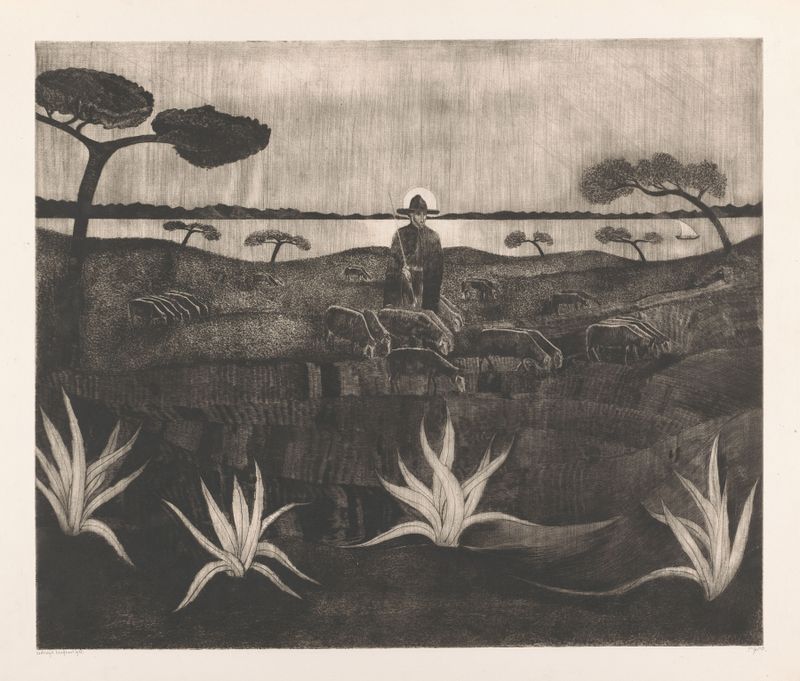
Herder met een kudde schapen in een heuvellandschap
Lodewijk Schelfhout
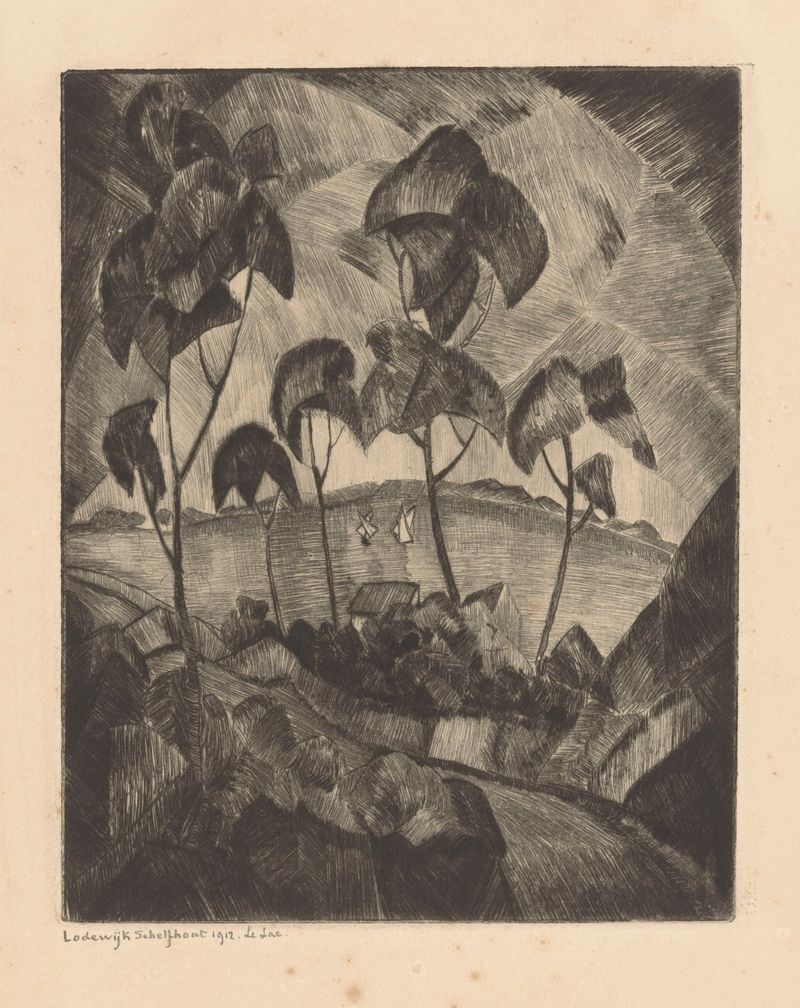
Meer in een heuvellandschap Le Lac
Lodewijk Schelfhout

Heuvellandschap met sparren
Lodewijk Schelfhout

Berglandschap met aquaduct L’Aqueduc
Lodewijk Schelfhout





