
Ax-les-Thermes — History & Facts
In Ax-les-Thermes, Henri Rivière presents a lush landscape filled with vibrant greens and blues. The painting features rolling hills and a serene sky, creating a peaceful atmosphere. The colors are rich and varied, suggesting a lively natural environment.
The composition draws the viewer's eye across the landscape, inviting exploration. The painting is executed in oil on canvas, showcasing Rivière's skillful brushwork and use of color. The texture of the paint adds depth to the scene, enhancing the feeling of movement in the natural elements. The dimensions are approximately 60 x 80 cm, making it a medium-sized work that can be appreciated up close.
The vibrant palette reflects the Post-Impressionist style, emphasizing the beauty of nature. Henri Rivière was known for his landscapes and depictions of nature, often capturing the essence of rural life. 'Ax-les-Thermes' is a notable example of his work from the 1890s, a period when he was exploring the interplay of light and color. Interestingly, Rivière was also an accomplished printmaker, which influenced his painting techniques.
This work exemplifies his ability to blend realism with a touch of impressionistic flair.
More Artworks by Henri Rivière

Sur les toits
Henri Rivière
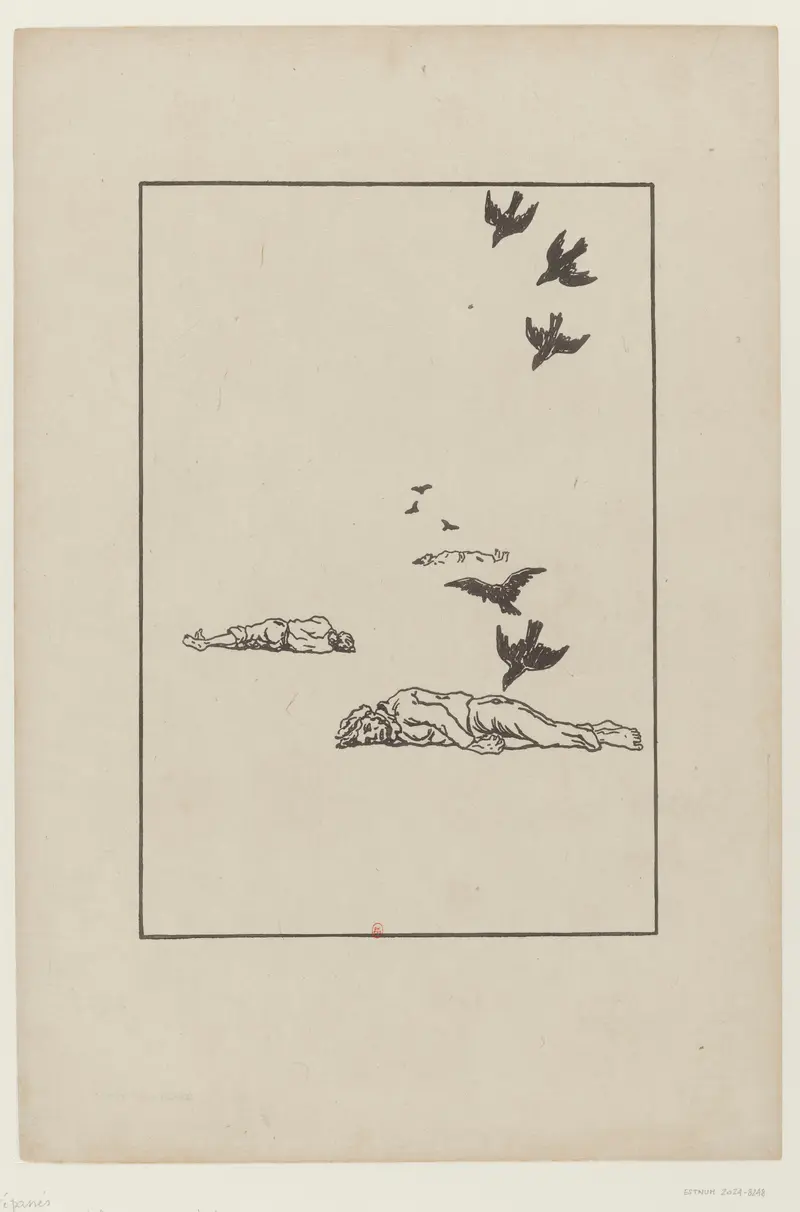
La Baie des trépassés
Henri Rivière
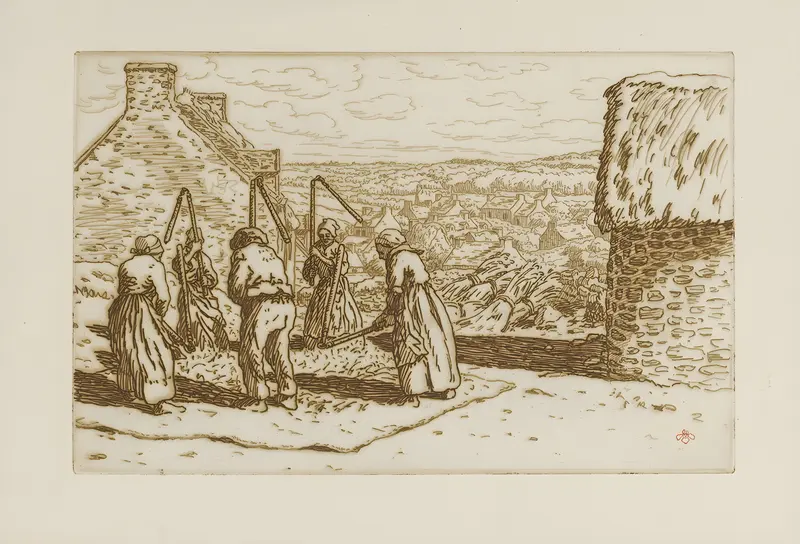
Homme et quatre femmes battant le blé
Henri Rivière

Barque à sec sur le sable au pied de la falaise
Henri Rivière
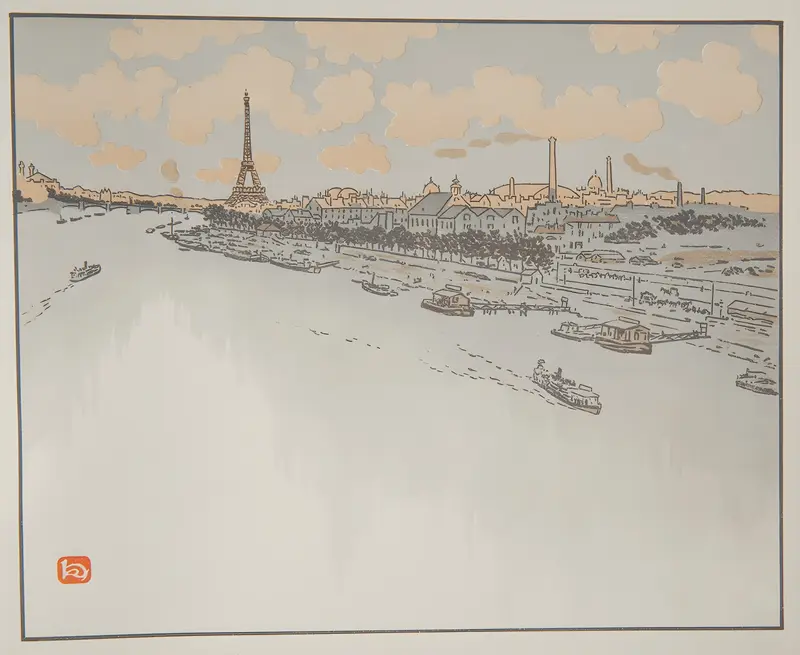
Du Point-du-Jour
Henri Rivière
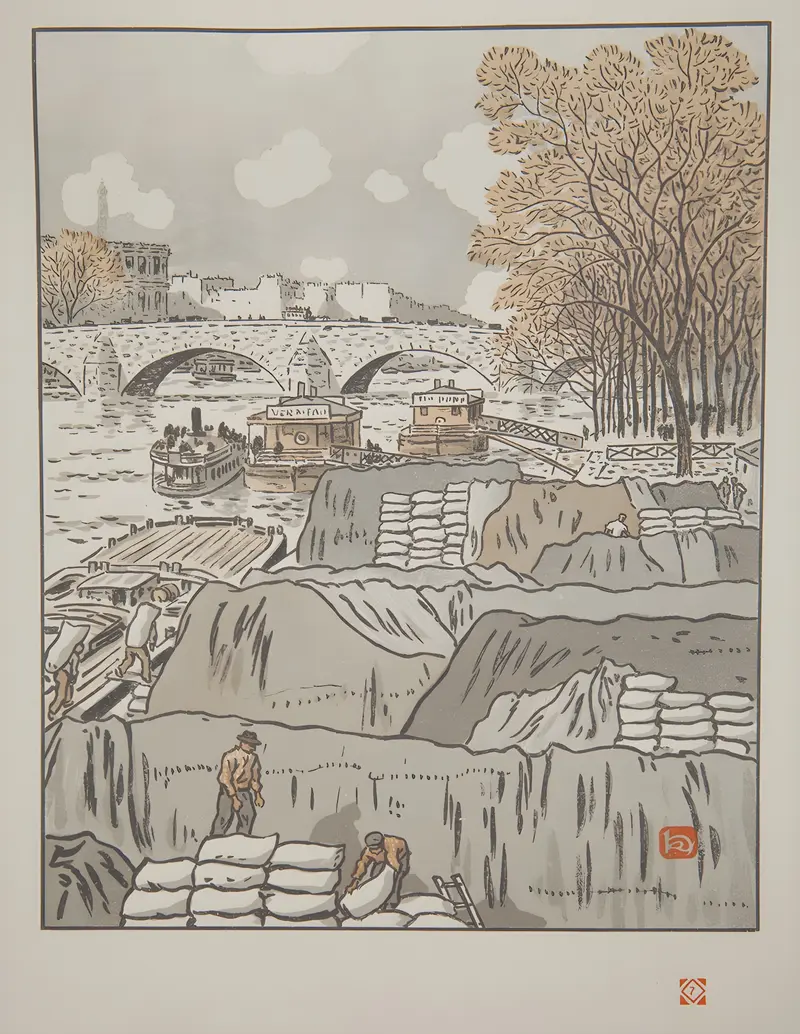
Du Pont des Saints Peres
Henri Rivière
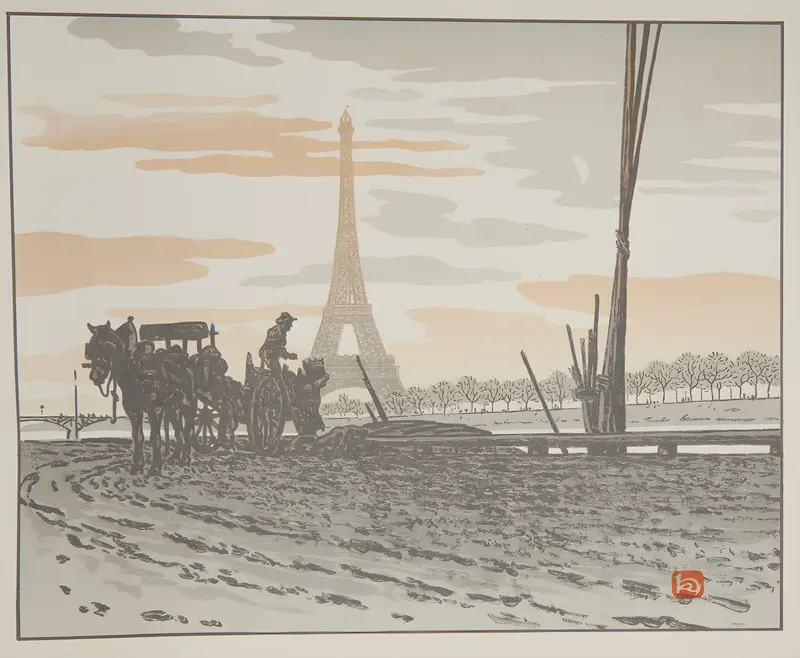
Du Quai de Pasy – Charboniers
Henri Rivière
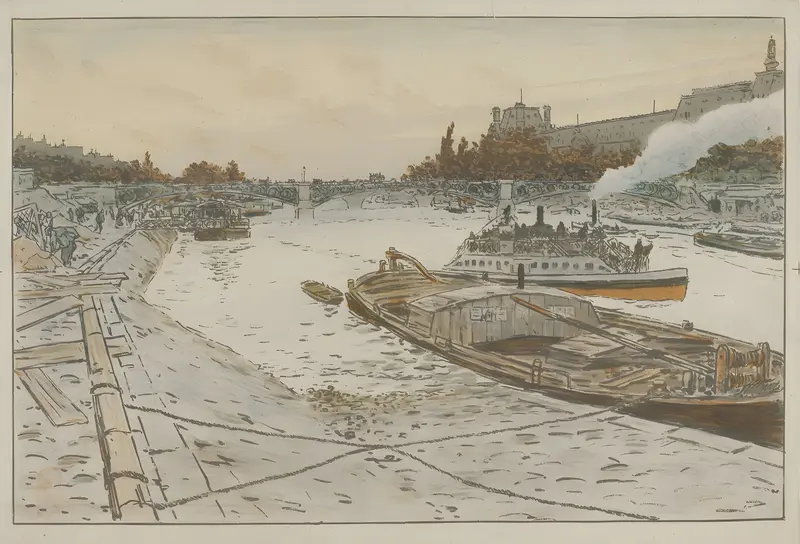
Le Pont des Saints-Pères (pont du Carrousel) et le Louvre
Henri Rivière
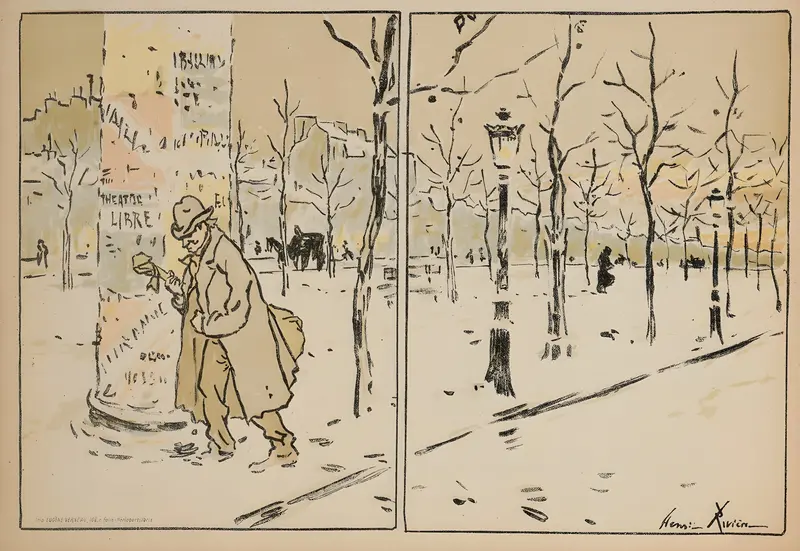
Paris en hiver, Programme pour le Théâtre Libre
Henri Rivière
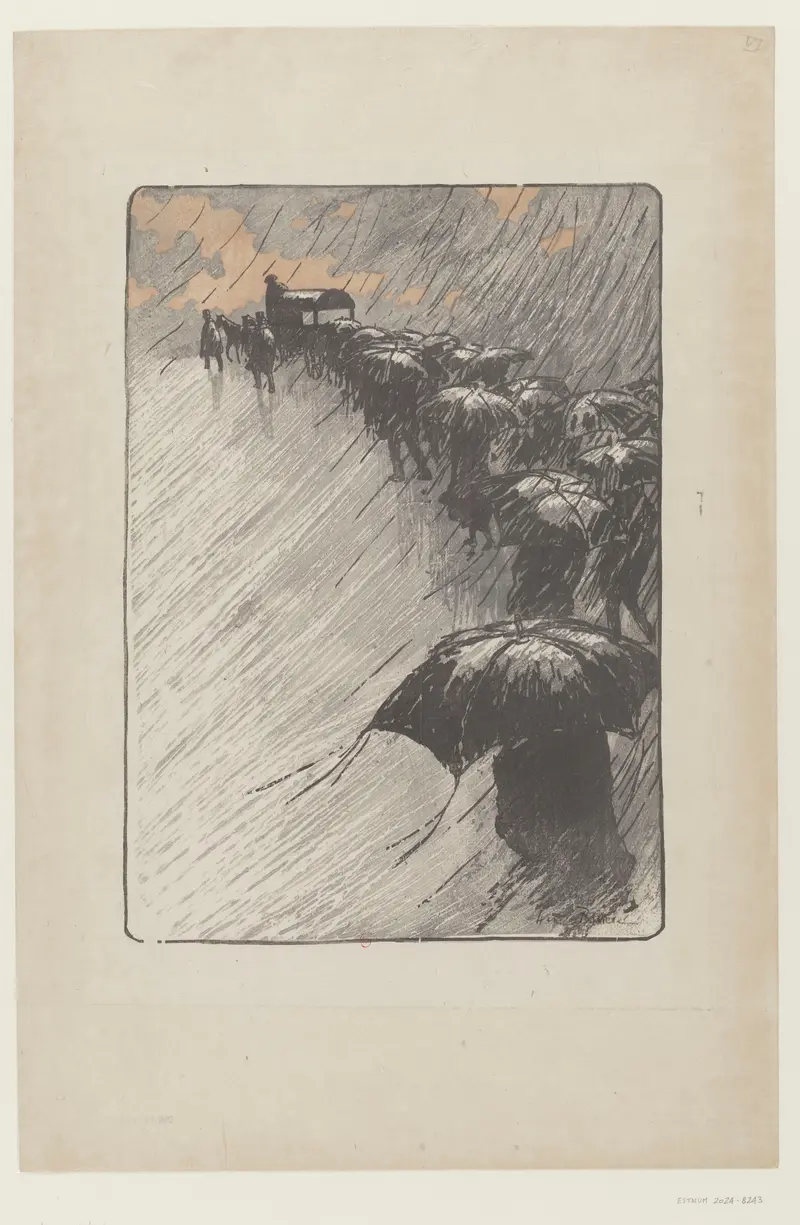
L’Enterrement aux parapluies
Henri Rivière
More Landscape Art

Starry Night
Vincent van Gogh

View of Delft
Johannes Vermeer

Water Lilies
Claude Monet

The Grand Canal, Venice, looking north-west from the Ca' Corner to the Ca' Contarini degli Scrigni, with the campanile of Santa Maria della Carità
Canaletto

Windsor Castle
Canaletto

The Grand Canal looking North-East from the Palazzo Dolfin-Manin to the Rialto Bridge
Canaletto