Bamboo in Mist — History & Facts
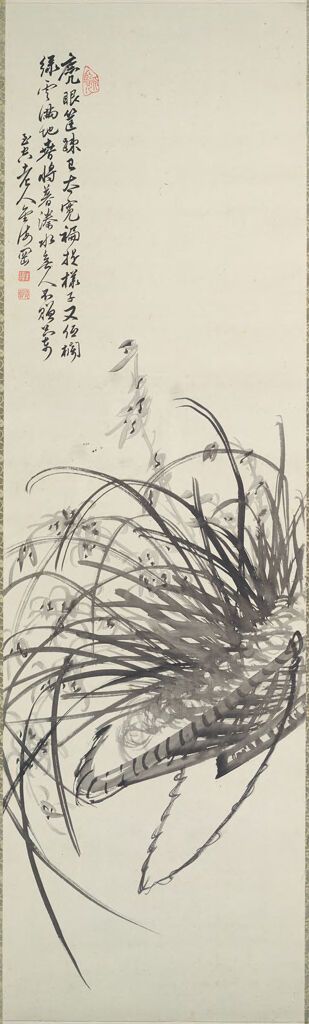
Can paint confess what words never could? In Bamboo in Mist, a silent whisper of longing emerges, echoing through the delicate brushstrokes that capture the elegance of nature intertwined with human emotions. Look to the center of the canvas where a cluster of bamboo stands resilient, its slender stalks reaching skyward. Notice how the artist employs soft, muted greens and grays, creating an ethereal atmosphere that envelops the viewer. The mist swirls around the bamboo like a gentle embrace, blurring boundaries and inviting contemplation.
The meticulously rendered leaves seem to flicker in the elusive light, revealing a mastery of technique that speaks to the artist’s deep reverence for the natural world. Hidden within this serene landscape lies a profound tension—a yearning for connection amidst solitude. The mist, acting as both a veil and an invitation, symbolizes the ungraspable nature of desire and the elusive moments that define our existence. The bamboo, steadfast yet delicate, embodies resilience in the face of uncertainty, suggesting that longing is an inherent part of life, both beautiful and painful. Kim Kyu-chin created Bamboo in Mist during a transformative period in late 19th to early 20th century Korea, a time when traditional and modern influences began to intertwine.
Living in a society undergoing significant change, he sought to reflect the spiritual connection between humanity and nature. This painting, characterized by its subtlety and depth, captures the essence of an artist navigating the complexities of a shifting world while remaining anchored in the beauty of the familiar.