
Banks of the Meuse (Bords de la Meuse) — History & Facts
When did color learn to lie? In the delicate interplay of hues and shadows, illusion dances seamlessly with reality, inviting us to question our perceptions. Focus on the banks of the river, where soft greens and muted browns cradle the tranquil waters. Notice how the light reflects on the Meuse, creating an ethereal shimmer that blurs the boundary between land and sky. The trees, rendered with meticulous brushwork, seem to sway gently, lending a sense of movement to an otherwise serene landscape.
The composition draws the eye to the horizon, where the subtle gradient of colors hints at the day's waning light. Yet beneath this picturesque facade lies an intricate tapestry of contrasts. The stillness of the water juxtaposes the vibrant life of the banks, suggesting a world teeming with sound just outside the frame. The artists' use of light serves as a metaphorical veil, cloaking deeper truths in layers of beauty.
It prompts reflection on how perception can often be deceptive, as reality intertwines with the dreamlike quality of nature. Created in 1873, this piece emerged during a pivotal moment in art, as realism began to challenge the conventions of romanticism. Maxime Lalanne painted it while working in France, where he was influenced by the Barbizon School, a movement that celebrated the beauty of natural landscapes. This painting reflects not only his technical mastery but also the evolving dialogue within the art world about how we interpret and represent the world around us.
More Artworks by Maxime Lalanne
Browse all →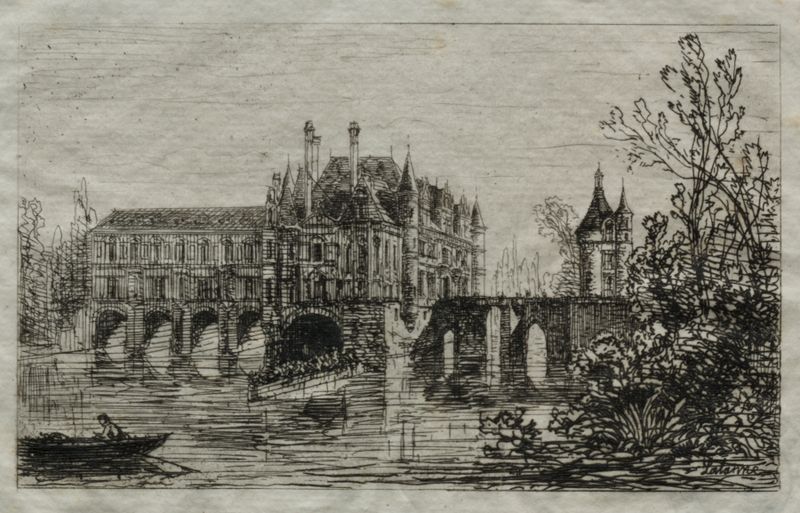
Château de Chenonceau
Maxime Lalanne
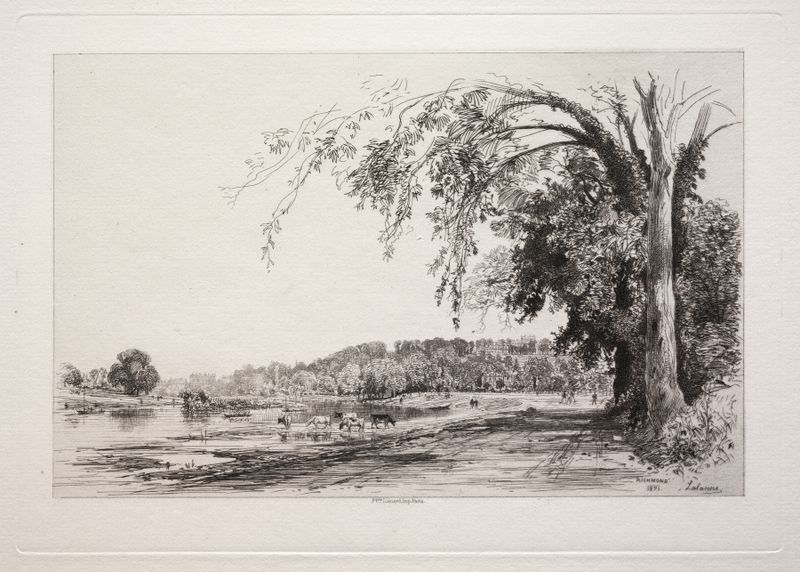
Richmond
Maxime Lalanne
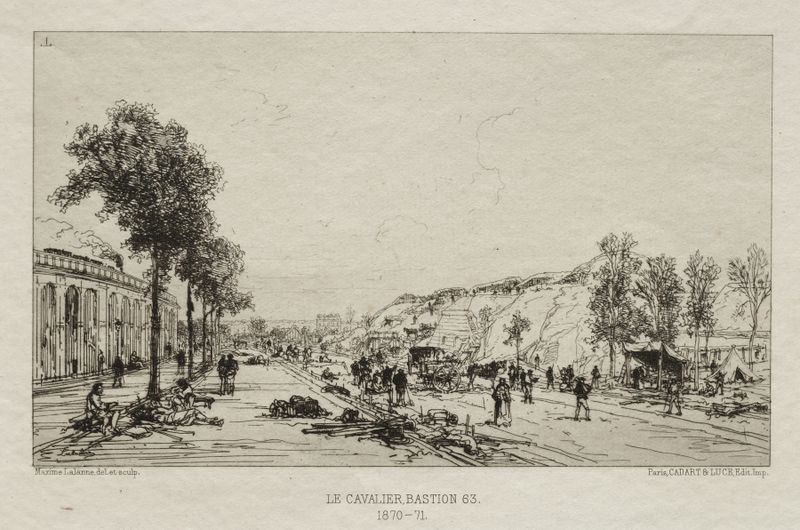
Souvenirs artistiques du Siège de Paris; Le Cavalie (Bastion 63)
Maxime Lalanne
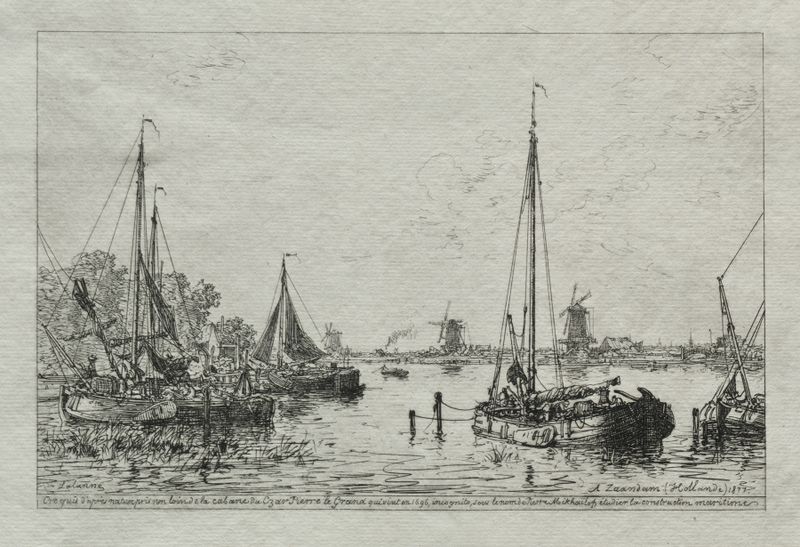
Sketch from Nature
Maxime Lalanne
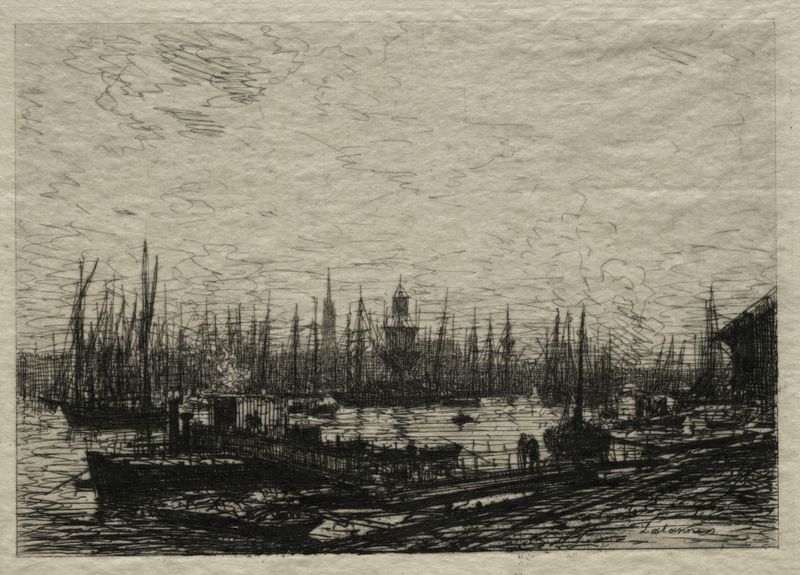
In the Bordeaux Harbor
Maxime Lalanne
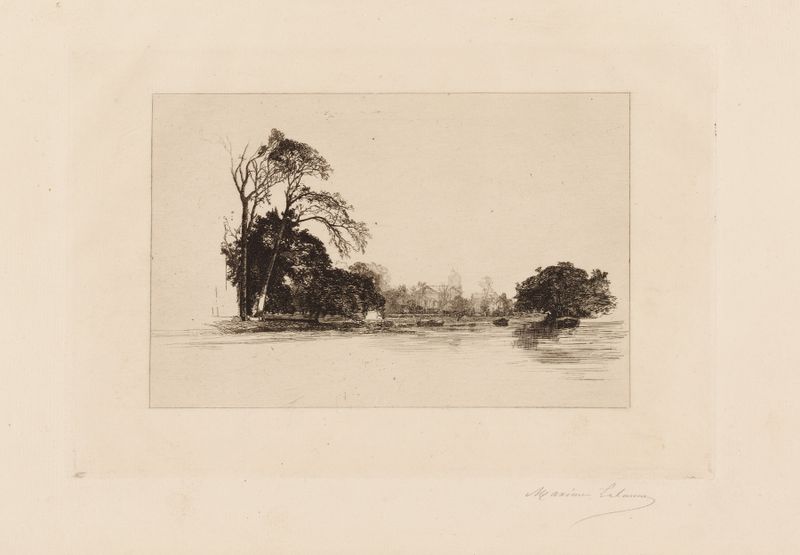
Bank of the Thames
Maxime Lalanne
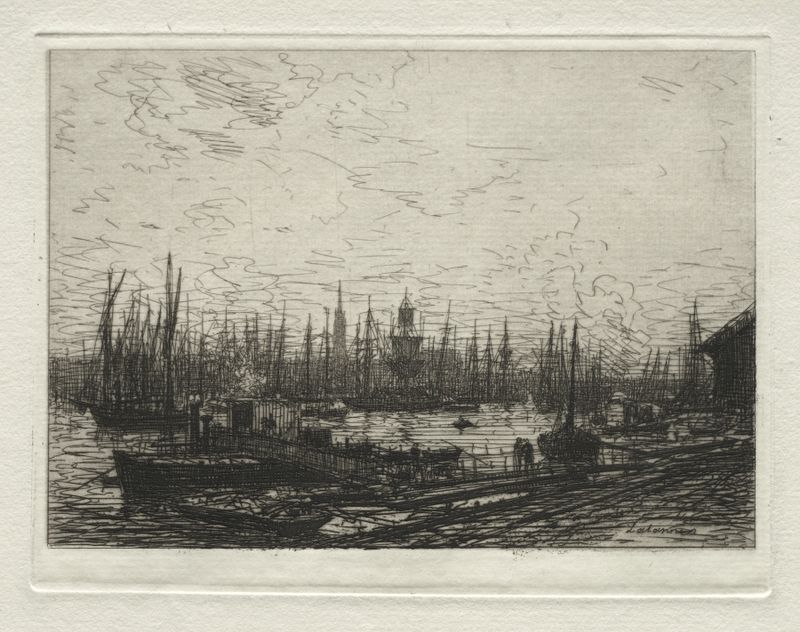
Port of Bordeaux
Maxime Lalanne
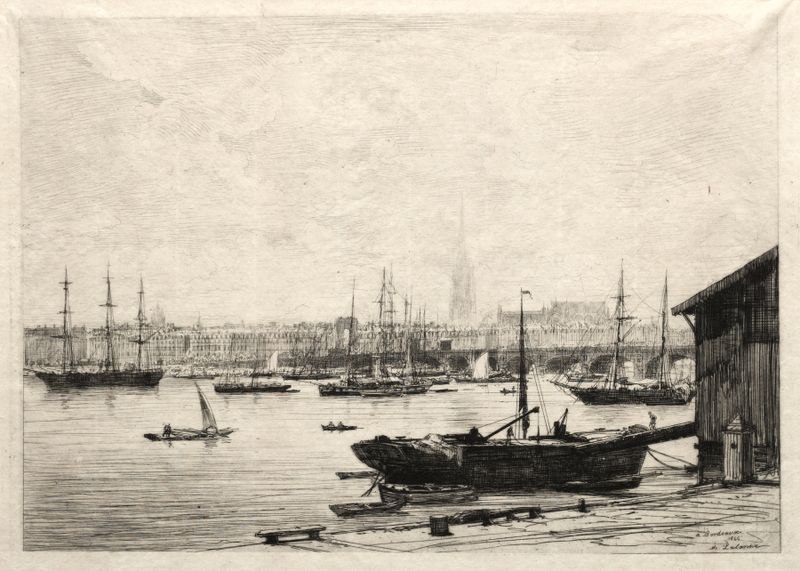
Bordeaux
Maxime Lalanne
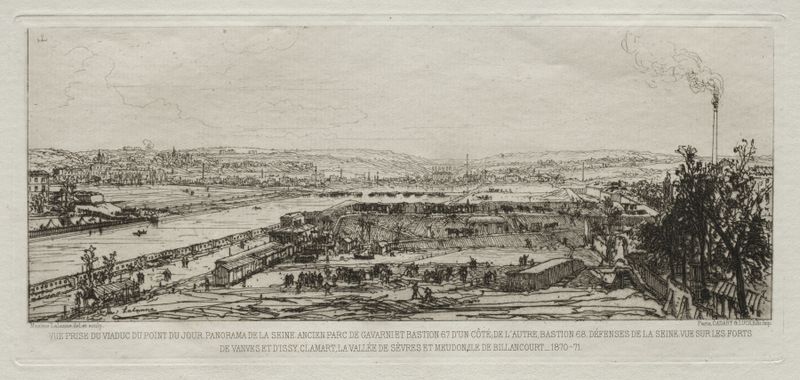
View from the Viaduct at the Pont-du-Jour, Panorama de la Seine
Maxime Lalanne
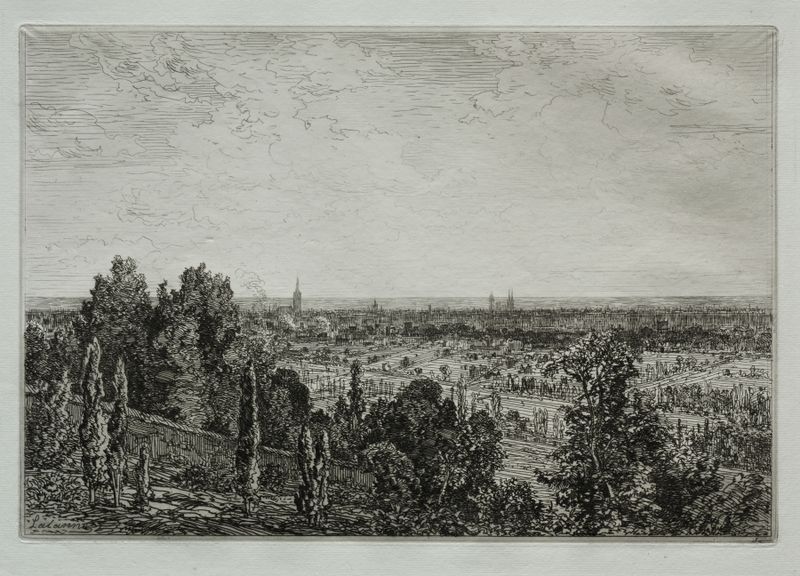
Bordeaux, View from the Coast of Cénon
Maxime Lalanne





