Banyuls — History & Facts
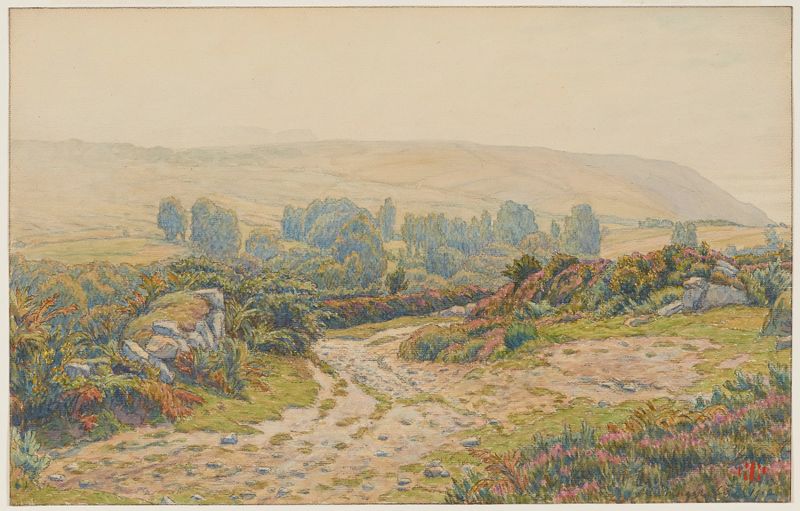
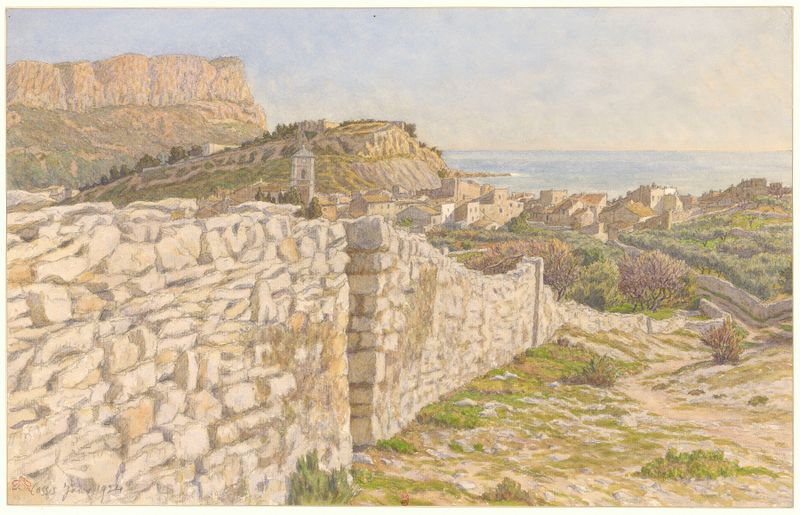
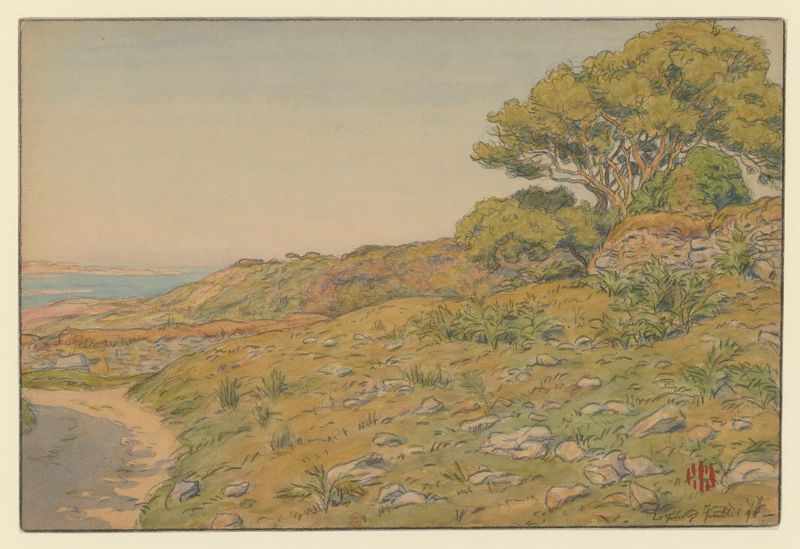
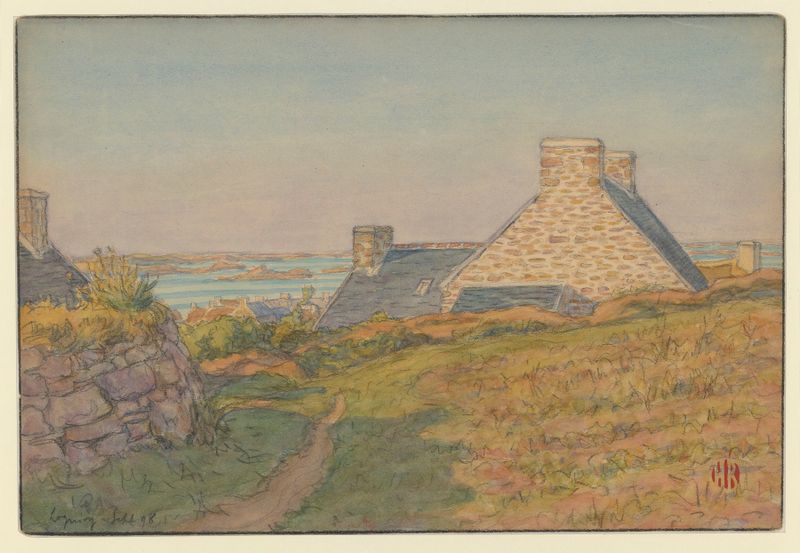
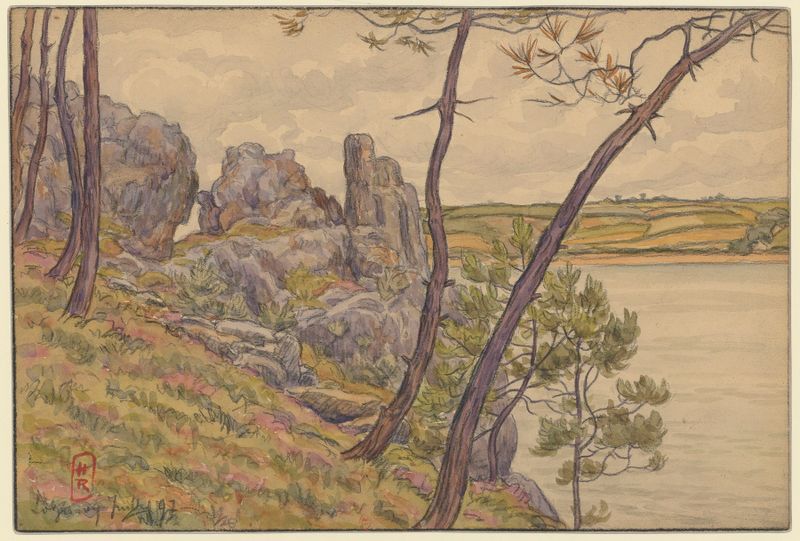
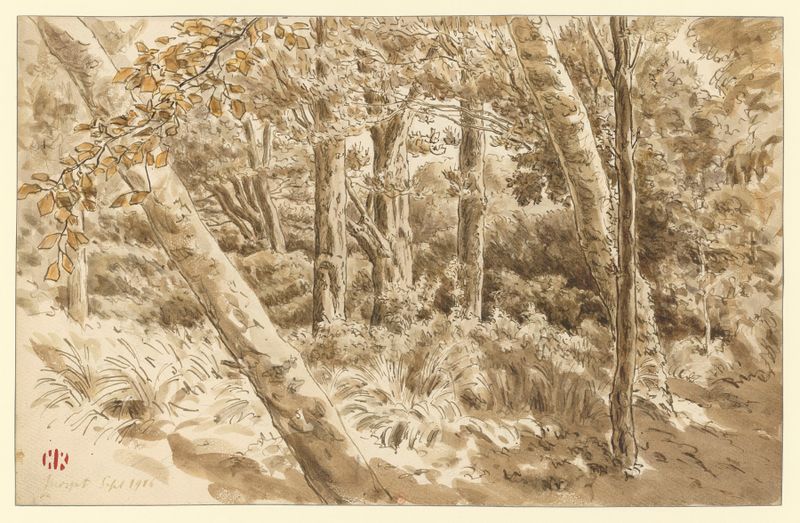
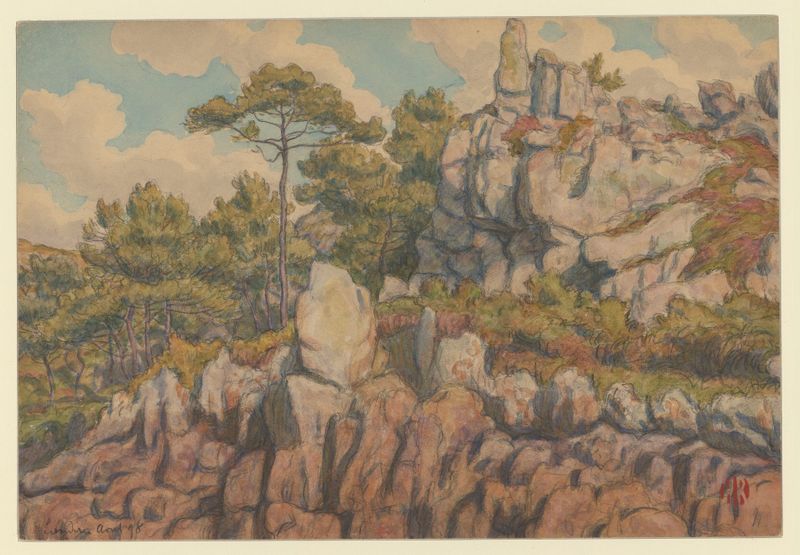
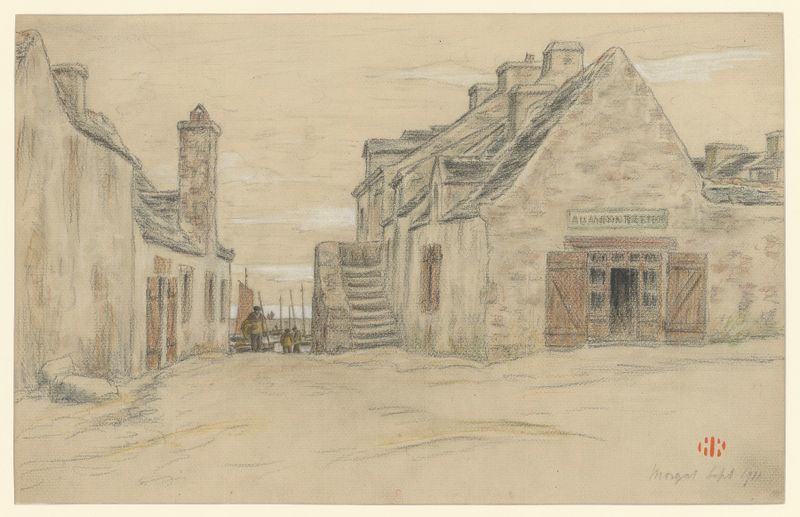
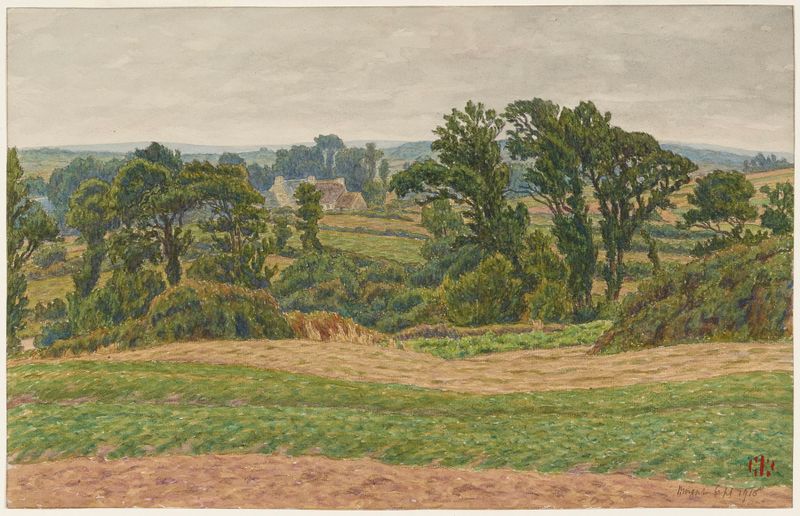
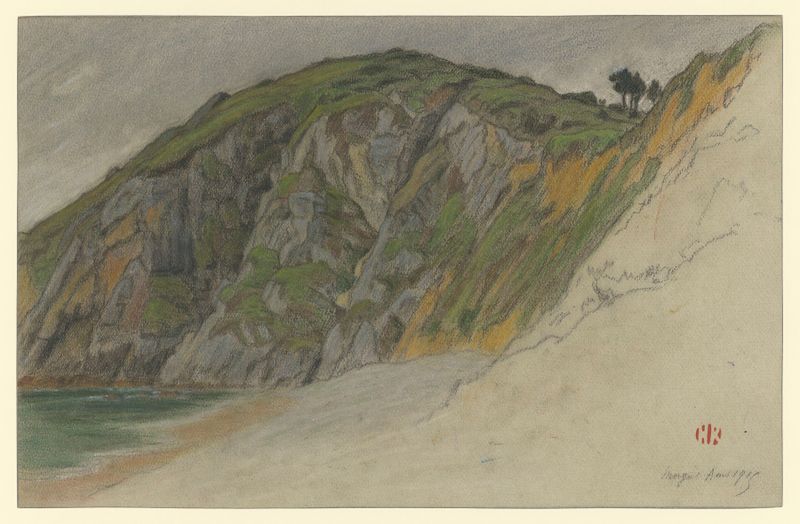
Under the brush, chaos becomes grace. Shadows weave a delicate dance across the canvas, hinting at an ethereal connection between light and darkness, form and formlessness. Focus on the swirling curves and vibrant hues that together create the landscape of Banyuls. The viewer's eye is drawn initially to the undulating hills, where the lush greens meet the deep blues of the sea.
Rivière’s deliberate strokes guide you through the composition, earning your attention with their rhythmic flow and painterly texture. Notice how the sunlight breaks through the clouds, casting playful reflections on the rippling waves, while shadows nestle within the folds of the land, suggesting both depth and mystery. Within the interplay of light and shadow lies a narrative of duality. The sunlit areas evoke warmth and life, while the shadows impart a sense of quiet introspection and solitude.
This contrast speaks to the emotional landscape of the viewer, inviting a contemplation of beauty in both clarity and obscurity. Rivière captures not only the physical essence of the coastal town but also hints at the transient moments of existence, where joy and melancholy coexist harmoniously. In 1927, Rivière was immersed in the Post-Impressionist movement, exploring the relationship between color and emotion. Living in France during a time of artistic experimentation, he was influenced by his contemporaries while also forging his distinctive style.
Banyuls emerged as part of his journey, reflecting the vibrant Mediterranean landscape and the complex emotional undertones that come with it, a testament to the beautiful chaos of nature and life.