Barberaz — History & Facts
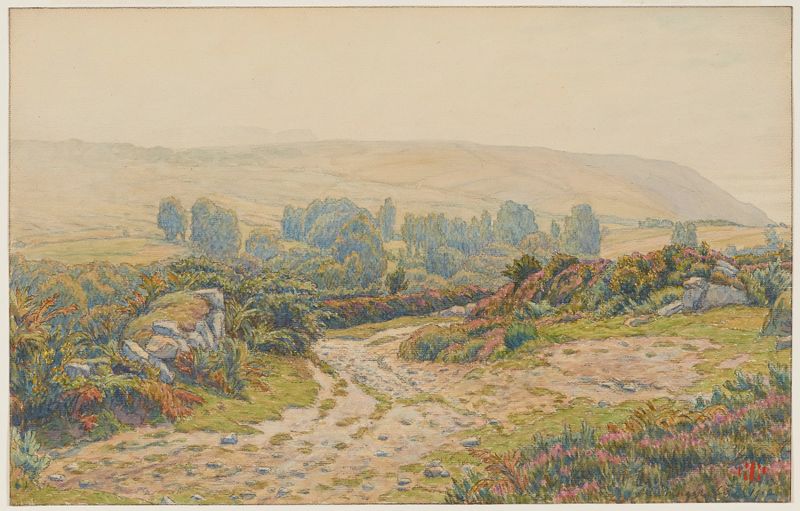
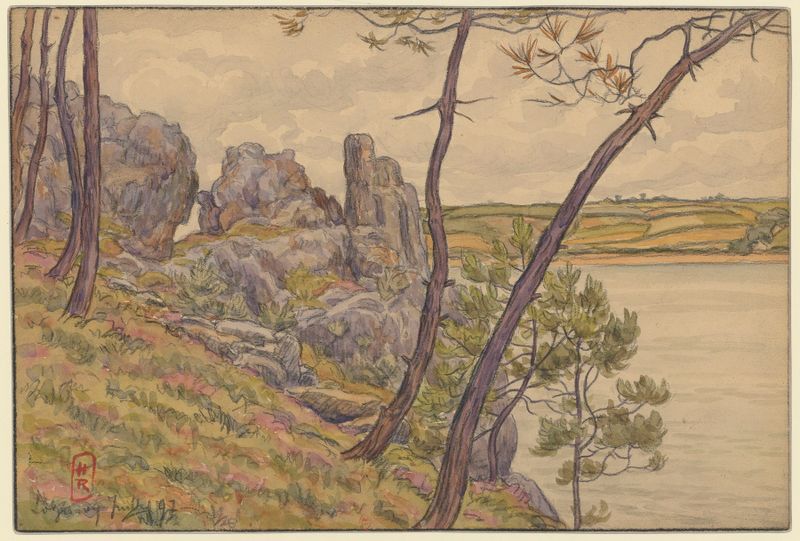
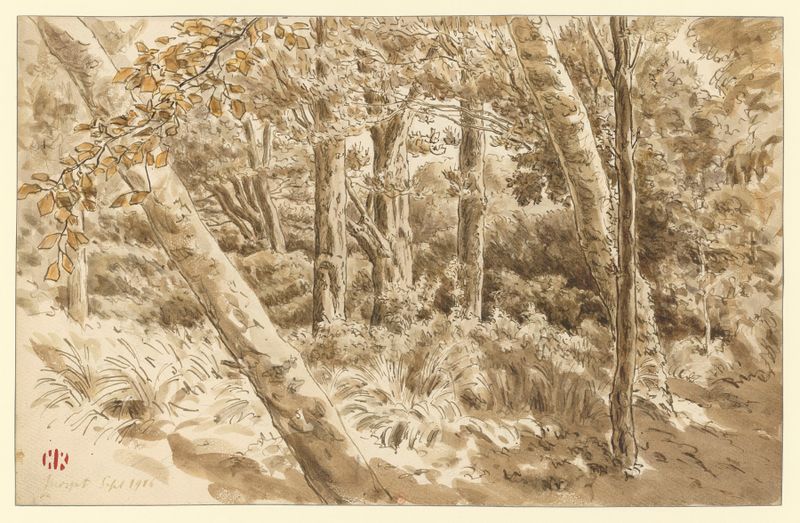
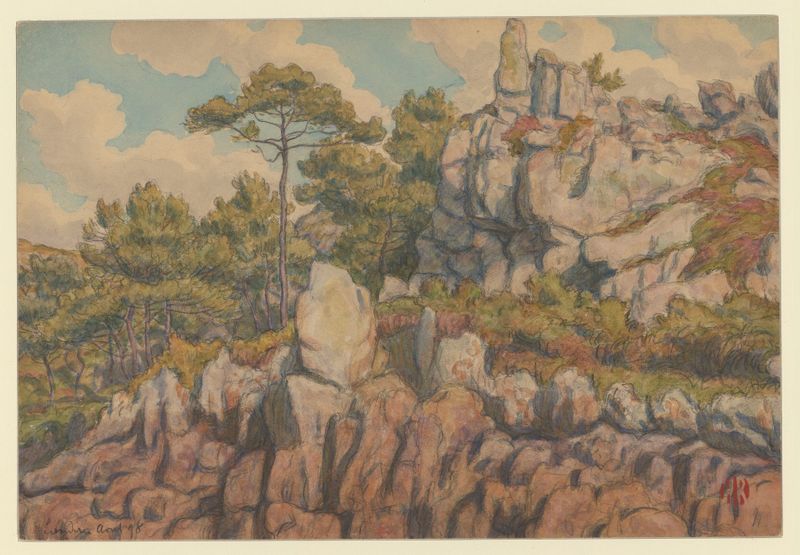
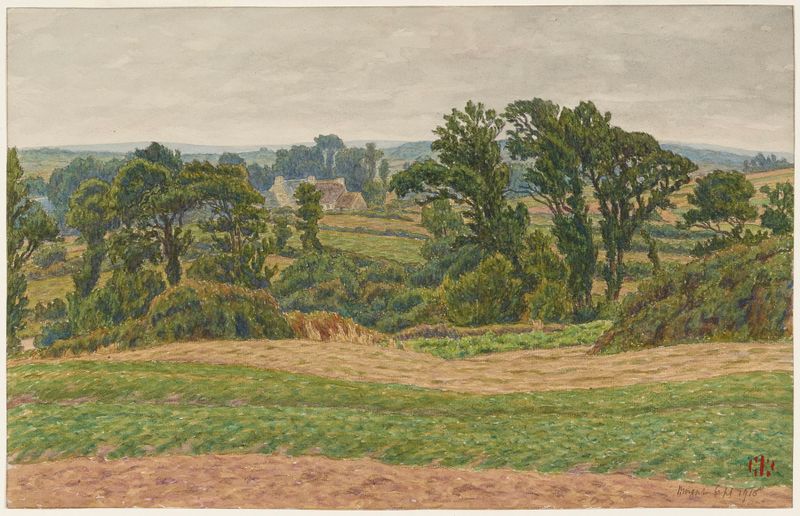
In Barberaz, the artist captures a landscape where untamed nature meets serene beauty, hinting at the revelation that lies within chaos itself. Look to the sweeping curves of the hills in the background, where shades of deep green interlace with vibrant golds. Notice how the brushstrokes blend, oscillating between chaos and cohesion, creating a dynamic rhythm that draws the eye. The foreground, filled with dense foliage, invites exploration, while the gentle interplay of light and shadow brings depth to the scene, revealing the artist's mastery of color and texture. The contrast between the wildness of the landscape and the tranquility that permeates the air speaks to a profound emotional tension.
The vibrant colors juxtaposed with softer pastels suggest a moment of transition, as if nature is caught between dawn and dusk, chaos and calm. This duality invites the viewer to reflect on the beauty that can emerge from disorder, a revelation that resonates deeply with the human experience. In 1918, as Rivière painted Barberaz, he was immersed in the turmoil of post-war Europe. This period marked a shift in both his life and the broader art world, as artists grappled with the scars left by conflict.
Living in France, Rivière sought solace in landscapes, transforming personal and collective turmoil into expressive art that reflected a yearning for beauty and peace amidst the chaos.