Bathers — History & Facts
What first draws the eye in Bathers is the easy intimacy of a summer’s day at the water’s edge, where children and women gather in a moment of gentle leisure. The artist, Albert Anker, leads us into the scene through the luminous blue of the sky, which spills down into the water and bathes the figures in a soft, embracing light. The central woman, dressed in white, holds a child’s hand as they wade, her calm smile and the child’s bashful gesture capturing a moment of encouragement and play.
Around them, the group forms a loose semicircle, each figure absorbed in their own ritual—some entering the water, others drying off or simply watching, lost in thought. The palette, with its fresh greens and sunlit flesh tones, conjures a mood of warmth and safety, while the careful placement of garments and the watchful older woman on the bank remind us that this is a world of care as much as freedom. Painted in 1865, this work belongs to a time when scenes of everyday rural life gained new dignity in European art, reflecting both changing social attitudes and the influence of Realism. Artists like Anker found poetry in the ordinary, capturing the rhythms of family and village life as industrialization began to reshape the countryside.
Such images were often commissioned or collected by those who longed for a vision of innocence and continuity, even as their own worlds grew more urban and uncertain. Now held by the Schweizerisches Institut für Kunstwissenschaft, this painting stands as a quiet testament to a vanished moment, inviting us to linger over every gesture and ripple—reminders of how art can make the fleeting enduring.
More Artworks by Albert Anker

Portrait Of A Girl
Albert Anker
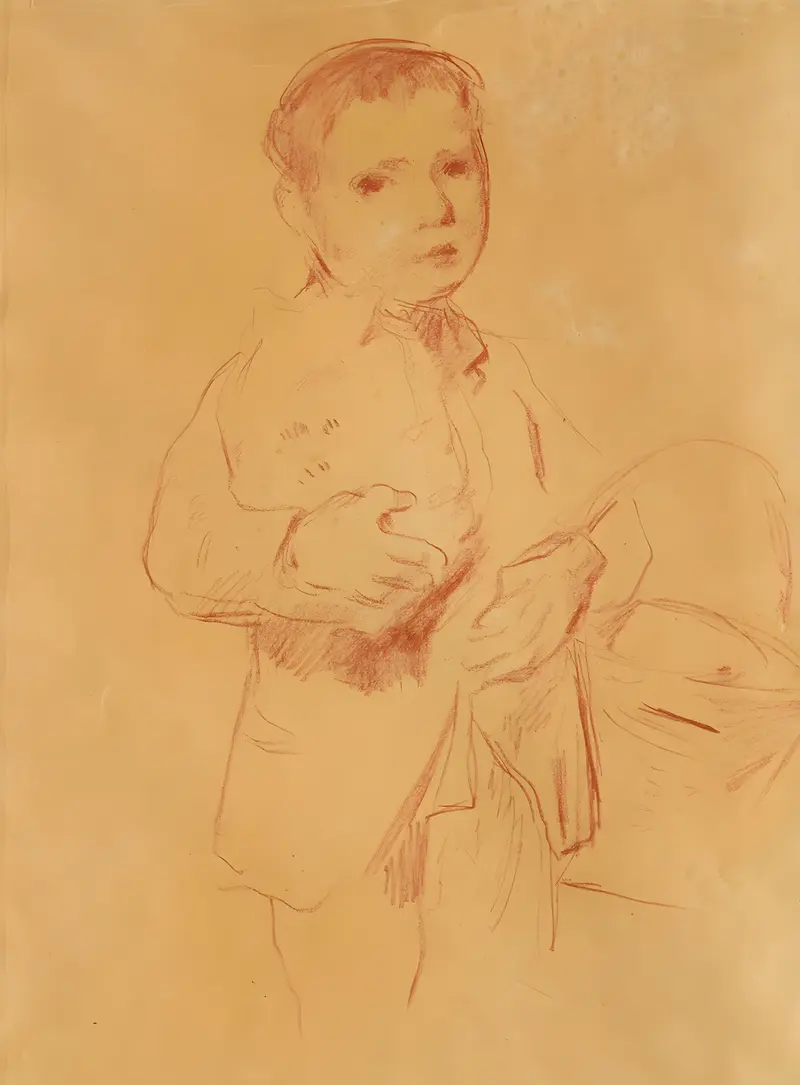
Boy with a basket
Albert Anker
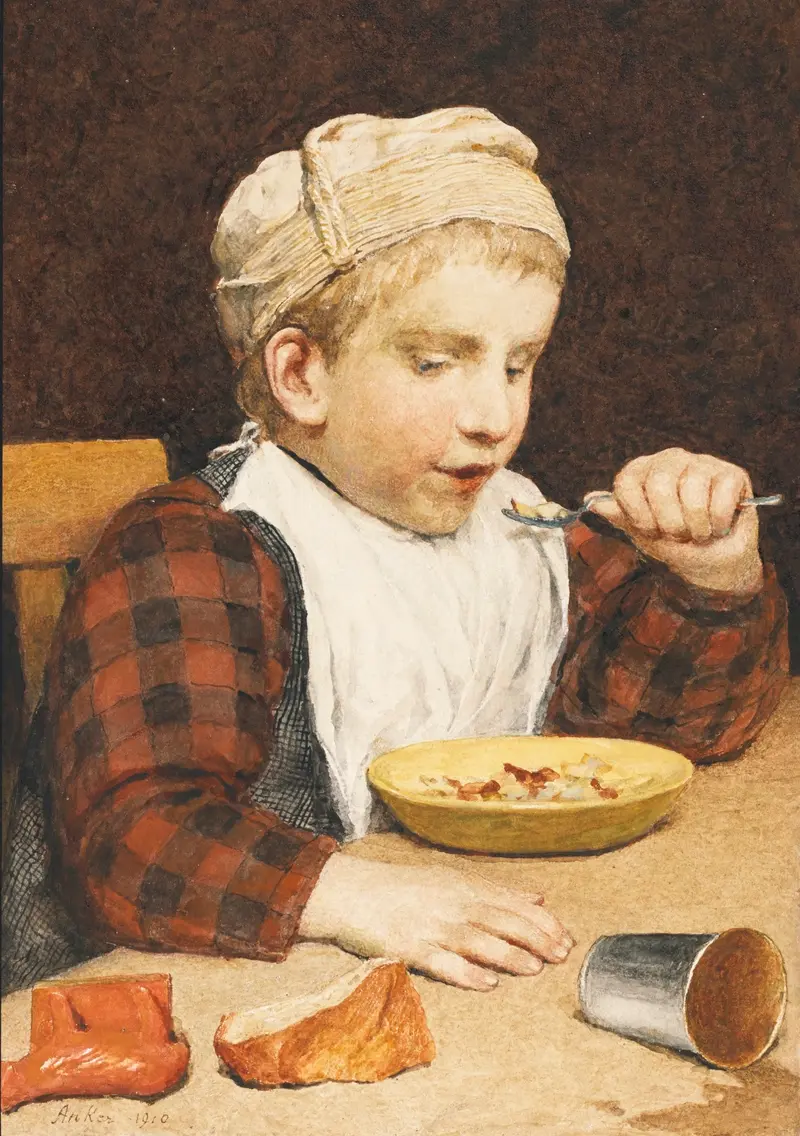
Knabe Mit Mütze Beim Essen
Albert Anker
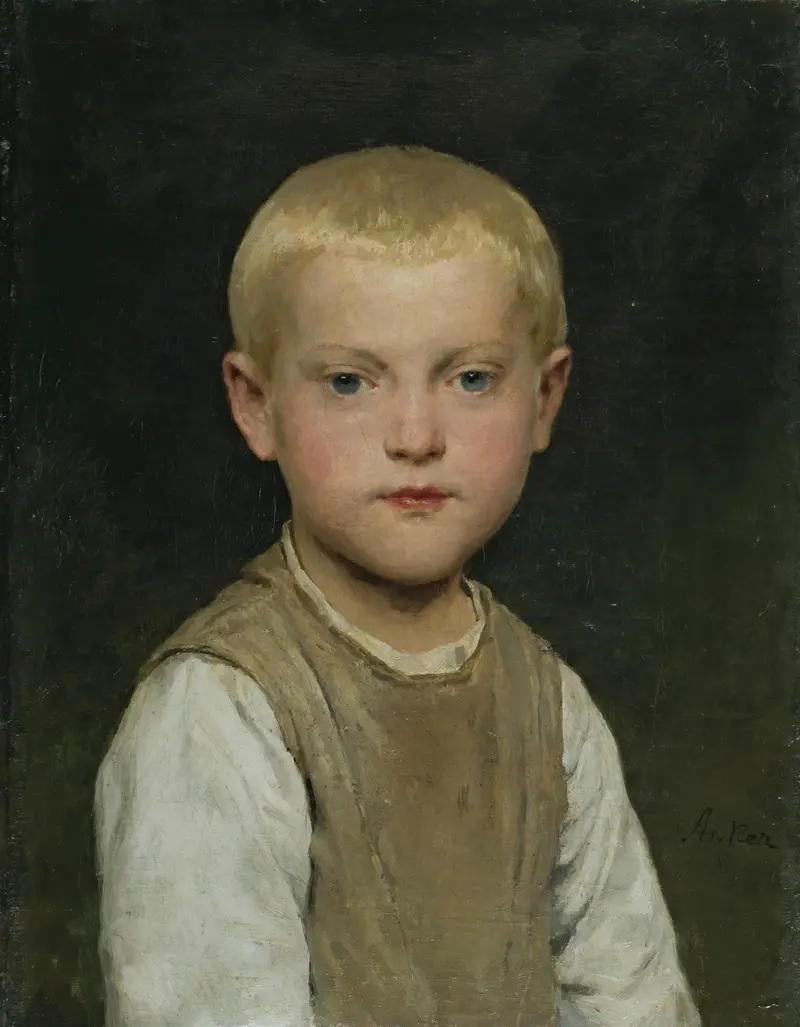
Knabenbildnis (Dr Heiri)
Albert Anker
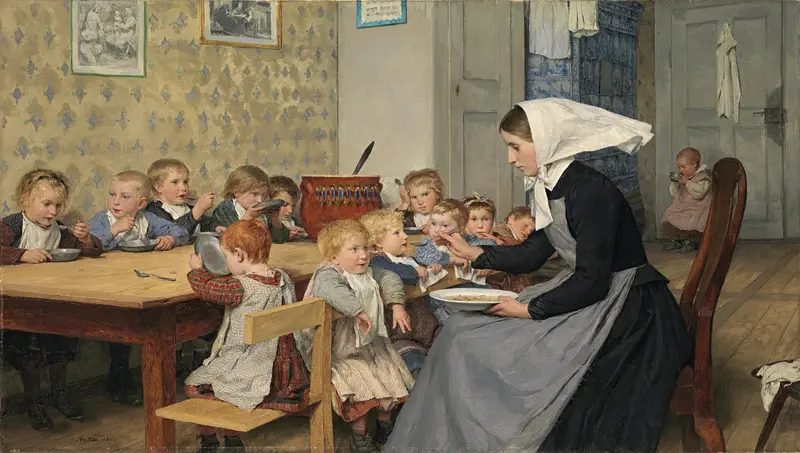
Die Kinderkrippe I
Albert Anker

L’instituteur et le pasteur
Albert Anker
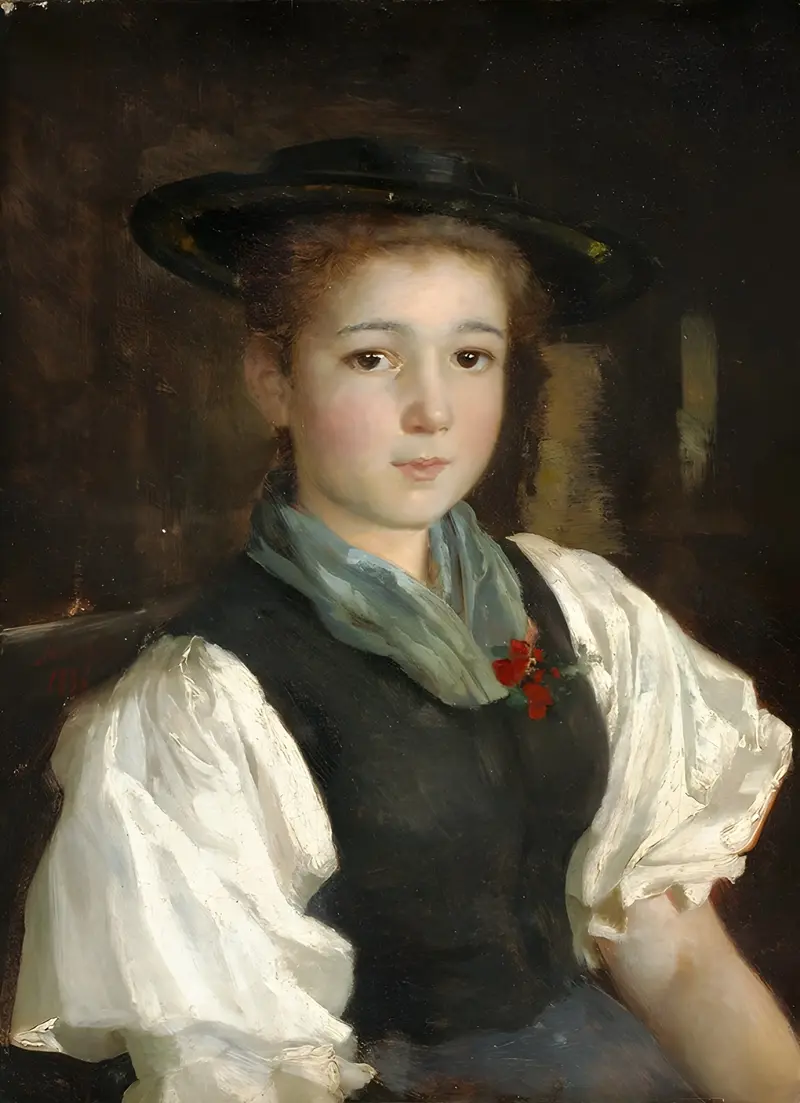
Bauernmädchen (Farm Girl)
Albert Anker
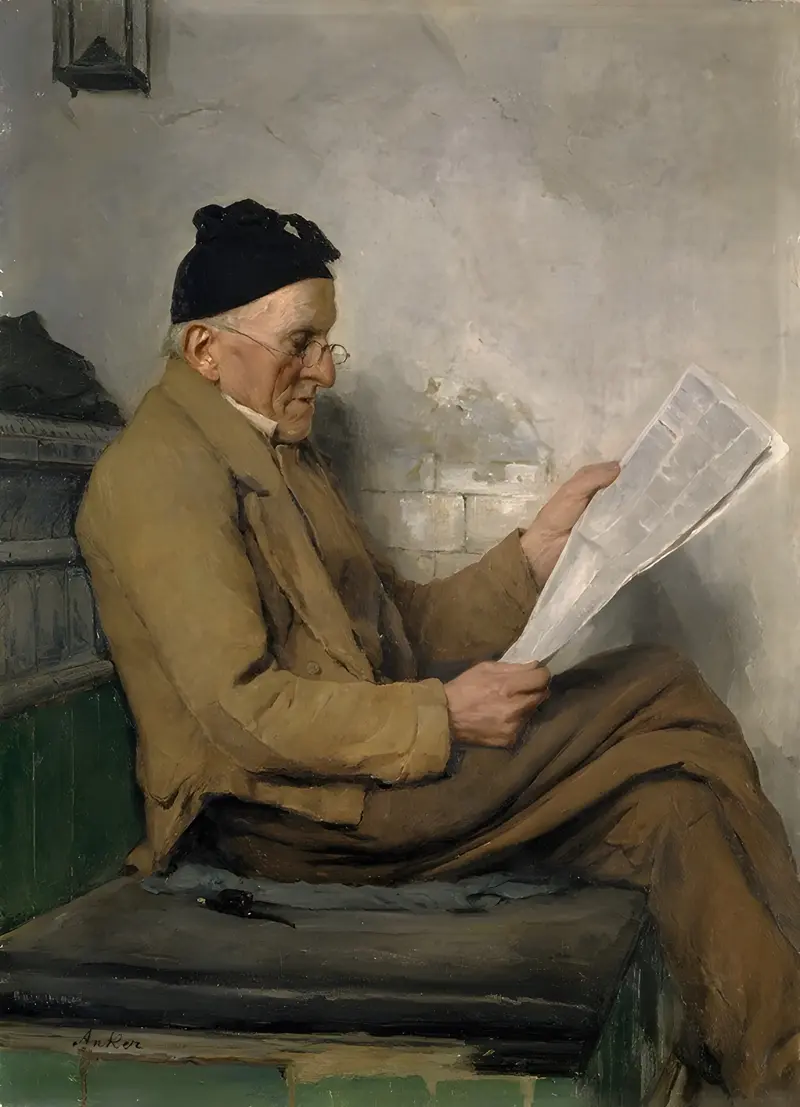
Farmer Reading on the Stove Bench
Albert Anker
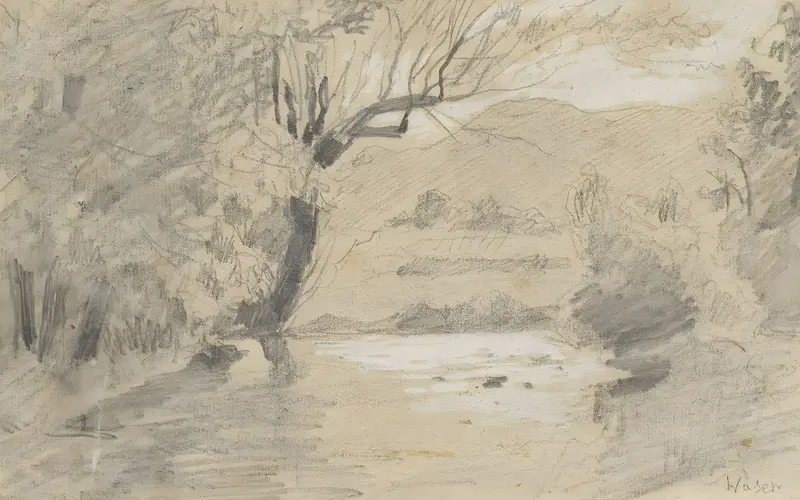
Flusslandschaft in Wasen (Emmental)
Albert Anker
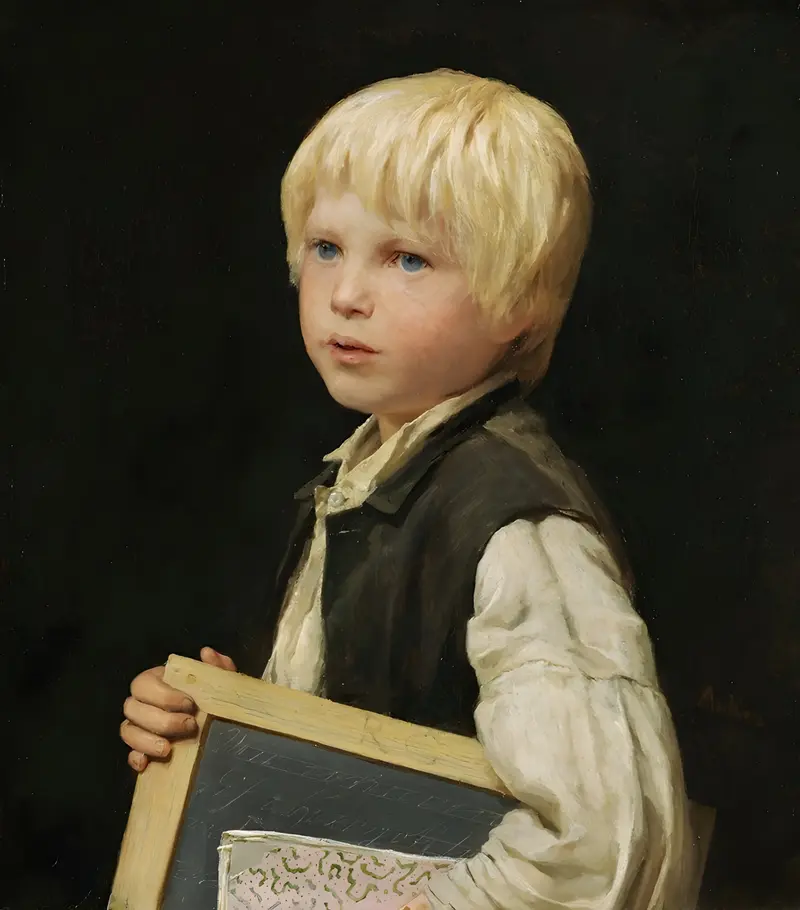
School Boy
Albert Anker