Bauerngarten am Chiemsee — History & Facts
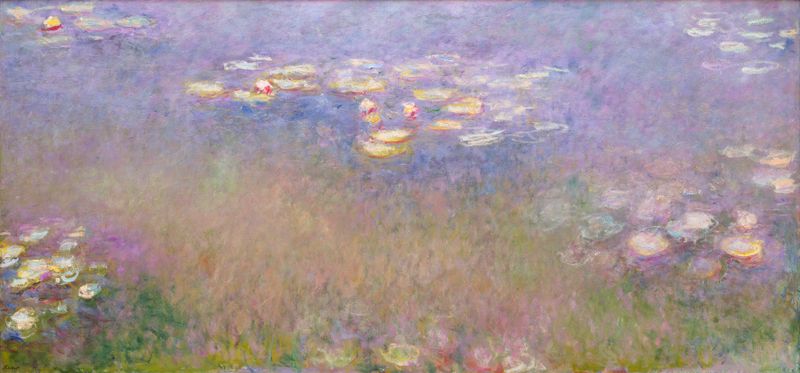
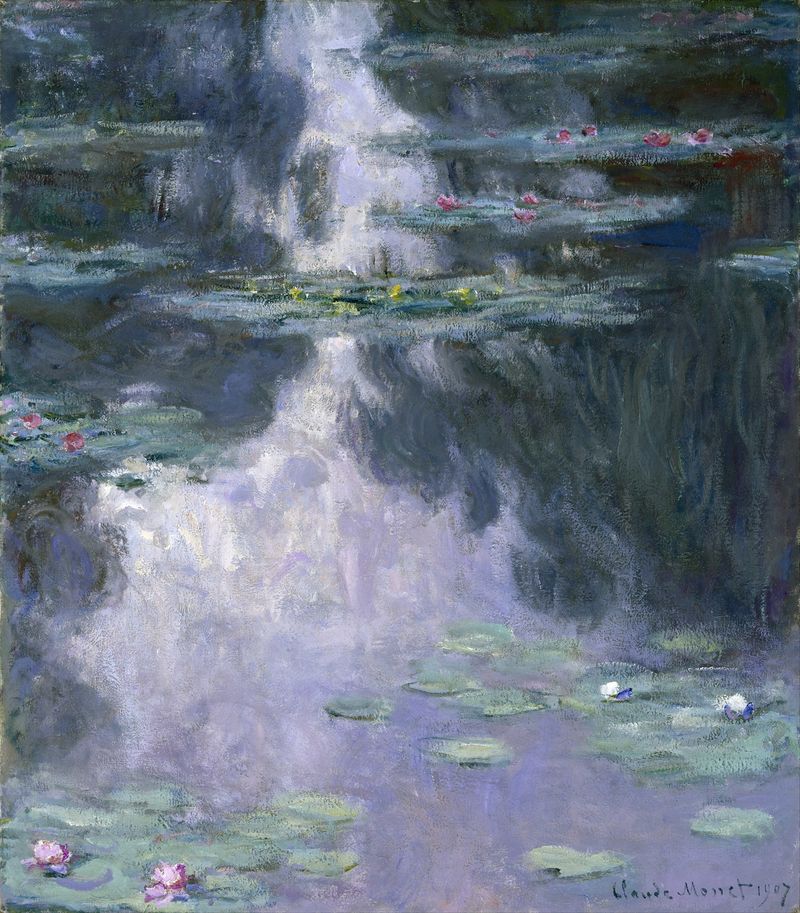
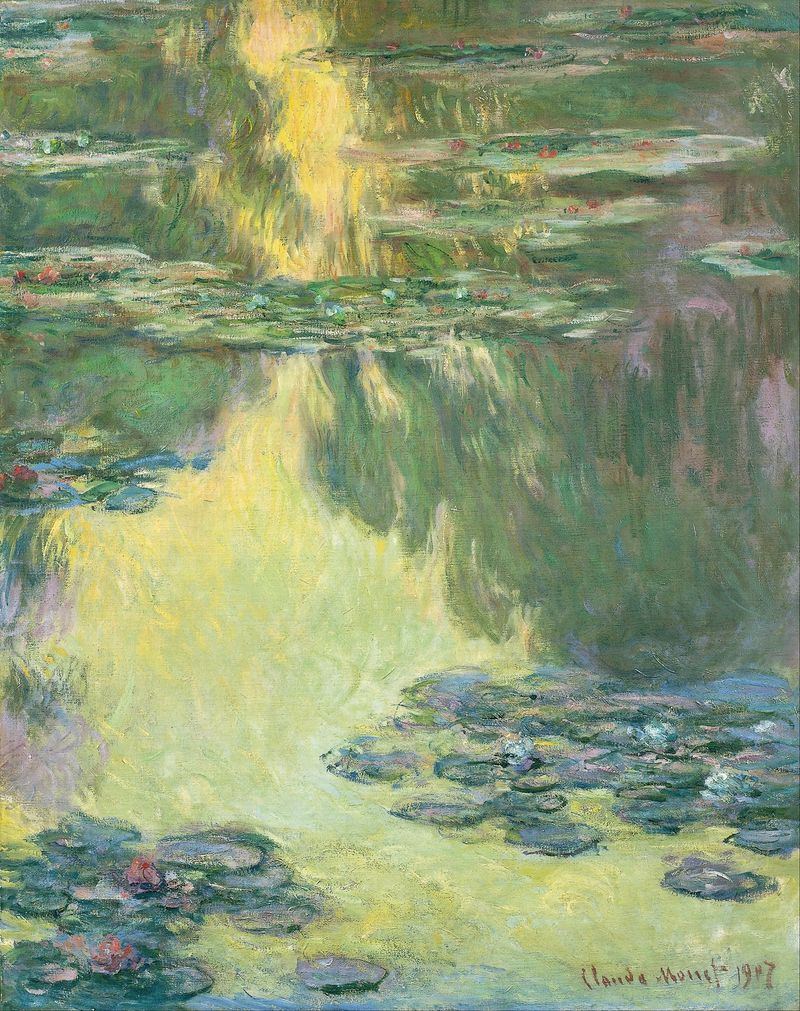
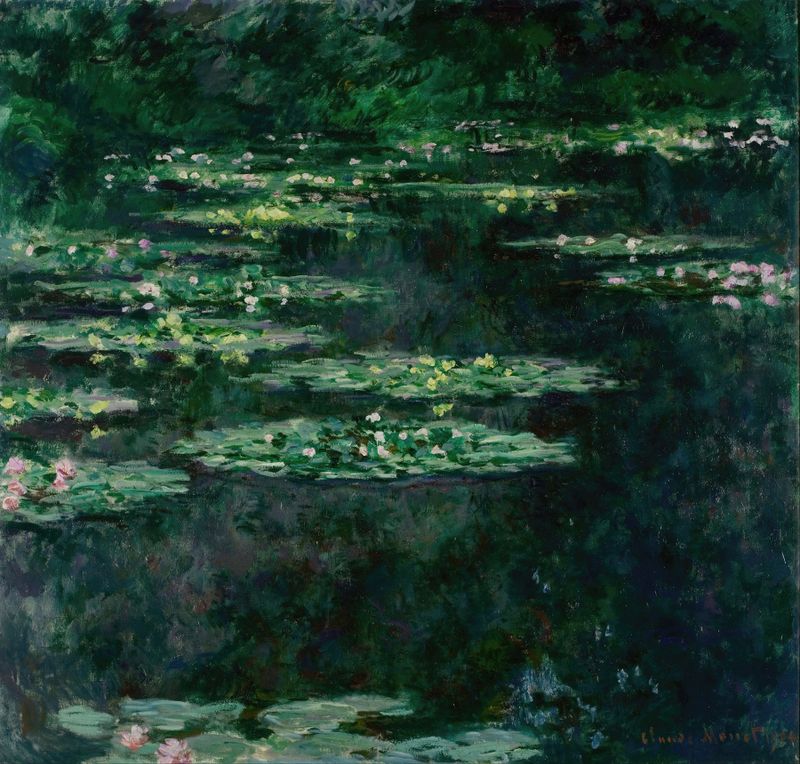
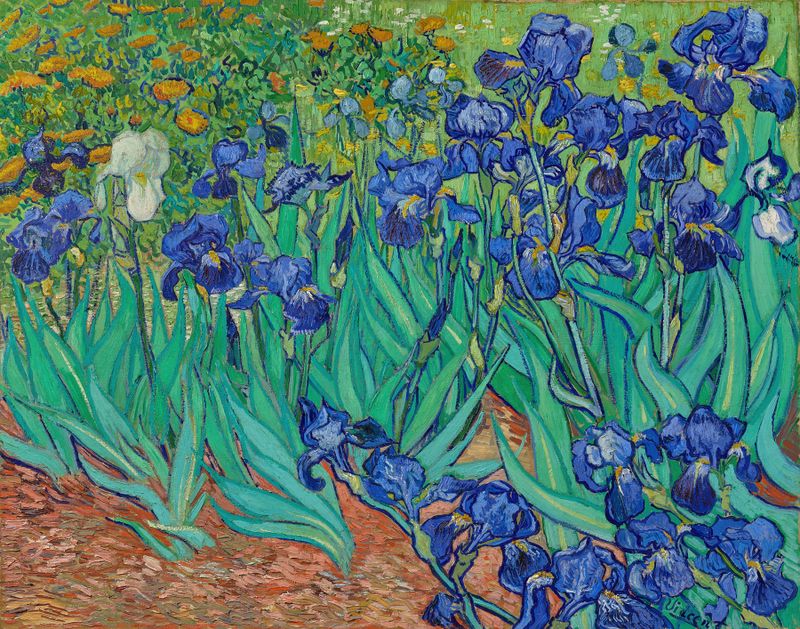
What if silence could speak through light? In Bauerngarten am Chiemsee, the gentle radiance of a sunlit garden whispers tales of memory and tranquility, inviting the viewer to linger in its embrace. Look to the left at the array of vibrant blooms, each petal rendered with careful brushwork, revealing a riot of colors that dance in harmonious unity. Notice how the sunlight filters through the foliage, casting playful shadows on the earth below, enhancing the sense of depth and inviting the eye to wander. The meticulous arrangement of plant life, coupled with the delicate strokes of the artist, creates an illusion of lushness that feels both intimate and expansive. Beyond its beauty, the painting explores the juxtaposition of nature's vibrancy against the stillness of the surrounding world.
The blooms, full of life, serve as a stark contrast to the tranquil paleness of the distant water, creating a tension between flourishing vibrancy and serene calm. The garden hints at memories held within its confines, symbolizing the passage of time and the ephemeral nature of beauty—a reminder of life's fleeting moments. Created in 1908, this piece emerged during a period when Hermann Groeber was deeply influenced by the Impressionist movement, striving to capture the ephemeral effects of light and atmosphere. Living in Germany amidst an evolving art scene, he sought to convey the emotional resonance of landscapes and gardens, reflecting both personal experiences and broader cultural shifts in his work.