
Bauernhaus im Seeland — History & Facts
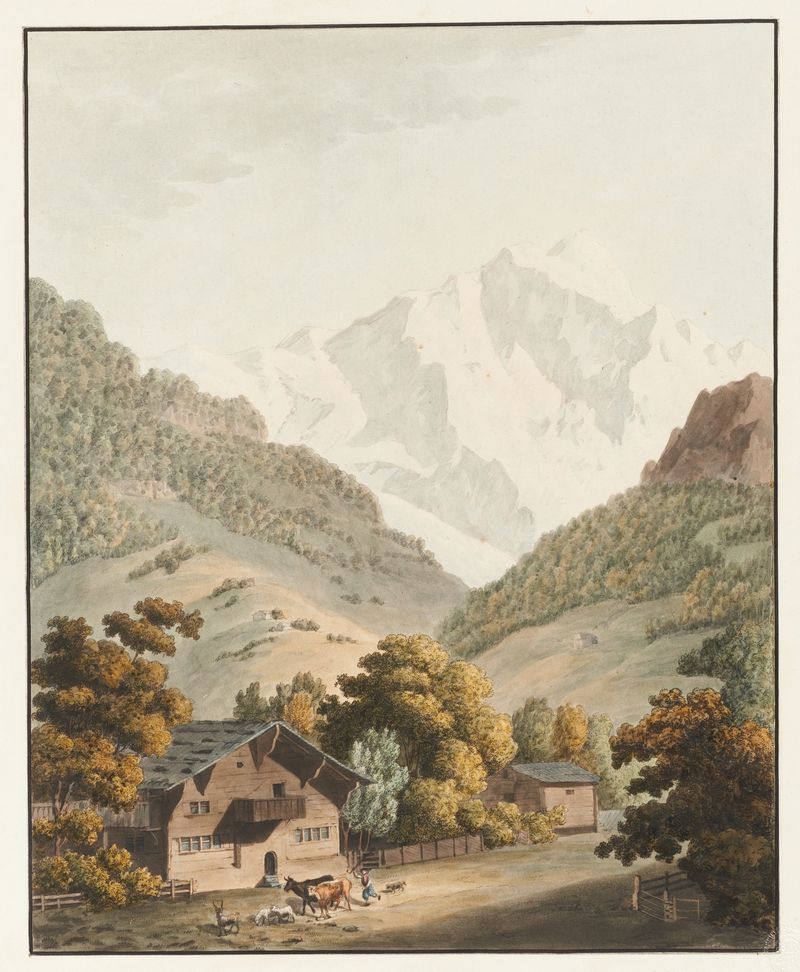
What secret hides in the quiet of the canvas? Within the gentle strokes and muted hues, a stillness whispers, inviting contemplation and reflection. Look to the center of the painting, where a humble farmhouse stands proudly amidst a serene landscape. Notice how the soft colors blend together—earthy browns and deep greens coaxing the eye to explore the surrounding nature. The brushwork is delicate, creating a textured façade that contrasts with the smoothness of the sky above.
The light dapples through the clouds, casting a gentle glow that hints at the passage of time, while the shadows deepen the sense of solitude. There’s a palpable tension between the vibrant landscape and the isolated structure, a juxtaposition that speaks of both comfort and loneliness. The absence of people hints at life beyond the canvas, suggesting stories untold. Look closely at the overgrown grass and wildflowers; they seem to cradle the house, representing nature’s resilience and the inevitable encroachment of time.
The painting captures a moment suspended between nostalgia and transience, urging the viewer to ponder what once was and what might yet remain. Created during a period of transition in the late 18th century, the artist distilled the essence of rural life into Bauernhaus im Seeland. At this time, Aberli was focused on capturing Swiss landscapes, reflecting the growing appreciation for pastoral scenes amidst the Enlightenment’s gaze. This work embodies both a personal exploration of home and a broader commentary on the changing relationship between humanity and the natural world.
More Artworks by Johann Ludwig Aberli
Browse all →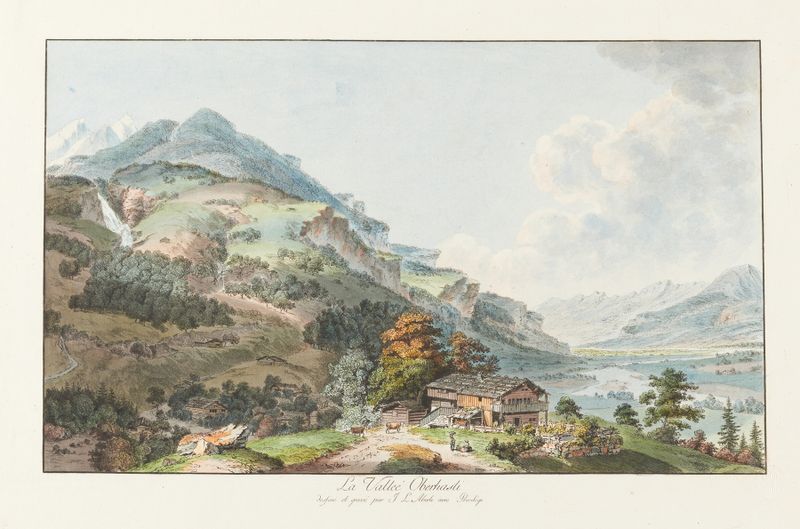
La Vallée Oberhasli
Johann Ludwig Aberli
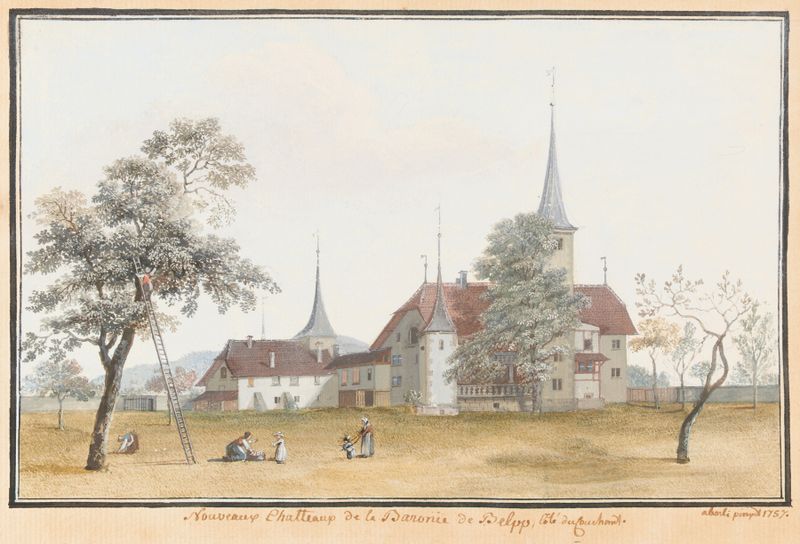
Nouveaux Chatteaux de la Baronie de Belpp; Côté du Couchant
Johann Ludwig Aberli
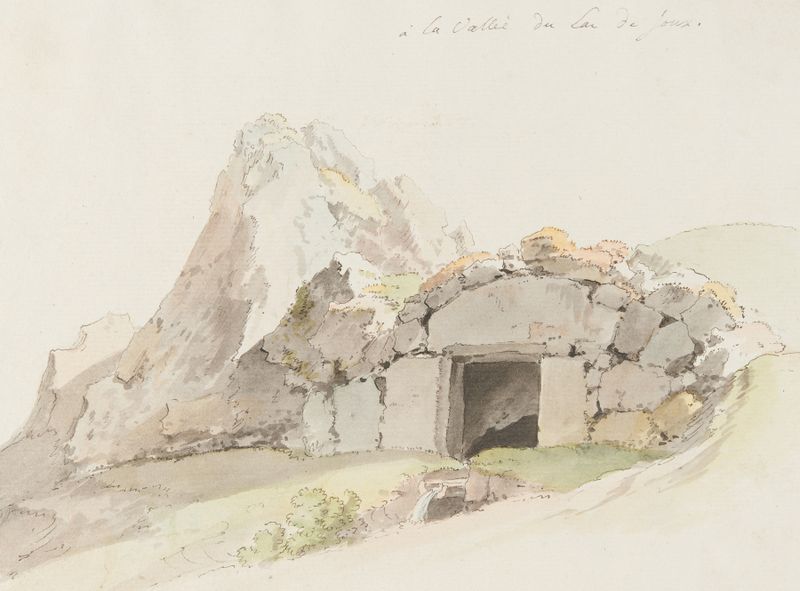
à la Vallèe du Lac de Joux
Johann Ludwig Aberli
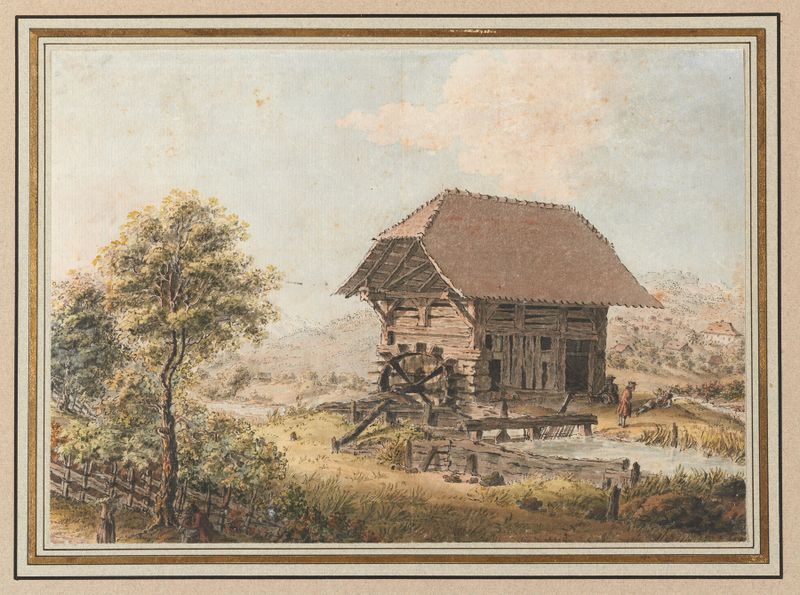
Ansicht einer Mühle im Berner Mittelland
Johann Ludwig Aberli
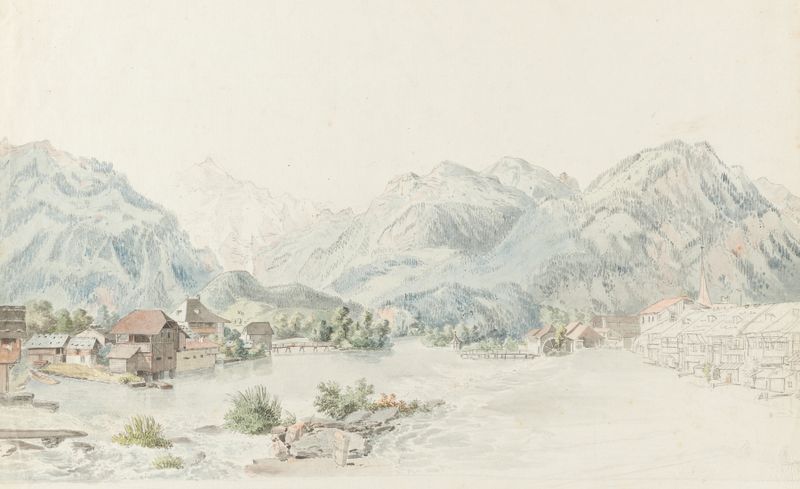
Ansicht von Unterseen
Johann Ludwig Aberli
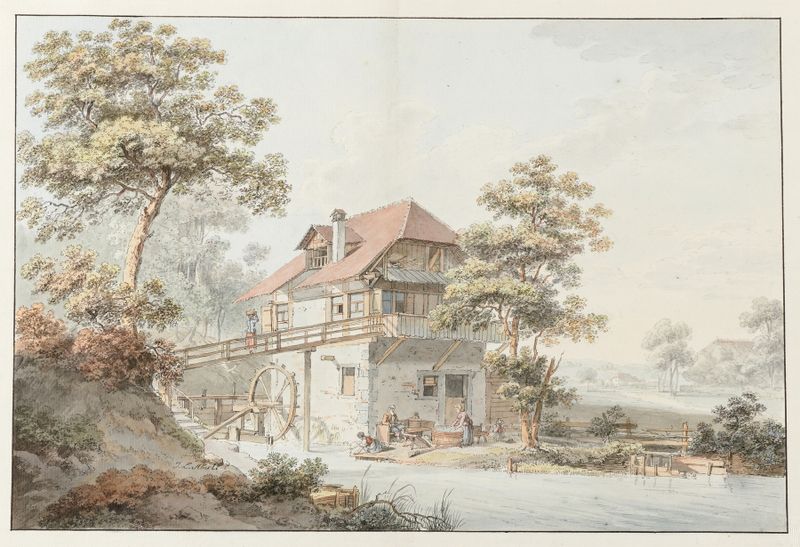
Ansicht einer Mühle im Berner Mittelland.
Johann Ludwig Aberli
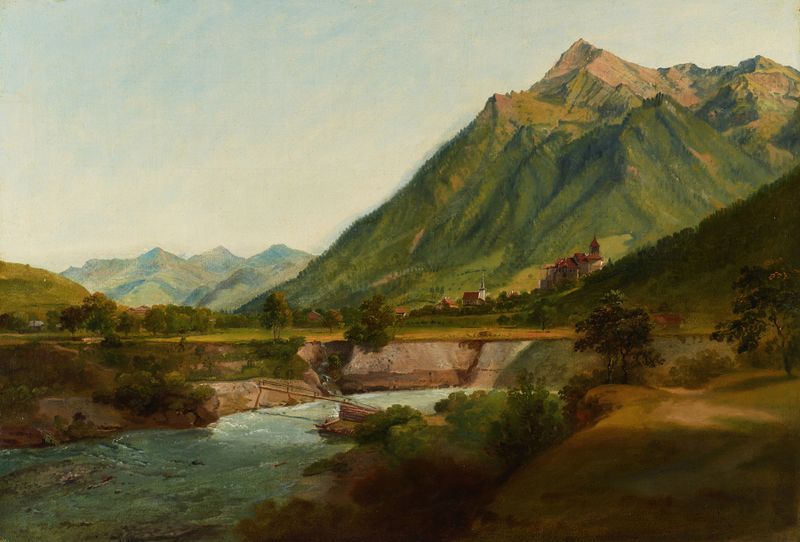
Vue du Château de Wimmis et des environs
Johann Ludwig Aberli
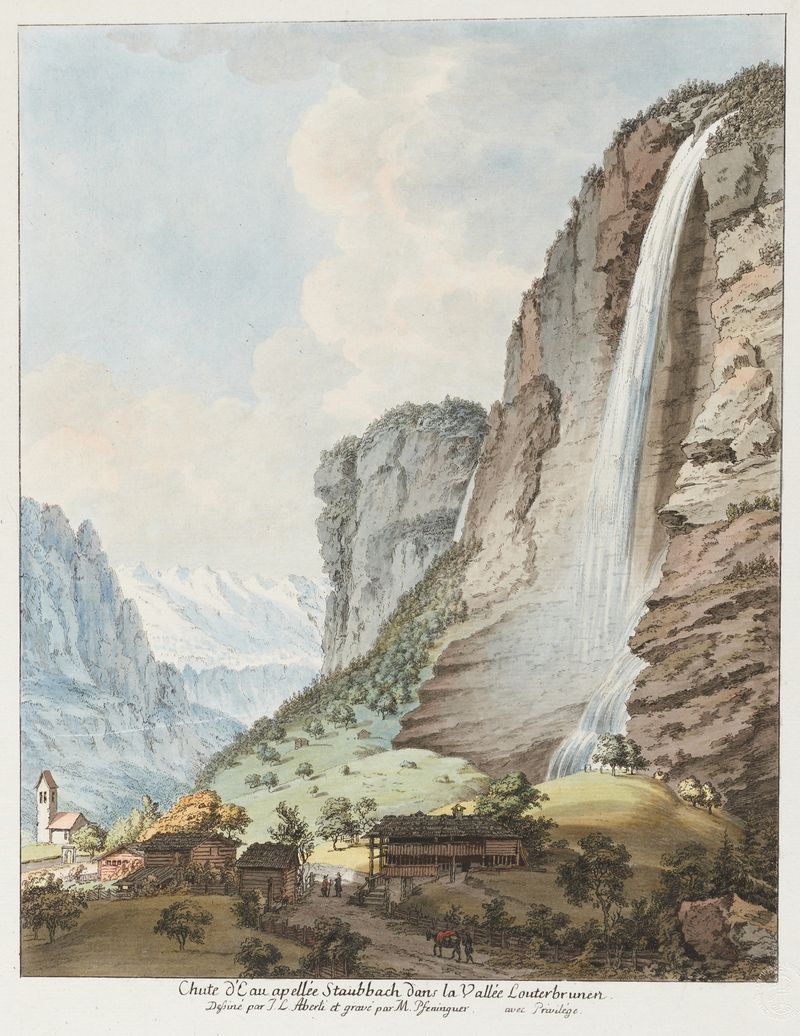
Chute d’Eau apellée Staubbach dans la Vallée Louterbrunnen
Johann Ludwig Aberli
Vue du Jungfrau-Horn
Johann Ludwig Aberli
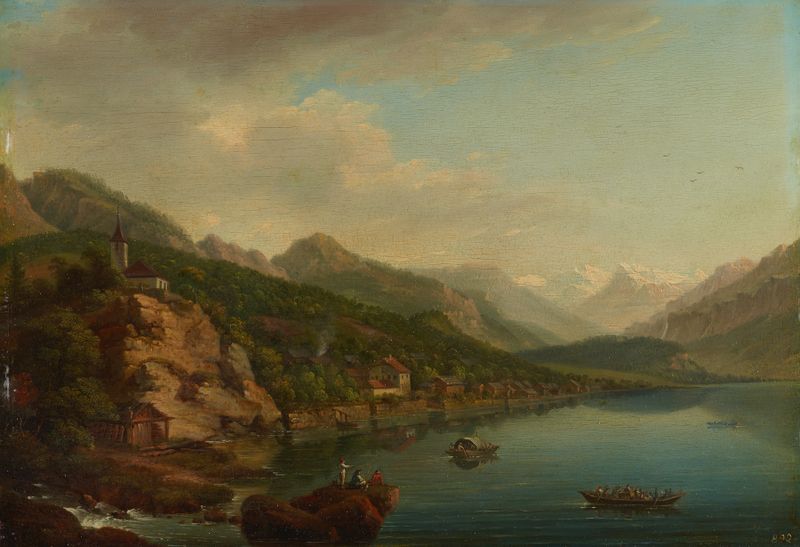
Vue du Village et du Lac de Brientz
Johann Ludwig Aberli





