
Baumstudie aus der Villa d’Este in Tivoli — History & Facts
What if beauty was never meant to be finished? In a world where memories fade and landscapes change, the essence of nature can often feel elusive, and yet, it is captured vividly in this painting. Look to the center of the canvas, where a majestic tree stands proud against an azure sky. Its gnarled branches stretch outward, inviting your gaze upwards into a tapestry of textured leaves, painted with a careful blend of greens and ochres. Notice how the light filters through the foliage, casting dappled shadows on the ground below, and illuminating the delicate details of the bark, each stroke a testament to the artist's hand.
The playfulness of color and light draws you deeper into the scene, as though you are walking beneath the canopy. Yet, the tranquility of the scene belies a deeper yearning—a contrast between permanence and transience. The sturdy trunk suggests strength and stability, while the shifting light hints at the passage of time, evoking a fleeting memory of moments spent in nature’s embrace. The lush greenery encapsulates a thriving vitality, yet it reminds us of the inevitable cycle of life.
The artist captures not just the physical beauty of the tree but also the emotional resonance of what it means to bear witness to such splendor. In 1880, at a time when the art world was increasingly fascinated with realism and nature, Kanoldt painted this work while residing in Italy, amidst the grandeur of the Villa d’Este in Tivoli. The lush gardens and rich history inspired many artists of the era, and he sought to convey the organic beauty found in this remarkable setting, reflecting both his personal journey and the broader artistic movements of his time.
More Artworks by Edmund Kanoldt
Browse all →
Felshang mit Bäumen bei Olevano
Edmund Kanoldt
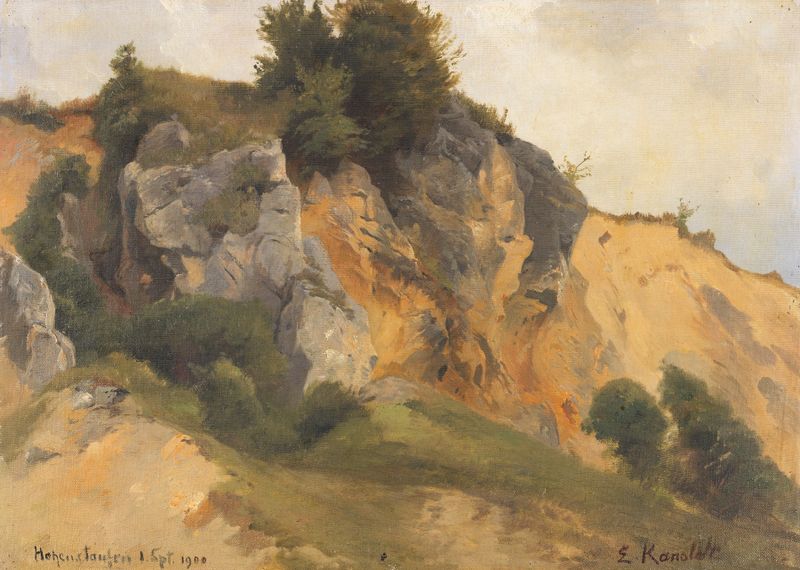
Felsterrain Bei Hohenstaufen
Edmund Kanoldt
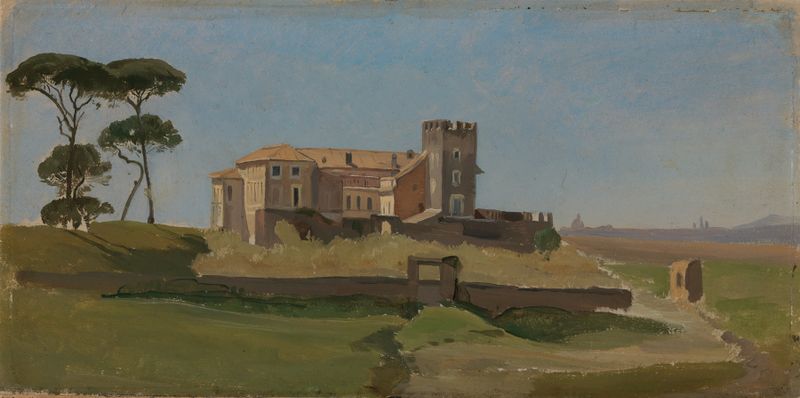
Motiv aus der römischen Campagna
Edmund Kanoldt

Im Park der Villa d’Este bei Tivoli
Edmund Kanoldt
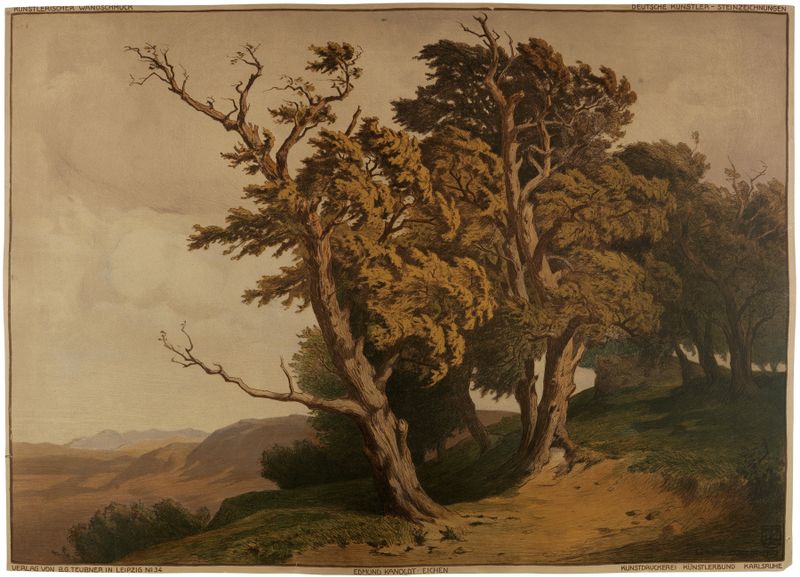
Eichen
Edmund Kanoldt

Italienisches Städtchen am Meer
Edmund Kanoldt
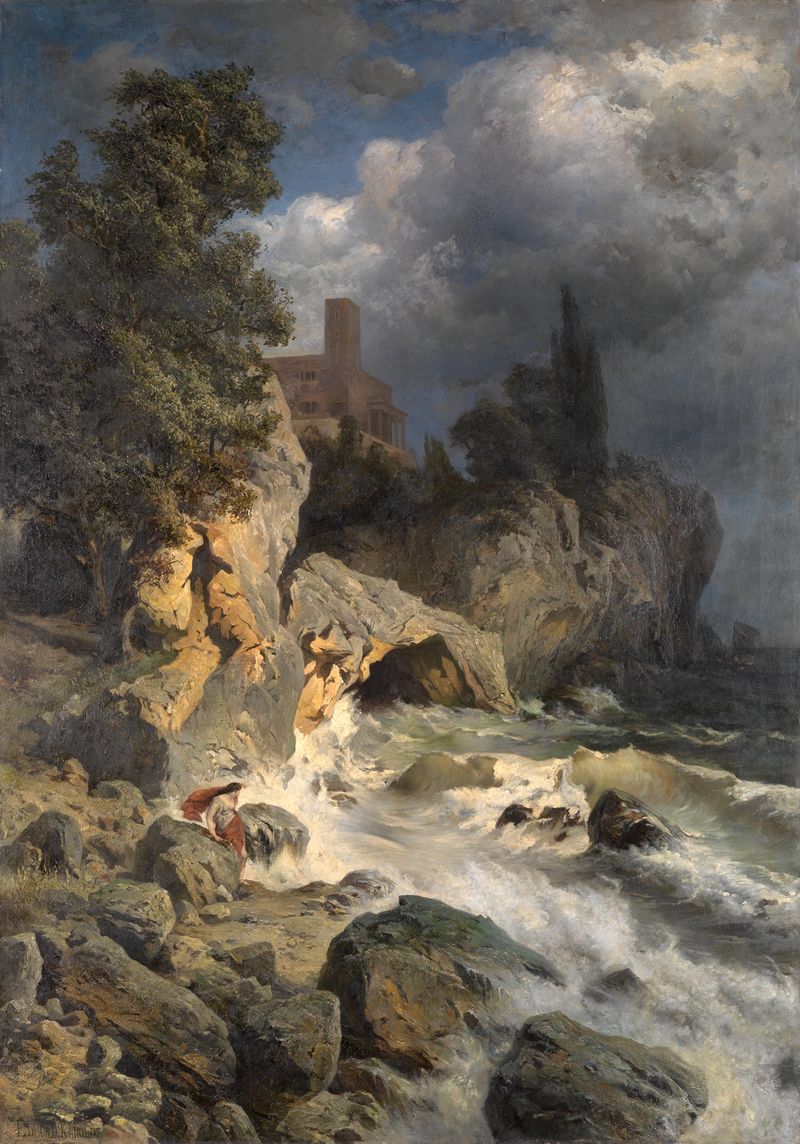
Landschaft mit Hero Leander erwartend
Edmund Kanoldt
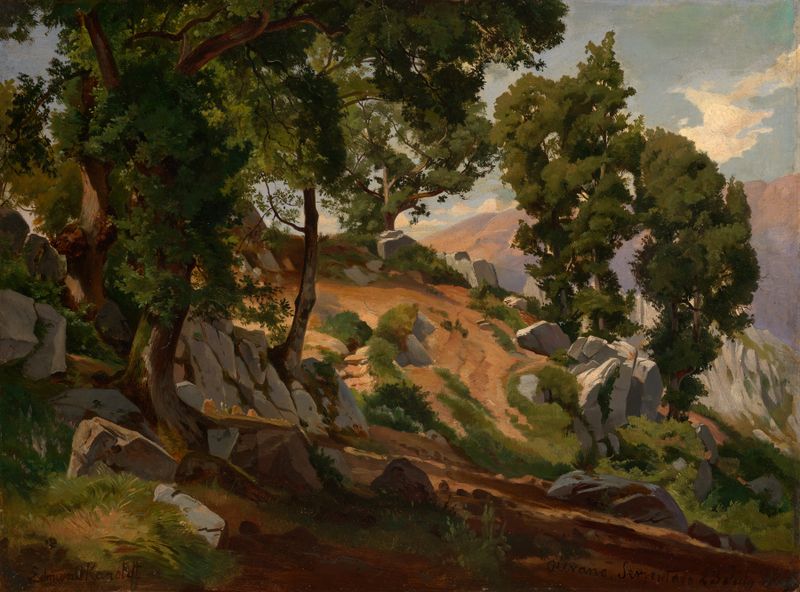
Aus der Serpentara bei Olevano
Edmund Kanoldt
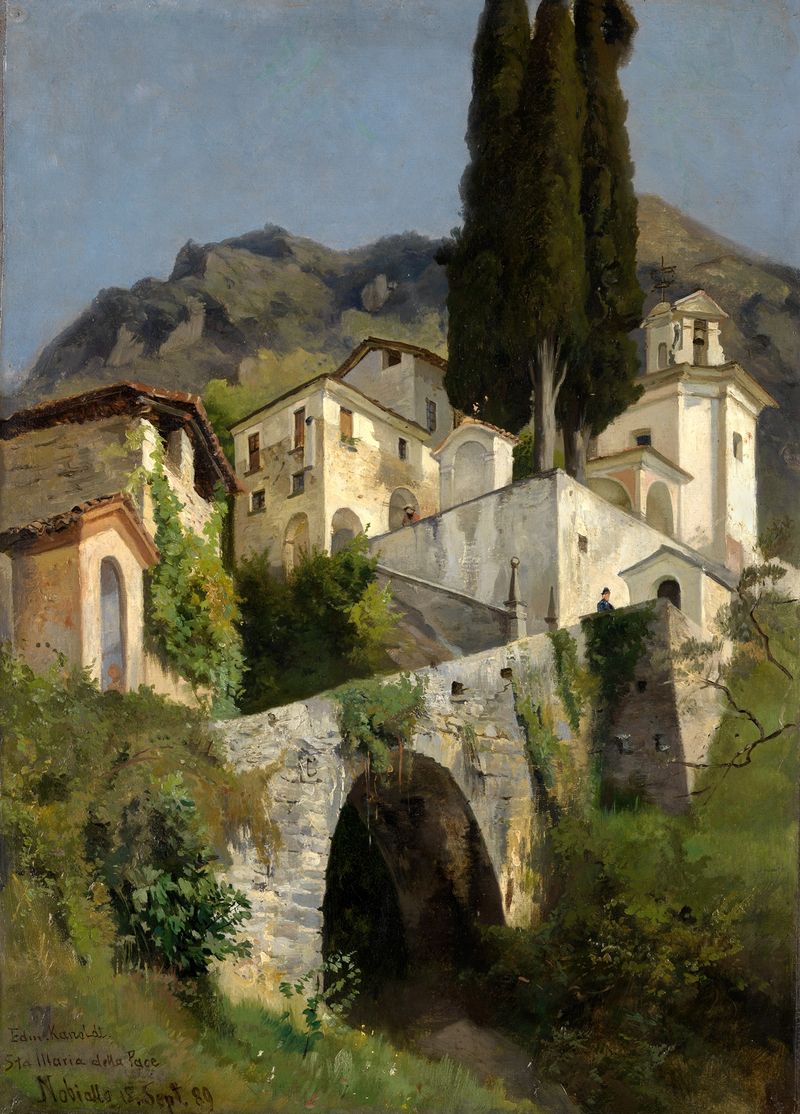
Sta. Maria della Pace in Nobiallo
Edmund Kanoldt

Abendstimmung aus der Villa Palavicini in Pegli bei Genua
Edmund Kanoldt





