
Eichen — History & Facts
Could a single brushstroke hold eternity? In the delicate strokes of Eichen, the tension between fear and tranquility unfolds, inviting us to explore the depths of the human experience encapsulated within the natural world. Look closely at the vibrant greens of the towering oak, suffused with a soft, golden light that evokes a sense of serenity. Notice how the light filters through the leaves, casting intricate shadows on the forest floor, leading the viewer's gaze deeper into the lush foliage. The artist’s meticulous brushwork brings the bark to life, each texture telling a story and grounding the viewer in the oak's ancient presence, while the background fades into a dreamlike blur. Beneath the surface, there lies a profound exploration of existential fear.
The oak, steadfast yet solitary, embodies the paradox of strength and vulnerability. The interplay of light and shadow suggests a lurking anxiety, as if the very air around the tree is thick with unspoken thoughts. The stillness of the scene contrasts sharply with the emotional weight it carries, inviting contemplation on the passage of time and the fragility of life. Edmund Kanoldt painted Eichen in 1903 while residing in Germany, a period marked by significant shifts in the world of art, particularly with the rise of Symbolism.
He sought to capture the emotional resonance of nature, reflecting both personal and collective anxieties of the time. This work stands as a testament to Kanoldt's commitment to infusing landscapes with profound emotional depth, ensuring that even in stillness, the heart can resonate with unvoiced fears.
More Artworks by Edmund Kanoldt
Browse all →
Felshang mit Bäumen bei Olevano
Edmund Kanoldt
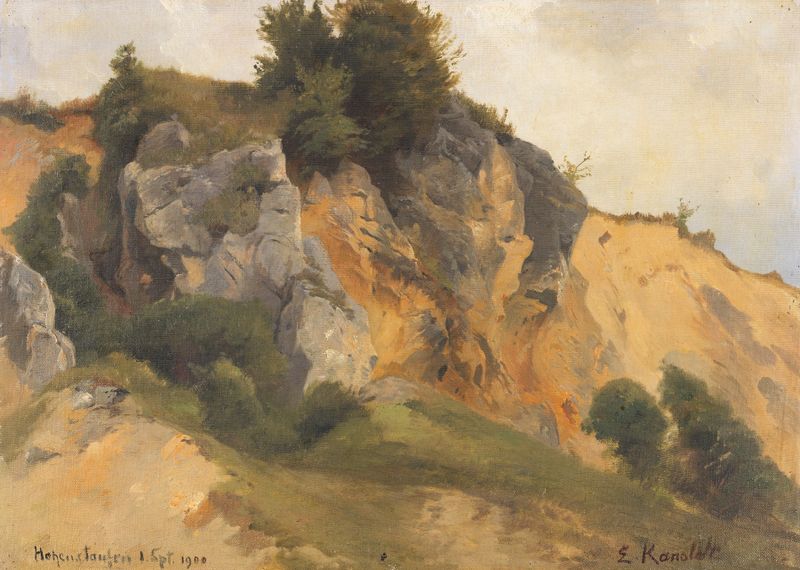
Felsterrain Bei Hohenstaufen
Edmund Kanoldt
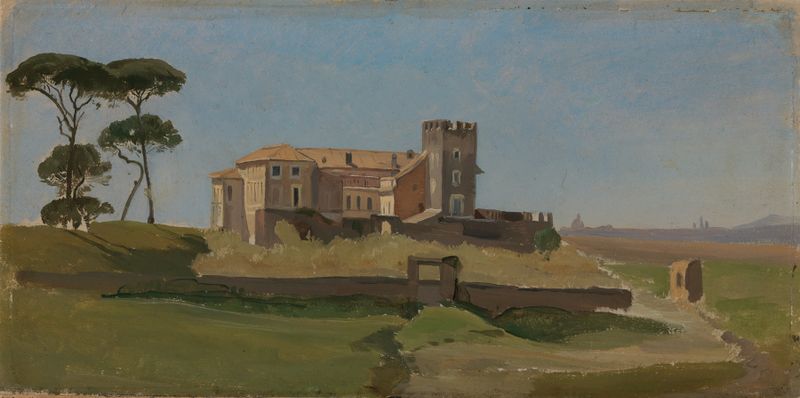
Motiv aus der römischen Campagna
Edmund Kanoldt

Im Park der Villa d’Este bei Tivoli
Edmund Kanoldt
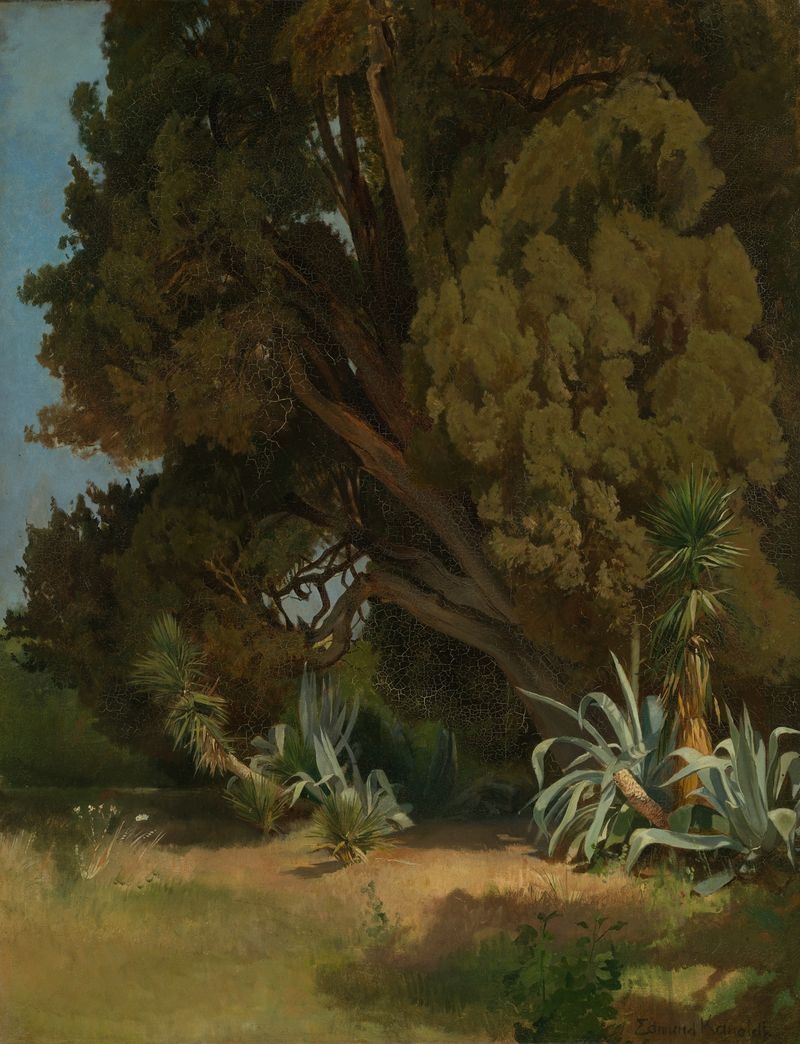
Baumstudie aus der Villa d’Este in Tivoli
Edmund Kanoldt

Italienisches Städtchen am Meer
Edmund Kanoldt
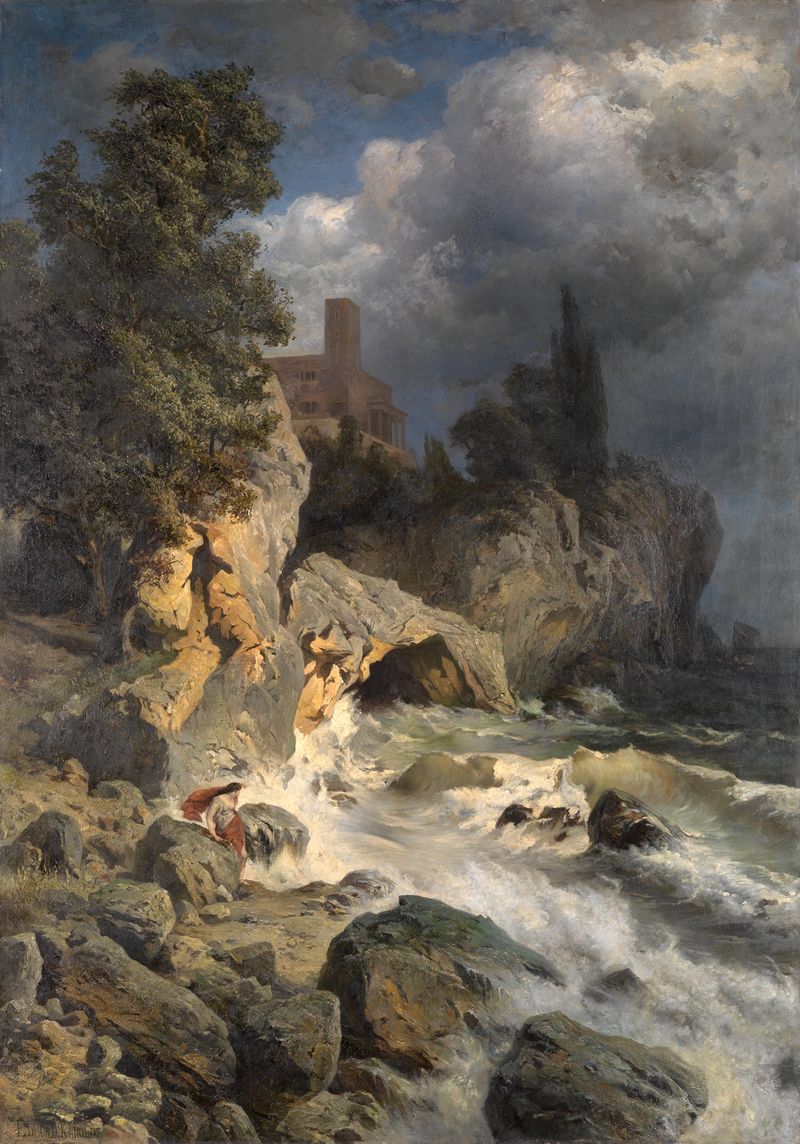
Landschaft mit Hero Leander erwartend
Edmund Kanoldt
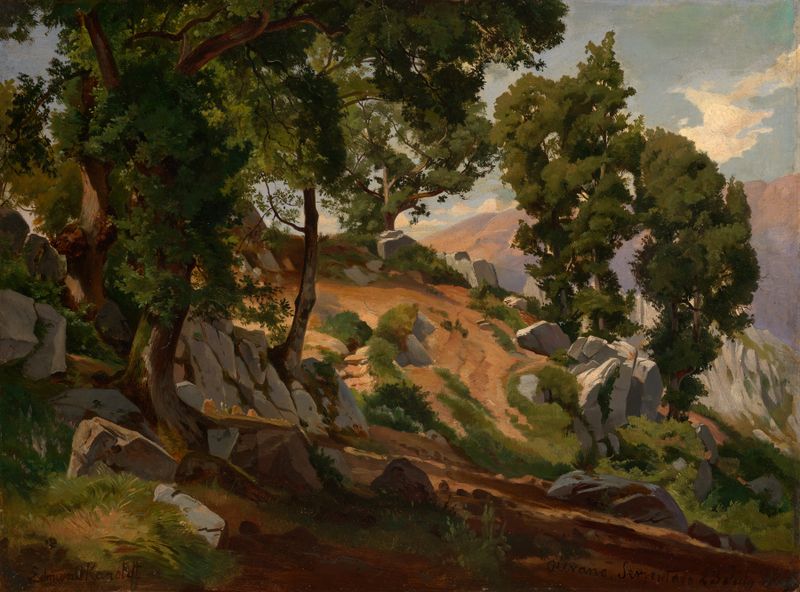
Aus der Serpentara bei Olevano
Edmund Kanoldt
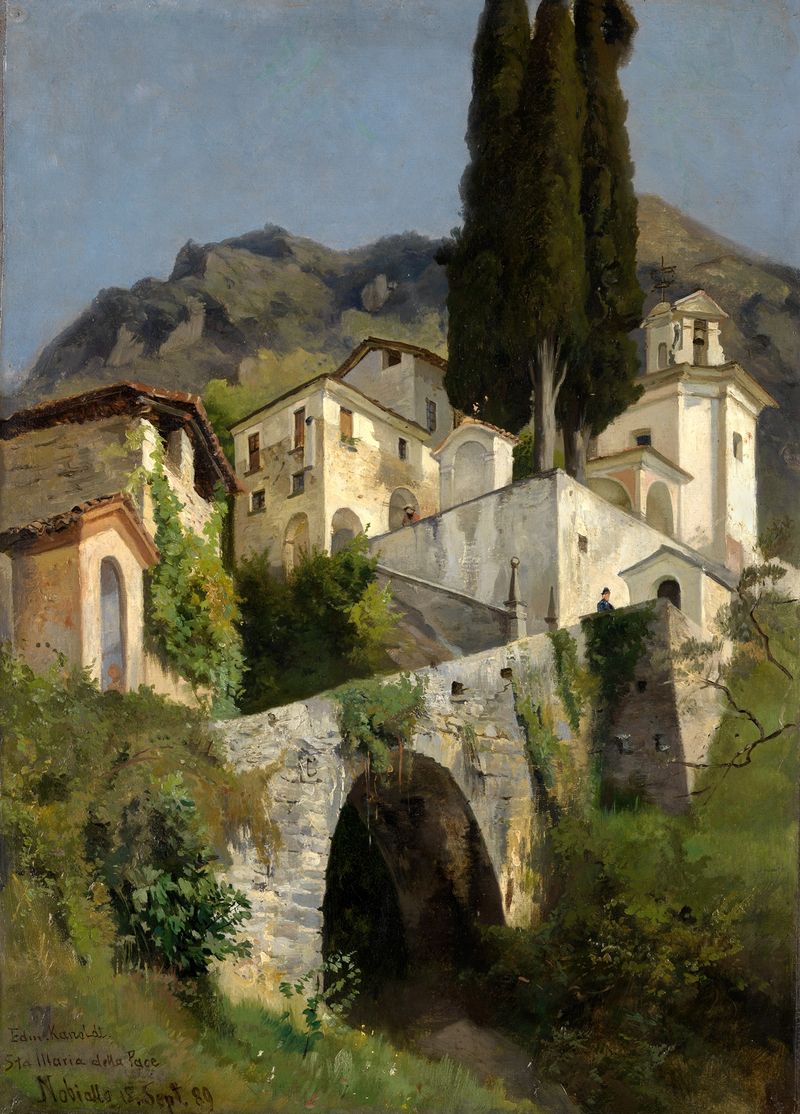
Sta. Maria della Pace in Nobiallo
Edmund Kanoldt

Abendstimmung aus der Villa Palavicini in Pegli bei Genua
Edmund Kanoldt





