
Sta. Maria della Pace in Nobiallo — History & Facts
This poignant reflection encapsulates the essence of loss, a theme woven intricately into the fabric of life and art. In Sta. Maria della Pace in Nobiallo, the interplay of light and shadow evokes a profound sense of nostalgia that resonates deeply with the viewer. Focus on the delicate interplay of colors that saturates the canvas.
Look to the radiant golden hues that illuminate the church façade, casting a warm glow over the surrounding landscape. Notice how the artist skillfully captures the play of sunlight filtering through the trees, creating a dance of light that feels both inviting and melancholic. The meticulously rendered details of the weathered stone and lush greenery draw you into a moment frozen in time, inviting contemplation of what once was. Beneath the serene beauty lies a complex emotional tapestry.
The juxtaposition of the church’s sturdy structure against the ephemeral nature of its surroundings suggests a tension between permanence and transience. Each leaf, each shadow hints at stories untold, whispering secrets of the lives that have intertwined with this sacred space. The painting becomes not just a representation of a place, but a meditation on the memories and histories that linger, even when they fade from view. In 1889, Kanoldt painted this work amid a burgeoning interest in capturing the essence of landscapes in a way that conveyed both beauty and emotion.
Living in Italy during a time of artistic transition, he embraced the influences of Romanticism and Impressionism, striving to evoke a sense of place that transcended mere representation. This period marked a pivotal moment in his career, as he sought to explore the depths of human experience through the lens of his surroundings, ultimately giving life to a profound sense of loss within the serene beauty of his subject.
More Artworks by Edmund Kanoldt
Browse all →
Felshang mit Bäumen bei Olevano
Edmund Kanoldt
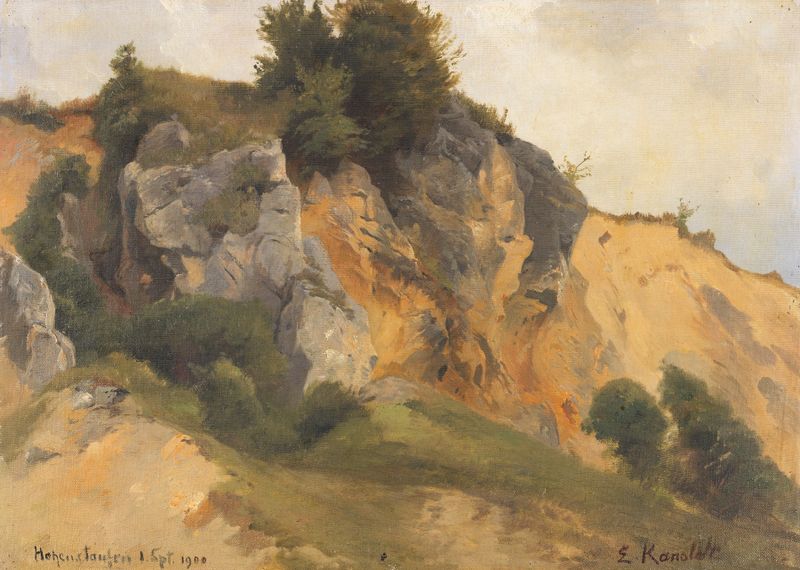
Felsterrain Bei Hohenstaufen
Edmund Kanoldt
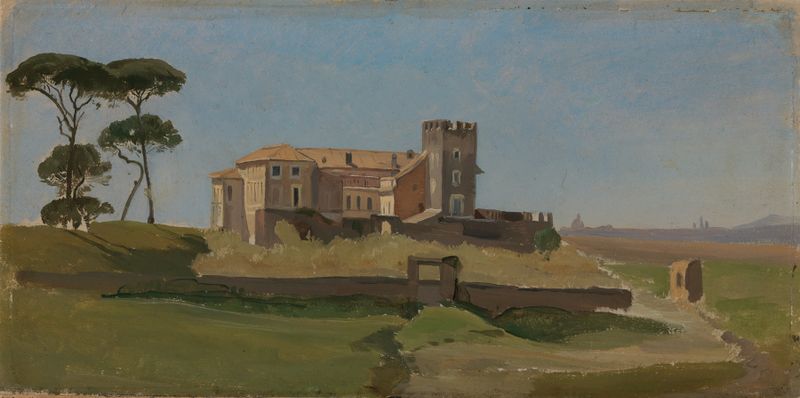
Motiv aus der römischen Campagna
Edmund Kanoldt

Im Park der Villa d’Este bei Tivoli
Edmund Kanoldt
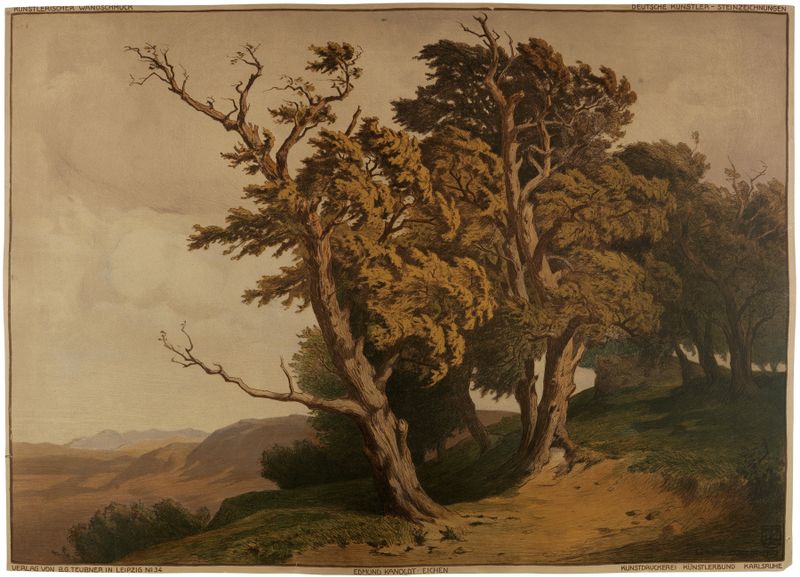
Eichen
Edmund Kanoldt
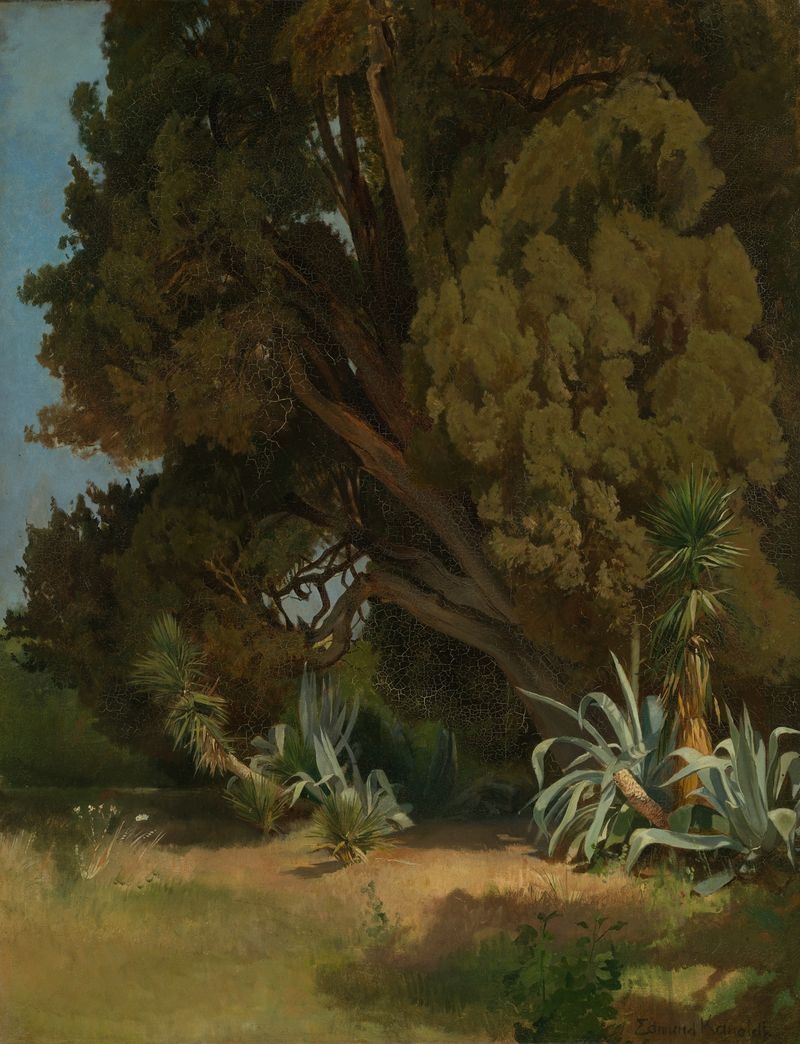
Baumstudie aus der Villa d’Este in Tivoli
Edmund Kanoldt

Italienisches Städtchen am Meer
Edmund Kanoldt
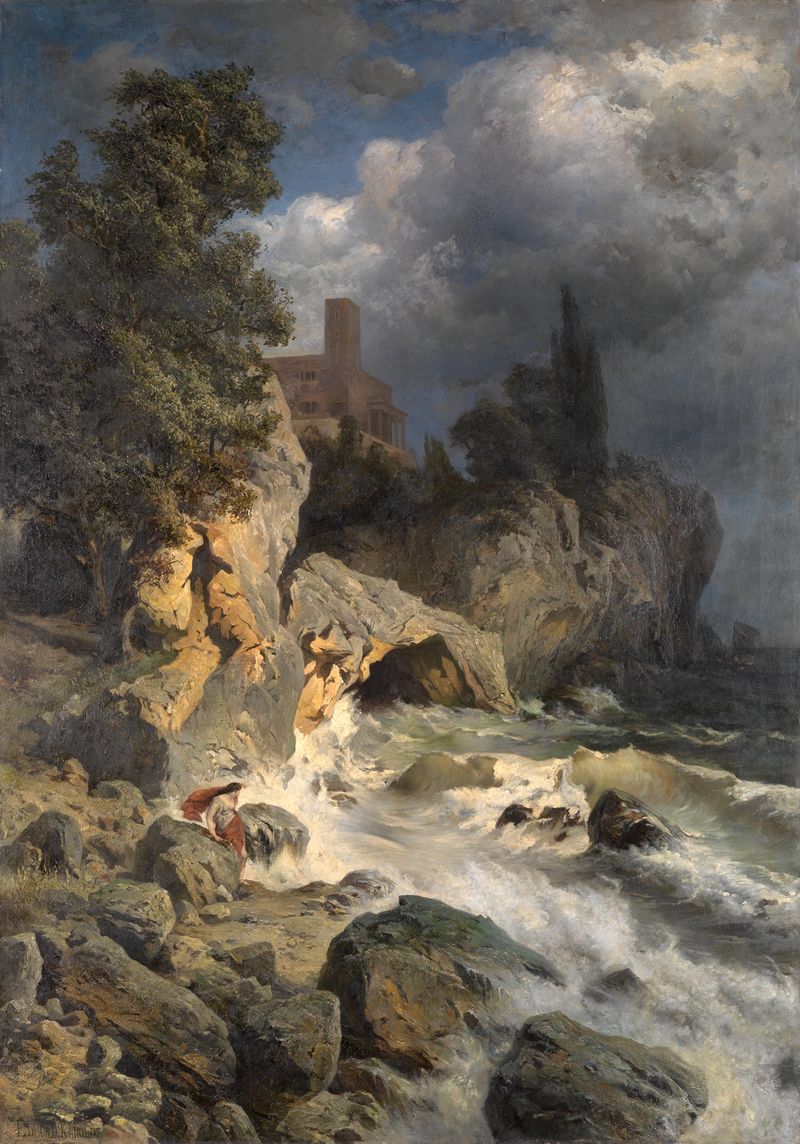
Landschaft mit Hero Leander erwartend
Edmund Kanoldt
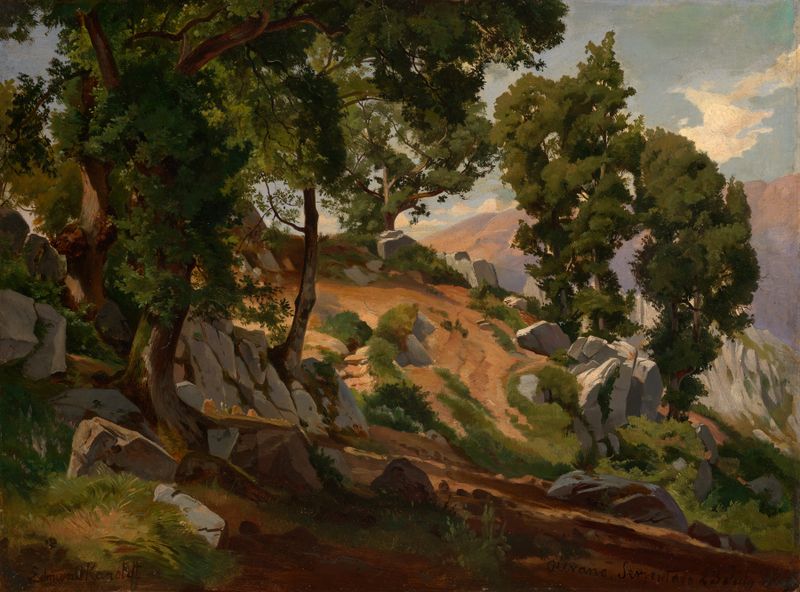
Aus der Serpentara bei Olevano
Edmund Kanoldt

Abendstimmung aus der Villa Palavicini in Pegli bei Genua
Edmund Kanoldt
More Architecture Art
Browse all →
The statue of Liberty
Frédéric Auguste Bartholdi

View of Houses in Delft, Known as ‘The Little Street’
Johannes Vermeer

View of Houses in Delft, Known as ‘The Little Street’
Johannes Vermeer

The Cathedral in Rouen. The portal, Grey Weather
Claude Monet

The yellow house
Vincent van Gogh

The Church in Auvers-sur-Oise, View from the Chevet
Vincent van Gogh