
Böcklins Grab — History & Facts
What if silence could speak through light? In the depths of melancholy, Keller’s Böcklins Grab invites the viewer to reflect on the haunting echo of absence and remembrance. Look closely at the somber interplay of shadow and illumination. The soft, muted tones dominate the palette, creating a melancholic atmosphere that envelops the viewer. Focus on the intricately rendered foliage that frames the scene, embodying the passage of time as it delicately weaves around the gravestone.
The light, almost spectral, filters through the trees, casting a gentle glow that highlights the gravestone's surface, emphasizing both its physical presence and the emotional weight it carries. In this piece, contrasts emerge between life and death, presence and absence. The lush greenery signifies the relentless march of nature, yet it stands in stark juxtaposition to the stillness of the grave, suggesting an eternal cycle of remembrance. The gravestone, though ornate, appears almost forlorn, hinting at stories untold and voices silenced.
This duality invites an introspective journey, allowing the viewer to ponder the interplay of joy and sorrow within memory. Ferdinand Keller created Böcklins Grab between 1901 and 1902 during a period marked by introspection and a growing fascination with symbolism in art. Living in Germany, he was influenced by the works of contemporary artists and the emerging Symbolist movement, which explored deeper emotional landscapes. This painting reflects Keller's contemplation of mortality and the human experience, grounding it in a historical context where the dialogue around death and memory became increasingly prominent.
More Artworks by Ferdinand Keller
Browse all →
Markt in Rio
Ferdinand Keller

Reisende in Brasilien
Ferdinand Keller
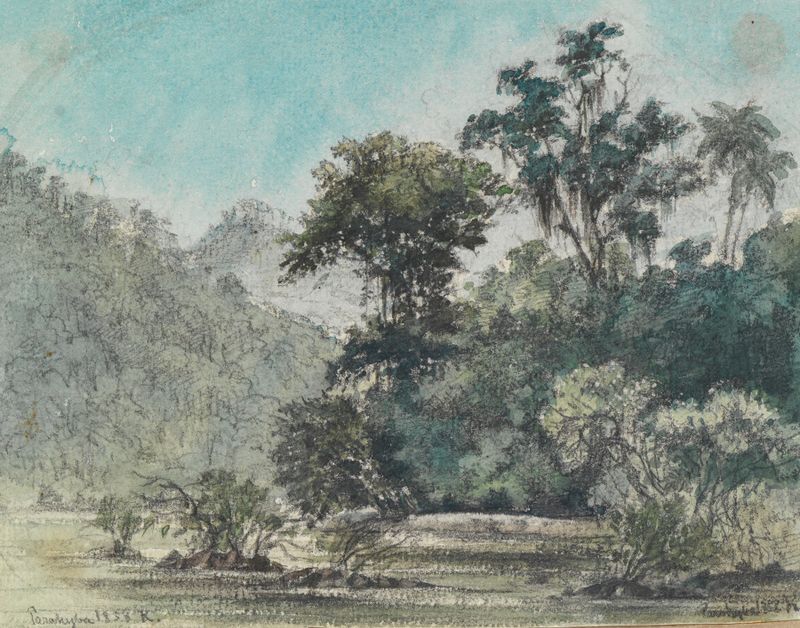
Blick auf das bewaldete Flussufer
Ferdinand Keller

Seestück- Segel und Ruderboote auf bewegtem Meer
Ferdinand Keller
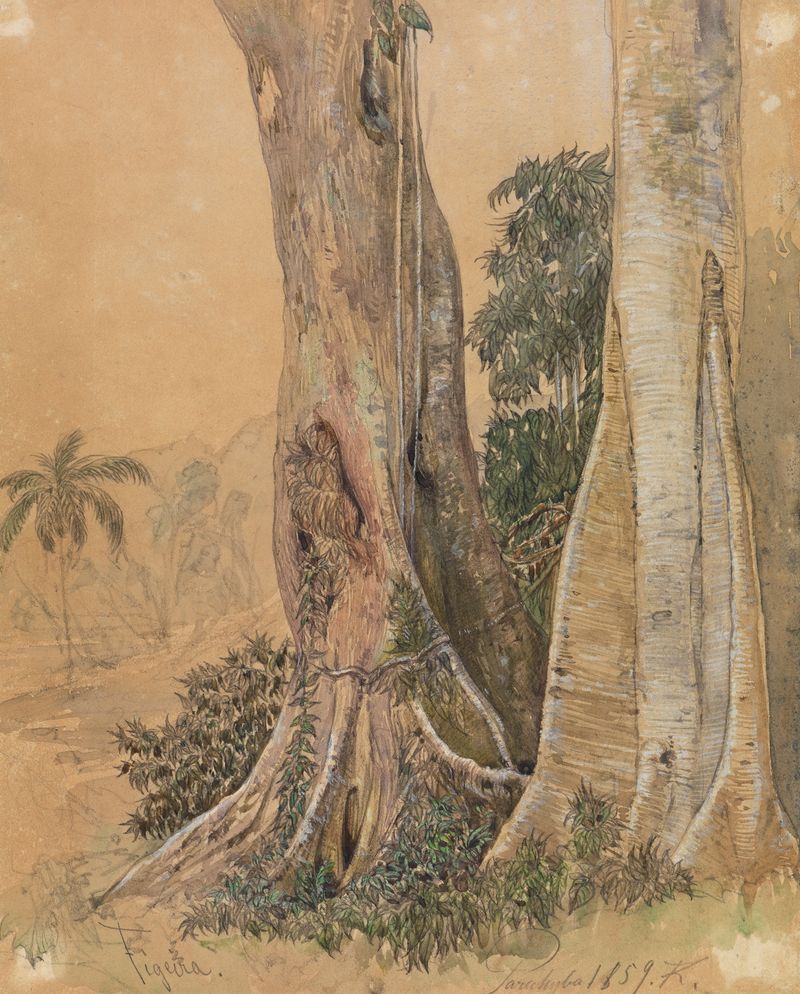
Figeira-Stämme am Ufer des Parahyba
Ferdinand Keller

Flusslauf mit aufragender Felswand
Ferdinand Keller
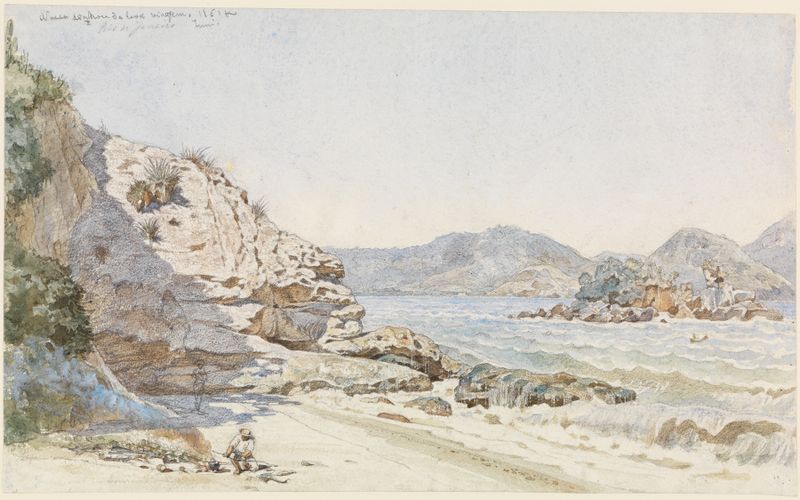
Meeresbucht bei Rio de Janeiro
Ferdinand Keller
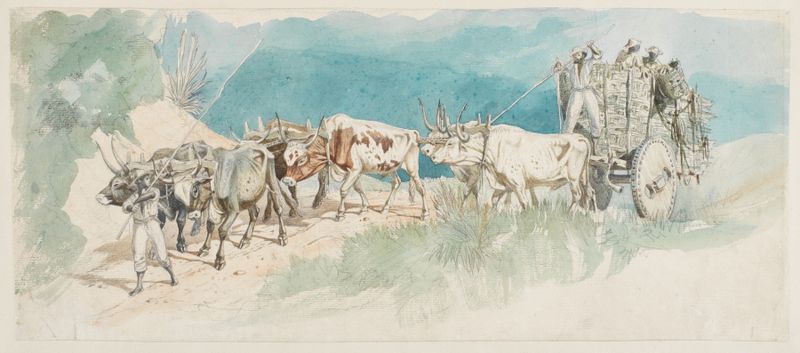
Zweiradgespann, von sechs Büffeln gezogen
Ferdinand Keller
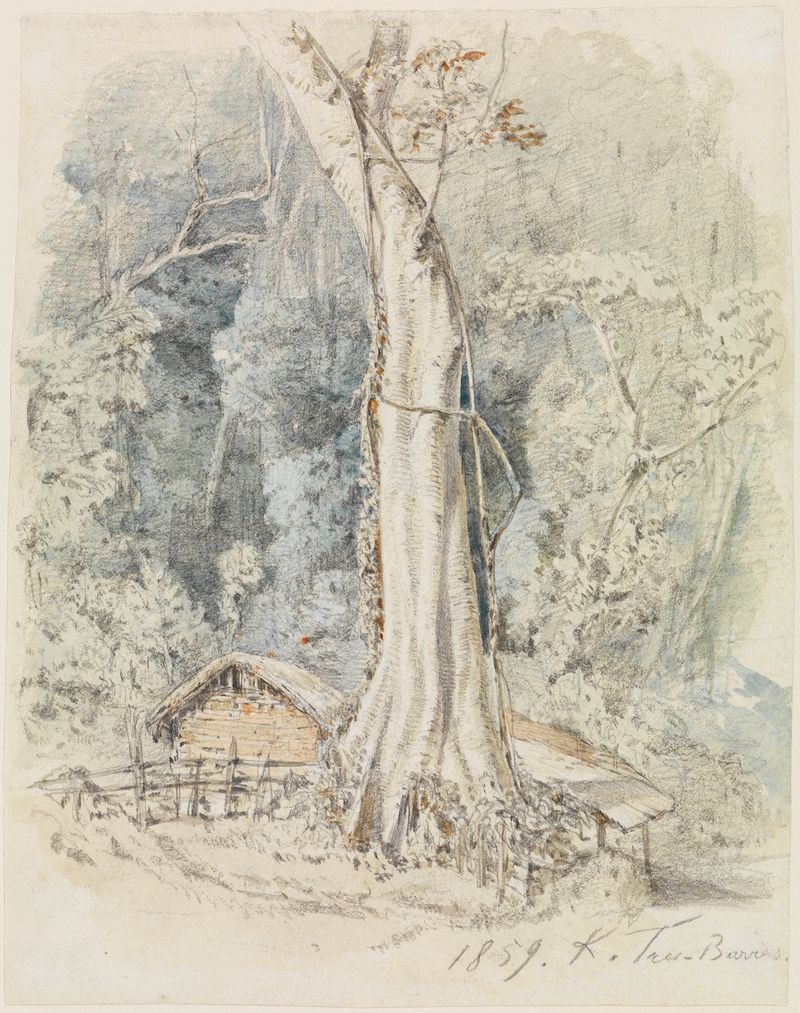
Haus mit Unterstand im Urwald bei Tres-Barras
Ferdinand Keller

Landschaft am Seeufer
Ferdinand Keller





