
Figeira-Stämme am Ufer des Parahyba — History & Facts
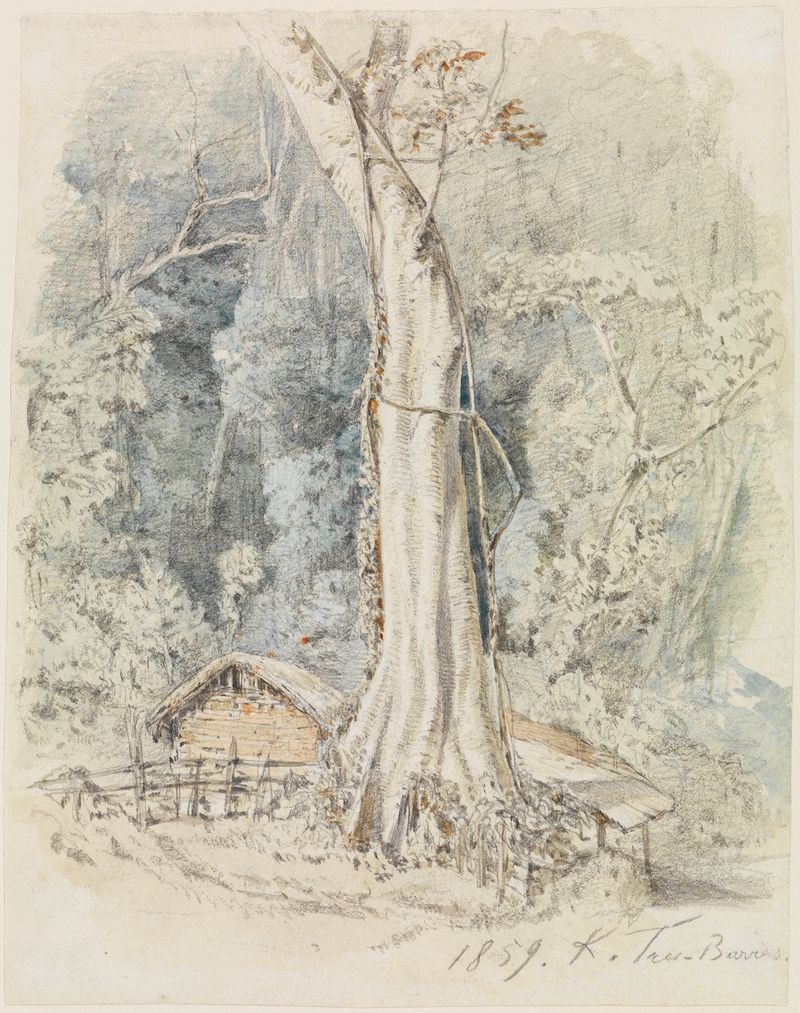
How does one capture the ephemeral moment where nature’s tumult transforms into serene beauty? In Figeira-Stämme am Ufer des Parahyba, the viewer is invited to explore the delicate interplay of illusion and reality. Look to the left, where the twisting forms of fig trees dominate the canvas, their roots entwined like dancers in a silent ballet. Notice the soft, muted greens and browns that blend seamlessly into reflections shimmering upon the water. This masterful use of light creates an ethereal quality, giving the scene an almost dreamlike essence.
The artist’s brushwork reveals both the turbulence of the river and the calm serenity of the shore, marrying movement with stillness. As you delve deeper, consider the contrast between the vibrant foliage and the tranquil water. The fig trees, standing resilient against the currents, symbolize strength amidst chaos. Yet, their roots, submerged in the river, suggest vulnerability to the fluctuating tides of nature.
This duality invites contemplation on the balance between stability and change—an enduring theme that resonates through the heart of the piece. In 1859, the artist was based in Germany, influenced by the Romantic movement and the quest for authenticity in nature. While the world of art was shifting towards new styles, Keller’s focus on natural landscapes offered a moment of introspection, marking his place in a time where realism was evolving but still rooted in the sublime beauty of the environment. This painting reflects both his artistic journey and the broader narrative of the period, where nature remained a profound source of inspiration.
More Artworks by Ferdinand Keller
Browse all →
Markt in Rio
Ferdinand Keller
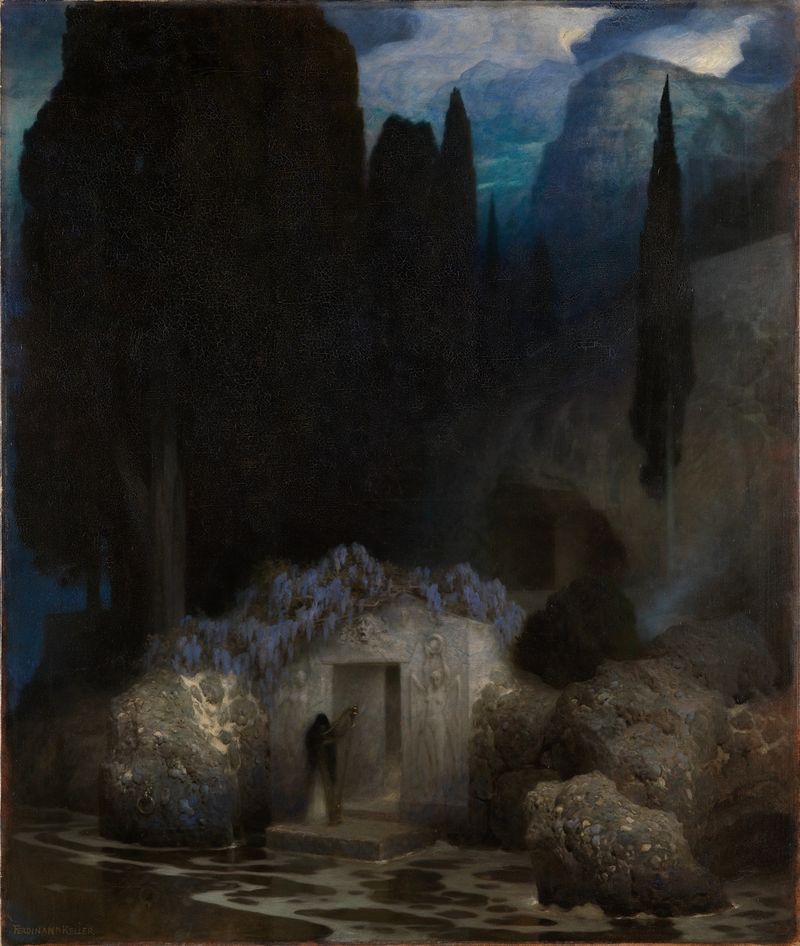
Böcklins Grab
Ferdinand Keller

Reisende in Brasilien
Ferdinand Keller
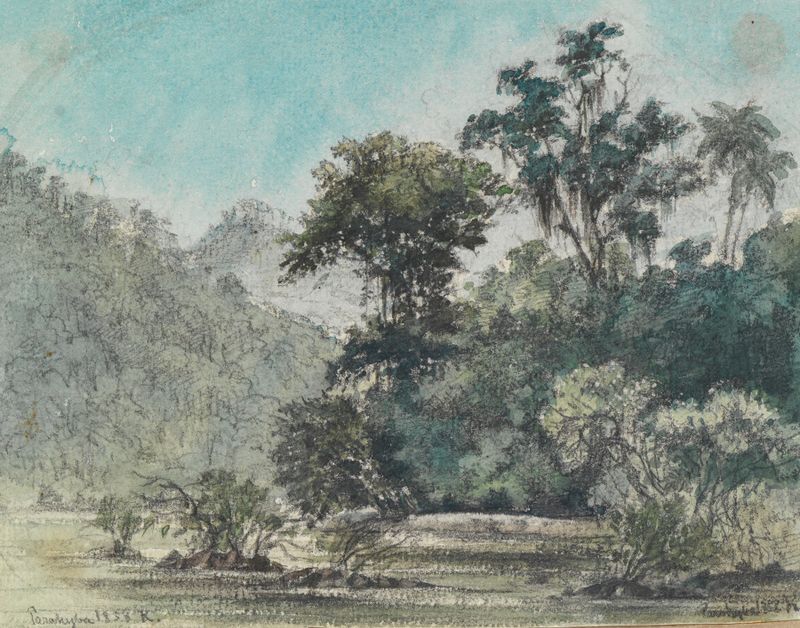
Blick auf das bewaldete Flussufer
Ferdinand Keller

Seestück- Segel und Ruderboote auf bewegtem Meer
Ferdinand Keller

Flusslauf mit aufragender Felswand
Ferdinand Keller
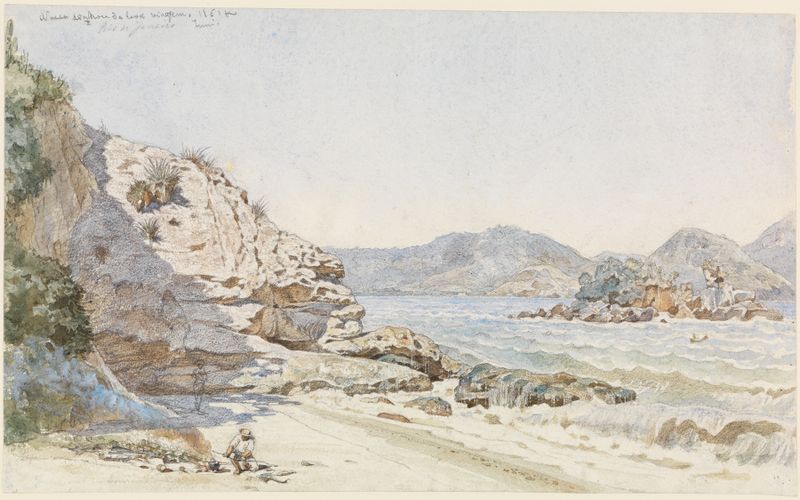
Meeresbucht bei Rio de Janeiro
Ferdinand Keller
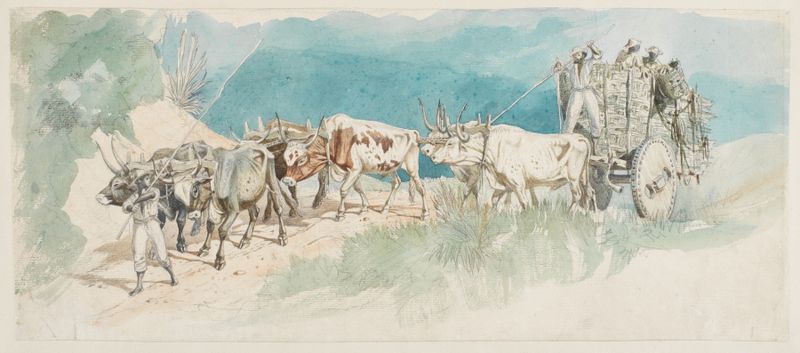
Zweiradgespann, von sechs Büffeln gezogen
Ferdinand Keller
Haus mit Unterstand im Urwald bei Tres-Barras
Ferdinand Keller

Landschaft am Seeufer
Ferdinand Keller





