
Landschaft am Seeufer — History & Facts
Where does light end, and longing begin? In the stillness of Landschaft am Seeufer, the boundaries blur, inviting the viewer into a realm of transcendence. Look to the horizon, where the gentle undulations of the water meet a soft palette of greens and blues. The painter’s careful brushwork melds the shimmering surface of the lake with the verdant banks, creating an atmosphere that breathes serenity. Notice how the morning light dances upon the water, its golden rays spilling like liquid silk, evoking a sense of peace that lingers in the air.
The delicate strokes of the trees and grasses further frame this tranquil scene, inviting you into a moment of reflection. As you delve deeper into the composition, subtle contrasts emerge. The vibrant hues of nature juxtapose with the soft opalescence of the water, suggesting a longing for connection between the earthly and the ethereal. An invisible tension lies in the space between the trees and the lake, hinting at the emotional depth that resides within nature.
This is not simply a landscape; it is a visual poem that captures the quiet yearning for something just beyond reach. In 1861, Ferdinand Keller painted this work while living in Germany, a period marked by significant artistic exploration and the rise of the Romantic movement. This era reflected a profound fascination with nature, emotion, and the sublime, all of which were integral to Keller’s artistic vision. The tranquility of this piece speaks to both personal introspection and the broader cultural dialogue of the time, as artists sought to capture the ineffable spirit of their surroundings.
More Artworks by Ferdinand Keller
Browse all →
Markt in Rio
Ferdinand Keller
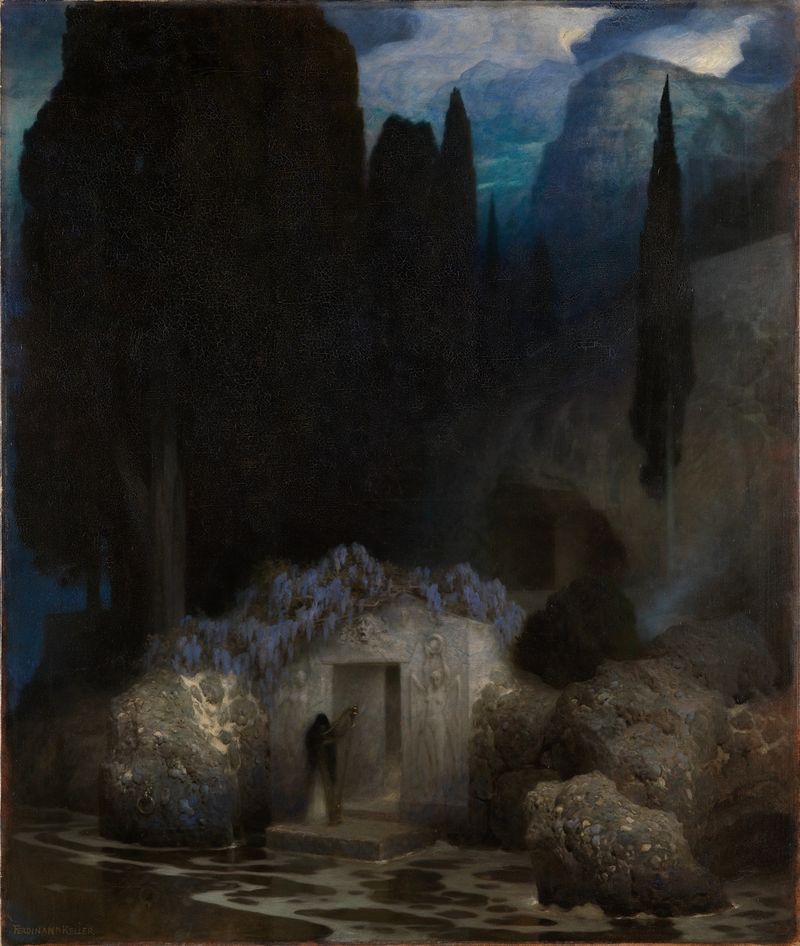
Böcklins Grab
Ferdinand Keller

Reisende in Brasilien
Ferdinand Keller
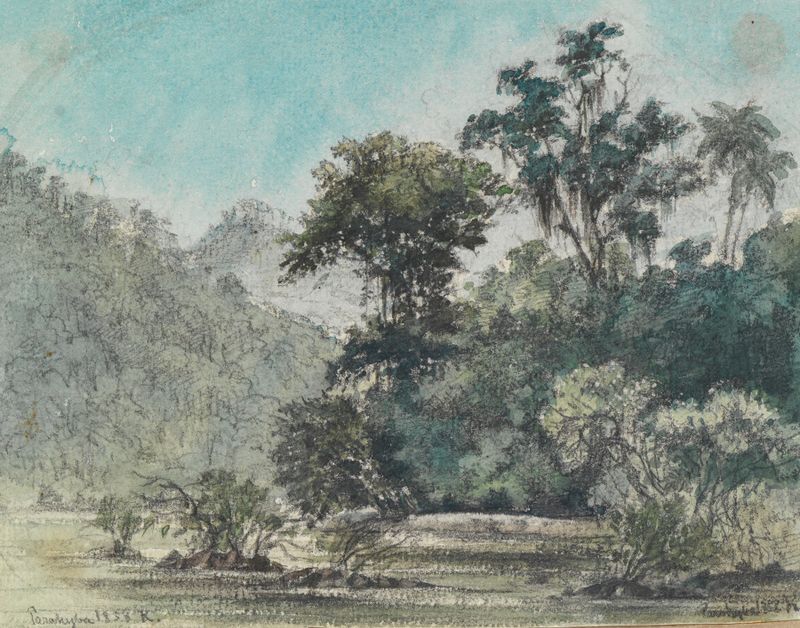
Blick auf das bewaldete Flussufer
Ferdinand Keller

Seestück- Segel und Ruderboote auf bewegtem Meer
Ferdinand Keller
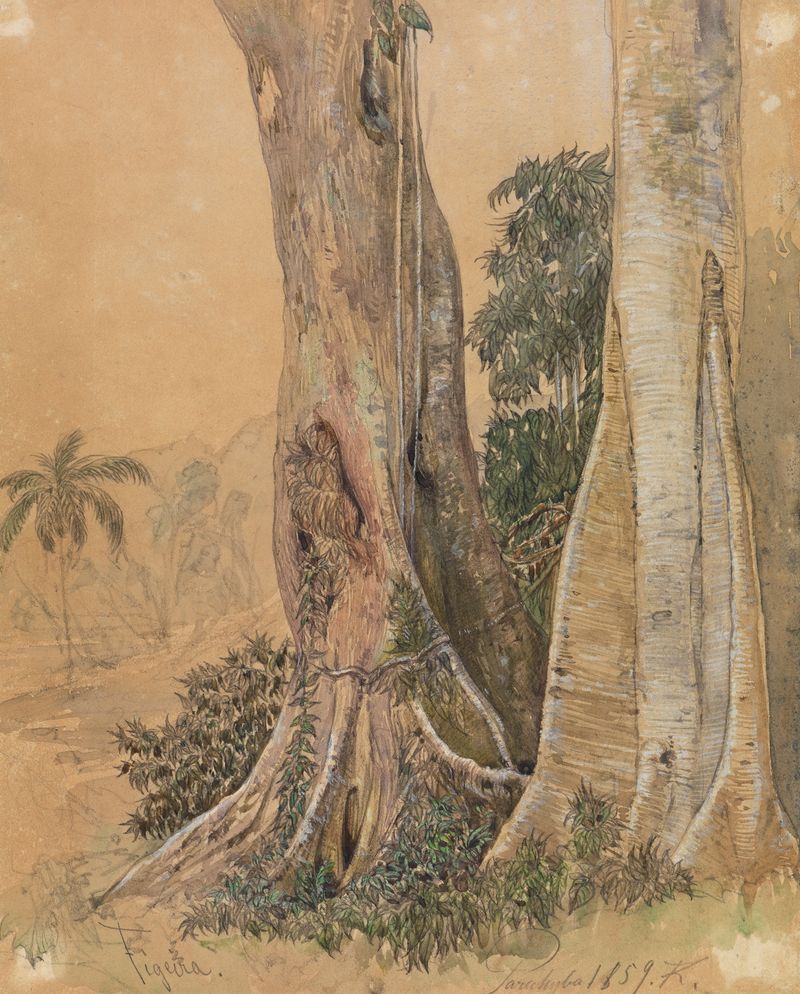
Figeira-Stämme am Ufer des Parahyba
Ferdinand Keller

Flusslauf mit aufragender Felswand
Ferdinand Keller
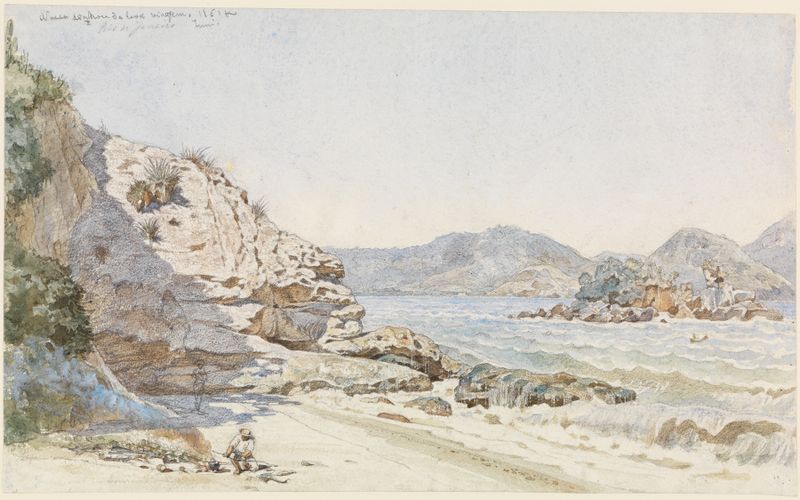
Meeresbucht bei Rio de Janeiro
Ferdinand Keller
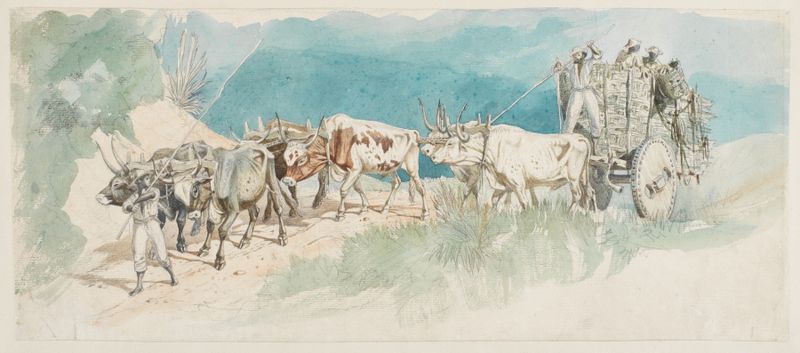
Zweiradgespann, von sechs Büffeln gezogen
Ferdinand Keller
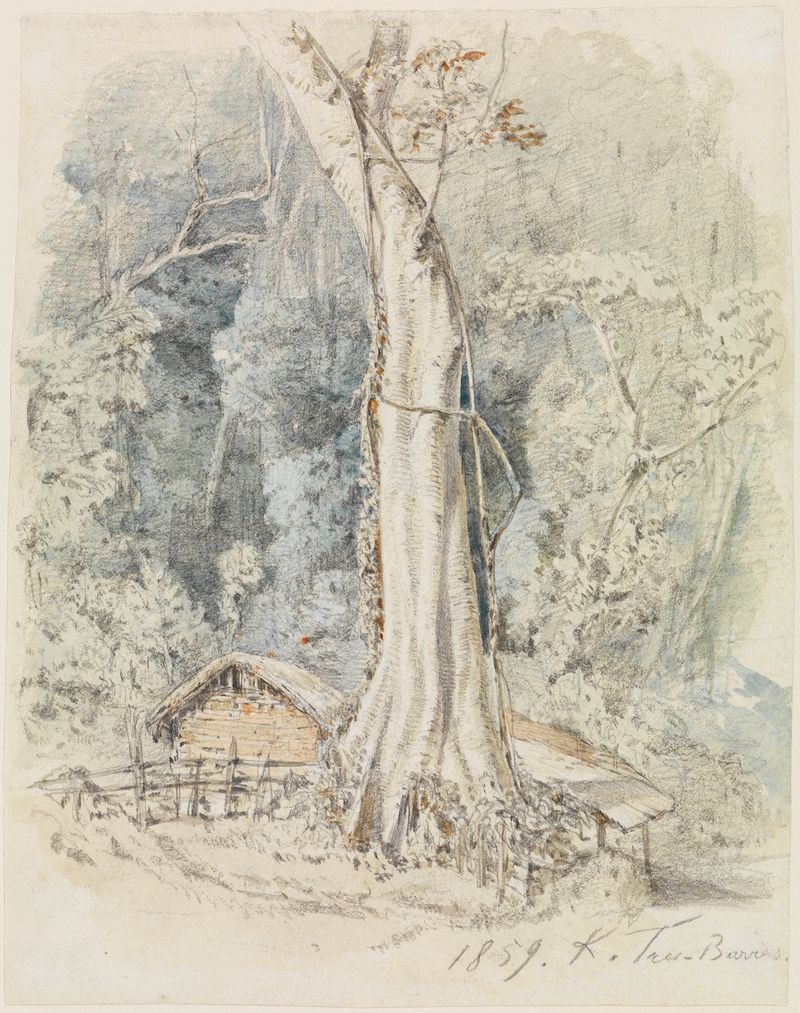
Haus mit Unterstand im Urwald bei Tres-Barras
Ferdinand Keller





