Zweiradgespann, von sechs Büffeln gezogen — History & Facts
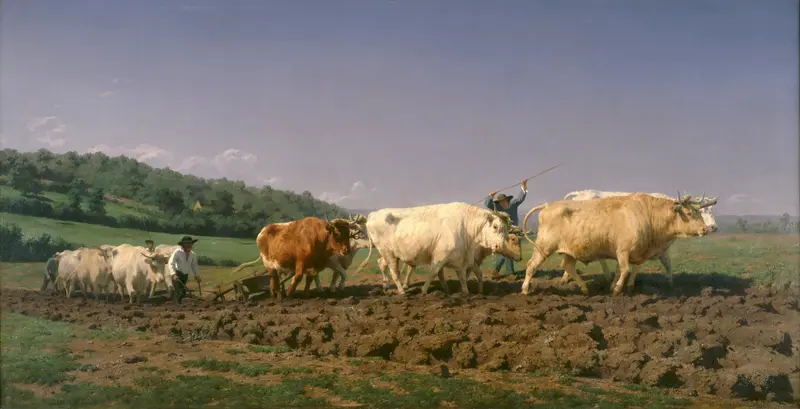
Look to the center of the composition, where the imposing sight of a six-buffalo team is captured in an intricate configuration. The animals, rendered with a meticulous attention to detail, seem both majestic and burdened, uncertain in their task. Notice how soft, earthy tones blend with the sharpness of their muscular bodies, creating a tension that vibrates through the canvas.
The dynamic contrast of shadows and light accentuates the sheen of sweat on their flanks, making their labor palpable, while the distant horizon looms ominously, hinting at the unknown. Delve deeper into the nuances of this image. The way the reins strain in the hands of the driver conveys a palpable sense of unease; there’s a struggle between control and chaos. The subtle expressions on the buffalo’s faces invite contemplation of their thoughts — perhaps a shared fear of the journey ahead.
The background, sparse and desolate, heightens this tension, suggesting that their path is fraught with danger, both seen and unseen. Created in an uncertain period, this piece reflects Ferdinand Keller’s exploration of the human condition, likely during the late 19th century in Germany. As the world was beginning to shift toward modernity, Keller’s artistic focus evolved, mirroring societal tensions and anxieties of the time. The interplay of strength and vulnerability in Zweiradgespann, von sechs Büffeln gezogen encapsulates a profound unease, providing insight into both the artist's psyche and the broader cultural landscape.
More Artworks by Ferdinand Keller

Türkenlouis
Ferdinand Keller
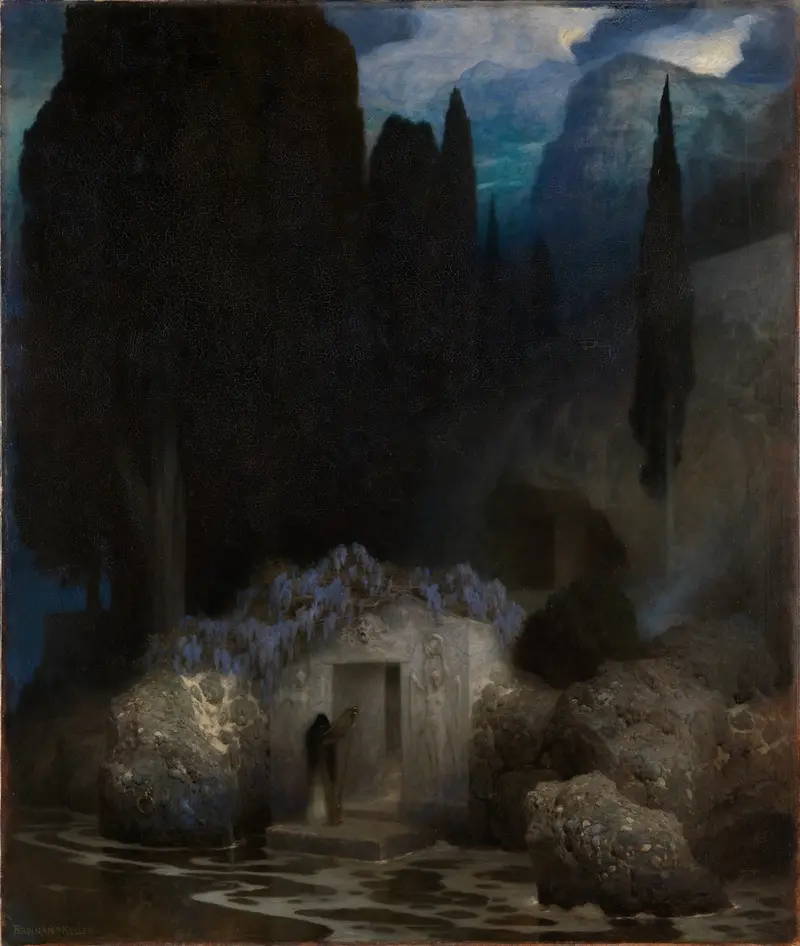
Böcklins Grab
Ferdinand Keller

Reisende in Brasilien
Ferdinand Keller
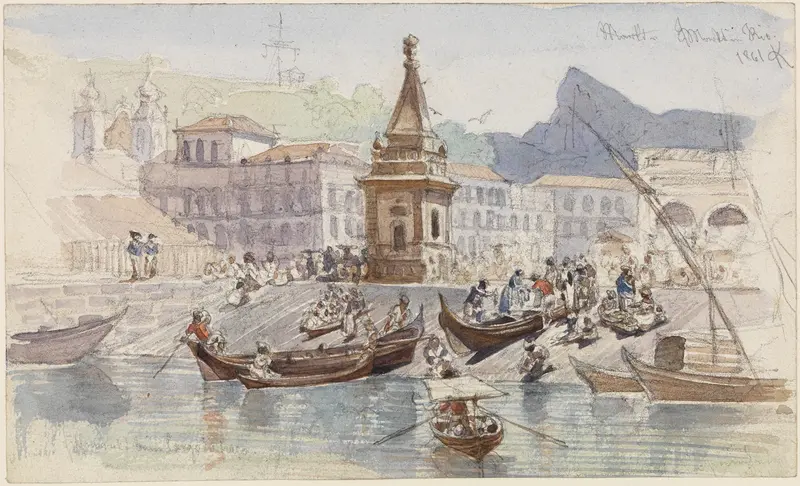
Markt in Rio
Ferdinand Keller
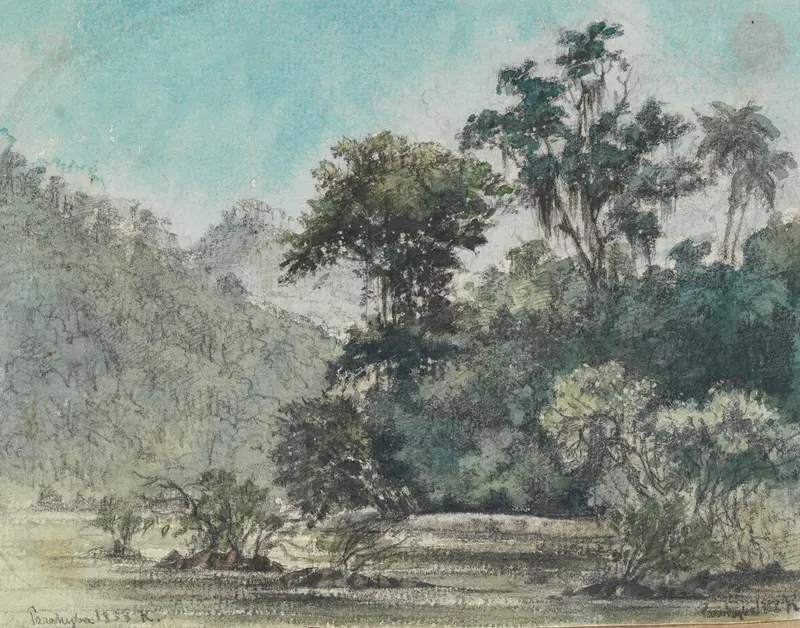
Blick auf das bewaldete Flussufer
Ferdinand Keller
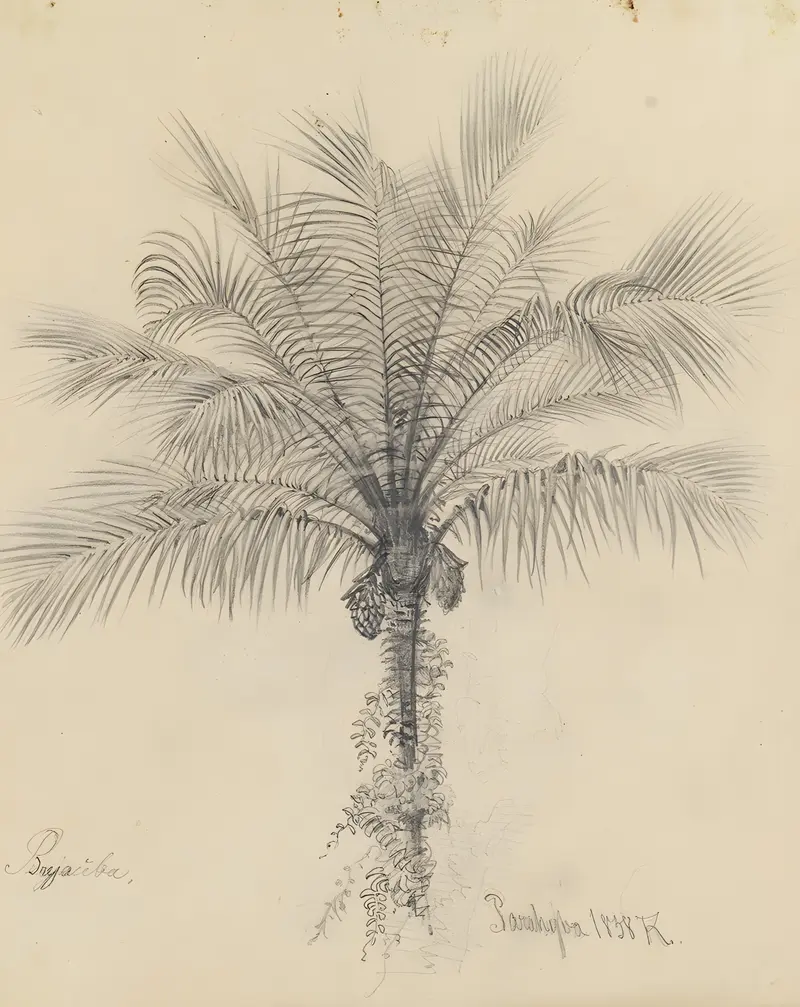
Palmstudie II
Ferdinand Keller
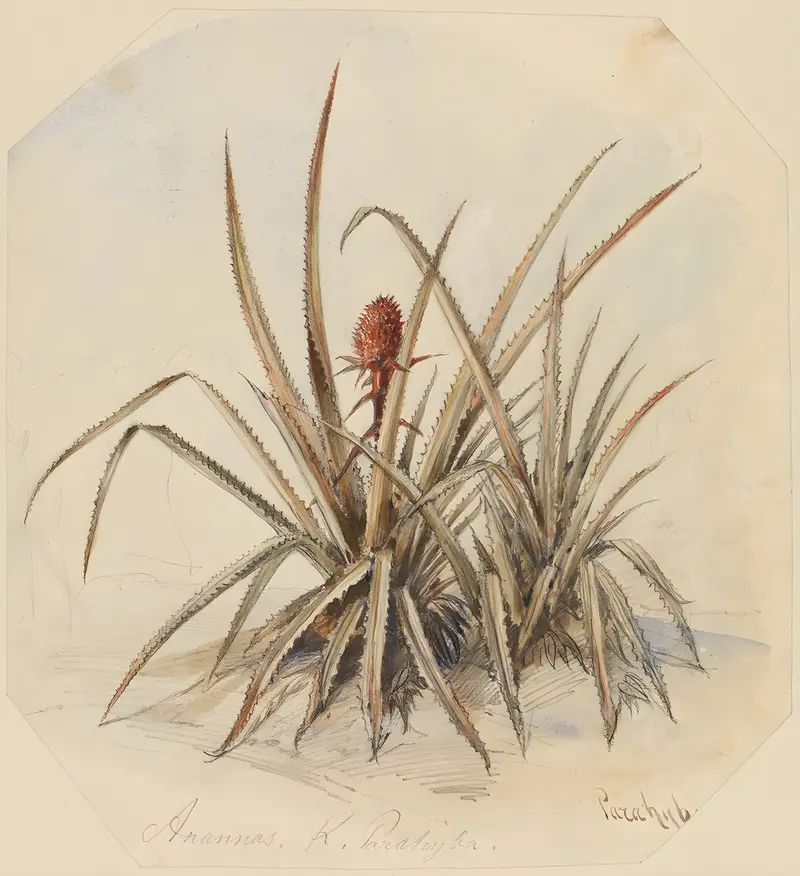
Blühende Ananas
Ferdinand Keller
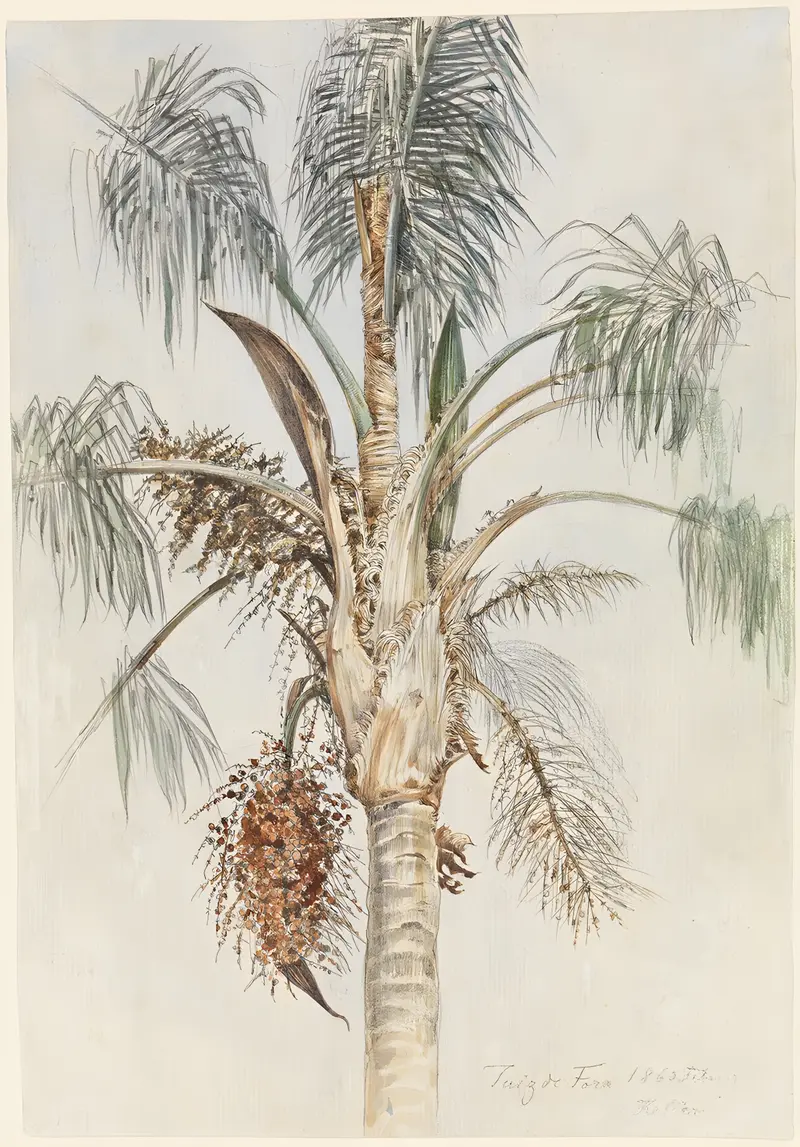
Krone einer Palme (Syagrus macrocarpa) in Juiz de Fora
Ferdinand Keller
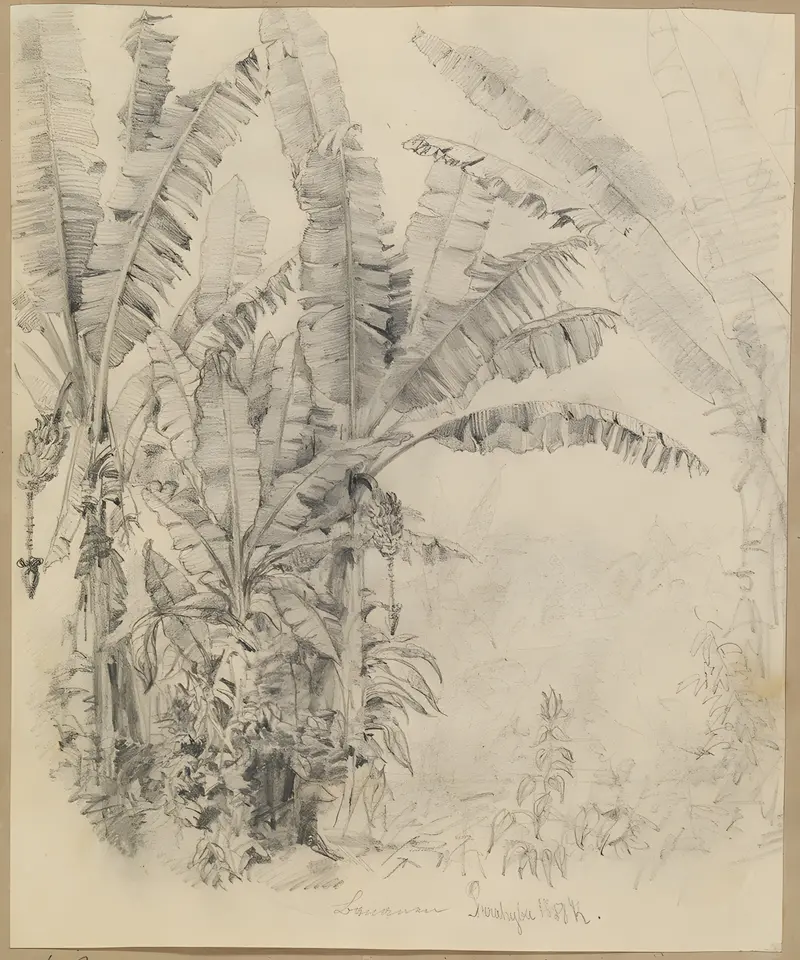
Im Urwald- Palmengewächse
Ferdinand Keller
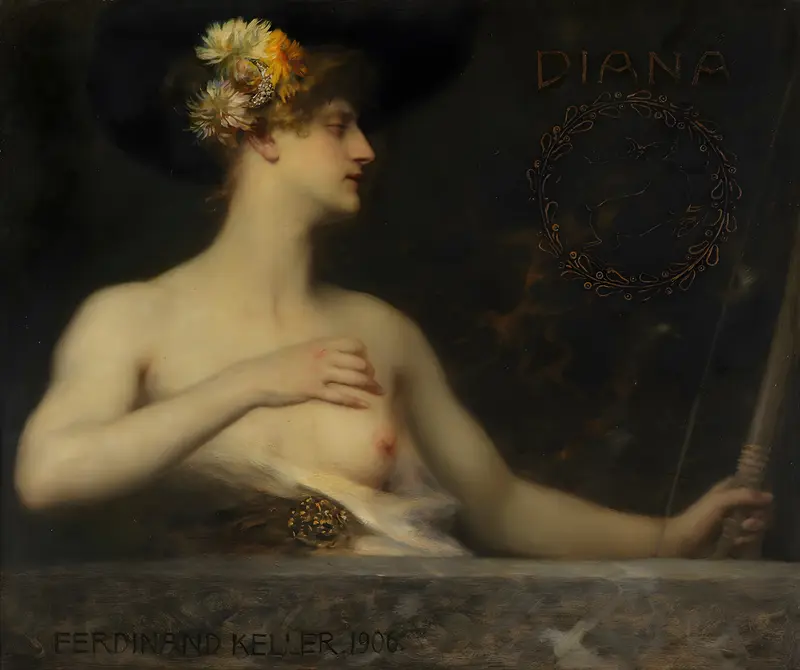
Diana
Ferdinand Keller