
Beach with Fishermen — History & Facts
What draws the eye first in Beach with Fishermen is the teeming, orchestrated bustle of daily life set against the sweep of a Dutch sky. The horizon sits low, giving the clouds and sea room to breathe, while the beach itself is alive with figures—some bent to their work, others pausing to talk or watch. The flags on the ships, crisply painted, mark this as a scene of national pride as much as commerce.
Light glances off the wet sand and the hulls of boats, guiding the viewer from the foreground, where baskets of fish and sturdy fishermen anchor the scene, out to the distant ships and the open water beyond. Every gesture, from the man hoisting his basket to the children clustered near their elders, is a note in the larger symphony of labor and community. Painted in 1627 by Adam Willaerts, this work belongs to a world in which the Dutch Republic was defining itself through trade, seafaring, and a new kind of painting that celebrated the everyday. Marine scenes like this were popular among the burgeoning merchant class, who commissioned them to commemorate prosperity and the rhythms of coastal life.
The genre, rooted in observation but rich with symbolism, often blurred the line between documentary and ideal. While little is recorded about the specific journey of this painting, its presence today in the Museo del Prado collection speaks to the enduring fascination with the Dutch Golden Age and its ability to capture both the grandeur and grit of a nation by the sea. Let your gaze wander through the crowd and out to the ships—the whole world of 1627 is here, if you look closely enough.
More Artworks by Adam Willaerts
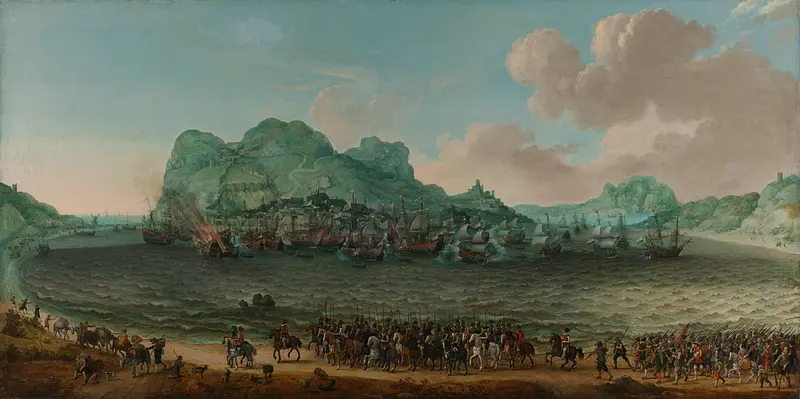
Victory over the Spanish near Gibraltar by a Fleet Commanded by Admiral Jacob van Heemskerck, 25 April 1607
Adam Willaerts
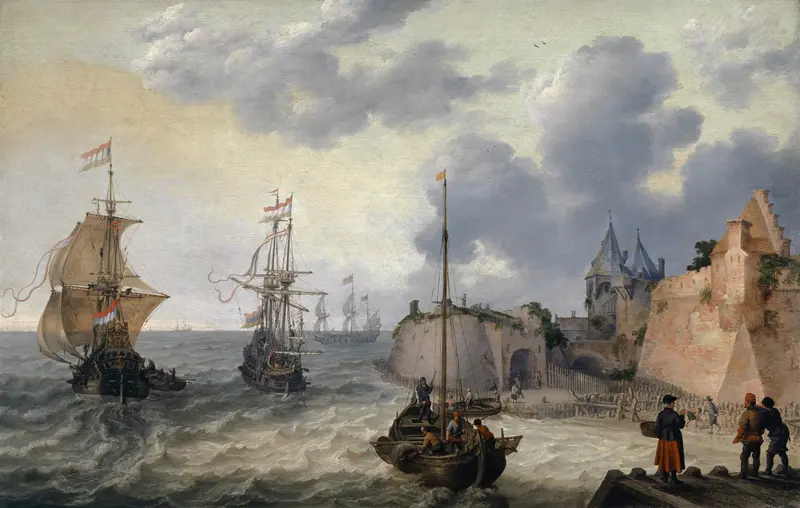
Dutch Harbour with Sailing Ships
Adam Willaerts
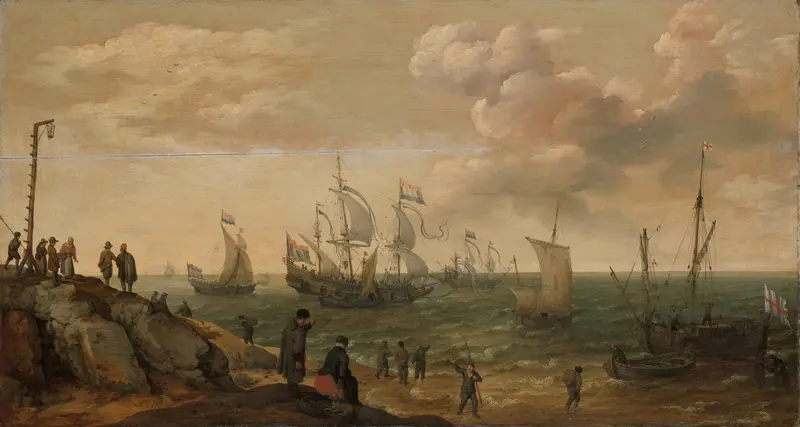
Ships along the Shore
Adam Willaerts
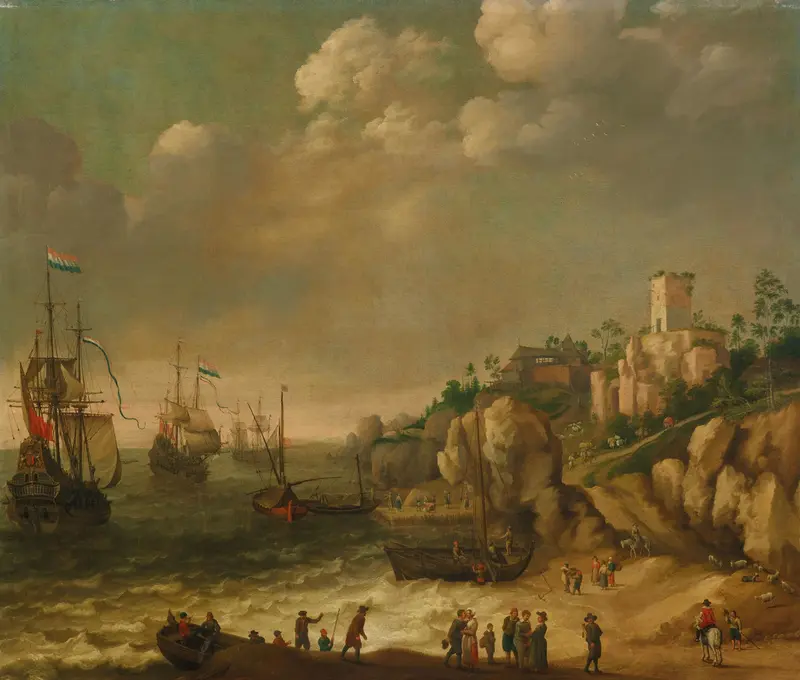
Dutch ships in front of a rocky coast with figures, buildings beyond
Adam Willaerts
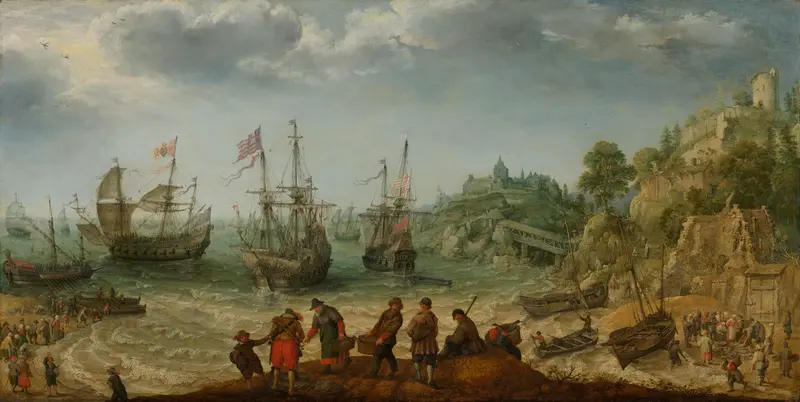
Ships off a Rocky Coast
Adam Willaerts
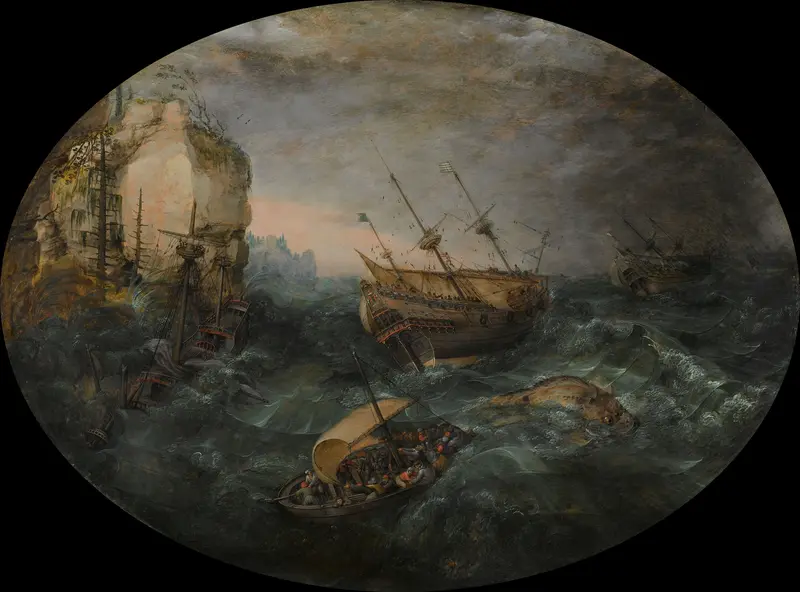
Shipwreck off a Rocky Coast
Adam Willaerts
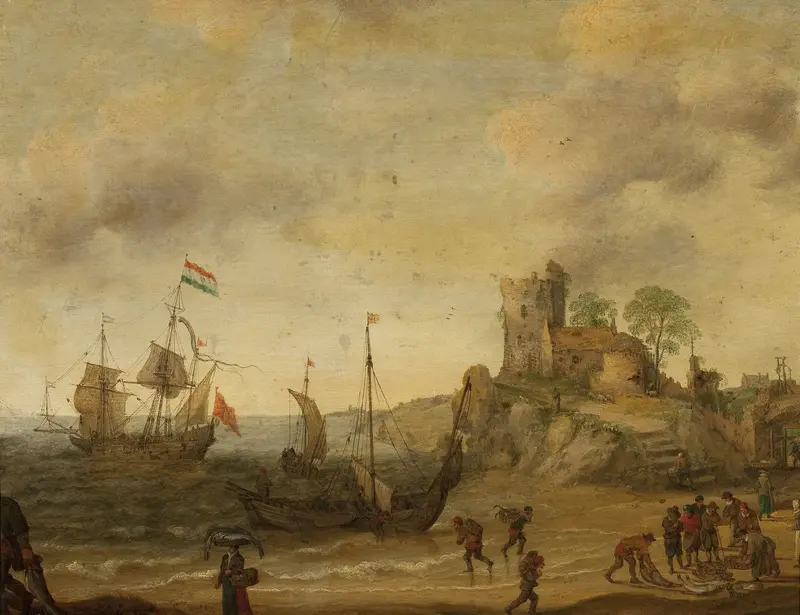
Fishermen at the seaside
Adam Willaerts
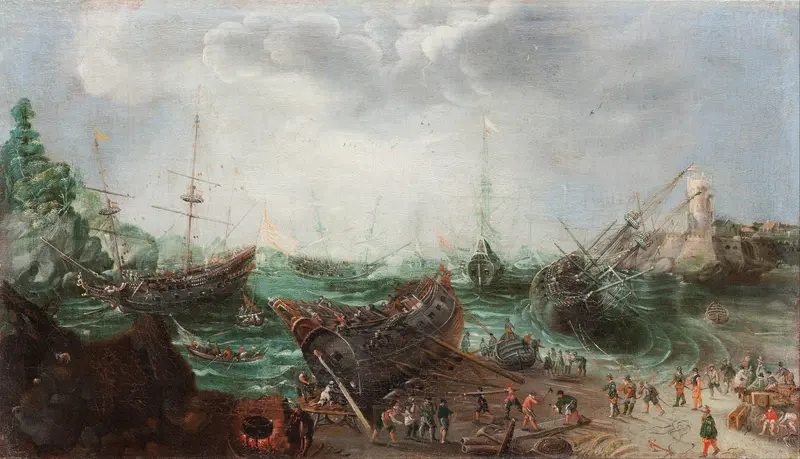
Harbour scene
Adam Willaerts
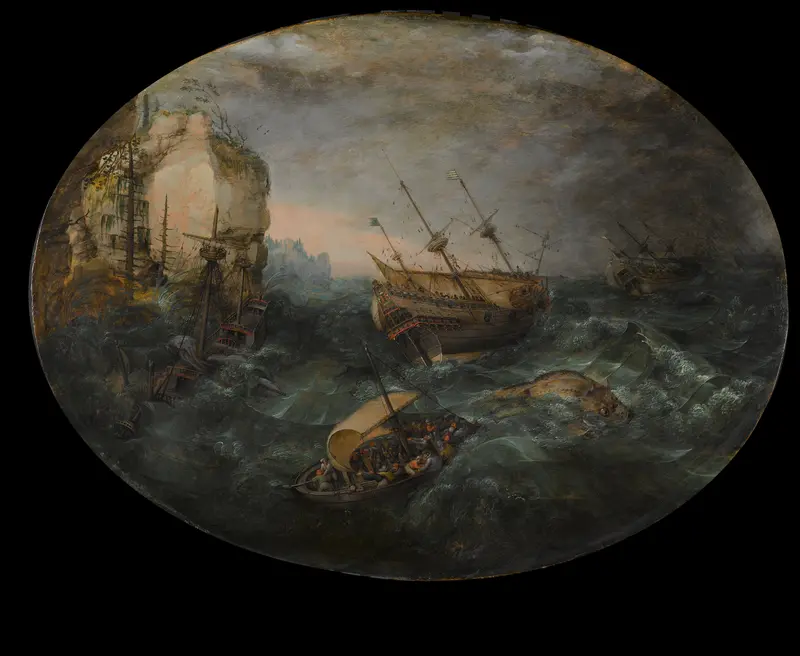
Shipwreck off a Rocky Coast
Adam Willaerts
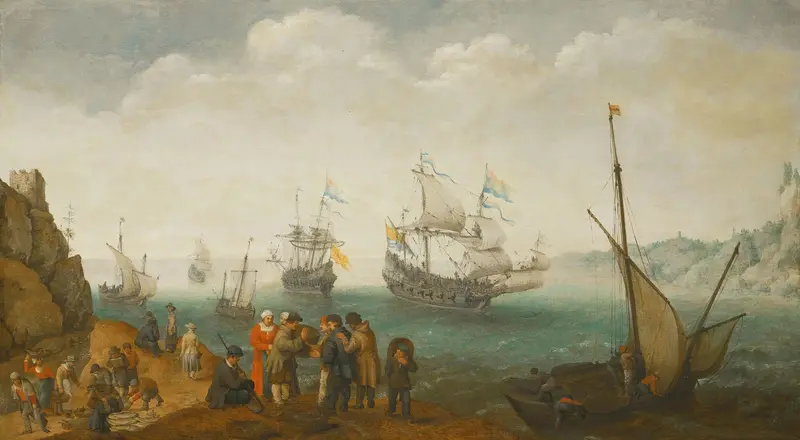
A Marine With Five Vessels Out To Sea And Another In Port, And With Groups Of Largely Male Figures Engaged In Buying Or Selling Fish Or Other Wares
Adam Willaerts





