
Beaufort Island & Mount Erebus — History & Facts
Did the painter know this moment would outlive them? In an unfathomable expanse of icy wilderness, where the harsh whisper of the wind carries echoes of those who came before, an eternal silence breathes through the canvas, consuming both grief and beauty. Look to the horizon where the jagged peaks of Mount Erebus rise dramatically against a moody sky. Notice how the cool palette of blues and whites contrasts with hints of ochre and ochre-brown in the foreground, grounding the ethereal landscape. The brushstrokes, both precise and fluid, communicate the topography's starkness, while capturing the fleeting play of light on the icy surfaces.
This interplay of shadow and illumination evokes a sense of transience, as if time itself is suspended amidst the glaciers. In the foreground, delicate details emerge—tufts of grass peeking through the ice, perhaps a nod to life’s resilience amid desolation. The almost ghostly atmosphere suggests themes of isolation and melancholy, as if the viewer is being invited to reflect on their own fleeting existence against the backdrop of nature’s grandeur. The juxtaposition of the majestic mountain and the quiet despair underpinning the scene speaks to the universal experience of loss, reminding us that beauty often coexists with sorrow. During the period Charles Hamilton Smith painted this work, he was deeply engaged with the exploration of the natural world and its representation in art.
Although the exact date is unknown, Smith was active in the early 19th century, a time when Victorian England was captivated by the allure of far-off landscapes and the narratives of scientific discovery. This work reflects both his artistic endeavors and the wider cultural fascination with the icy realms of the world.
More Artworks by Charles Hamilton Smith
Browse all →
Situation of H.M.S. Hecla & Griper
Charles Hamilton Smith
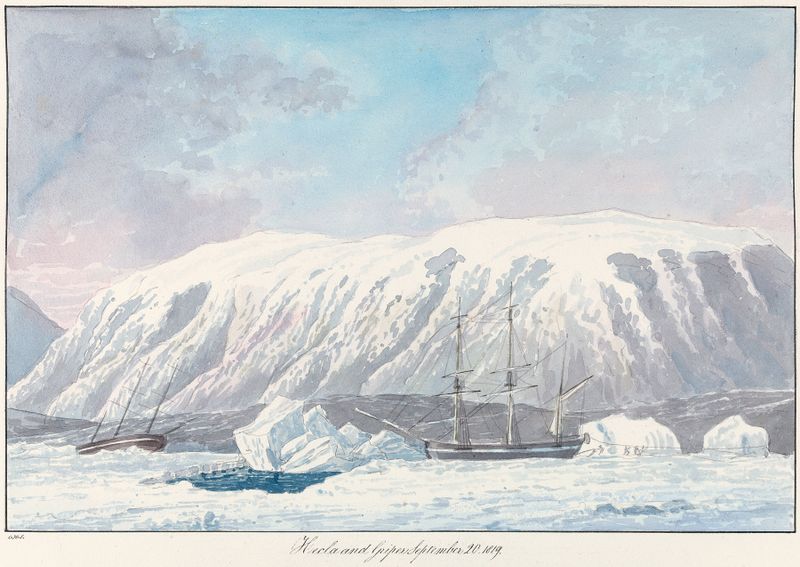
Hecla and Griper
Charles Hamilton Smith

Friendly Cove, Nootka Sound
Charles Hamilton Smith

Iceberg in Baffin’s Bay
Charles Hamilton Smith
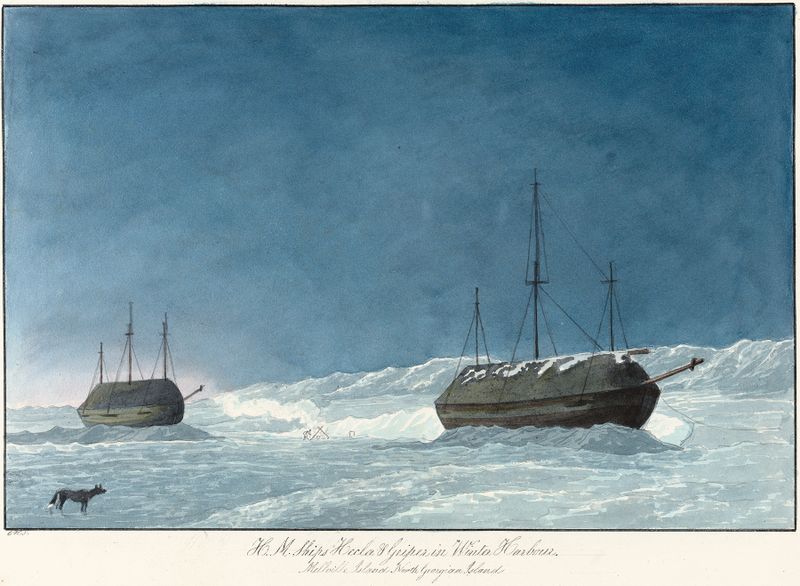
H. M. Ships Hecla and Griper in Winter Harbour
Charles Hamilton Smith

The Erebus & Terror in a Gale in the Pack of the Ice
Charles Hamilton Smith
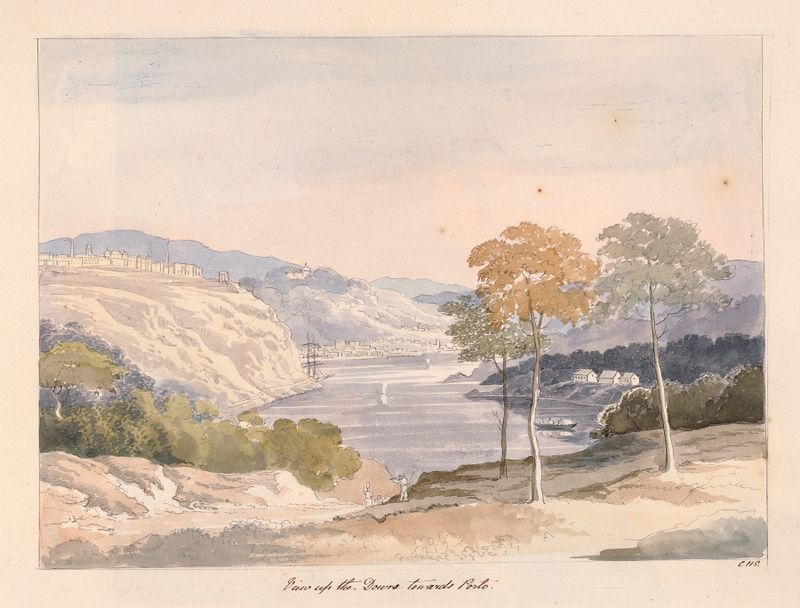
View of the Douro towards Porto
Charles Hamilton Smith
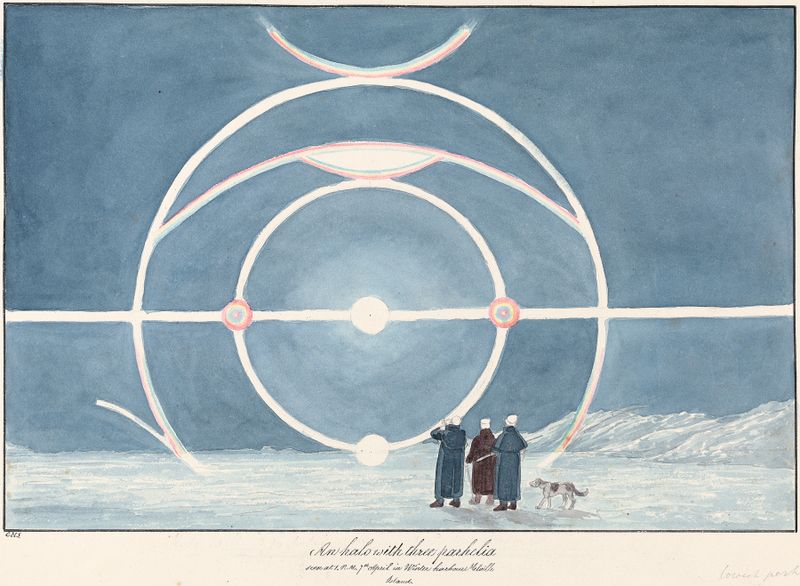
Halo with Three Parhelia, Winter Harbour Melville Island
Charles Hamilton Smith
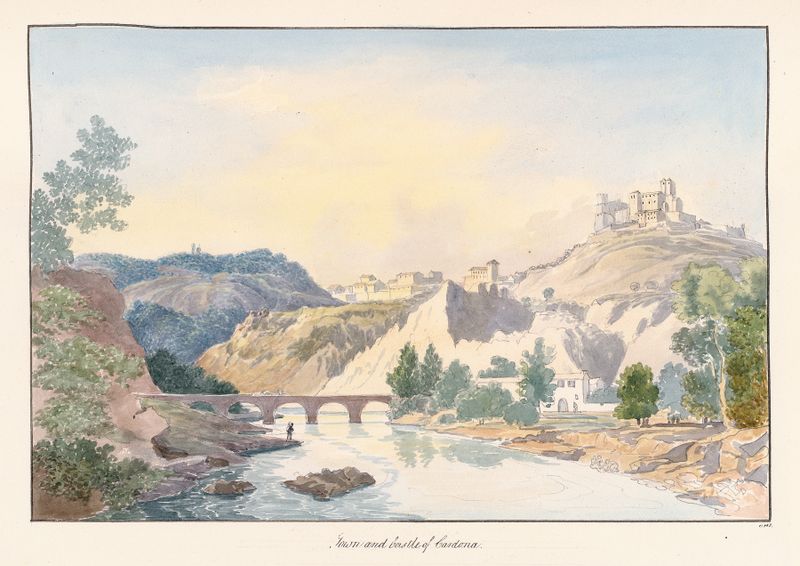
Town and Castle of Cardona
Charles Hamilton Smith
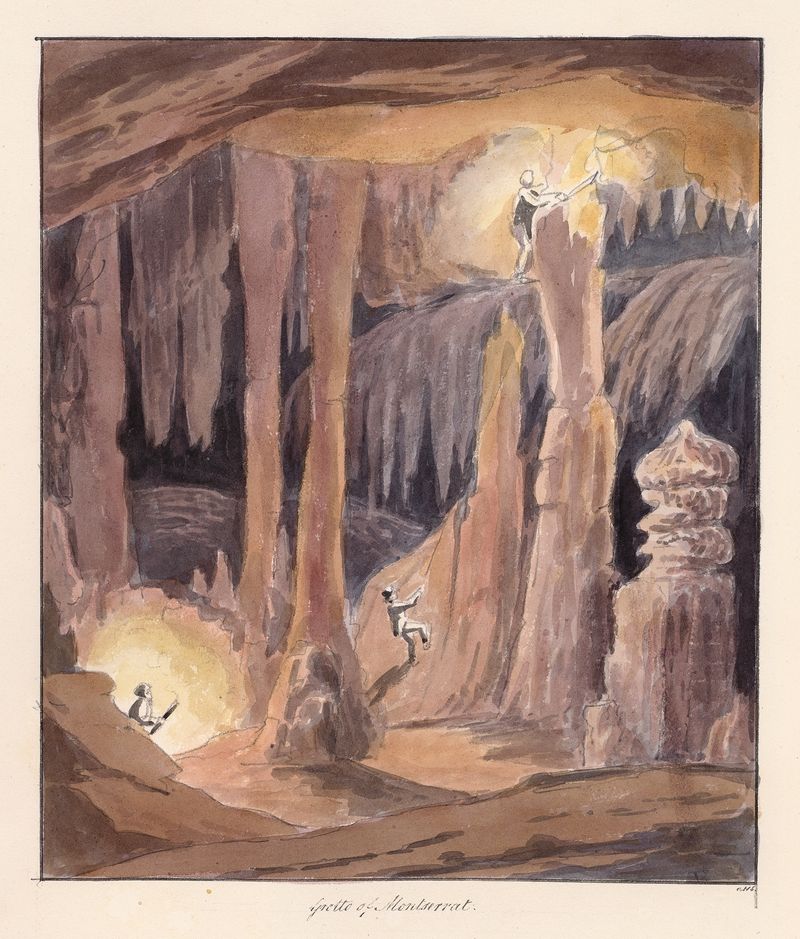
Grotto of Montserrat
Charles Hamilton Smith





