
Discover insights about this artwork
Beethovenfries; ‘Die Künste’, ‘Paradieschor’ und ‘Umarmung’ (Tafel 8, rechte Langwand) — History & Facts
Beethovenfries features a series of figures that celebrate the arts, including music and painting. The vibrant colors range from deep golds to rich blues, creating a striking visual impact. Various allegorical figures are depicted, each representing different aspects of creativity and inspiration.
Klimt's signature decorative style is evident, with intricate patterns and flowing lines throughout the composition. Take a moment to look at the details in the figures' expressions and poses, as they convey a sense of movement and emotion. The use of gold leaf and ornamental designs adds a luxurious quality to the artwork. You can see how Klimt blends the human form with decorative elements, making each character unique.
This combination of realism and abstraction creates a captivating visual experience. Gustav Klimt created this work around 1902, during the height of the Art Nouveau movement, which emphasized decorative arts and organic forms. He was inspired by the music of Beethoven, and this piece was originally designed for the 14th Vienna Secessionist exhibition. An interesting fact is that Klimt's works often feature themes of love, death, and regeneration, which are also reflected in this piece.
Today, Beethovenfries is celebrated as one of Klimt's most significant contributions to the world of art.
More Artworks by Gustav Klimt
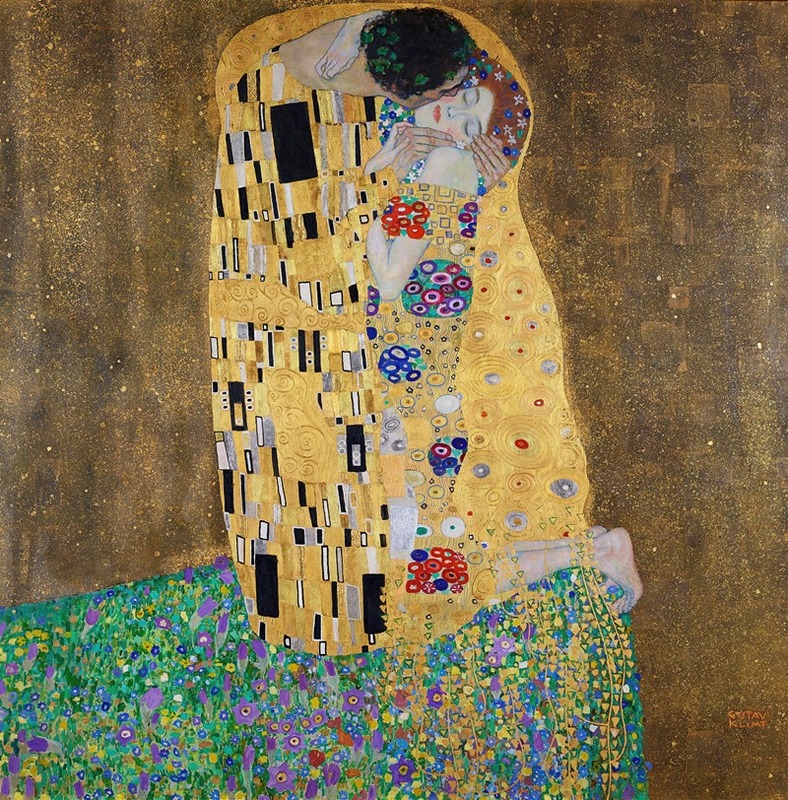
The kiss
Gustav Klimt
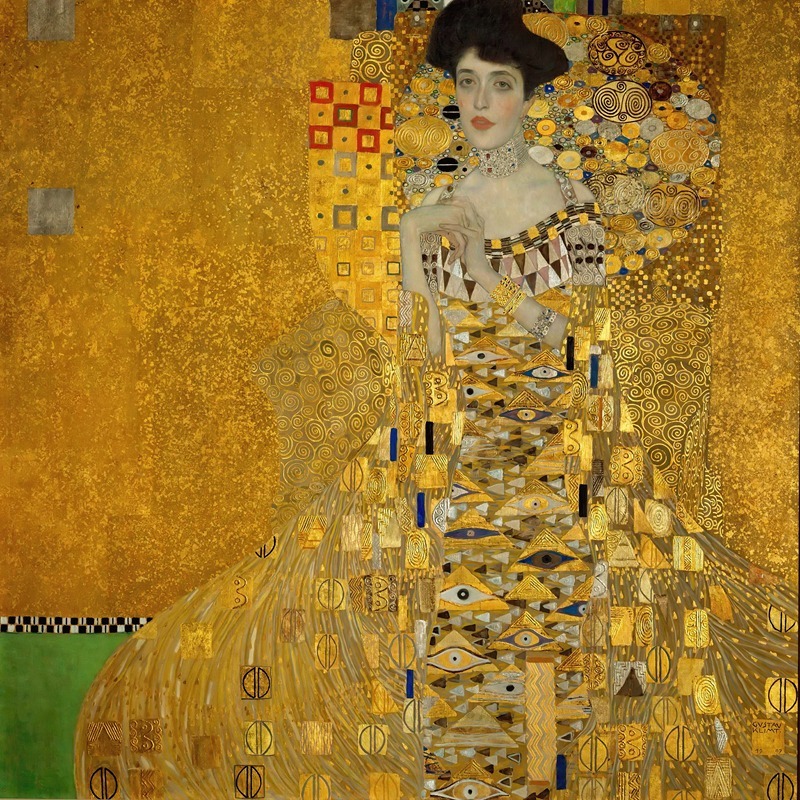
Portrait of Adele Bloch-Bauer I
Gustav Klimt
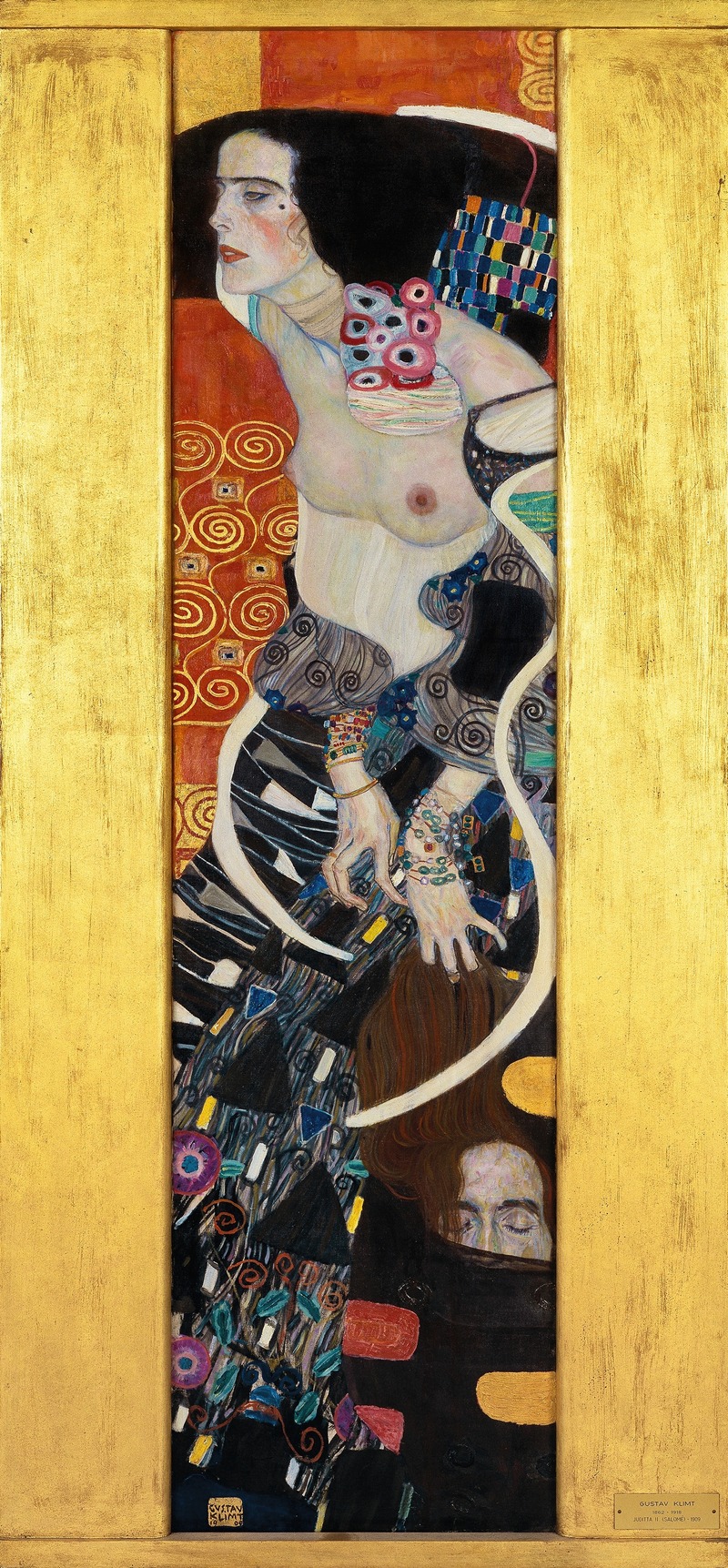
Judith II (Salome)
Gustav Klimt
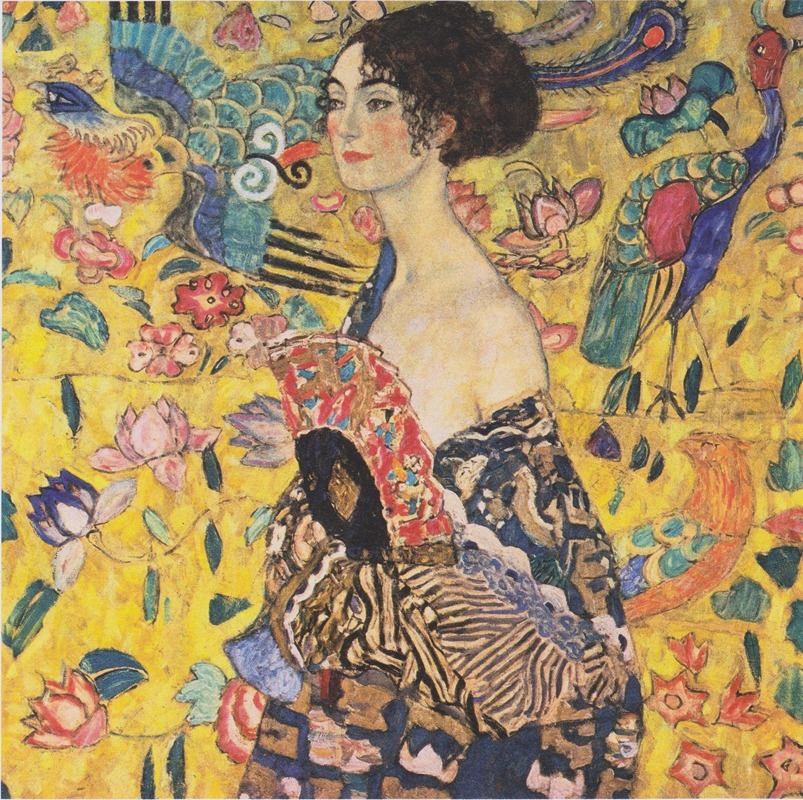
Woman with fan
Gustav Klimt
The kiss (lovers)
Gustav Klimt
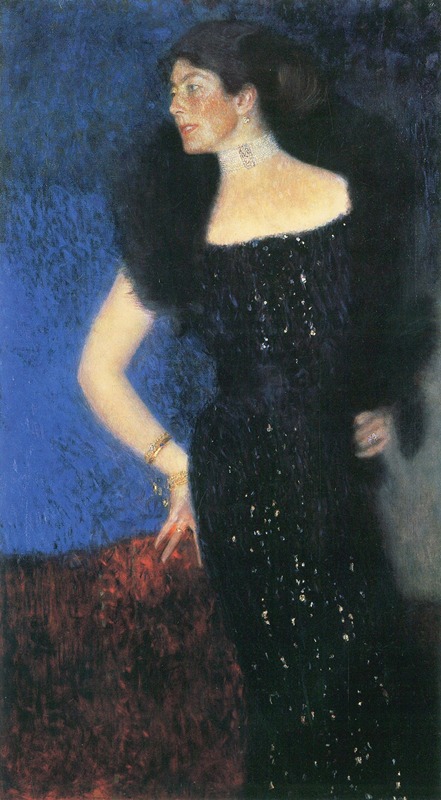
Portrait of Rose von Rosthorn-Friedmann
Gustav Klimt
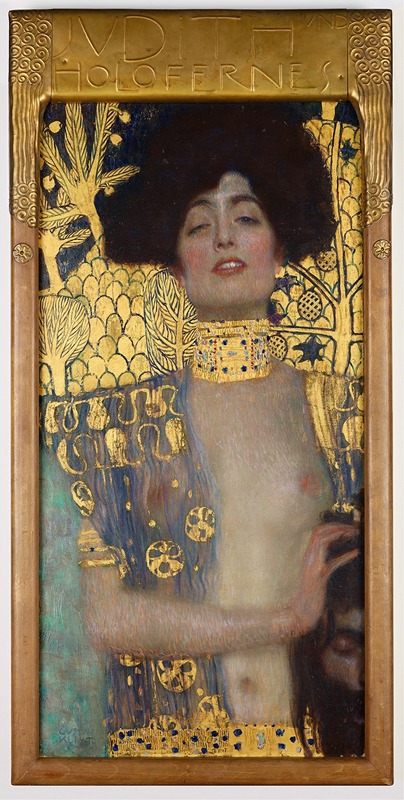
Judith
Gustav Klimt
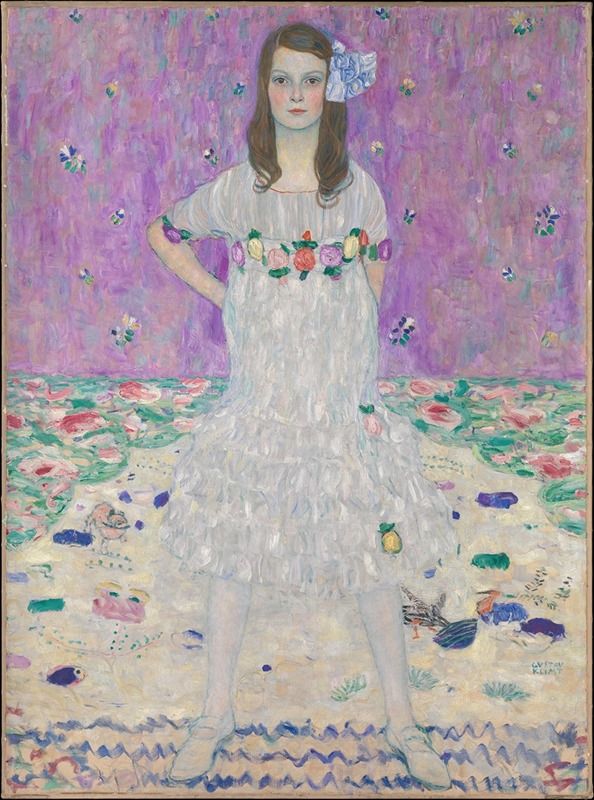
Mäda Primavesi
Gustav Klimt
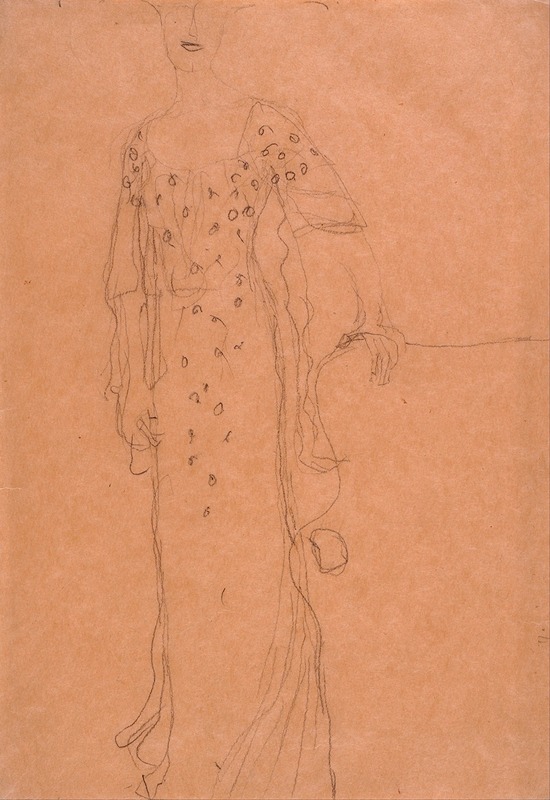
Study for Portrait of Adele Bloch-Bauer I
Gustav Klimt
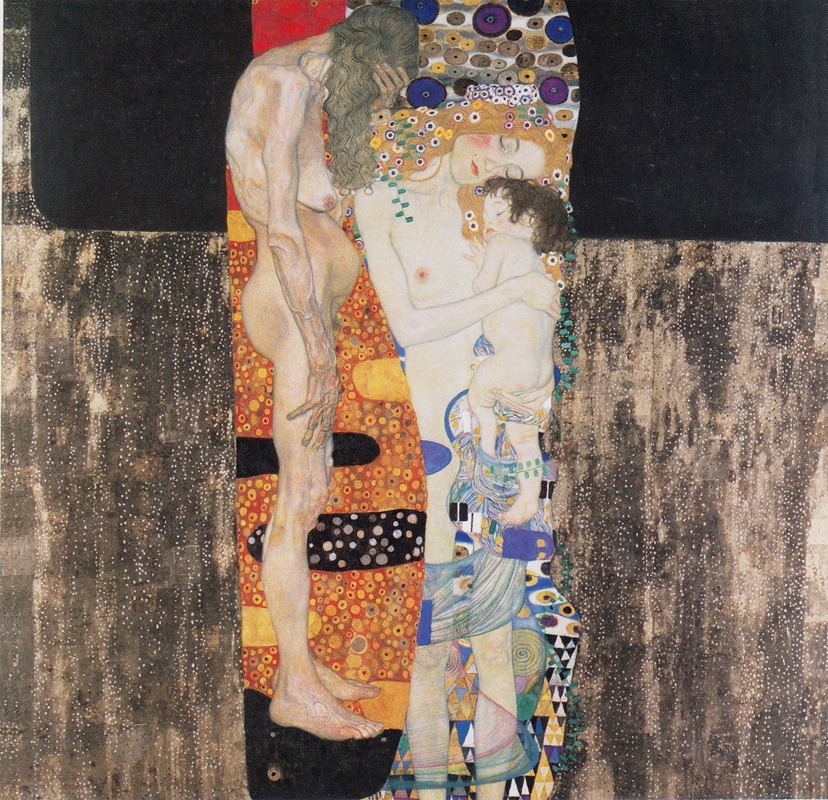
The Three Ages of the Woman
Gustav Klimt
More Allegory Art
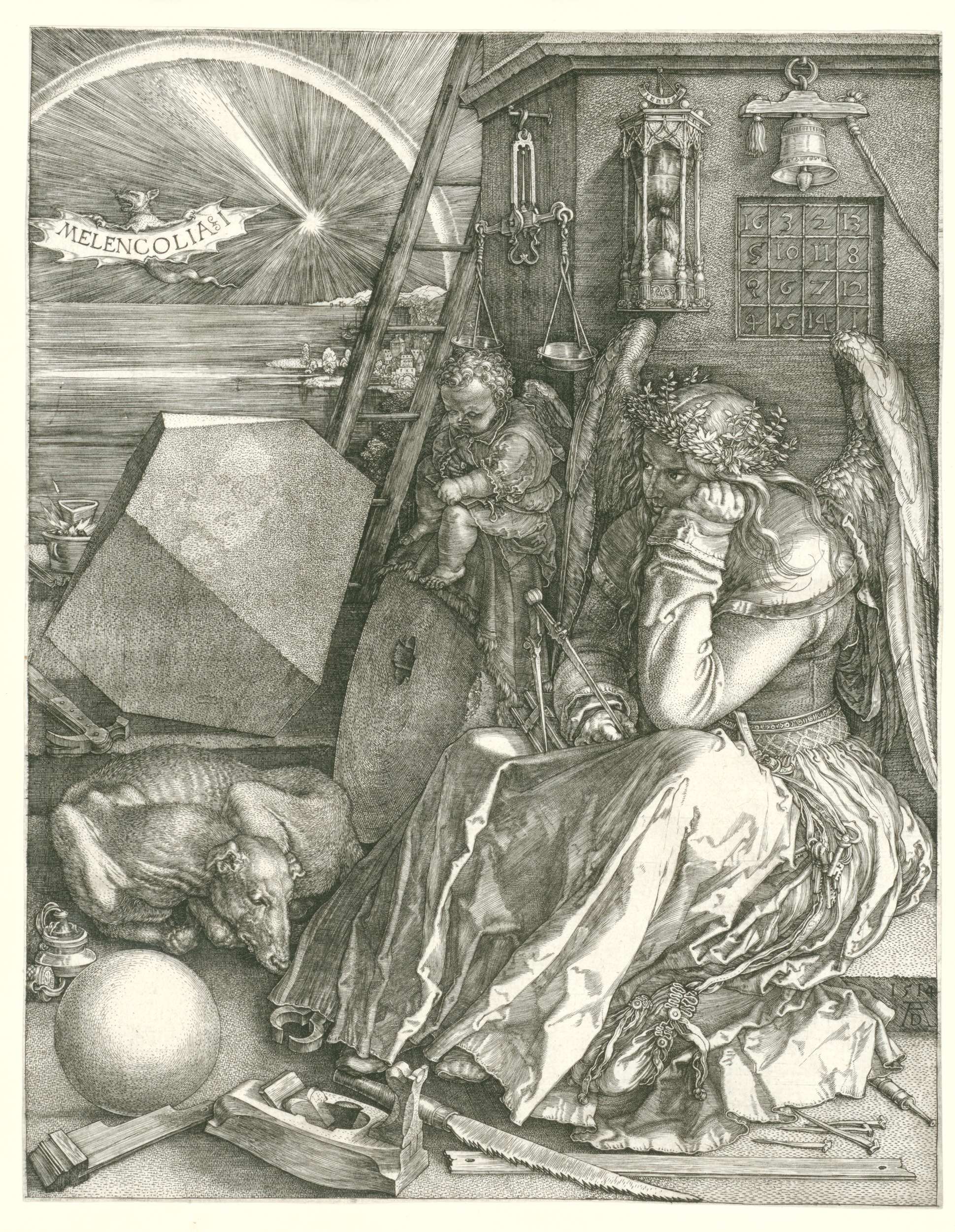
Melancholia
Albrecht Dürer
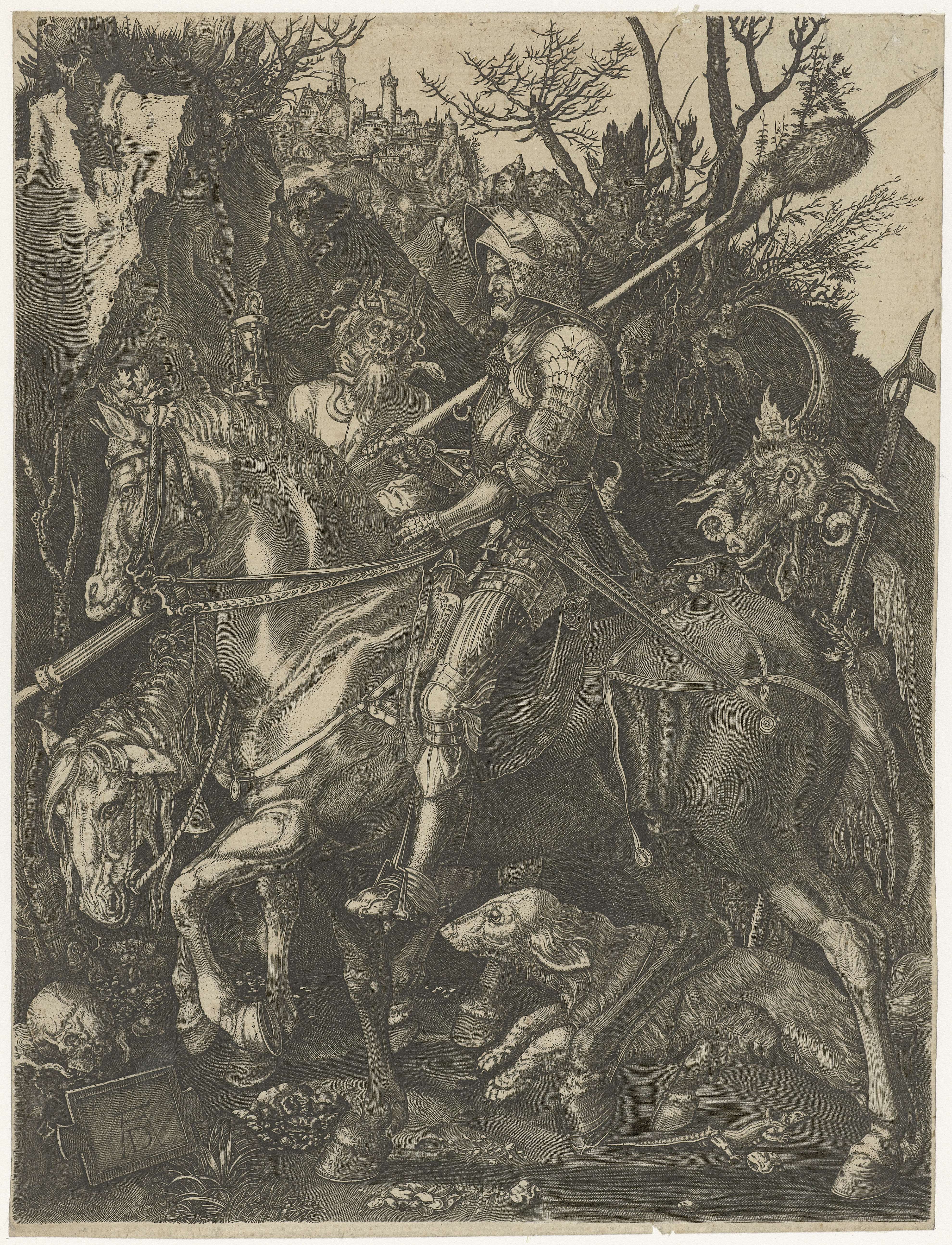
Ridder, Dood en Duivel
Unknown Artist
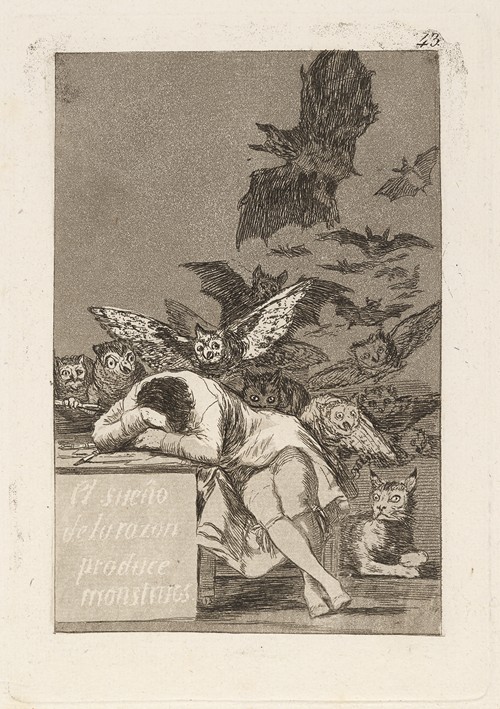
El sueño de la razon produce monstruos. (The sleep of reason produces monsters.)
Francisco de Goya
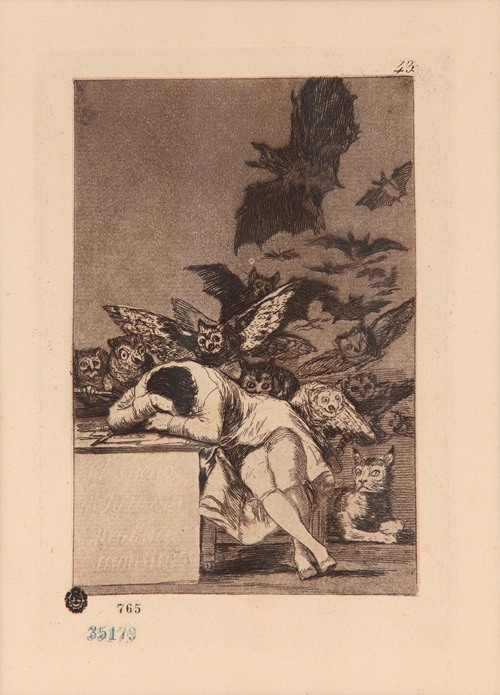
El sueño de la razon produce moustruos (Serie Caprichos)
Francisco de Goya
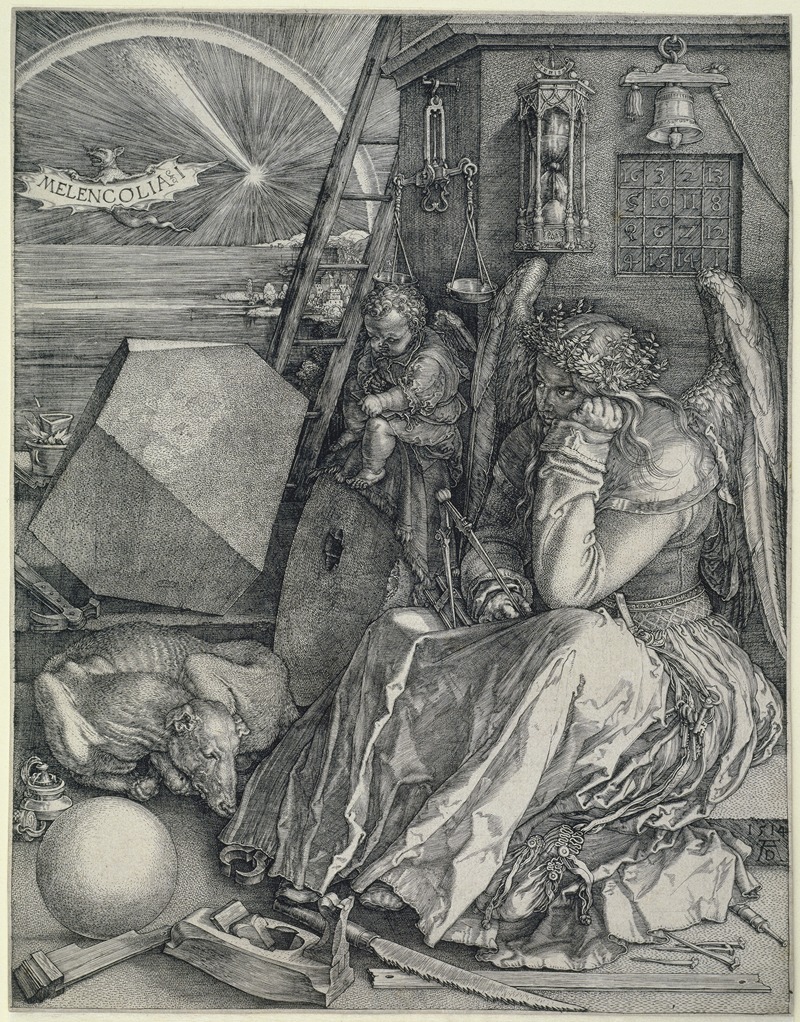
Melencolia I (The Melancholy)
Albrecht Dürer
The Three Ages of the Woman
Gustav Klimt