
Belem Tower near Lisbon on the Tagus — History & Facts
In the stillness of Belem Tower near Lisbon on the Tagus, madness whispers through the arches and stonewalls, beckoning the viewer to explore the depths of history captured in muted tones. The chaos of the world outside is stilled, drawing us into a moment where time seems to suspend, revealing profound truths hidden beneath the surface. Look to the left at the rhythmic patterns of the tower’s crenellations, each meticulously rendered to evoke a sense of solidity and strength. Notice the delicate interplay of light and shadow as it dances across the stonework, highlighting the weathered details that tell stories of a bygone era.
The soft hues of blues and browns create a dreamlike quality, inviting you to lose yourself in this tranquil yet haunting vision of architectural grandeur. As you delve deeper, consider the juxtaposition between the solidity of the tower and the fluidity of the Tagus River that flows beside it. This contrast reflects an emotional tension between permanence and impermanence, hinting at the madness of human ambition against the relentless passage of time. The serene landscape cloaks a deeper tumult, suggesting the ceaseless struggles that have shaped Portugal's history, whispering of triumphs, losses, and the madness that often accompanies them. Created during a period of personal reflection, the artist captured this iconic scene at an uncertain time when he sought solace in the beauty of his surroundings.
Working likely in the early 19th century, he was influenced by the Romantic movement, which emphasized emotion and nature’s sublime power. Amidst a world of rapid change, the painting stands as a testament to an era when artists like him grappled with their identities and the larger narratives of history.
More Artworks by Charles Hamilton Smith
Browse all →
Situation of H.M.S. Hecla & Griper
Charles Hamilton Smith
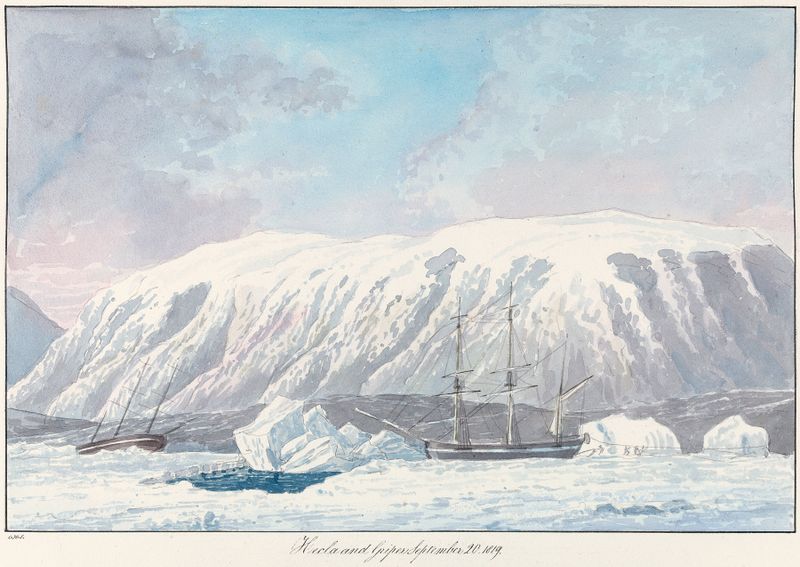
Hecla and Griper
Charles Hamilton Smith

Friendly Cove, Nootka Sound
Charles Hamilton Smith

Iceberg in Baffin’s Bay
Charles Hamilton Smith
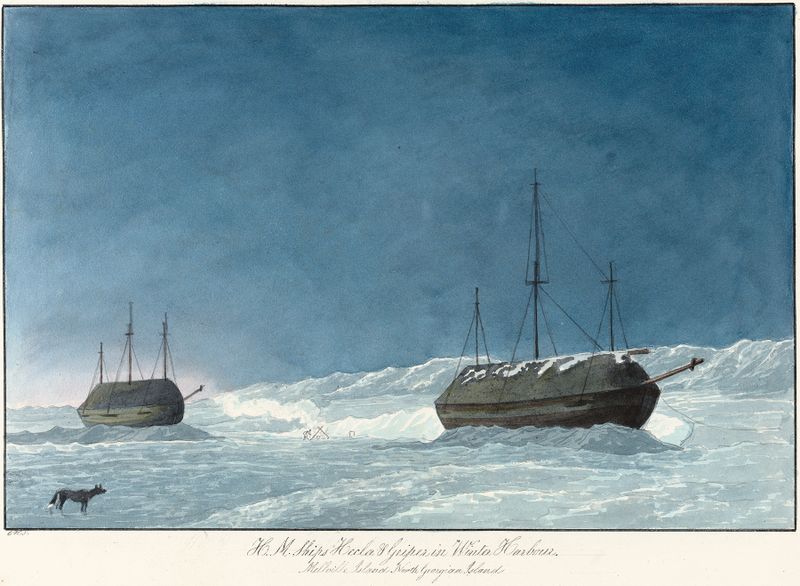
H. M. Ships Hecla and Griper in Winter Harbour
Charles Hamilton Smith

The Erebus & Terror in a Gale in the Pack of the Ice
Charles Hamilton Smith
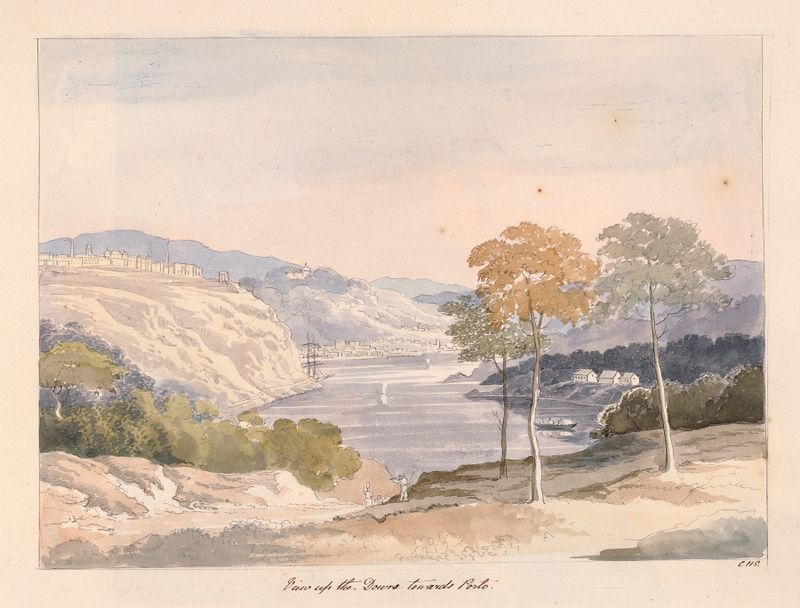
View of the Douro towards Porto
Charles Hamilton Smith
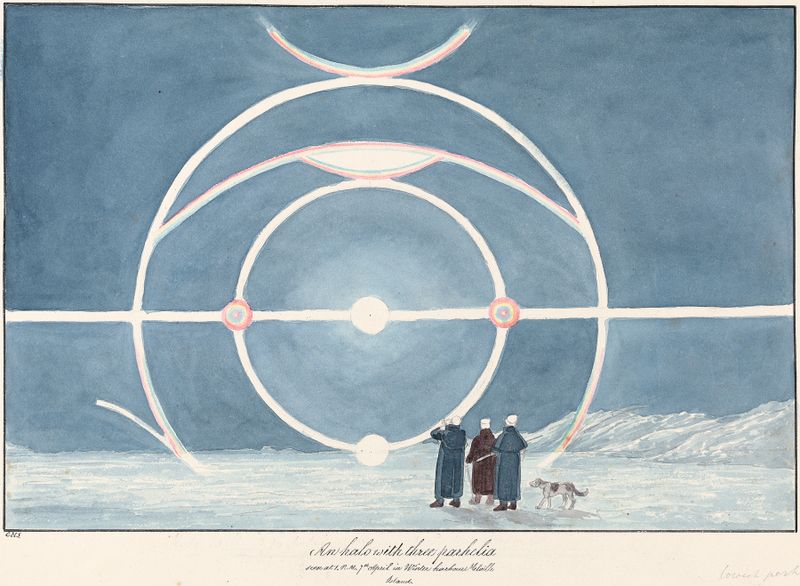
Halo with Three Parhelia, Winter Harbour Melville Island
Charles Hamilton Smith
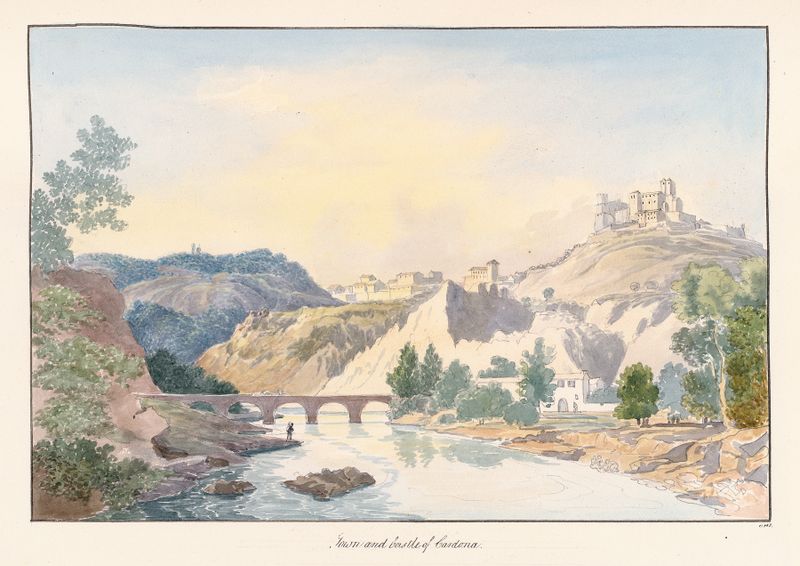
Town and Castle of Cardona
Charles Hamilton Smith
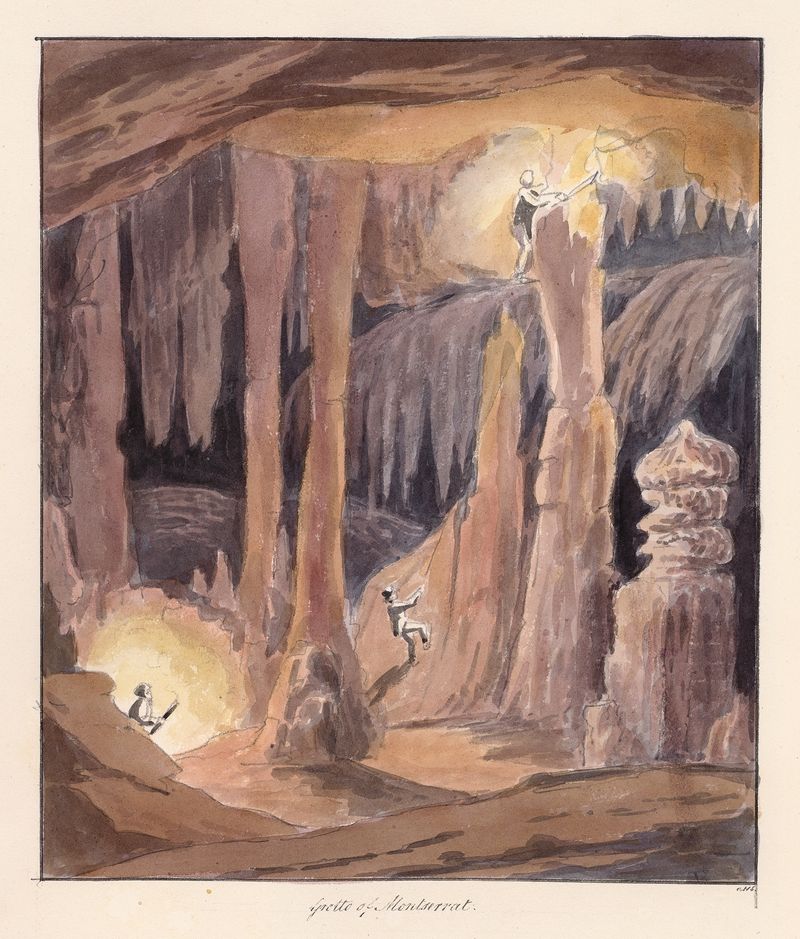
Grotto of Montserrat
Charles Hamilton Smith





