Belle-Isle-en-Mer (vue de la côte des Poulains) — History & Facts
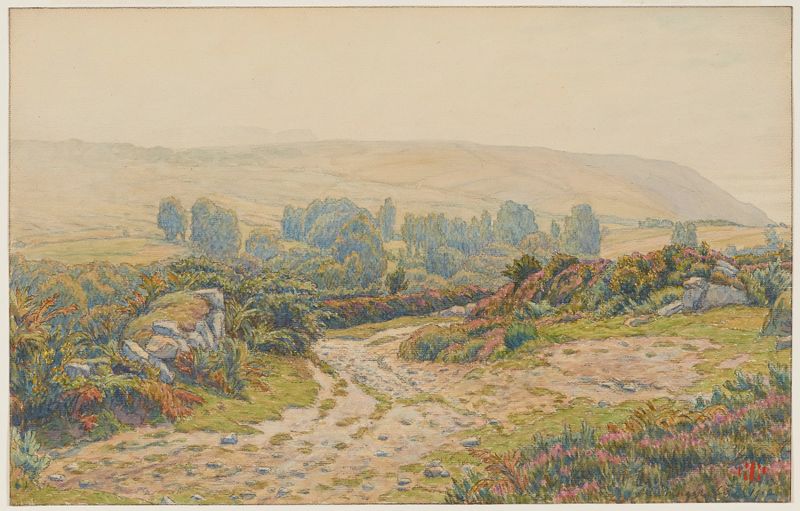
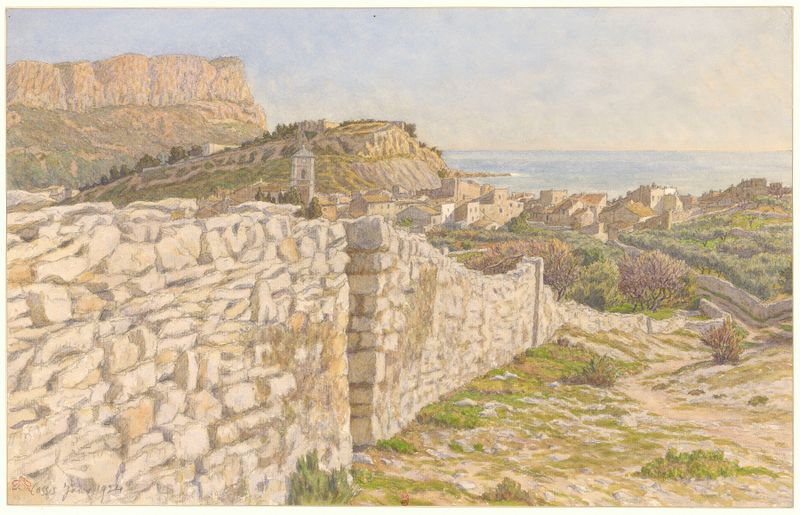
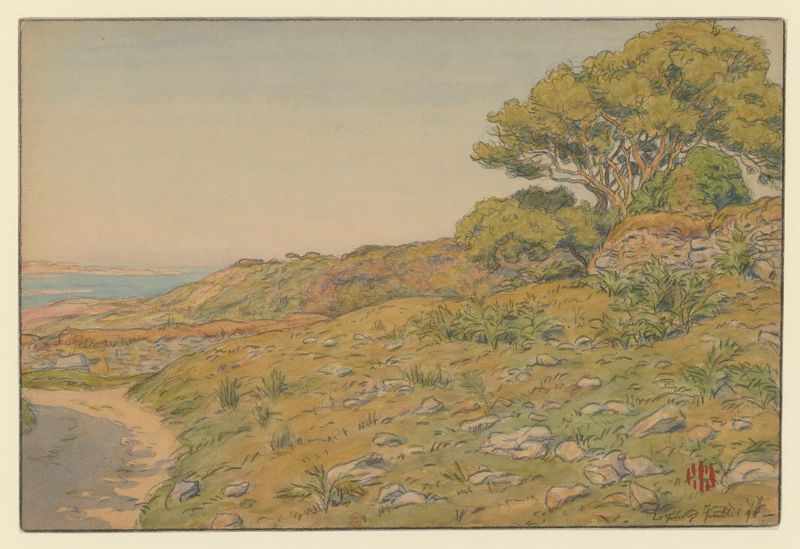
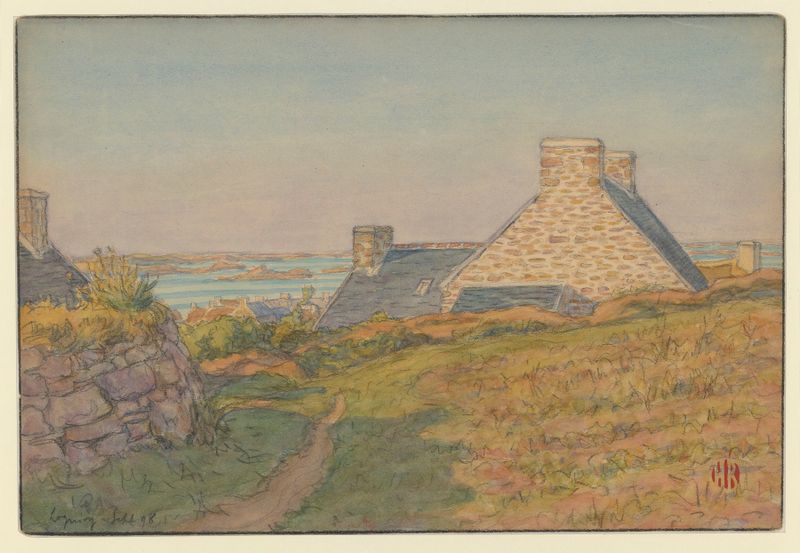
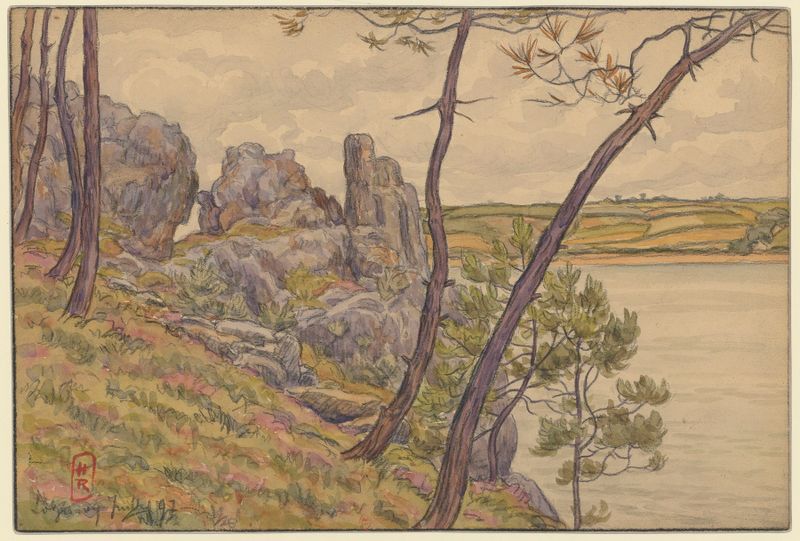
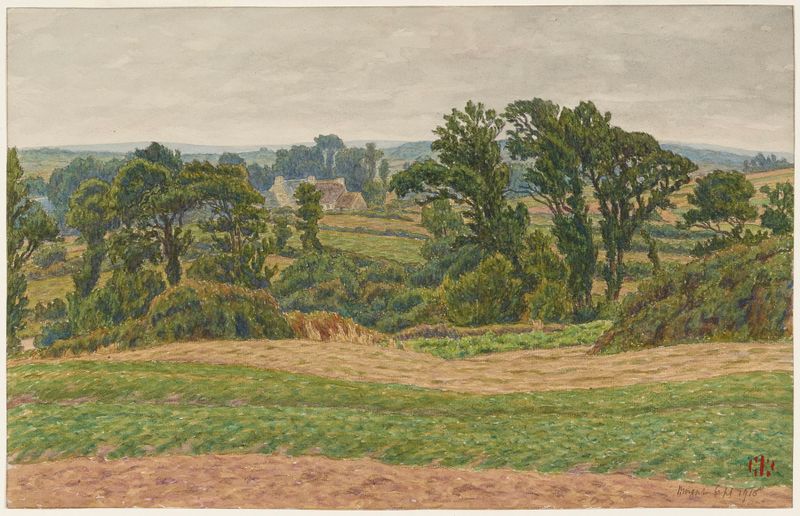
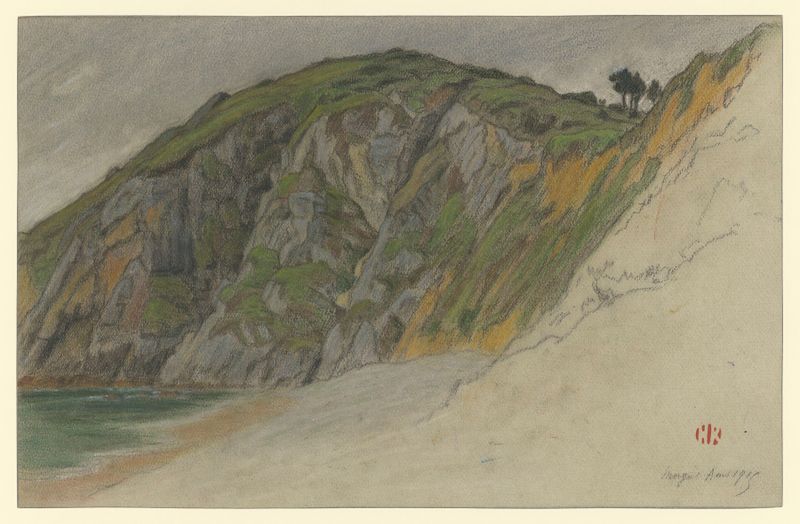
The stillness of the coast holds secrets, whispering truths that only the attentive can unravel. In this serene landscape, the horizon blends seamlessly into a tranquil sea, inviting contemplation and introspection. Look to the center of the canvas, where the azure of the water transitions softly into the sandy shore, creating a gentle curve that draws the eye outward. Notice the delicate brushwork that defines the cliffs on the left, their rugged texture contrasting with the smooth expanse of the ocean.
The muted palette, dominated by cool blues and warm ochres, evokes a sense of peaceful solitude, while the wispy clouds overhead reflect a fleeting moment in time. This idyllic setting captures not just the beauty of nature but also an underlying tension between solitude and connection. The distant lighthouse stands as a symbol of guidance in the vastness, while the absence of figures emphasizes the isolation that often accompanies reflection. Each element, from the calm waves to the silent cliffs, invites the viewer to engage with their own thoughts and emotions, mirroring the stillness of the scene. Henri Rivière painted this work in 1910 during a time when he was deeply influenced by the Symbolist movement in France.
Living in Paris, he found inspiration in the natural landscape of Brittany, particularly the Isle of Belle, where he sought to capture the essence of the coast's rugged beauty. His explorations of color and form during this period would later contribute to the evolving dialogue in the art world, bridging the gap between impressionism and modernism.