
Bergsee — History & Facts
Could a single brushstroke hold eternity? In Bergsee, the delicate interplay of colors and forms suggests a larger narrative — one that transcends time and place, inviting viewers into a moment of pure creation. Look to the center, where the serene lake reflects the imposing mountains that cradle it. The cool blues and greens of the water contrast with the warm earth tones of the surrounding landscape. Notice how the artist employs soft brushwork to blend the colors seamlessly, capturing the gentle ripples on the surface as well as the rugged textures of the rocky cliffs, which lend depth to the composition.
The light dances across the scene, creating a tranquil ambience that draws you in, urging you to explore every corner of this idyllic tableau. Beneath the calm surface lies an emotional tension — the juxtaposition of the still water against the formidable mountains speaks to the struggle between serenity and chaos. Small details, like the scattered foliage along the shoreline, hint at life’s fragility amid nature’s grandeur. This harmony between the elements evokes a sense of balance that resonates with the viewer, encouraging reflections on their own place within the universe. In 1911, Max Kahrer painted Bergsee during a period marked by a growing interest in landscape depiction within the art world.
Living in Austria, he was influenced by the burgeoning movements that celebrated nature's beauty and the emotional responses it provoked. This work reflects his exploration of color and form, emblematic of the transition from traditional representation to more modern interpretations of the natural world.
More Artworks by Max Kahrer
Browse all →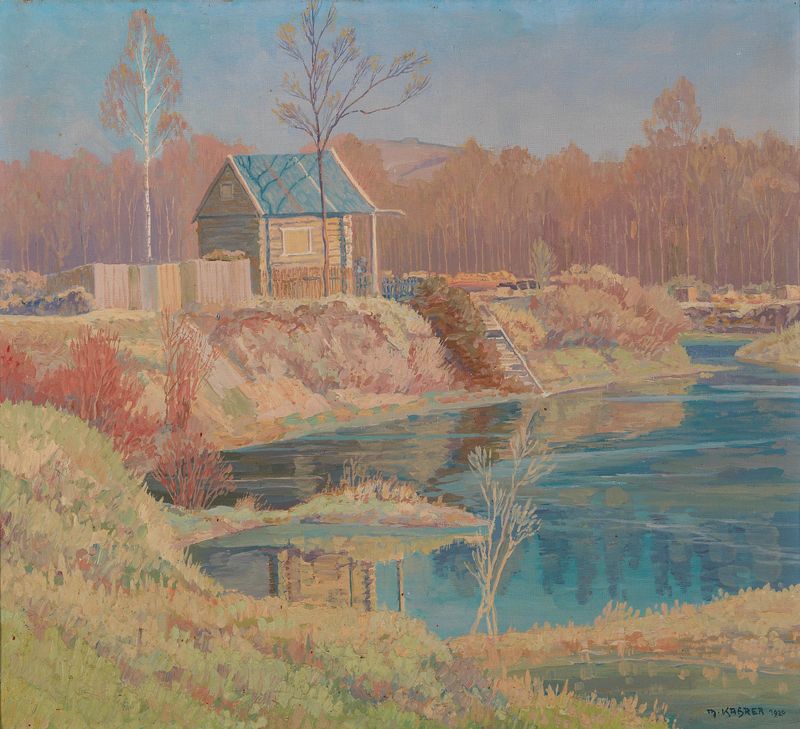
By A Lake
Max Kahrer

View of Klosterneuburg in winter
Max Kahrer

Klosterneuburg im Winter
Max Kahrer

Seiser Alm (Südtirol)
Max Kahrer
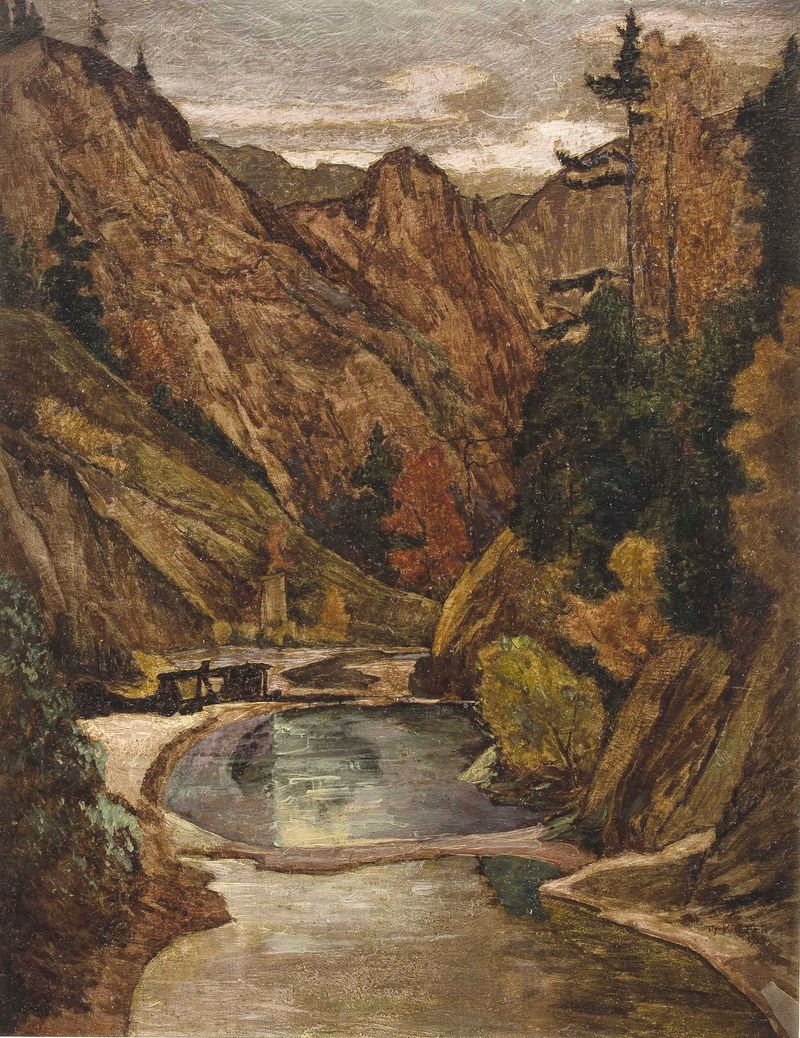
Der Lassinggraben
Max Kahrer
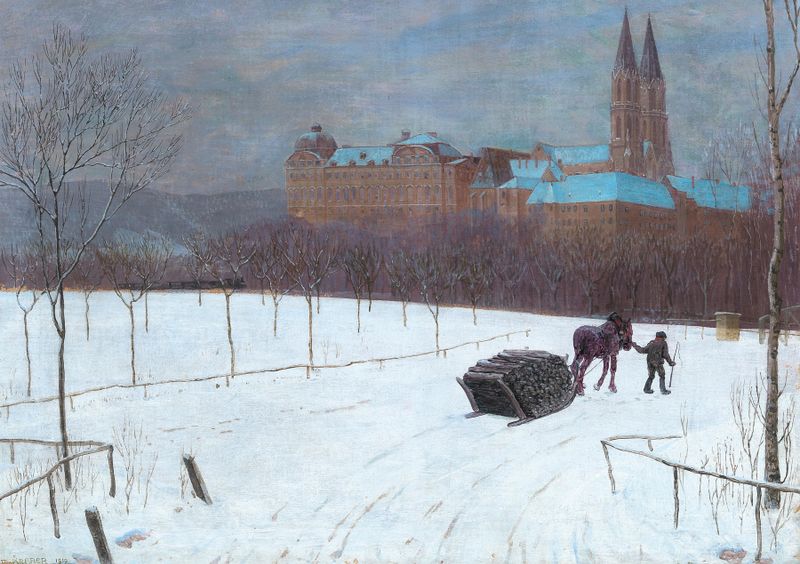
Winter landscape at Klosterneuburg
Max Kahrer

Auf dem Feld
Max Kahrer
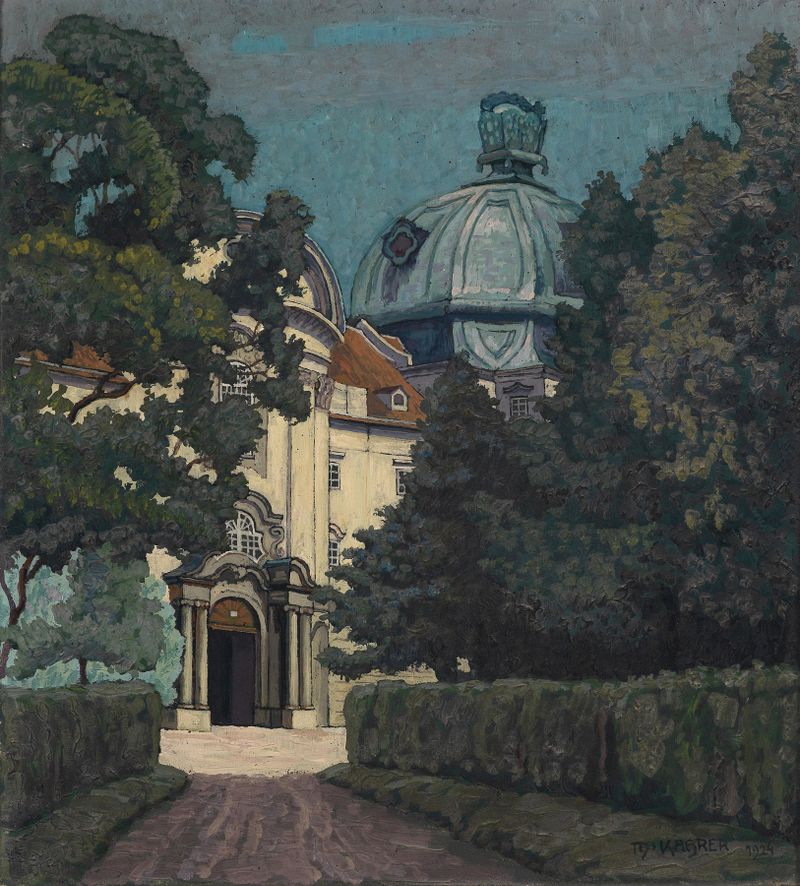
Stiftsportal Klosterneuburg
Max Kahrer

Aulandschaft im Vorfrühling
Max Kahrer

A Landscape
Max Kahrer





