
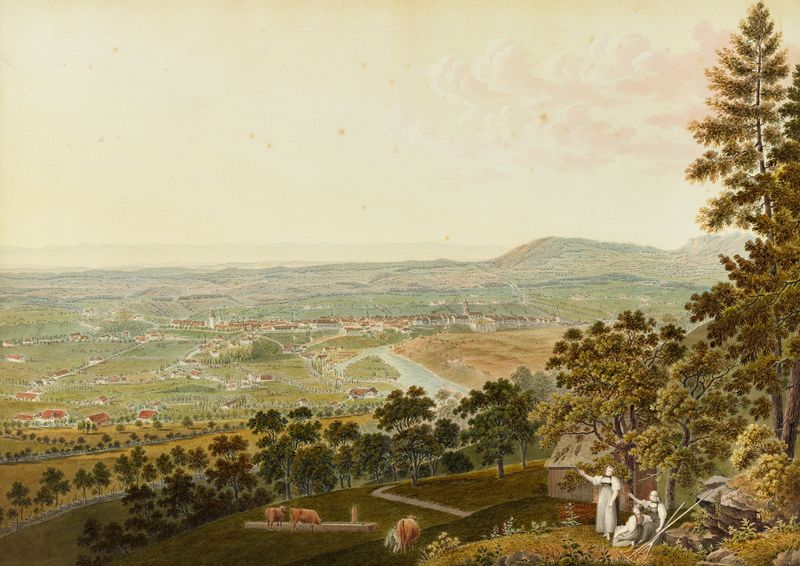
Berne, dépuis la Route de Thoune — History & Facts
Could beauty survive in a century of chaos? In a world shadowed by uncertainty, the delicate balance of nature and civilization asks us to confront our own resilience and hope. Look to the foreground, where the winding path unfurls like a ribbon, guiding the viewer’s gaze into the expansive vista beyond. The soft blues and greens dominate the landscape, embracing the serenity of nature while contrasting with the hints of urban presence peeking through the trees. Notice how the light gently dances upon the rooftops, illuminating the white structures that stand amidst the lush, vibrant foliage.
This interplay of shadow and light represents not just clarity, but the potential for renewal. As your eyes wander through the piece, the juxtaposition of man-made structures against the untamed wilderness speaks volumes. The orderly lines of the buildings evoke a sense of civilization's persistence, while the wild flora suggests an enduring force of nature that cannot be tamed. Together, they create a dialogue about rebirth — the notion that even amidst chaos, there exists an inherent beauty that flourishes in both the natural and artificial realms. In the mid-19th century, Weibel created this work during a time of significant transformation in Switzerland and Europe at large.
The Industrial Revolution was reshaping landscapes and societies, yet artists like him sought to capture the harmony between man and nature. This painting emerged from an era that grappled with modernization while yearning for the pastoral beauty that began to fade, a poignant reminder of the resilience found in the embrace of both worlds.
More Artworks by Jakob Samuel Weibel
Browse all →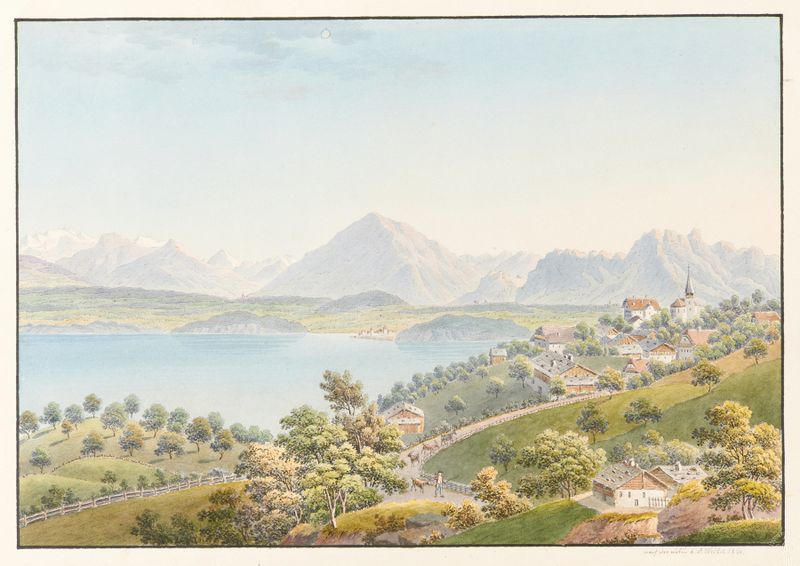
Vue dessiné depuis le Village de Sigriswil, audessus du Lac de Thoune
Jakob Samuel Weibel
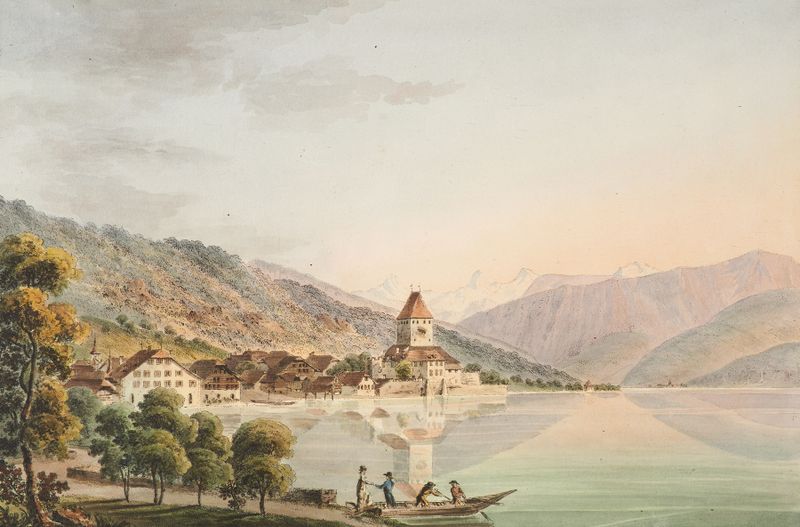
Vûe du Chateau d’Oberhofen au Lac de Thoune
Jakob Samuel Weibel
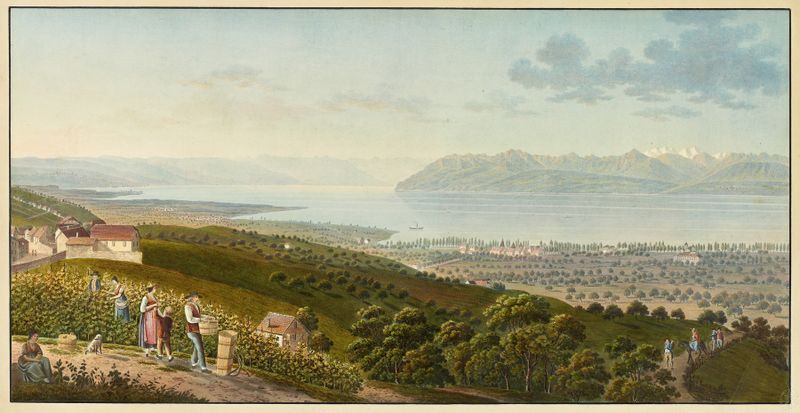
Vue genérale du Lac de Geneve
Jakob Samuel Weibel
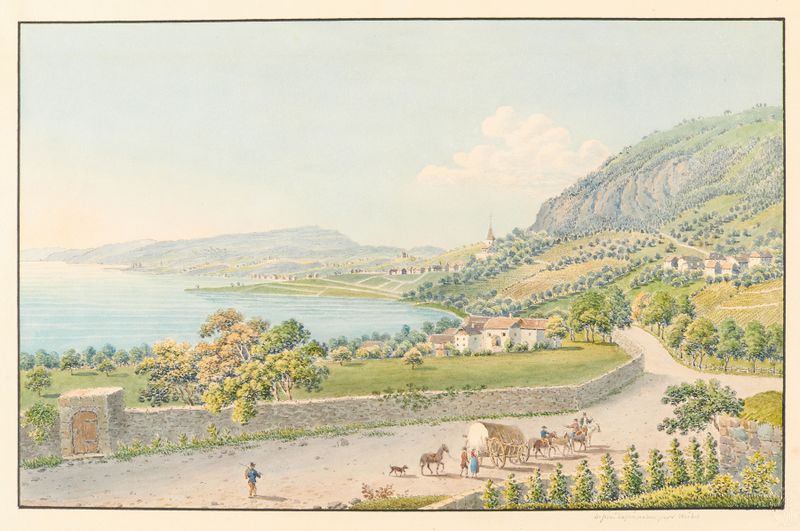
Vue des environs de Montreux et de Clarens
Jakob Samuel Weibel
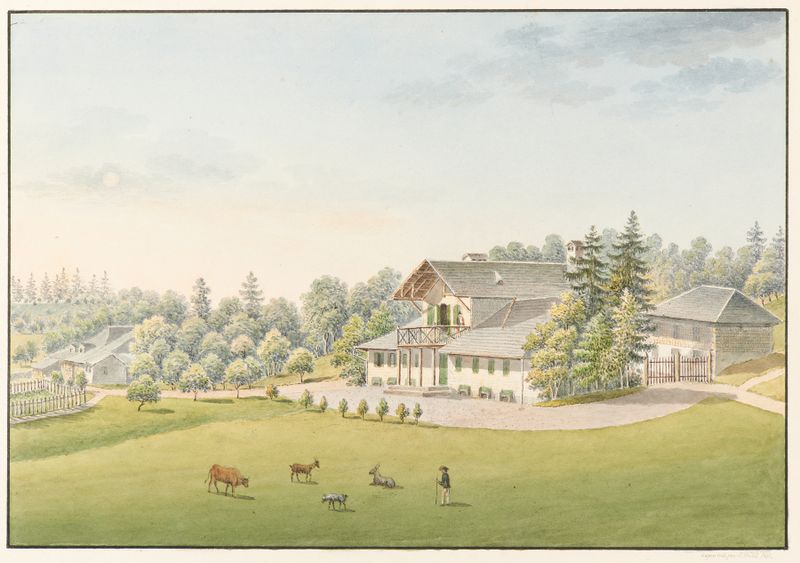
Vue du nouveau Châlet de Vernand
Jakob Samuel Weibel
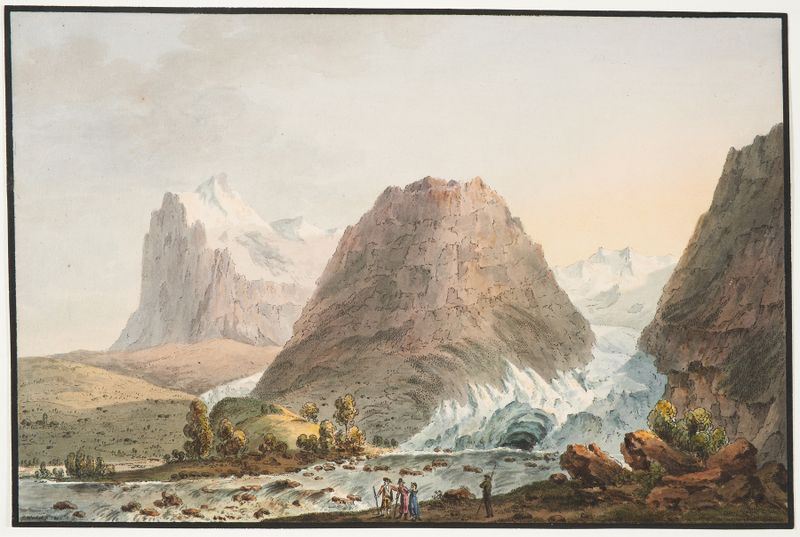
Vûe des Glacieres de Grindelwald
Jakob Samuel Weibel
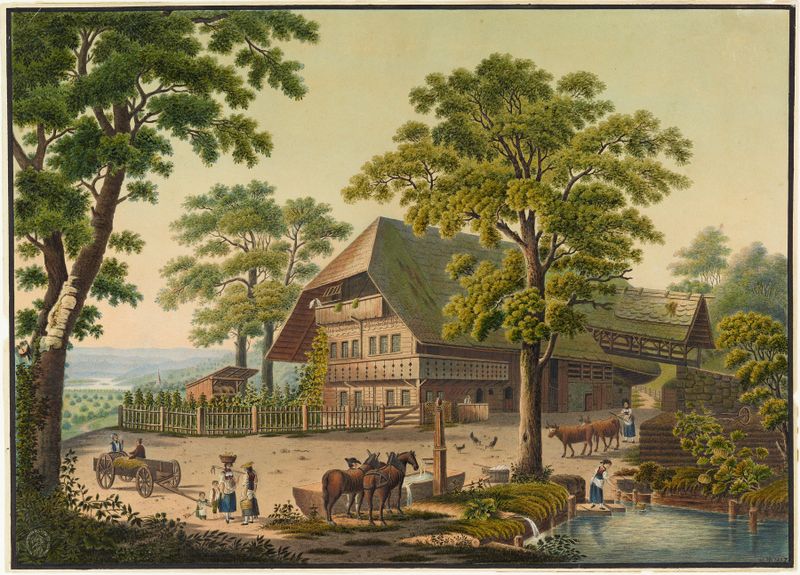
Maison de paysan près Wichtrach
Jakob Samuel Weibel
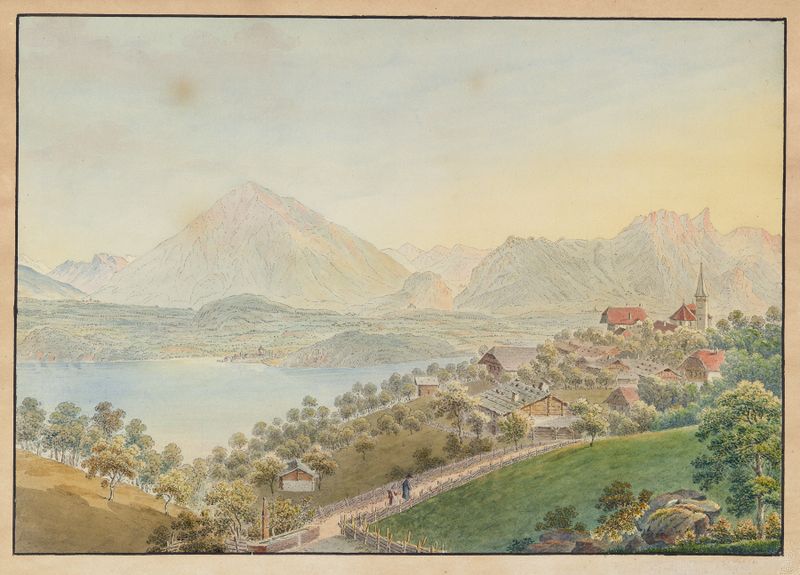
Ansicht von Sigriswil mit Niesen und Thunersee
Jakob Samuel Weibel
Ansicht Berns und der Aare vom Gurten aus
Jakob Samuel Weibel

Lausanne Ville capitale du Canton de Vaud
Jakob Samuel Weibel





