
Berwick-on-Tweed — History & Facts
When did color learn to lie? In the hands of a master, hues can disguise reality, blurring the lines between life and decay. Focus on the sweeping landscape that stretches before you. The scene unfolds with a rich tapestry of greens and earthy browns, creating a soft tension against the vibrant blue of the sky. Notice how the artist skillfully captures the play of light across the water, reflecting not just the physical world but the transient nature of existence itself.
The brushstrokes whisper secrets of the earth, inviting you to trace the contours of the land and the shimmering surface that holds memories of untold stories. There is a haunting contrast nestled within this serene panorama. The stillness of the river juxtaposes the underlying currents of time—nature’s eternal cycle of life and death captured in the interplay of shadow and light. Details like the dimming horizon remind us of the fleetingness of our own lives.
Each stroke seems to echo the fragility and beauty of mortality, inviting contemplation on what we leave behind as we drift through the world. In 1906, Cameron painted this evocative work during a period of introspection as he explored various landscapes in Scotland. The early 20th century was a time of change in the art world, with movements shifting toward modernism. Cameron, influenced by his travels and keen observation of nature, sought to convey not just the visual beauty of the Scottish landscape, but also its deeper emotional resonance, one that speaks to the fragile essence of human existence.
More Artworks by David Young Cameron
Browse all →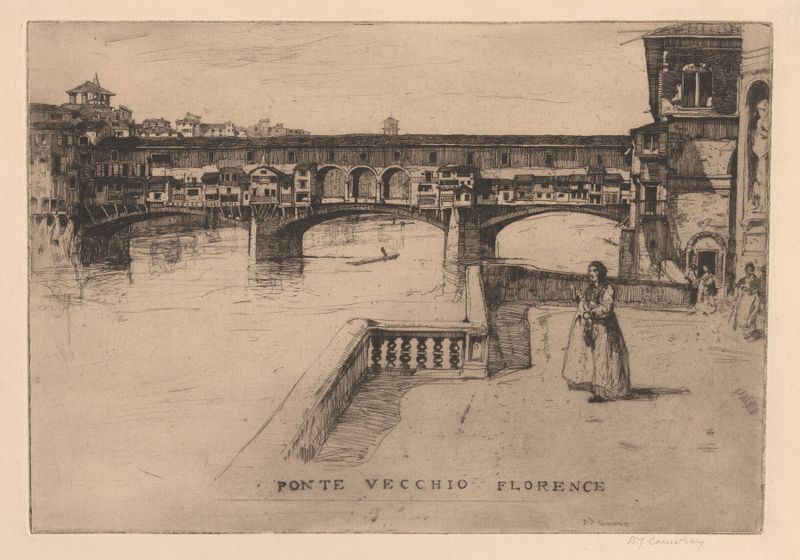
Ponte Vecchio
David Young Cameron

The Deanery, Winchester
David Young Cameron
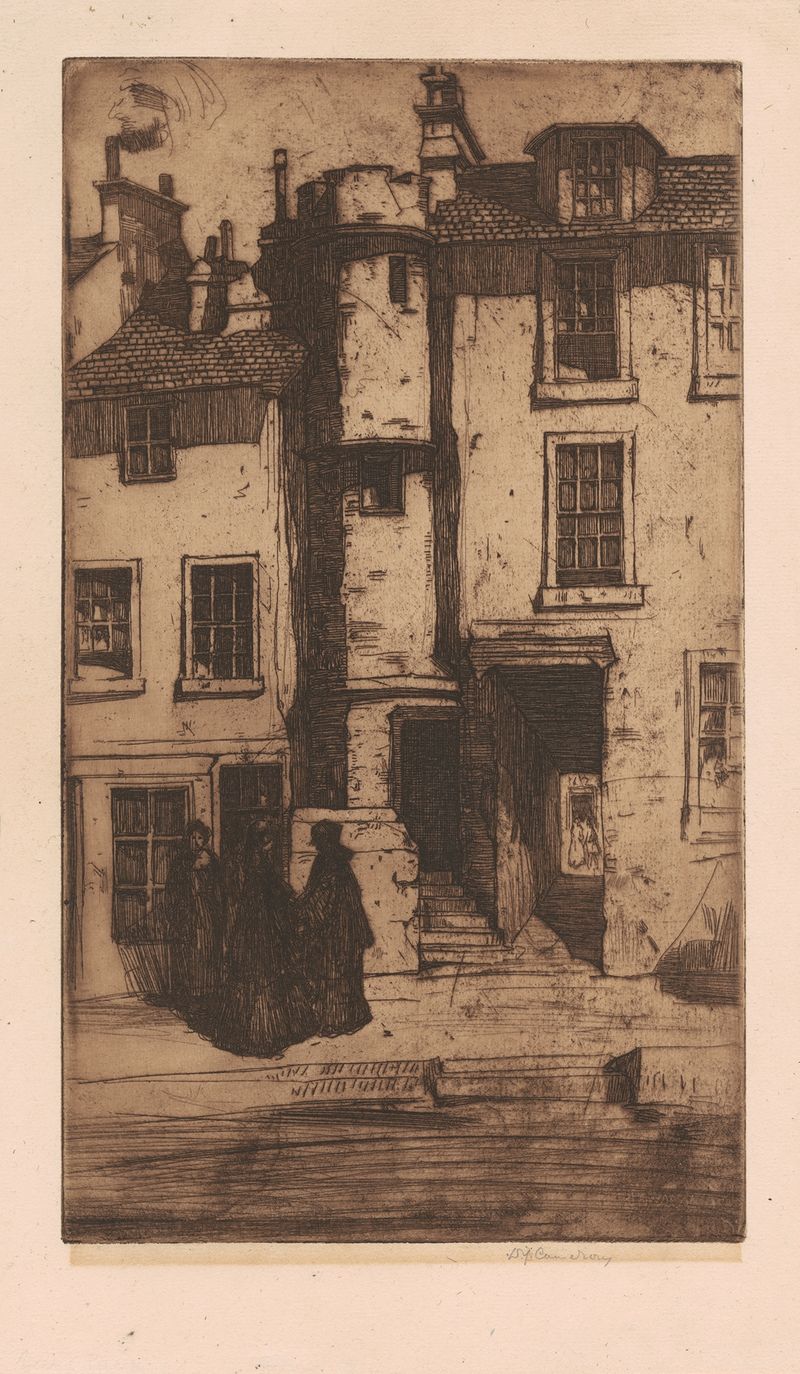
Old Houses, Stirling
David Young Cameron
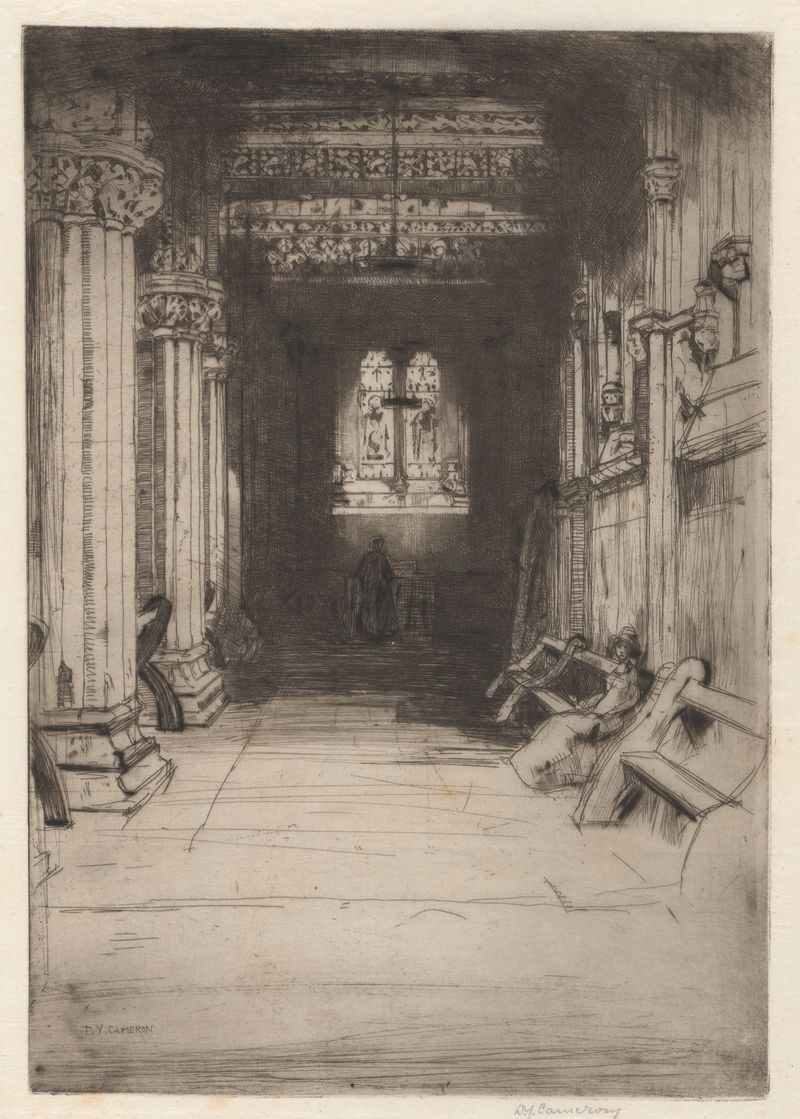
Rosslyn Chapel
David Young Cameron

The Old Museum, Beauvais
David Young Cameron
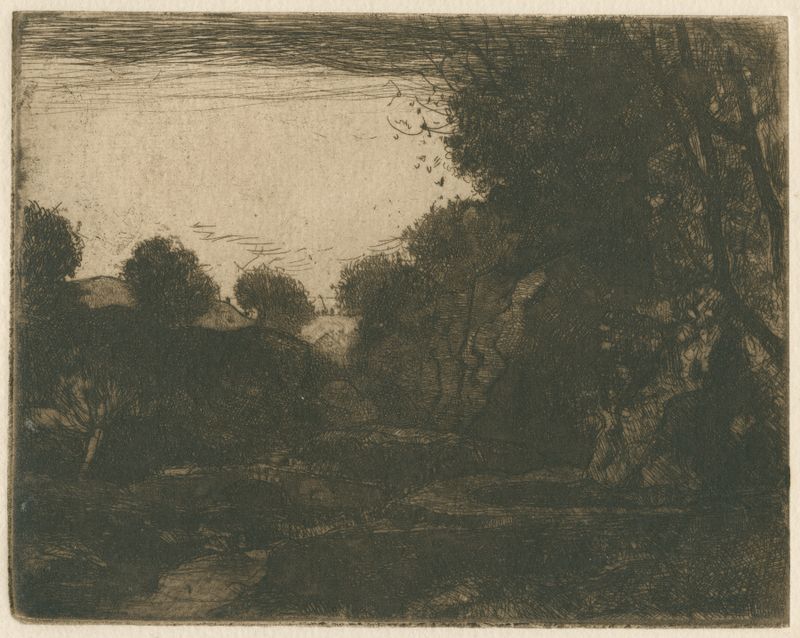
On the Bradford
David Young Cameron

The Smithy
David Young Cameron
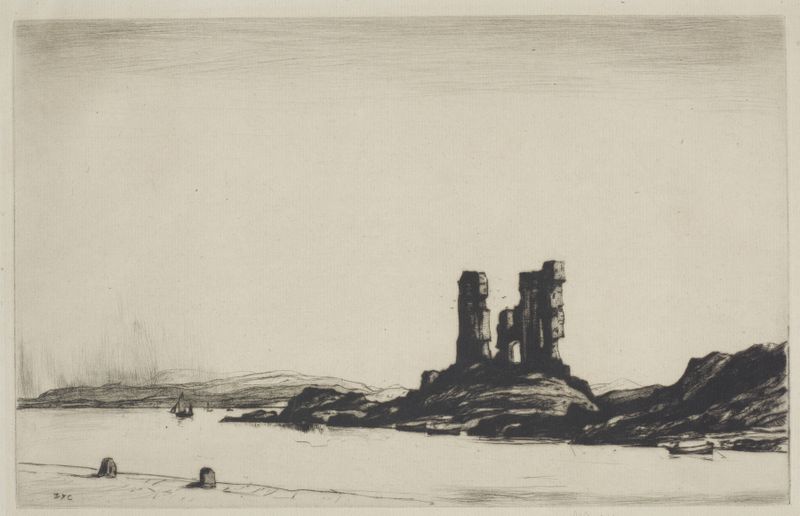
Castle Moyle
David Young Cameron
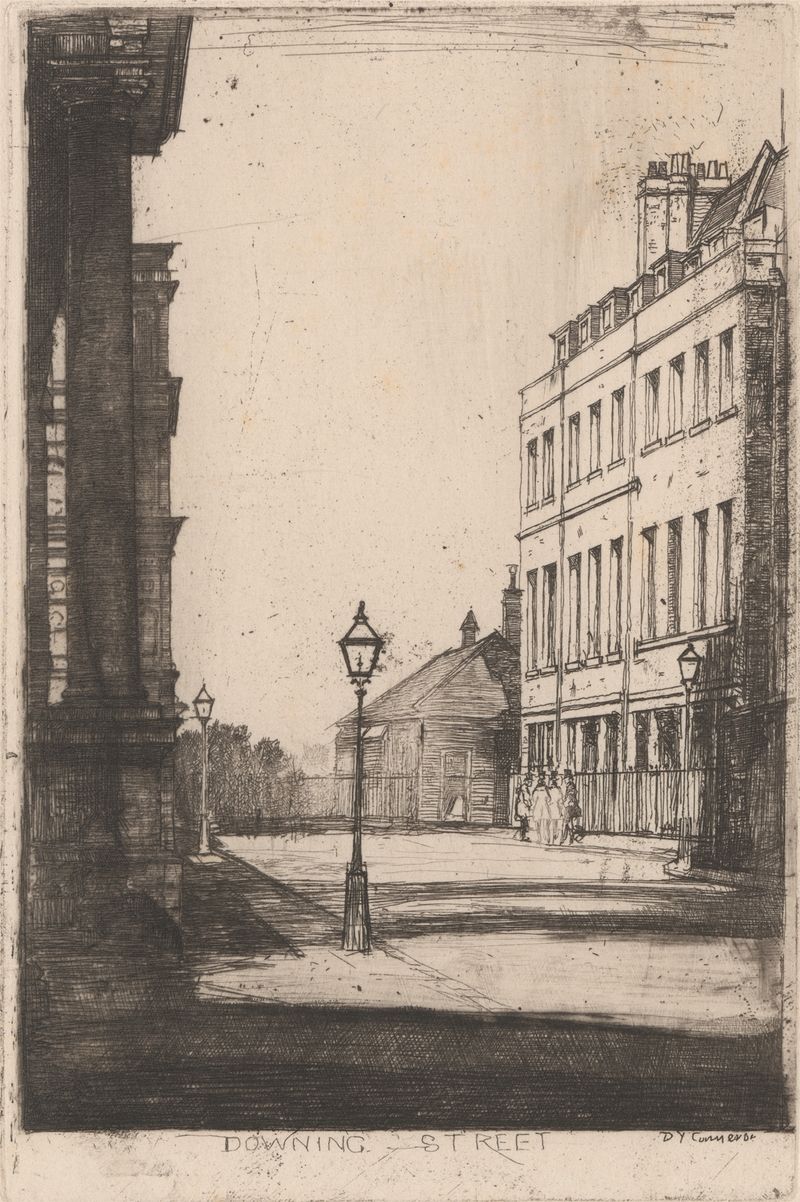
Downing Street
David Young Cameron

Glasgow Cathedral
David Young Cameron





