Besse-en-Chandesse — History & Facts
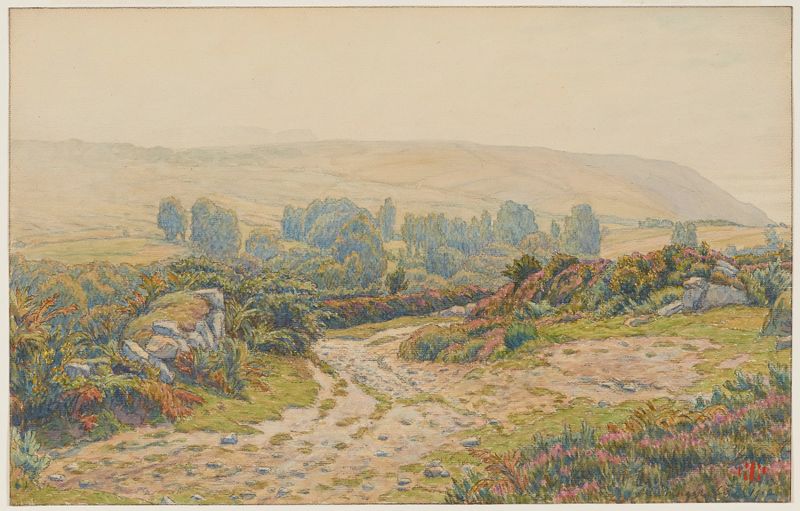
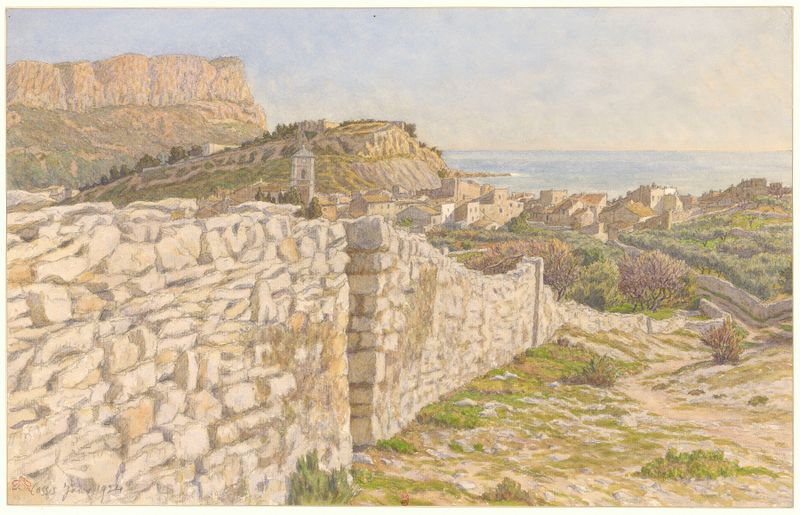
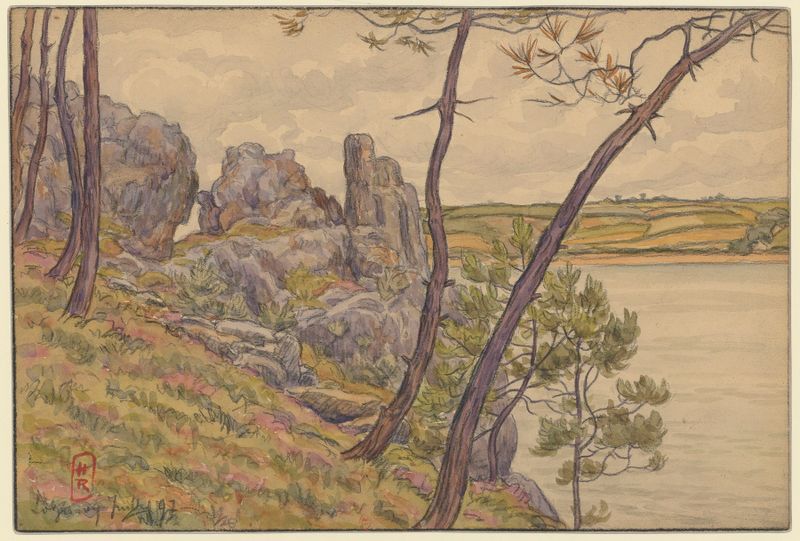
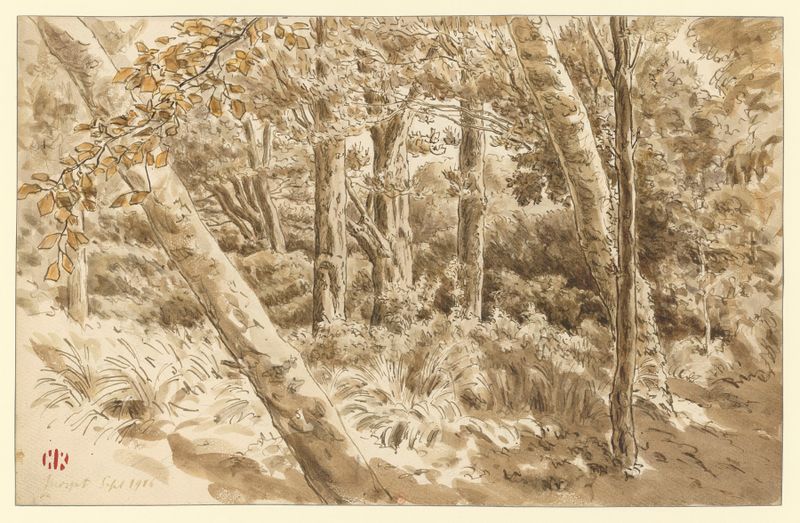
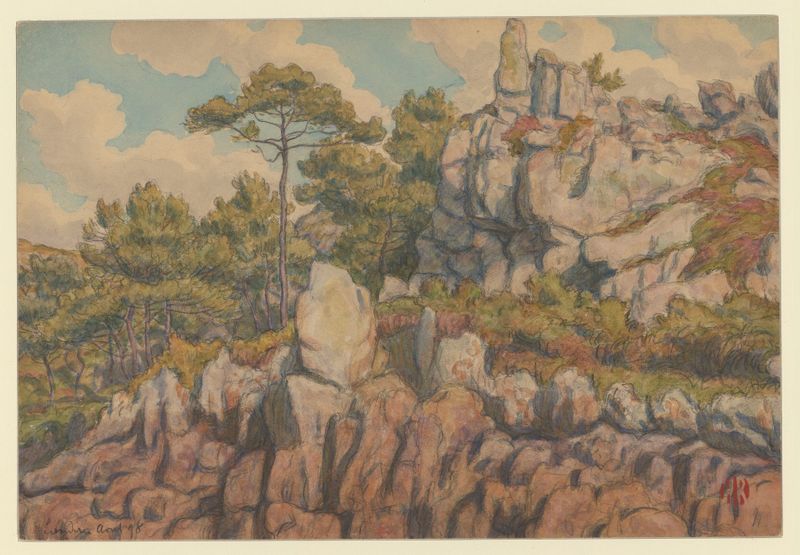
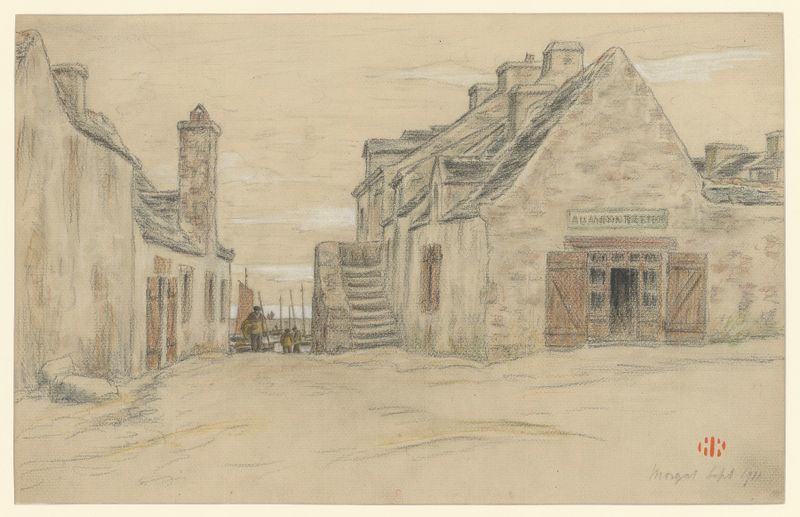
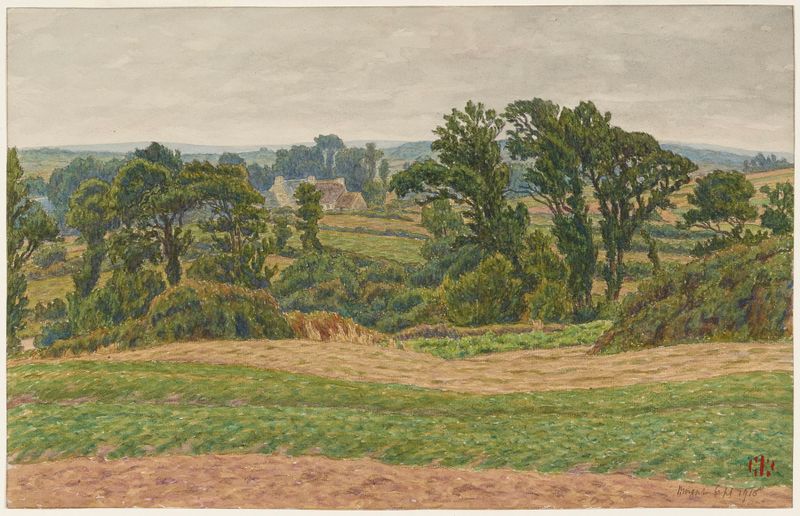
In a world heavy with tumult, the act of creation transforms disorder into something profound and serene. As one gazes at the artwork, layers of existence ripple like reflections in a still lake, inviting deeper contemplation. Look to the center, where gentle strokes of blue and green converge, suggesting the tranquility of water flowing through lush landscapes. The interplay of light dances across the canvas, creating a sense of movement that captures the essence of the scene—a serene village nestled in nature’s embrace.
Notice how the warm tones of the earth ground the composition, while the cooler colors evoke a feeling of calmness, leading one's eye through the rhythmic valleys and hills that define the region. Delve into the subtleties: the way shadows linger beneath the trees hints at the passage of time, perhaps a quiet reminder of life's fleeting moments. The careful balance between vibrant hues and muted tones reflects the conflict between nature’s chaos and the artist's desire for harmony. Each brushstroke not only conveys the landscape but also evokes a longing for connection, urging viewers to consider their own place within this idyllic setting. Created in 1921, this work emerged during a period of personal introspection for the artist, as he sought to reconcile his artistic ambitions with the socio-political upheavals of post-war France.
Rivière was deeply influenced by the Symbolist movement, using landscapes to express emotional depths and philosophical inquiries. In this piece, he captures not just a physical space, but an echo of the soul's yearning for beauty amidst uncertainty.