
Bibi-Khanym Mosque in Samarkand. From the journey to Turkestan — History & Facts
This notion echoes profoundly in the delicate layers of Jan Ciągliński's Bibi-Khanym Mosque in Samarkand, a work that transcends mere representation to unveil the illusions of beauty and history. Look closely at the intricate tilework that sprawls across the mosque's grand facade, each pattern a mosaic of color, inviting the viewer to trace the paths of light and shadow. Notice how the brilliant blues and golds juxtapose against the warm, earthy tones of the surrounding landscape, creating a vibrant dialogue between nature and architecture. Your gaze is naturally drawn to the soaring minarets, which reach for the sky like fingers stretching toward the divine, while the arched entryways invite you to pass through the threshold into another world. The artwork captures a sense of grandeur that belies the fragility of time, as the mosque stands proudly amidst the creeping vines and weathering stones.
The illusion of permanence is deftly contrasted by the delicate play of light across the surface, reminding us of the passage of time and the inevitable decay of even the most magnificent structures. There is a tension between the awe of human achievement and the quiet whisper of nature reclaiming its space, inviting contemplation on the relationship between humanity and the divine. Ciągliński painted this piece in 1912, during a period of great personal and artistic exploration. Residing in Paris but drawing inspiration from his travels in Turkestan, he was influenced by the vibrant cultures and architectural wonders he encountered.
This painting reflects not only his artistic skill but also the broader context of early 20th-century art, where Eastern influences began to weave into the fabric of Western aesthetics, highlighting a growing fascination with the exotic and the profound.
More Artworks by Jan Ciągliński
Browse all →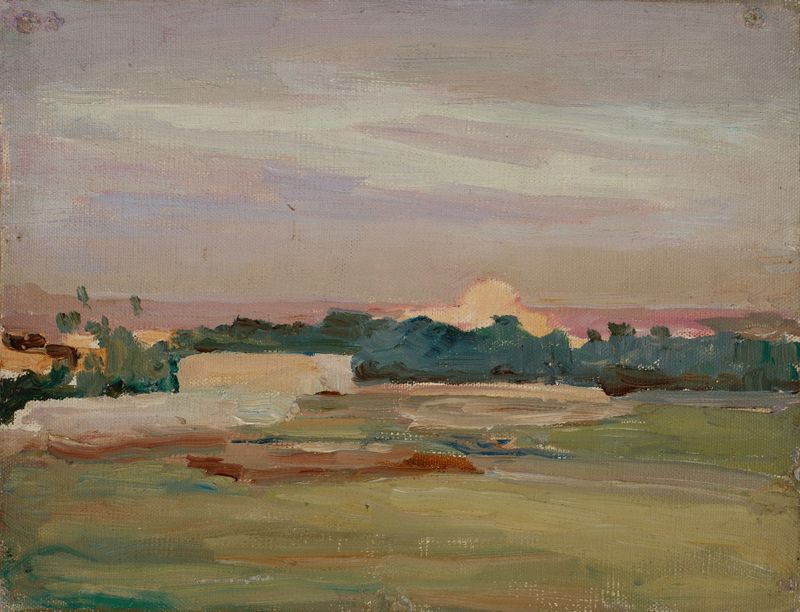
The Sirocco
Jan Ciągliński
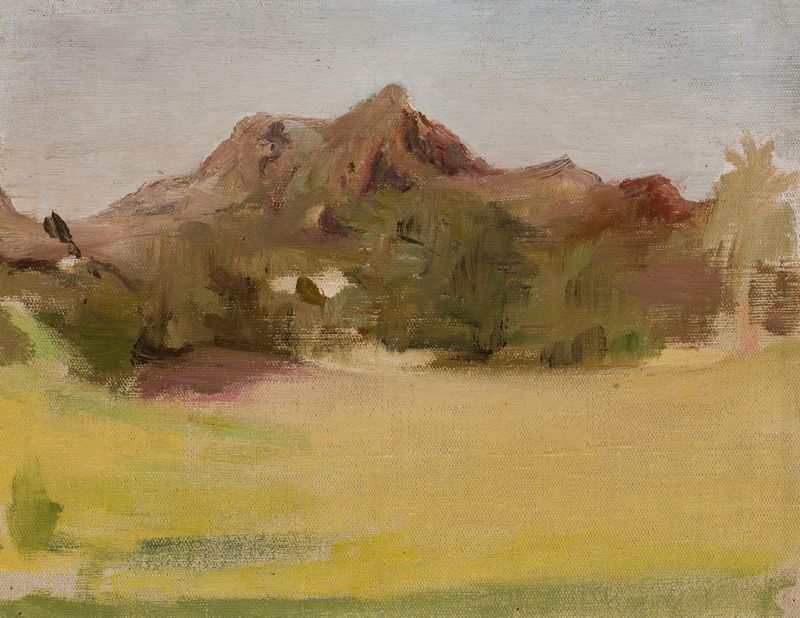
Mountain landscape. From the journey to India
Jan Ciągliński
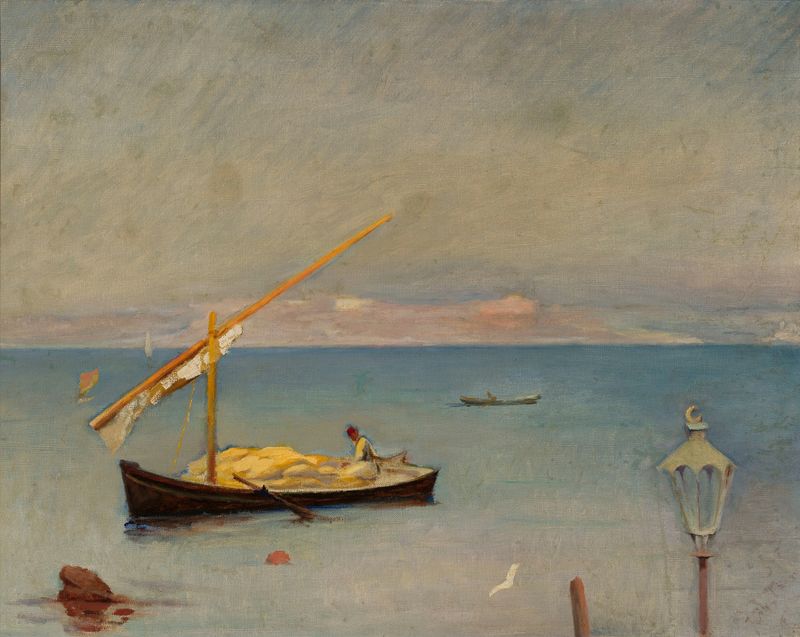
At Bosporus
Jan Ciągliński
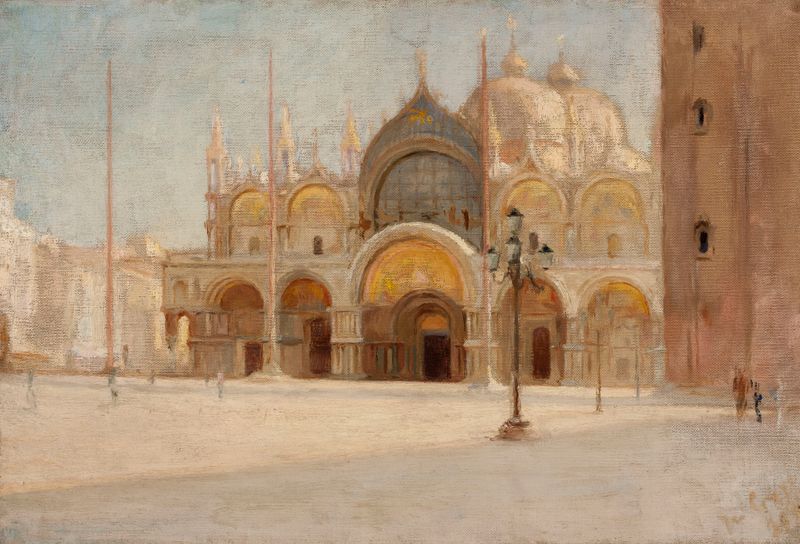
St Mark’s Square in Venice
Jan Ciągliński
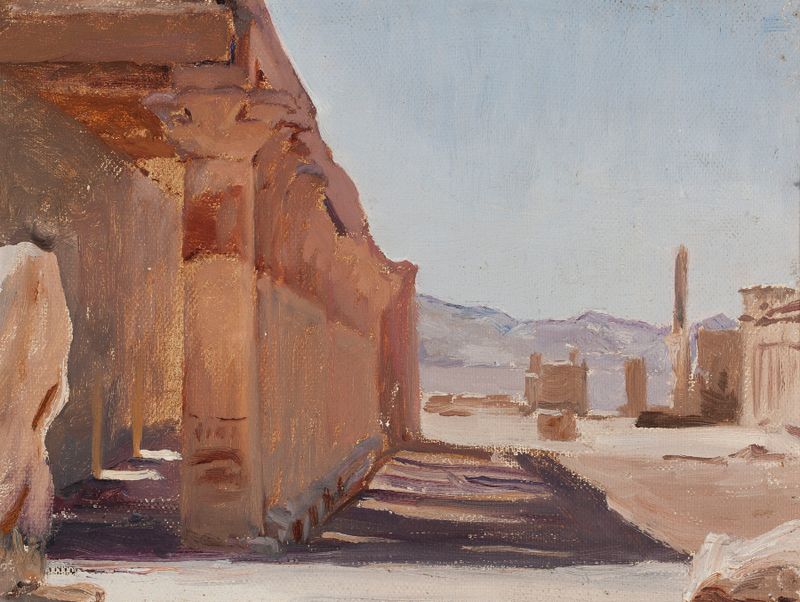
Temple. From the journey to Egypt
Jan Ciągliński
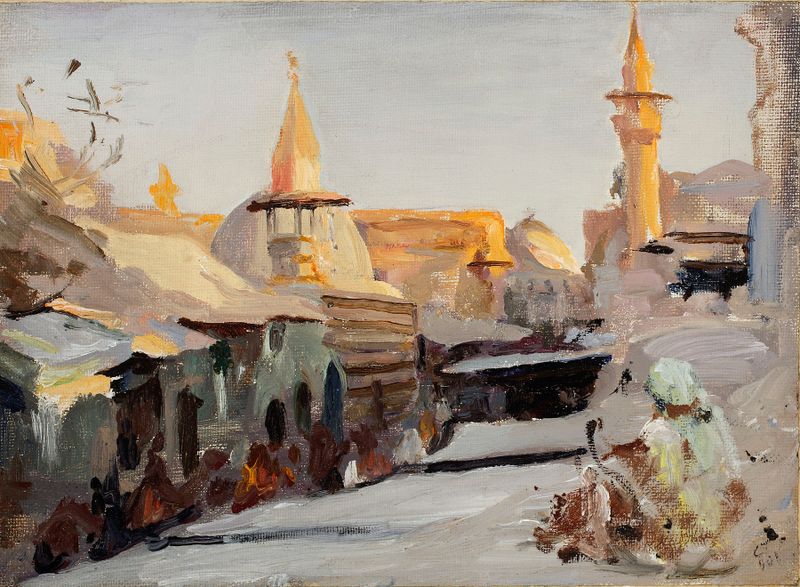
Street in Damascus. From the journey to Palestine
Jan Ciągliński
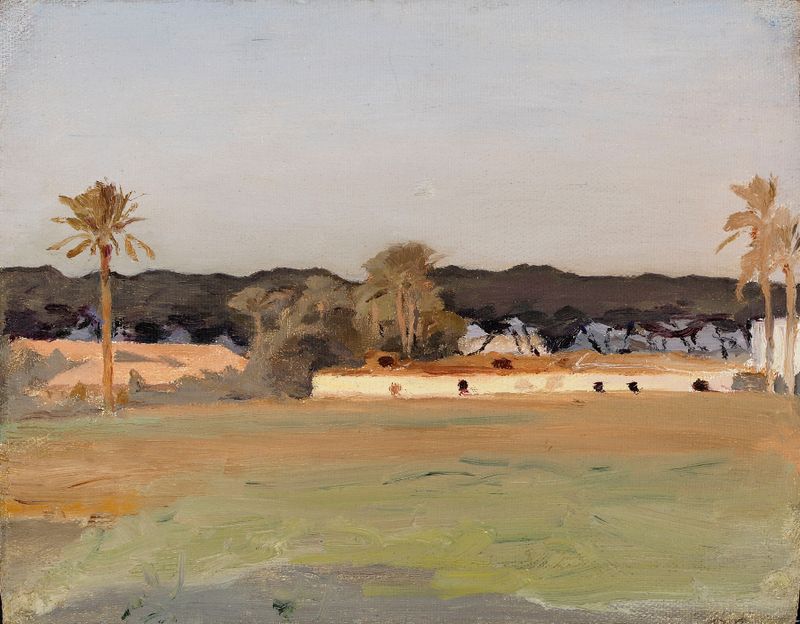
Evening. From the journey to Egypt
Jan Ciągliński
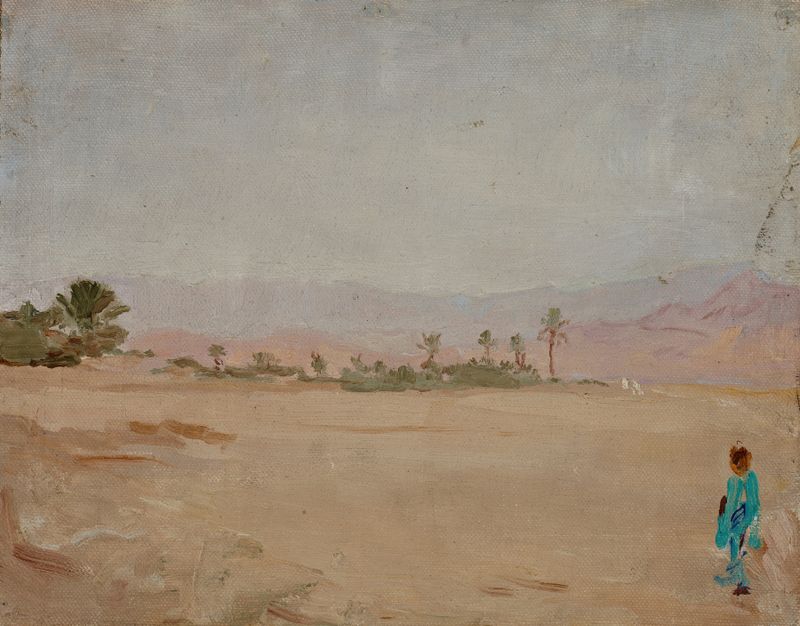
Sahara (Desert)
Jan Ciągliński
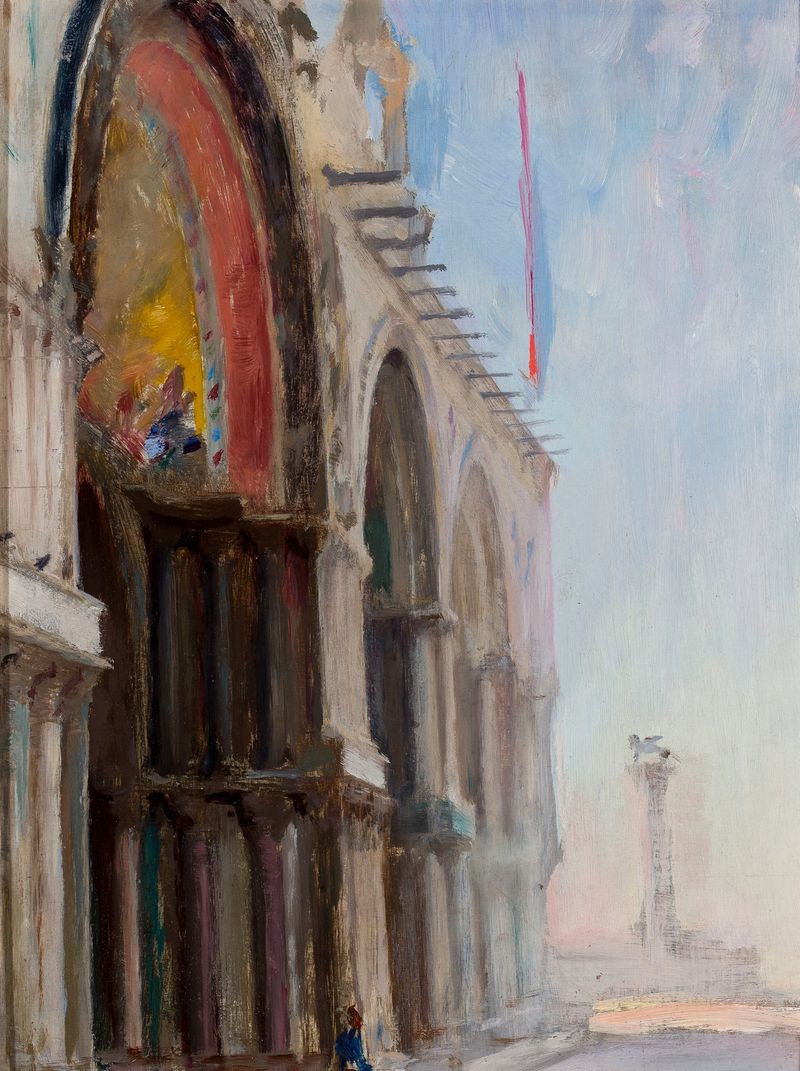
Venice – San Marco. From the journey to Italy
Jan Ciągliński
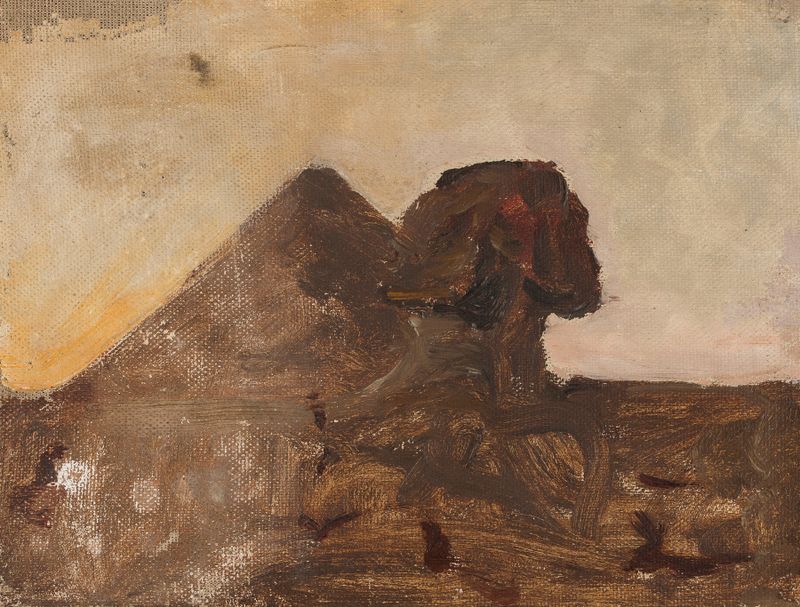
Evening in the desert – Sphinx and pyramid. From the journey to Egypt
Jan Ciągliński
More Architecture Art
Browse all →
The statue of Liberty
Frédéric Auguste Bartholdi

View of Houses in Delft, Known as ‘The Little Street’
Johannes Vermeer

View of Houses in Delft, Known as ‘The Little Street’
Johannes Vermeer

The Cathedral in Rouen. The portal, Grey Weather
Claude Monet

The yellow house
Vincent van Gogh

The Church in Auvers-sur-Oise, View from the Chevet
Vincent van Gogh