
Big Hole Prairie from the North — History & Facts
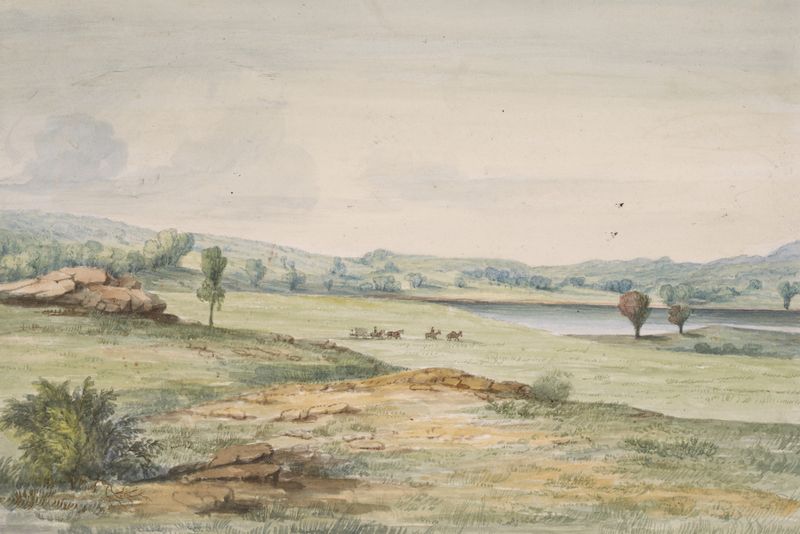
Is this a mirror — or a memory? The vast expanse of Big Hole Prairie from the North invites viewers to confront the silent betrayal of a land both fierce and beautiful, echoing the stories untold within its sweeping hills. Focus on the horizon, where the gentle sloping of the prairie meets an expansive sky, painted in soft pastels that blend seamlessly into one another. Notice how Stanley masterfully balances the warm ochres and cool blues, guiding the eye across the landscape. The clouds float lazily above, their shadows casting a fleeting chill upon the sunlit ground, contrasting the tranquility with an underlying sense of tension.
Each brushstroke whispers secrets of the earth, capturing the essence of a serene yet tumultuous moment. Betrayal lies within the details, seen in the rugged terrain that hints at natural resilience, yet feels deceptively tranquil. The undulating hills suggest a story of survival, while the expansive emptiness evokes a sense of isolation. This duality mirrors humanity’s complex relationship with nature, where beauty can mask a deeper struggle, perhaps even reflecting the artist's own experience of displacement and uncertainty. In 1854, John Mix Stanley painted this work during a period of significant exploration and change in America.
He was engaged in documenting the western territories, navigating both the allure and harshness of the landscape. At that time, the nation was grappling with expansion and the implications it had on indigenous cultures, a theme that subtly permeates his works and adds layers of meaning to this striking prairie scene.
More Artworks by John Mix Stanley
Browse all →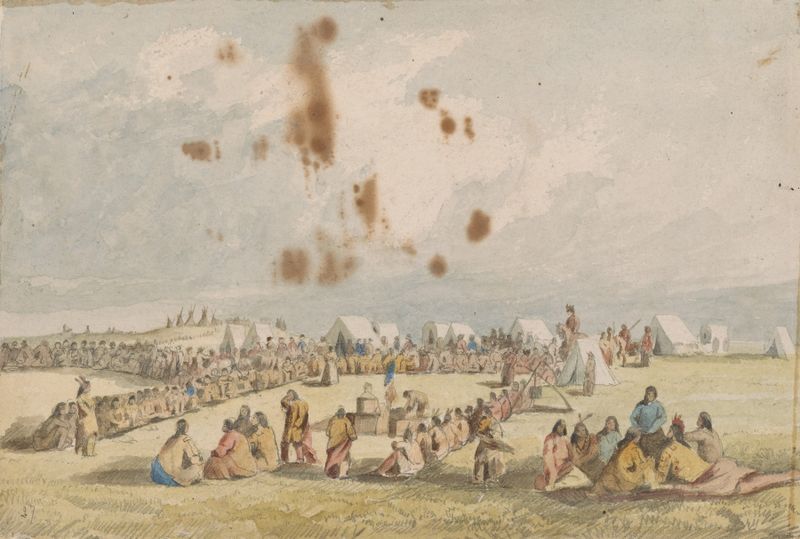
Distribution of Goods to the Assiniboins
John Mix Stanley
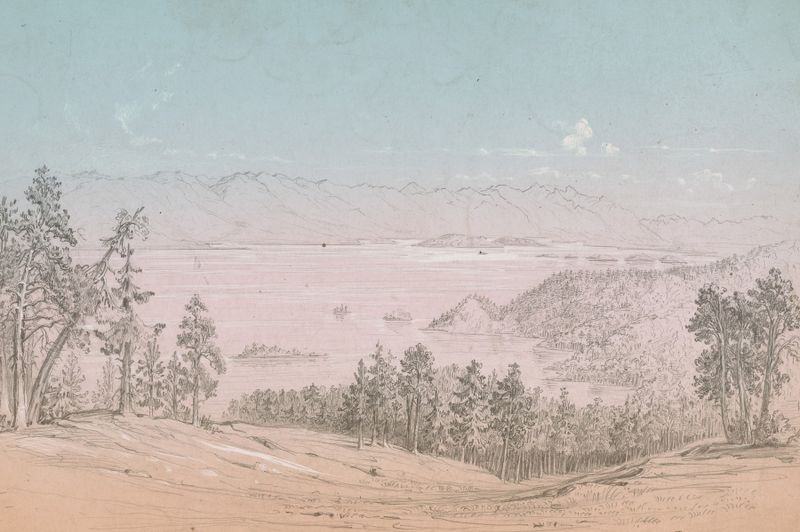
Flathead Lake, Looking toward the South
John Mix Stanley

A Morning in Milk River Valley
John Mix Stanley

Mount Rainier Viewed from Near Steilacoom
John Mix Stanley
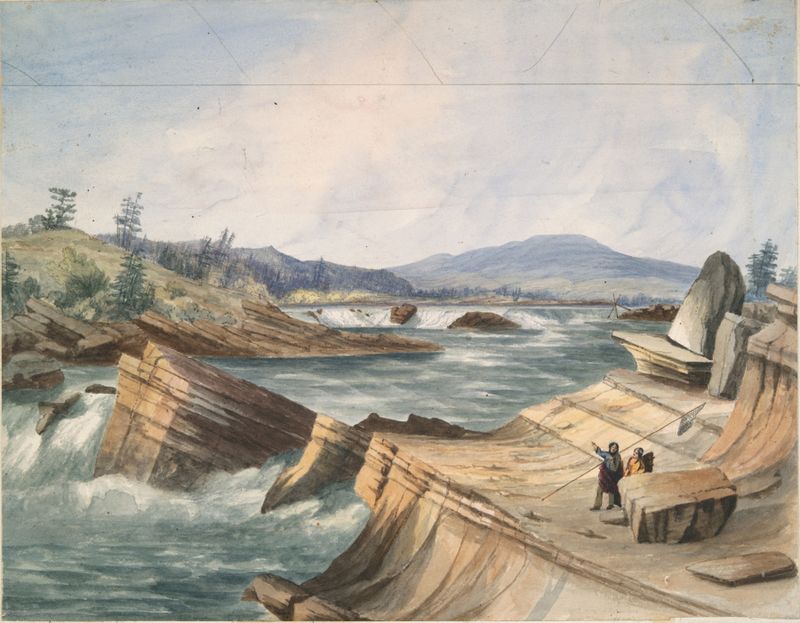
Kettle Falls, Columbia River
John Mix Stanley
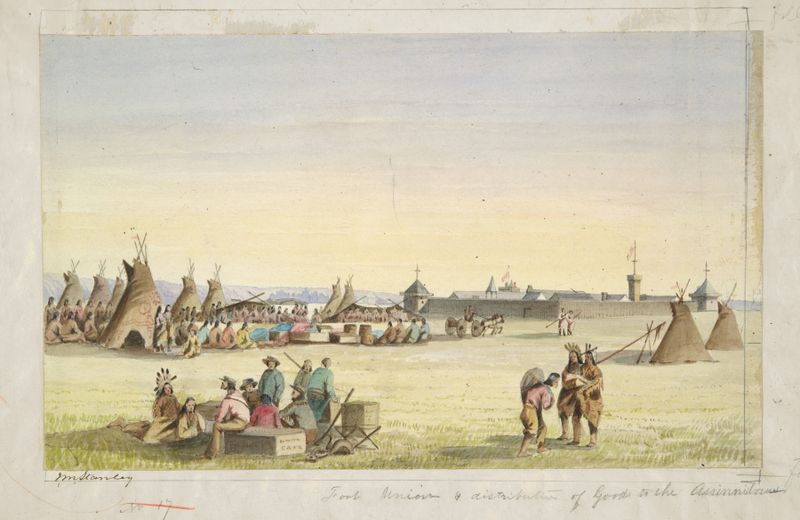
Fort Union and Distribution of Goods to the Assiniboins
John Mix Stanley

Pike Lake M.T.
John Mix Stanley
Sauk River
John Mix Stanley

Milk River – Bear’s Paw Mountain in Distance
John Mix Stanley

Fort Benton
John Mix Stanley





