Biglen — History & Facts
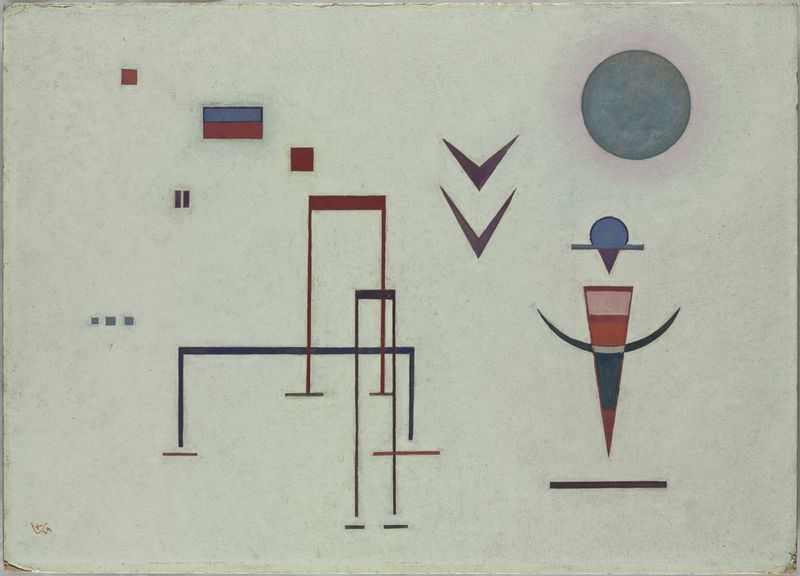
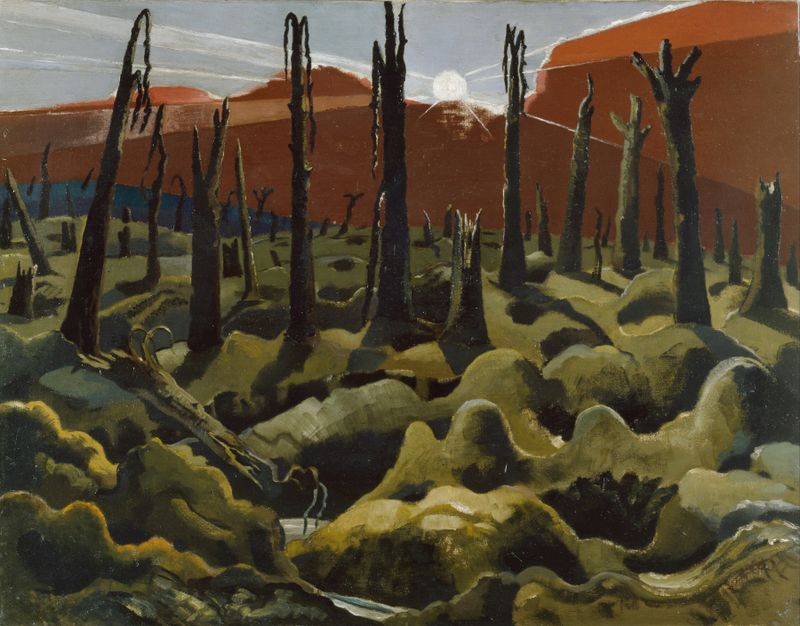
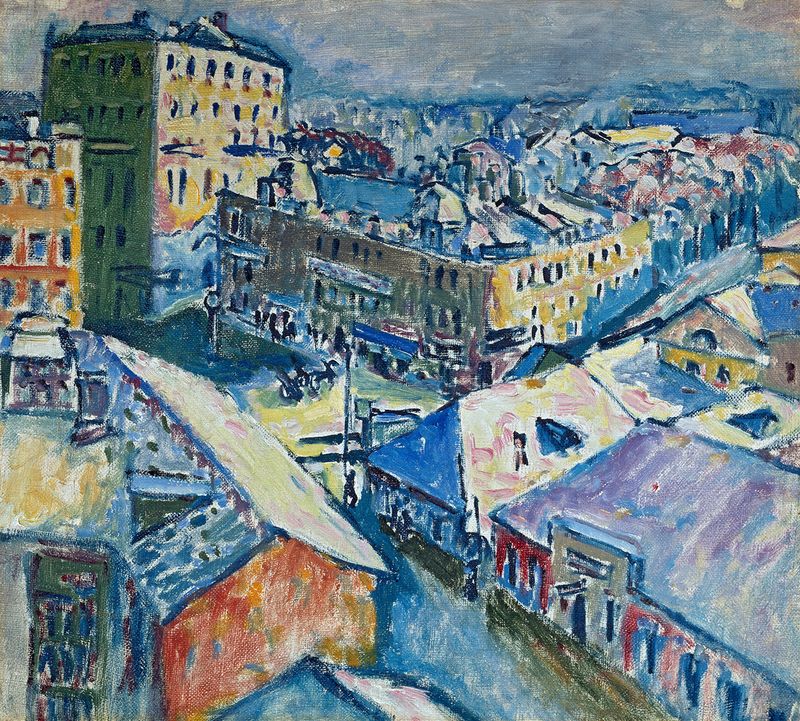
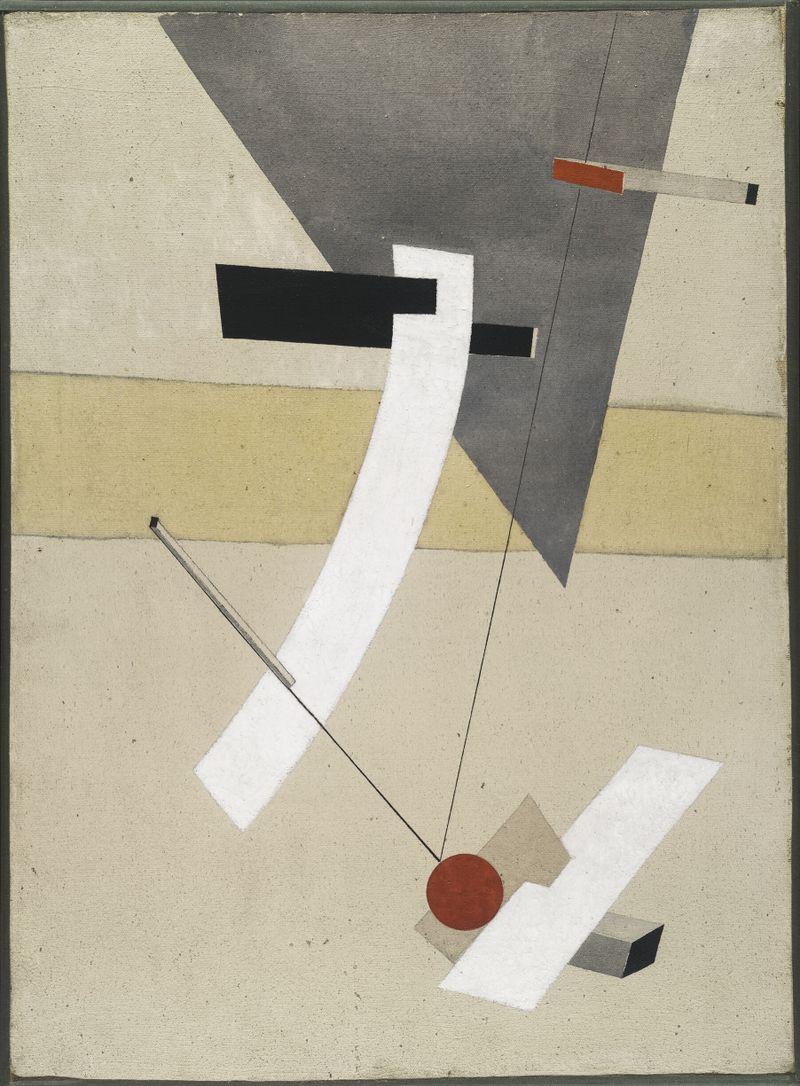
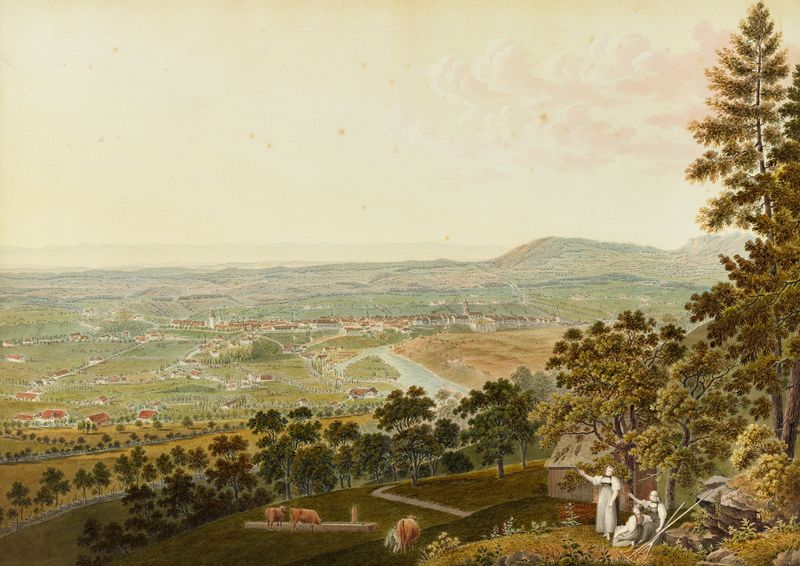
When did color learn to lie? In a world where innocence is often draped in vibrant hues, one must question the authenticity of what is presented to us. Focus first on the commanding interplay of bold reds and soft pastels that draw the viewer in, guiding the eye across the canvas. The brushstrokes, both frenetic and gentle, create a rhythm as they weave through different sections, evoking a sense of movement and life. Notice how the lighter shades seem to vibrate against the deeper tones, hinting at hidden emotions swirling beneath the surface. Upon closer inspection, the contrasts reveal deeper tensions between innocence and experience.
The juxtaposition of sharp edges with fluid forms suggests a clash between purity and the complexities that accompany growth. A small figure, perhaps a child, stands at the edge of chaos, embodying the precarious balance of naivety and awareness. This visual dialogue invites contemplation on the nature of truth and the narratives we construct around our perceptions. Jakob Samuel Weibel created Biglen during a formative period in his artistic journey, although the exact date remains unknown.
Emerging from an era ripe with experimentation in color and form, he grappled with the conventions of representation while seeking to convey the essence of human experience. This work reflects a moment of introspection, as the artist navigated his own understanding of innocence within a rapidly evolving art world.
More Artworks by Jakob Samuel Weibel
Browse all →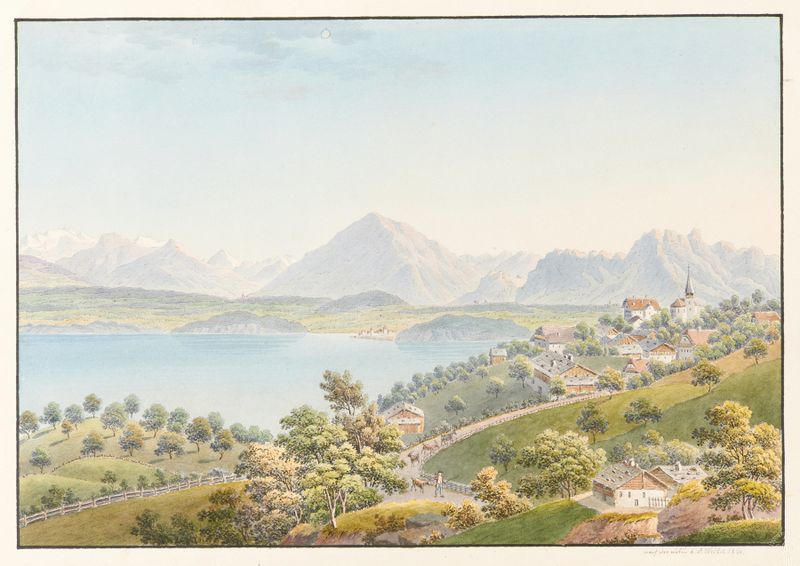
Vue dessiné depuis le Village de Sigriswil, audessus du Lac de Thoune
Jakob Samuel Weibel
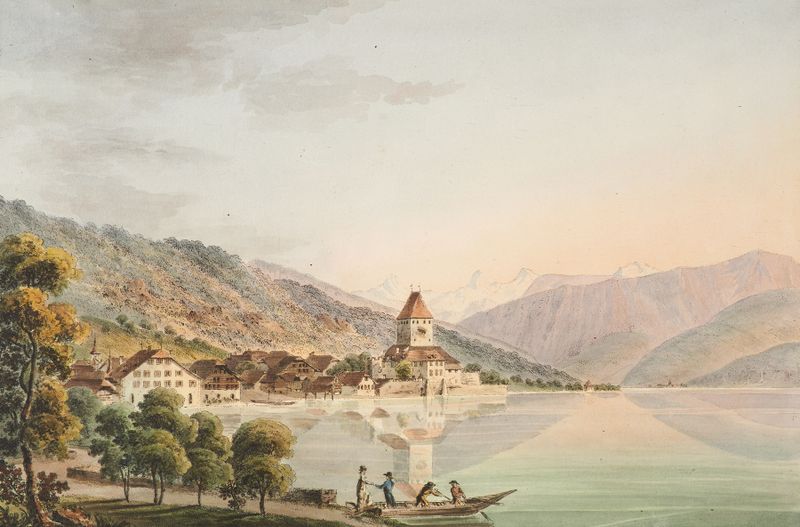
Vûe du Chateau d’Oberhofen au Lac de Thoune
Jakob Samuel Weibel
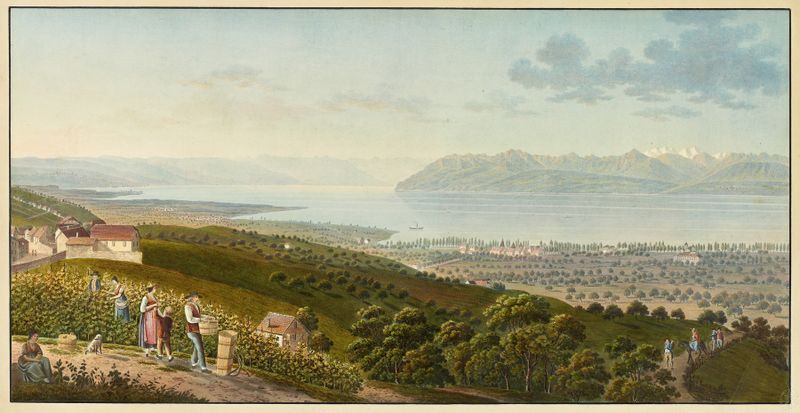
Vue genérale du Lac de Geneve
Jakob Samuel Weibel
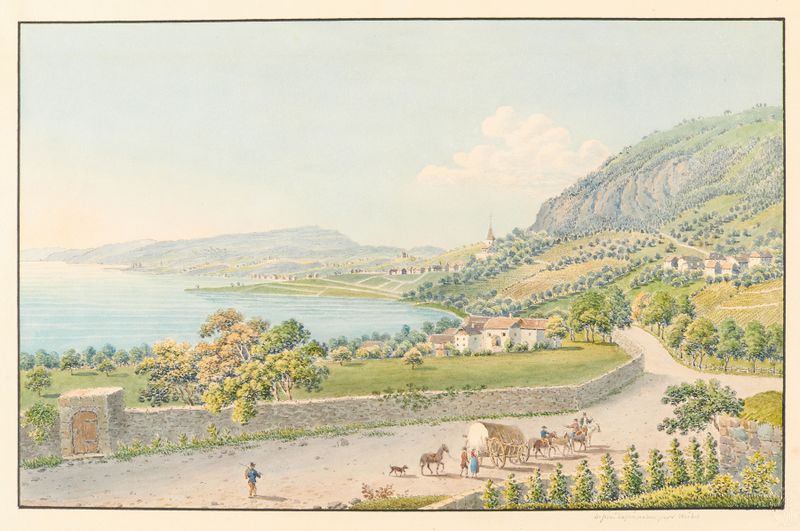
Vue des environs de Montreux et de Clarens
Jakob Samuel Weibel
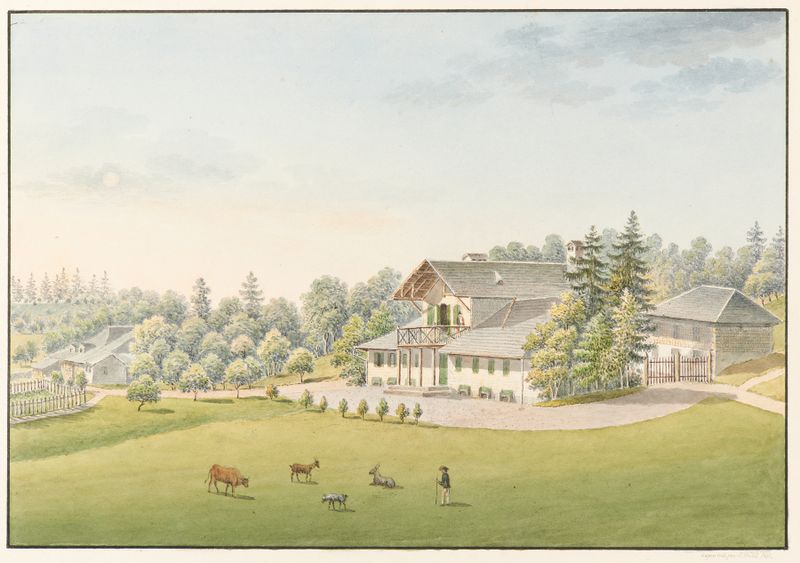
Vue du nouveau Châlet de Vernand
Jakob Samuel Weibel
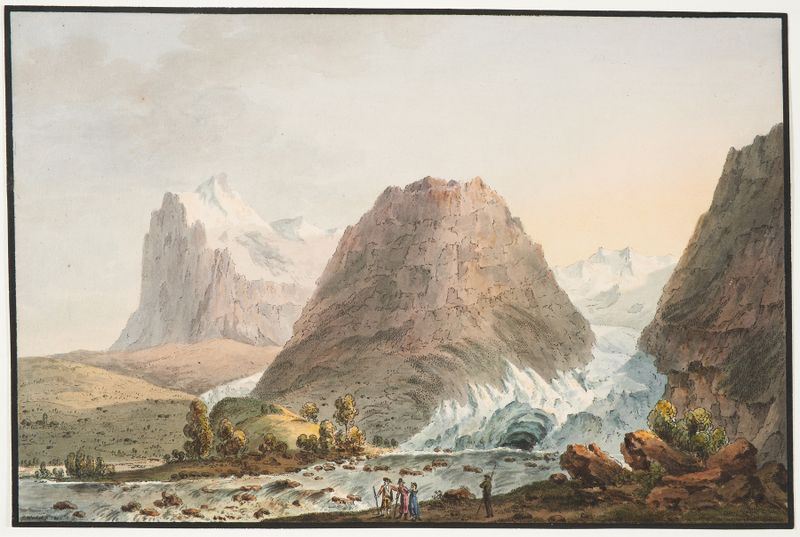
Vûe des Glacieres de Grindelwald
Jakob Samuel Weibel
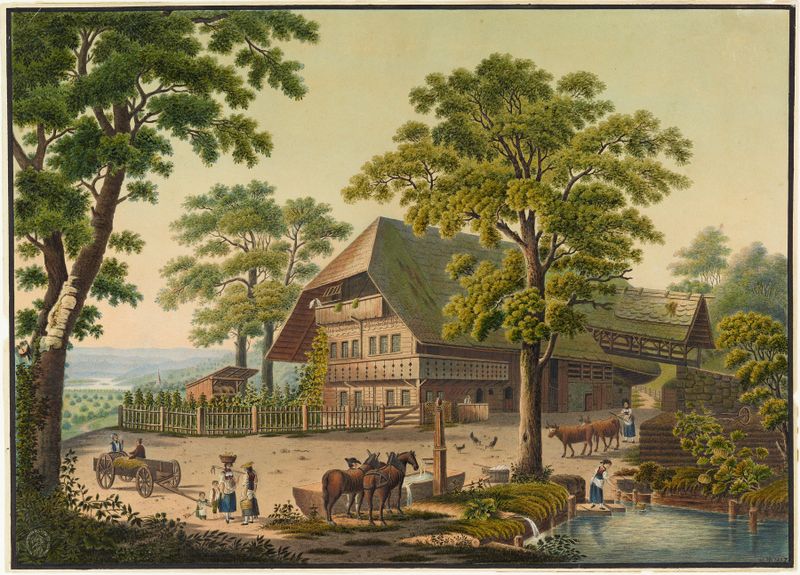
Maison de paysan près Wichtrach
Jakob Samuel Weibel
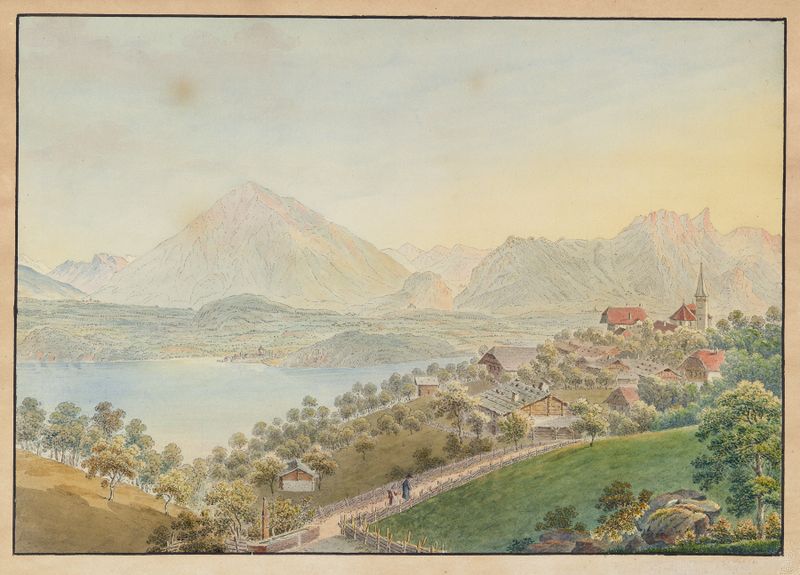
Ansicht von Sigriswil mit Niesen und Thunersee
Jakob Samuel Weibel
Ansicht Berns und der Aare vom Gurten aus
Jakob Samuel Weibel

Lausanne Ville capitale du Canton de Vaud
Jakob Samuel Weibel