
Birken am Waldrand — History & Facts
In the tranquil embrace of nature, beauty unfurls with an ethereal grace that lingers in the heart and mind. Look to the left at the majestic birch trees, their slender trunks soaring upwards, pale against the lush greenery surrounding them. Notice how the artist employs delicate brushstrokes to capture the shimmering leaves, flickering like whispers in the gentle breeze. The soft, dappled light filters through the branches, creating a dance of shadows on the forest floor, inviting viewers to step into this serene woodland moment. Yet, within this idyllic scene lies a deeper tension; the contrast between light and dark speaks to the duality of existence—joy amidst the stillness of solitude.
Each element, from the vibrant foliage to the quiet earth below, reflects a balance of harmony and isolation. The subtle palette reinforces this emotional landscape, with muted greens evoking both peace and introspection. In 1902, Alexander Koester created Birken am Waldrand during a period marked by a growing appreciation for nature within the art world. Living in Germany and deeply influenced by the Impressionist movement, he sought to capture the essence of the natural world with a fresh perspective.
At this time, the artistic community was shifting towards more personal and emotional interpretations of landscapes, making this work a poignant reflection of both the artist's inner world and the broader artistic evolution.
More Artworks by Alexander Koester
Browse all →
Ducks on the Lakeside
Alexander Koester

Teichblüten – Altwasser bei Brixen
Alexander Koester

See mit Wetterwolken
Alexander Koester

A Wayside Shrine
Alexander Koester
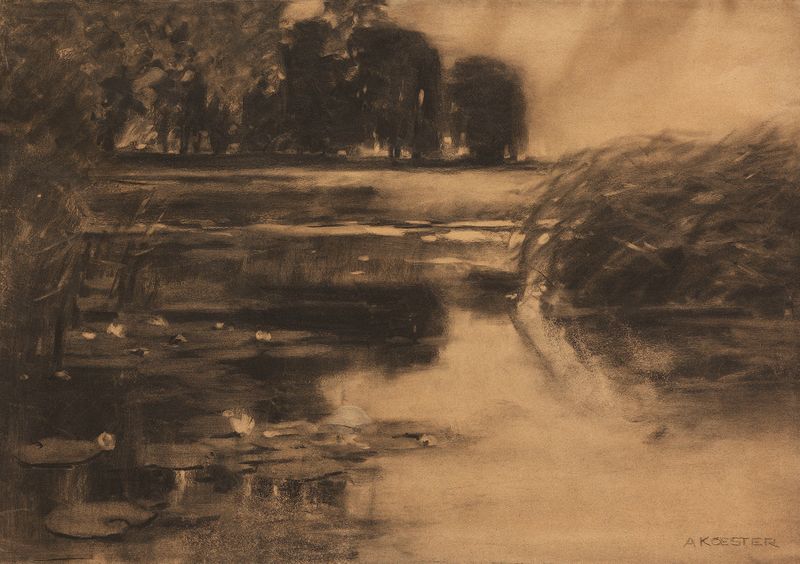
Wasserlandschaft
Alexander Koester
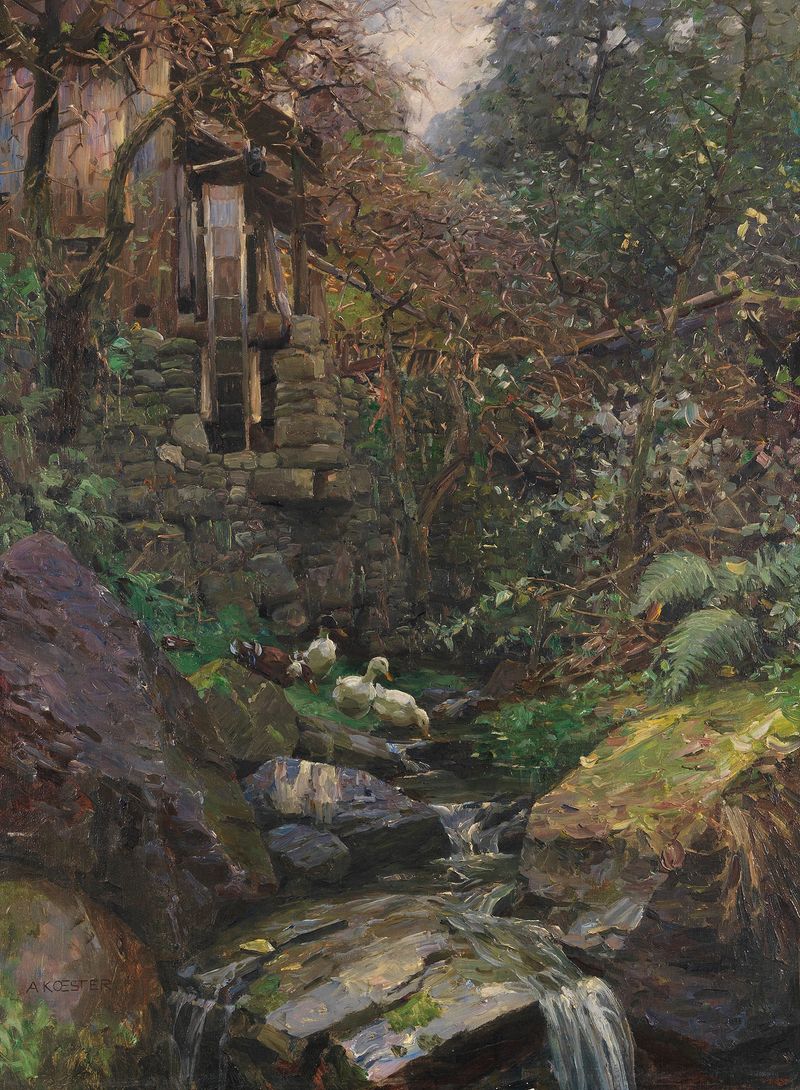
Im Mühlengrund
Alexander Koester

Altwasser bei Brixen
Alexander Koester
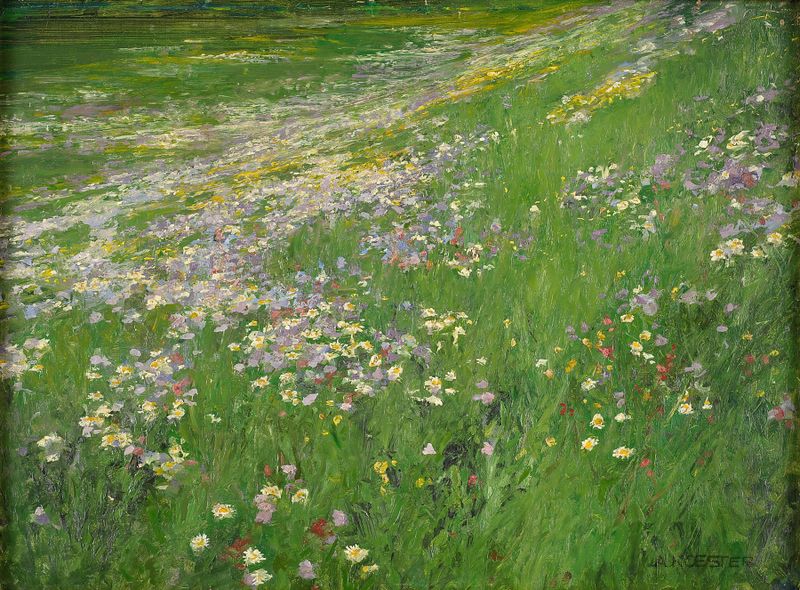
Blumenwiese bei Weßling
Alexander Koester

Reichenau, Weiden am See, Sonne
Alexander Koester
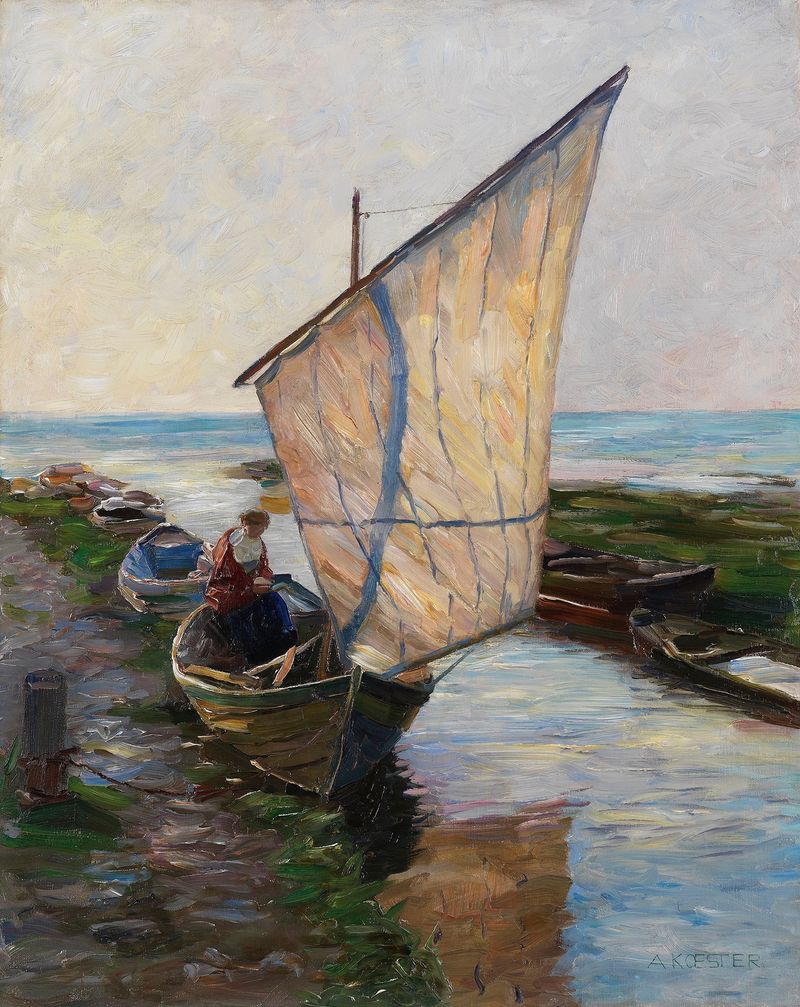
Segelboot, Holland
Alexander Koester





