
A Wayside Shrine — History & Facts
Did the painter know this moment would outlive them? In the quiet embrace of time, a wayside shrine stands resilient, a testament to faith amid the tumult of change. Look to the center, where the shrine captures our gaze with its weathered stones, each one telling stories of devotion and remembrance. The warm, golden light bathes the scene, accentuating the soft greens of the surrounding foliage, creating a tranquil oasis. The delicate brushwork encapsulates the gentle waft of a breeze, inviting the viewer to linger, to feel the pull of reverence in the air. As you explore the peripheries, notice the juxtaposition of nature’s unyielding beauty against the fragility of human-made structures.
This contrast speaks to the enduring spirit of faith in the face of revolution and change, the sanctuary’s steadfastness embodying resilience. Each shadow and highlight seems to whisper of lives touched by the shrine, hinting at the unbroken threads of community woven through shared moments of reflection. Created during a time of shifting tides in the art world, the artist painted this piece in an era marked by both personal and societal upheaval. Active in Germany in the late 19th to early 20th centuries, he sought to capture the essence of rural life against a backdrop of modernity's encroachment.
It was a period when many artists grappled with emerging movements, striving to preserve the beauty of the world around them, much like the shrine itself.
More Artworks by Alexander Koester
Browse all →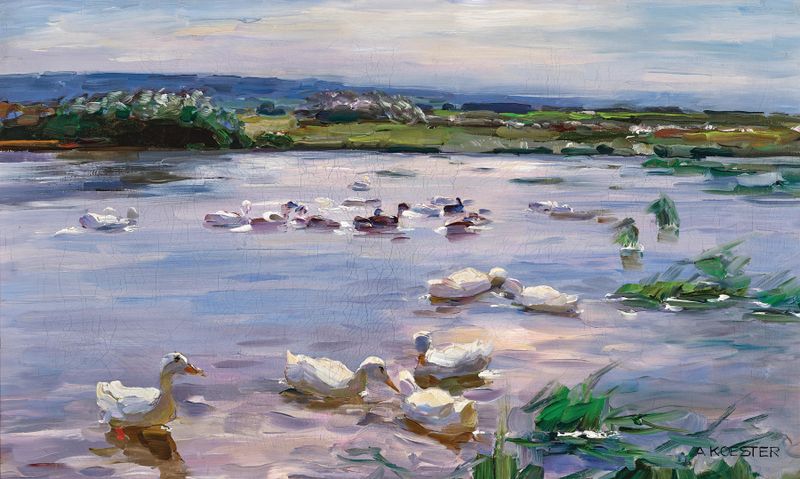
Ducks on the Lakeside
Alexander Koester

Teichblüten – Altwasser bei Brixen
Alexander Koester

See mit Wetterwolken
Alexander Koester
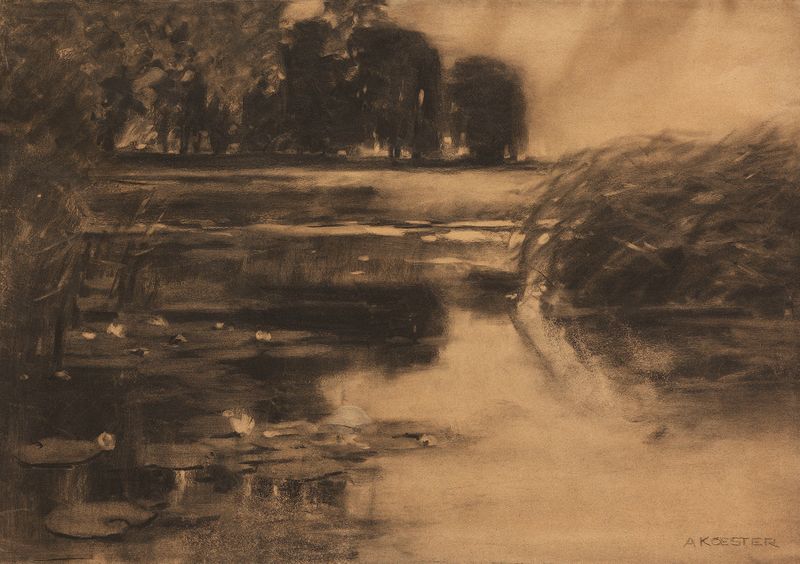
Wasserlandschaft
Alexander Koester
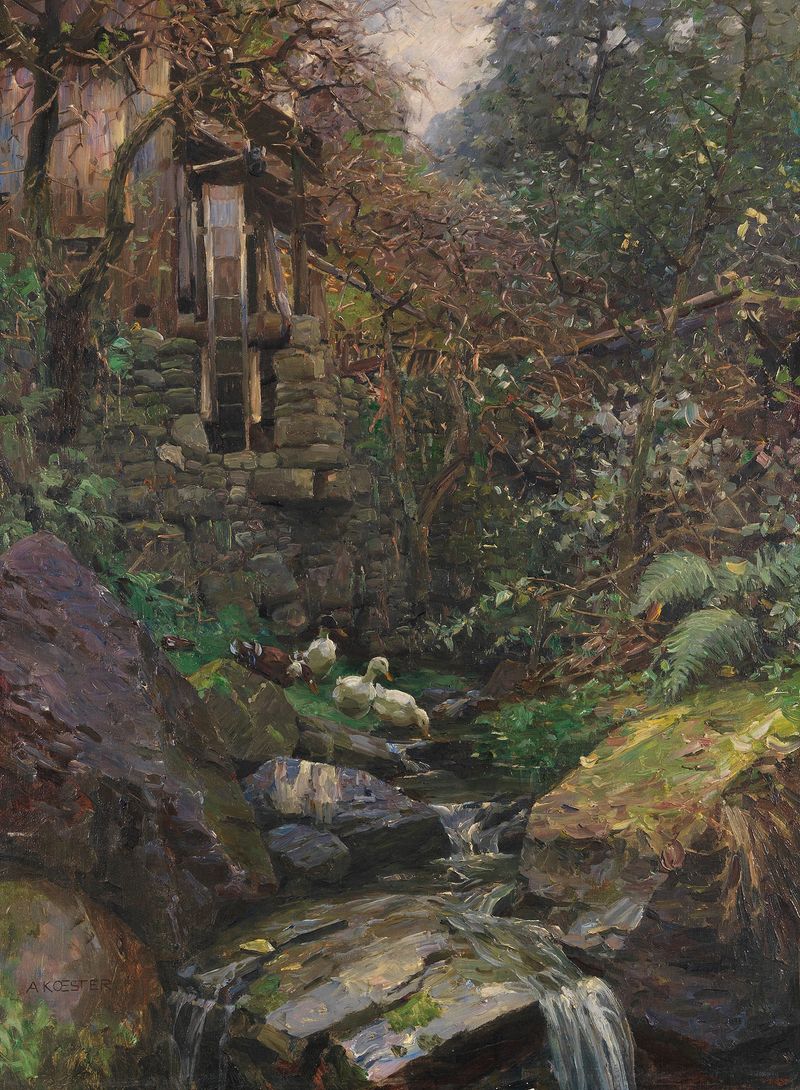
Im Mühlengrund
Alexander Koester
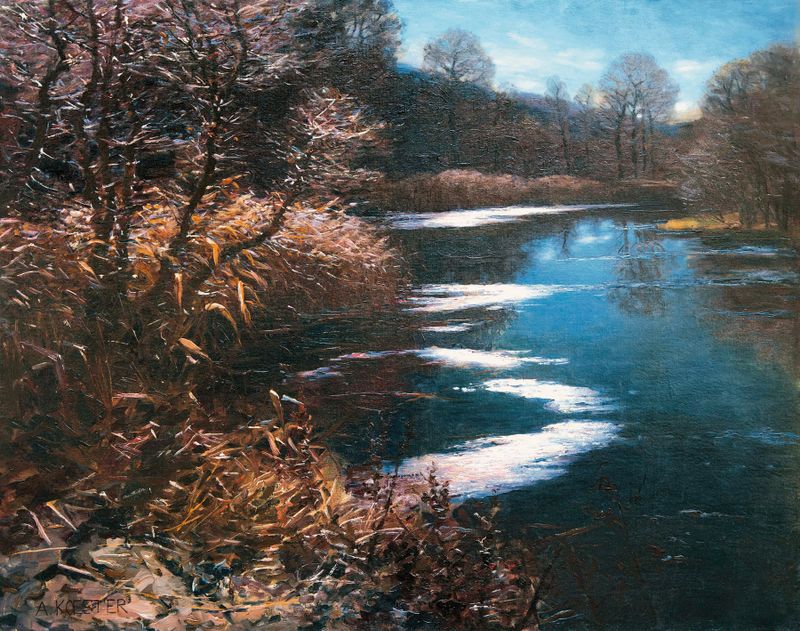
Altwasser bei Brixen
Alexander Koester
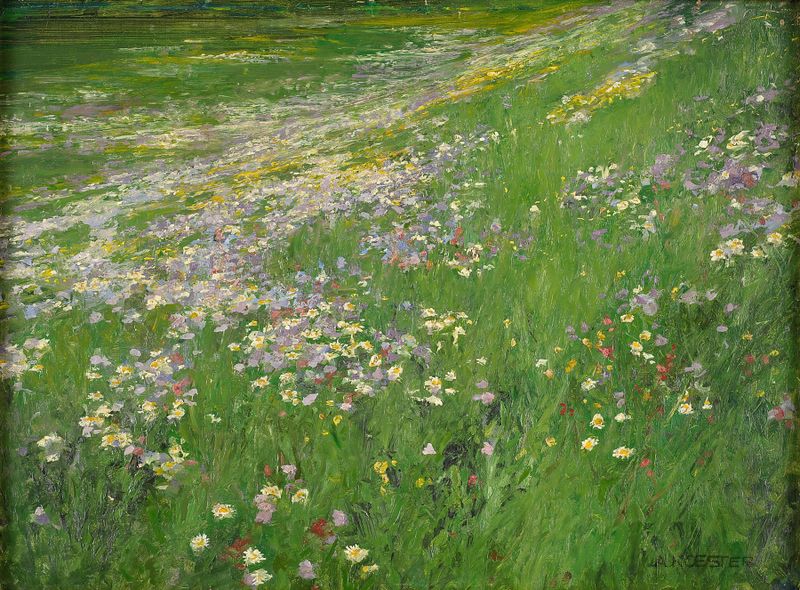
Blumenwiese bei Weßling
Alexander Koester

Reichenau, Weiden am See, Sonne
Alexander Koester
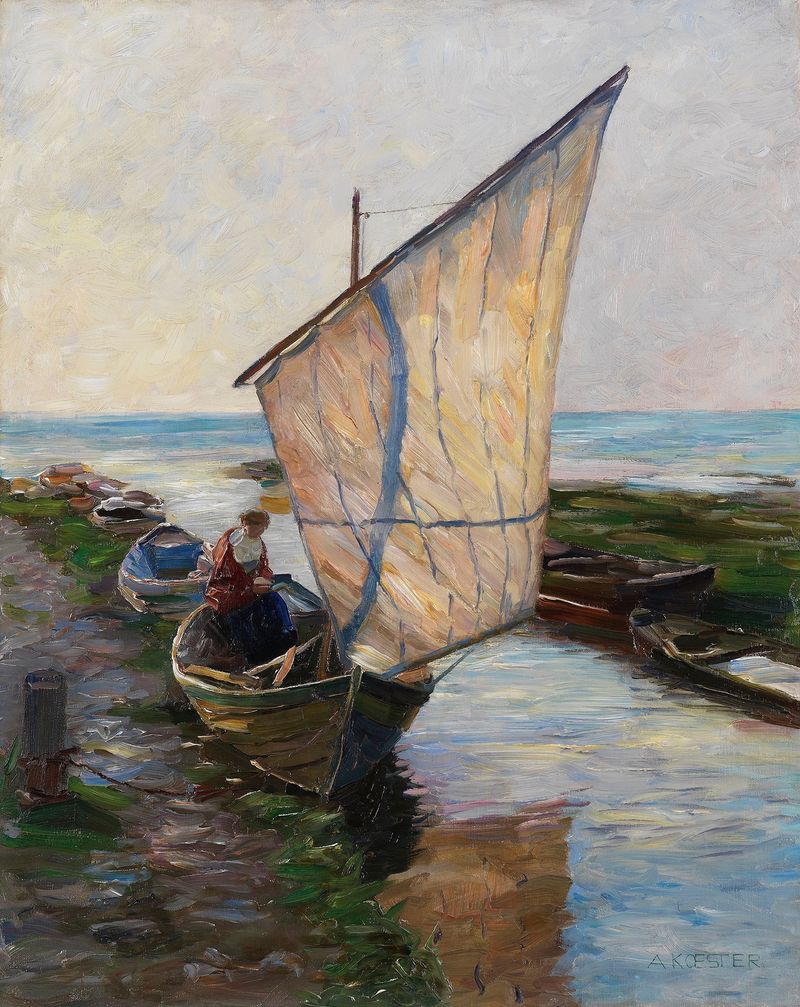
Segelboot, Holland
Alexander Koester
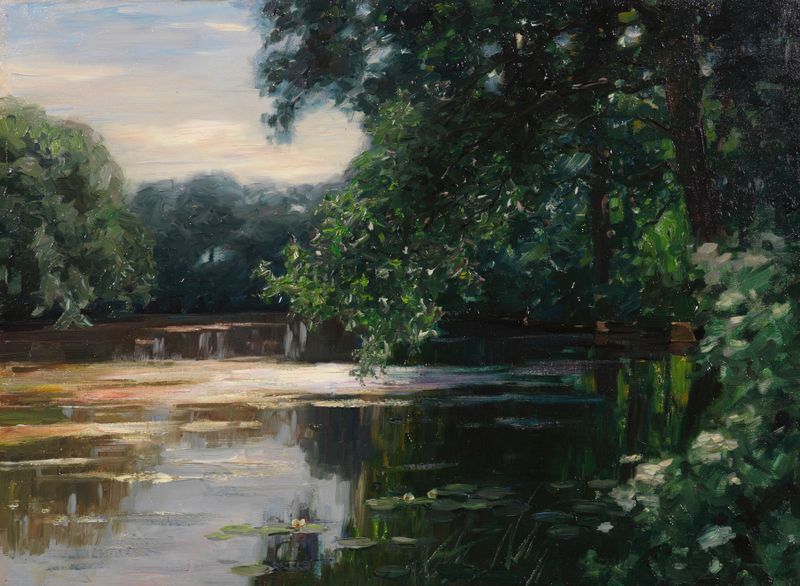
Teich, Viktring
Alexander Koester





